
Brown Wood Side Stands
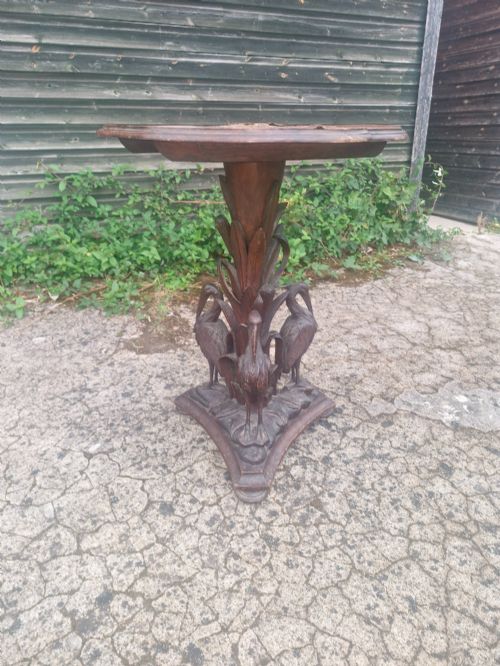
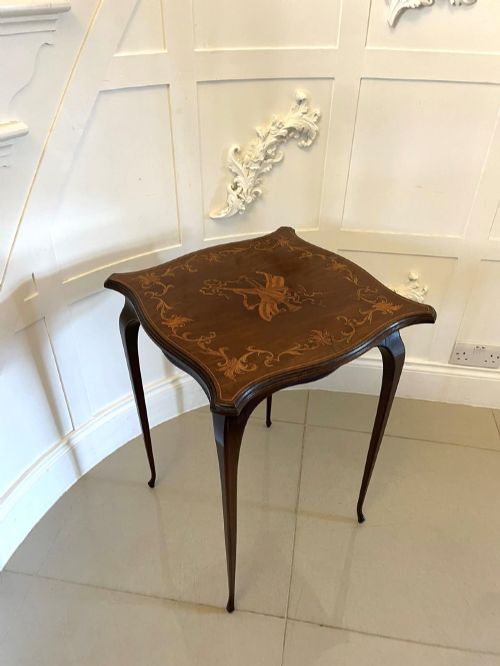
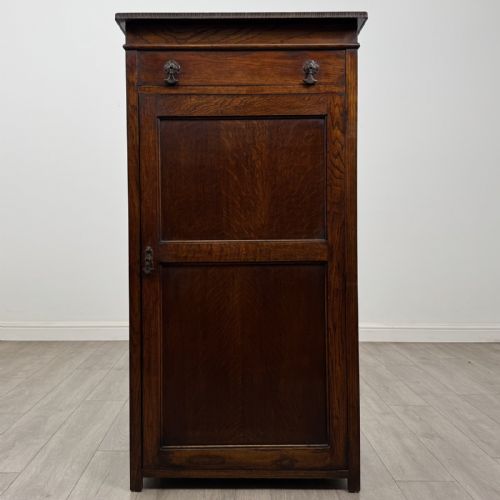
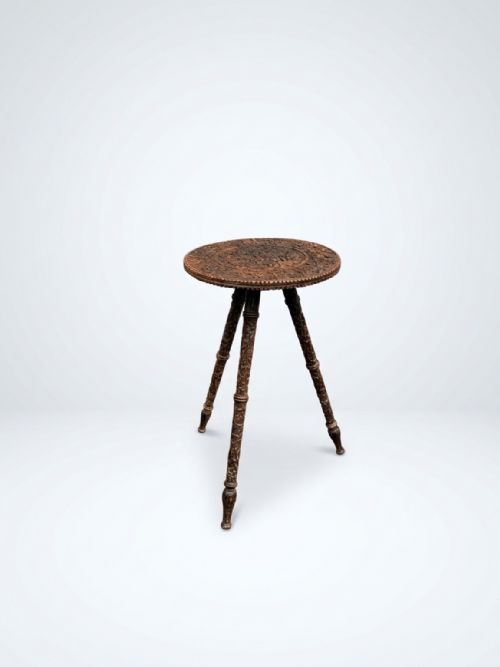
Brown wood side stands unite utility and elegance, offering compact surfaces crafted from mahogany, oak, and walnut across Georgian, Victorian, and Edwardian periods.
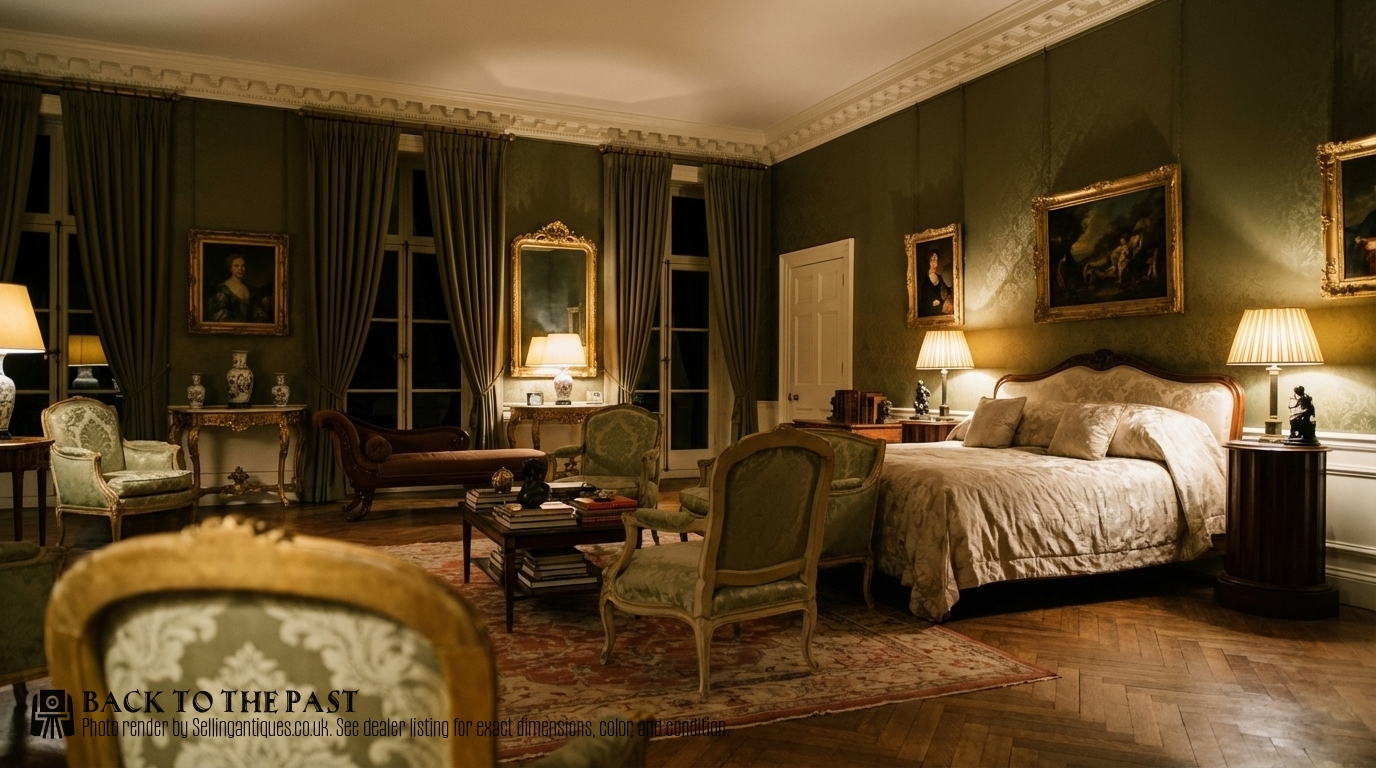
Brown Wood Side Stands
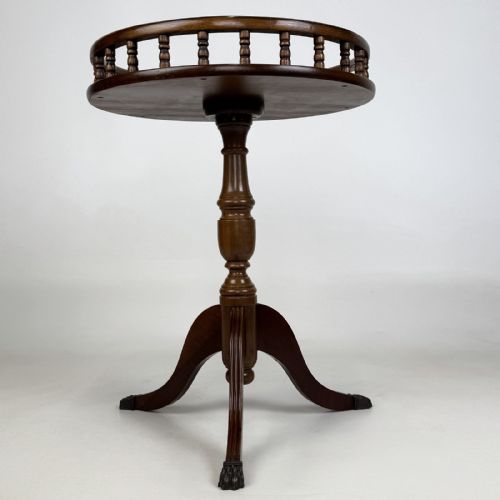
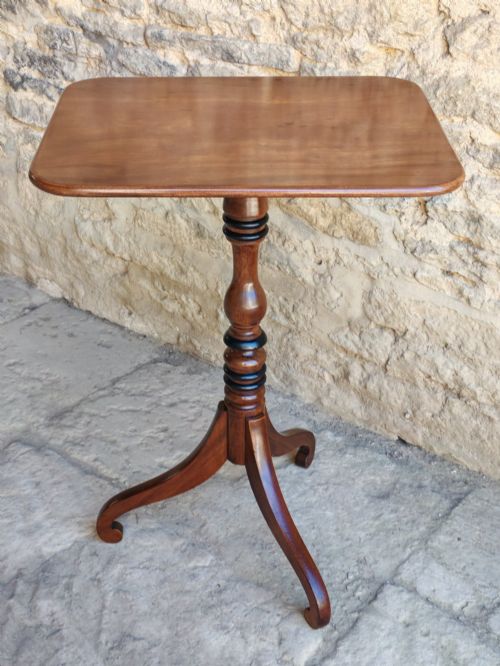
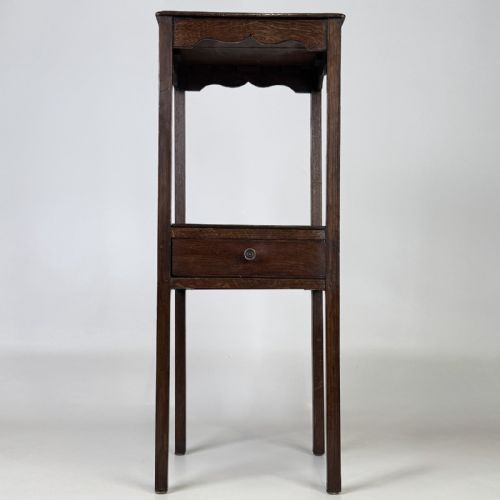
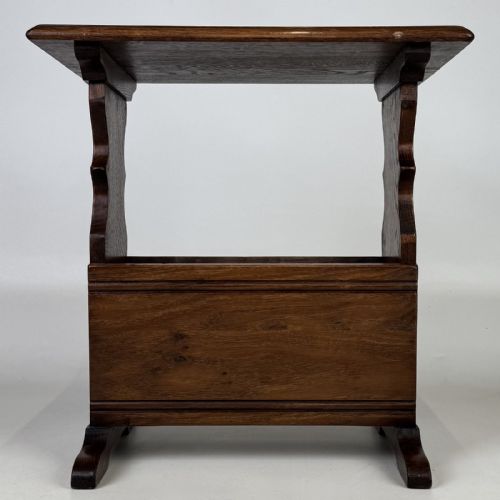
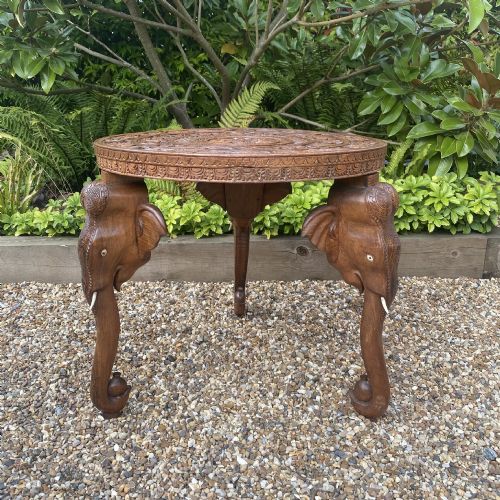
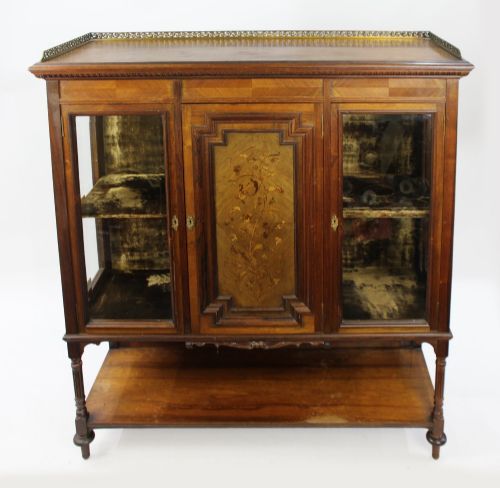
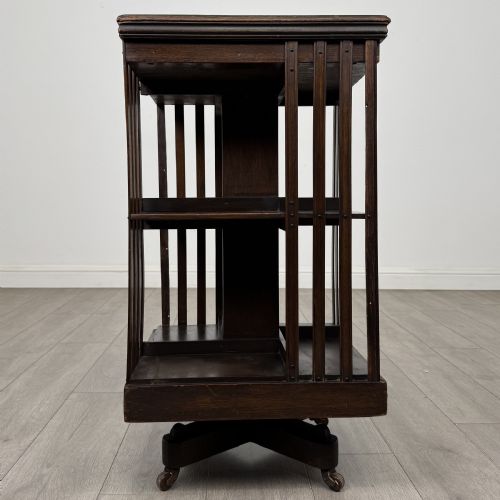
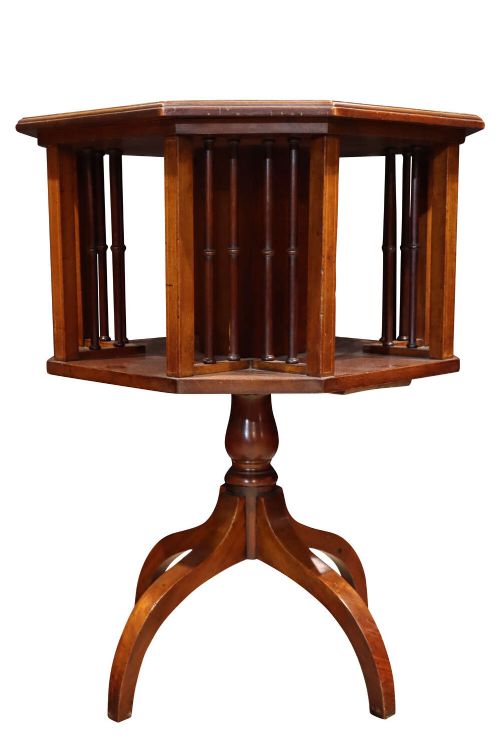
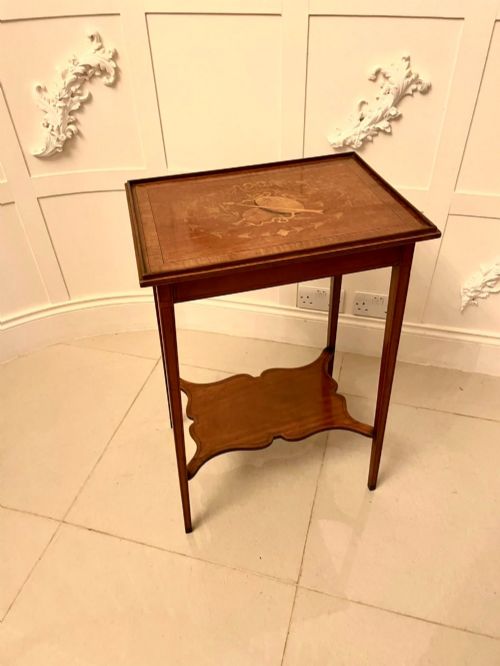
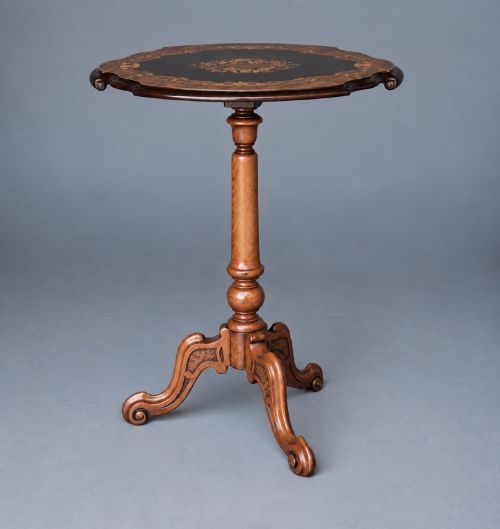
Brown wood side stands encompass a diverse group of compact support furniture designed for daily utility in sitting rooms, halls, and bedrooms. When you search for brown wood side stands, you encounter forms ranging from simple tripod wine tables and occasional stands to refined Georgian bedside cabinets, whatnot shelves, and console tables. Edwardian oak and mahogany examples appear most frequently alongside nineteenth-century pieces.
Makers and cabinetmakers adapted these portable tables to serve specific functions near seating areas or beds. Pieces span several eras, including Georgian design, Regency, Victorian, and the early twentieth century. Each type reflects the domestic habits of its period, whether holding a candle, a book, or a magazine rack.
Materials and Construction
Cabinetmakers utilised solid timbers and choice veneers, relying primarily on mahogany, oak, walnut, and fruitwood. Secondary woods and occasional exotic additions such as satinwood, boxwood inlay, and brass fittings provide structural contrast and detail. Surfaces often received hand-waxed finishes that highlight the natural grain of the hardwood.
Joinery methods varied by period, employing stable tripod bases, turned barley twist legs, tilt-top mechanisms, and fitted drawers. Skilled artisans combined structural integrity with decorative elements like carving, inlay, and brass gallery rails to create durable, functional items.
Materials documented across the inventory include mahogany, walnut, oak, fruitwood, hardwood, satinwood, and brass.
Judging Quality and Execution
Quality rests upon the selection of timber figures, such as burr walnut or figured mahogany, and the precision of the cabinetmaker's joinery. Superior examples display thoughtful proportions, crisp carving, and harmonious inlay work rather than purely utilitarian assembly.
The integrity of mechanisms, such as tilt-top actions, adjustable stems, and smooth-running drawers, distinguishes finer productions from standard workshop output. Original brass hardware, uncompromised patination, and balanced structural design mark the upper echelon of these pieces.
Trevor Page & Co·Collinson & Lock
The Brown Wood Side Stands Glossary
- Tripod table
- A small occasional table supported by a central pillar above three spreading legs. These versatile stands often featured tilt-top mechanisms for easy storage.
- Whatnot
- An open set of freestanding shelves used for displaying ornaments or holding books. This multi-tiered form gained popularity during the Georgian and Victorian eras.
- Canterbury
- A low stand featuring partitions for holding sheet music, books, or magazines, frequently combined with a small drawer below. It developed in the late eighteenth century as a movable receptacle for the parlour.
- Wine table
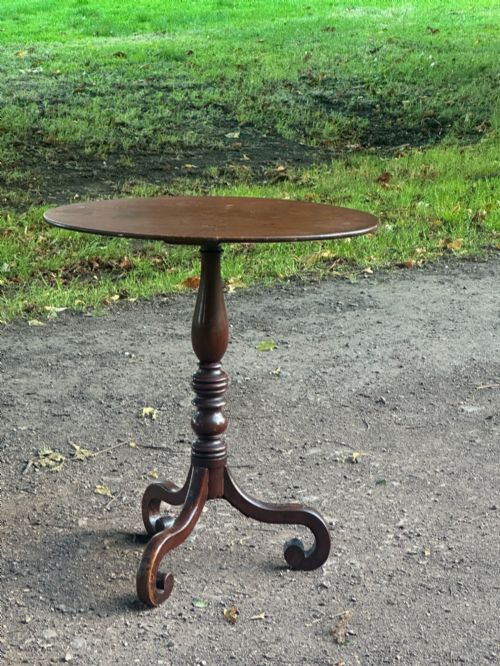
- A small freestanding table designed to hold glasses and bottles near seating. They frequently incorporated circular tops and tilting mechanisms.
- Inlay
- A decorative technique where contrasting woods, such as boxwood or satinwood, are inserted into recessed cavities in the primary wood surface to form patterns.
- Dumb waiter
- A tiered serving stand fitted with revolving or stationary trays to hold dishes and utensils. These stands allowed diners to dispense with servants during private meals.
Brown Wood Side Stands: Frequently Asked Questions
What were brown wood side stands used for?
These versatile stands served multiple domestic purposes, holding candles, books, drinks, or sewing gear near seating areas. Compact designs allowed servants or residents to move them easily around the room as needs changed.
Bedside cabinets and miniature chests also functioned as enclosed storage for personal items in private quarters. Their small footprints made them adaptable to tight spaces in hallways and parlours.
How do I date a brown wood side stand?
Dating relies on identifying stylistic markers, timber choices, and construction methods characteristic of specific eras. Georgian pieces often display restrained classical proportions and fine mahogany grains, while Edwardian examples frequently utilise oak with barley twist turnings.
Secondary woods, fastening types, and wear patterns also provide clues to age. Examining the underside and interior joints reveals hand-cut elements typical of older workshops.
Where should I place a side stand at home?
Side stands fit naturally beside armchairs, sofas, or beds where a reachable surface is practical. Their compact dimensions suit awkward corners, narrow hallways, or empty wall spaces.
Avoid positioning antique wood furniture in direct sunlight or beside active heat sources to prevent timber splitting. Regular gentle polishing maintains the patina of the waxed hardwood.
What is the difference between an occasional table and a wine table?
An occasional table is a general term for a small, moveable table used intermittently for various household tasks. A wine table is a specific subset usually featuring a round top designed expressly for holding drinking vessels.
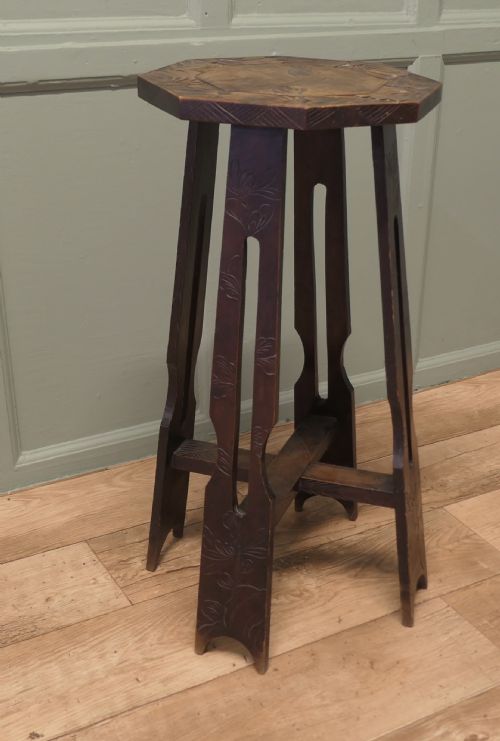
Many wine tables include tilt-top mechanisms allowing the surface to fold vertically when not in use. Occasional tables encompass a much broader range of rectangular, octagonal, and square forms.
How do I care for antique hardwood furniture?
Maintain the finish by applying traditional beeswax periodically and buffing gently with a soft cloth. Keep the surrounding indoor climate stable to protect the structure from extreme humidity shifts.
Lift tables rather than dragging them across floors to preserve the stability of the legs and joinery. Avoid harsh chemical cleaners that strip the historic wax finish.