
Brown Wood Side Desk
A brown wood side desk provides a compact surface for correspondence, drawing together the rich tones of mahogany, oak, and walnut from past centuries.
Brown Wood Side Desk
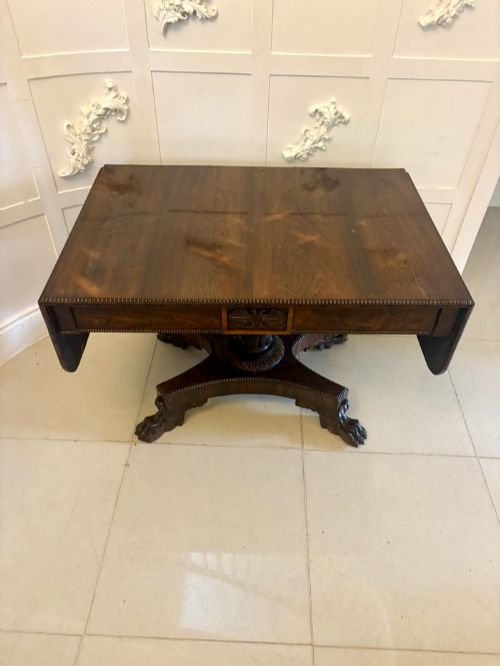
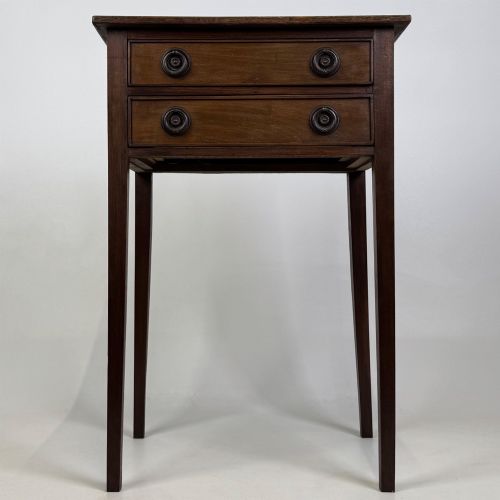
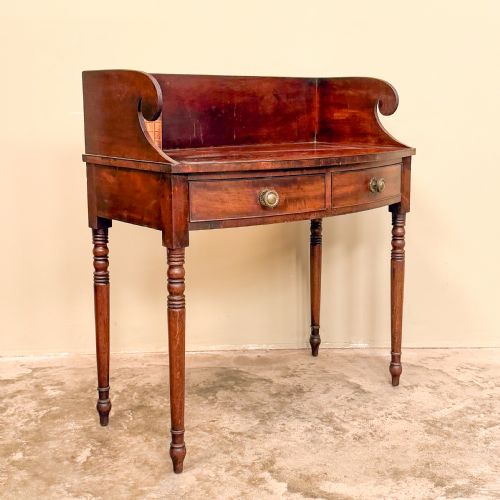
A brown wood side desk encompasses writing tables, lowboys, and console tables encountered across Georgian, Edwardian, and Regency periods. These forms serve functional roles in smaller rooms, offering a dedicated surface for letters and paperwork without dominating the floor plan.
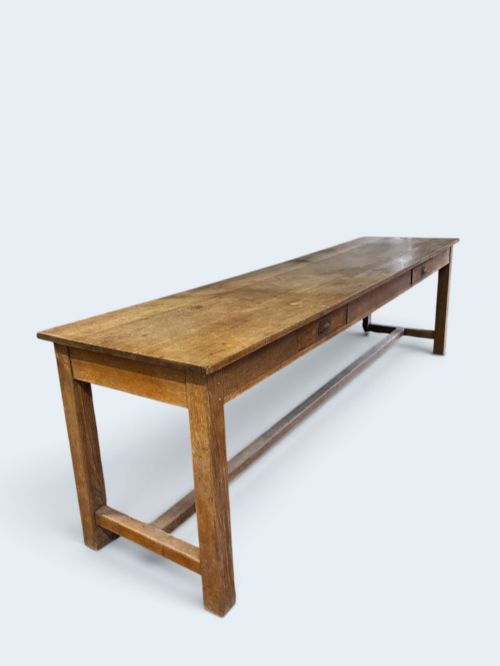
The pieces appearing most frequently on this page date from the 18th century through to the early 20th century, utilising timber frames and practical drawer layouts. Makers constructed these items in mahogany, oak, and walnut to withstand daily use while maintaining a refined domestic appearance.
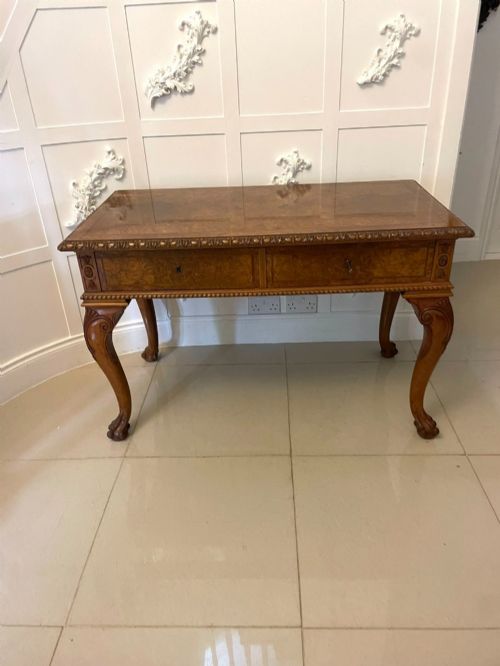
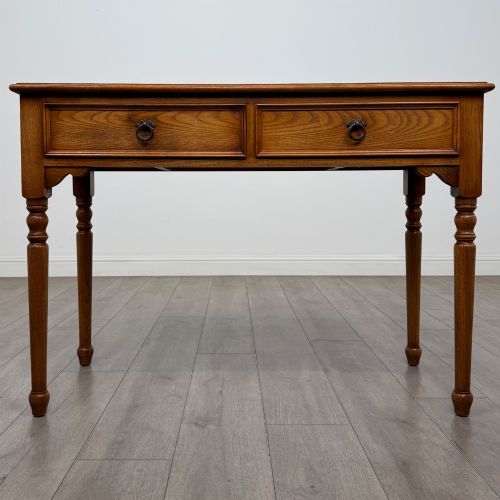
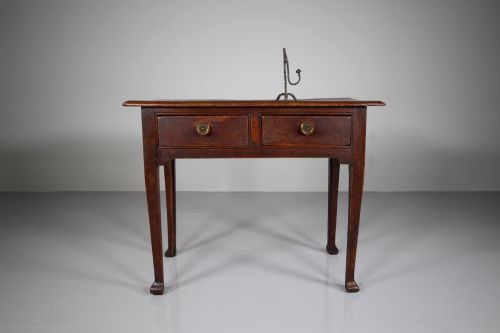
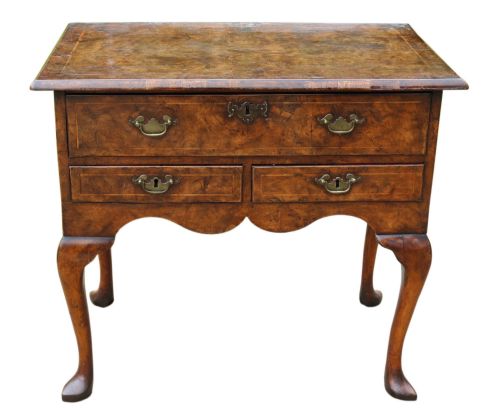
Buyers selecting a brown wood side desk will find variations ranging from simple utilitarian oak tables to intricately inlaid Edwardian writing desks and George II burr walnut lowboys. Each variant reflects the domestic requirements and stylistic preferences of its specific era.
Materials and construction methods
Cabinet makers relied primarily on solid timbers such as mahogany, oak, and walnut, often applying figured veneers like burr walnut or satinwood to primary display surfaces. These woods were selected for their durability and attractive grain patterns, which responded well to polishing.
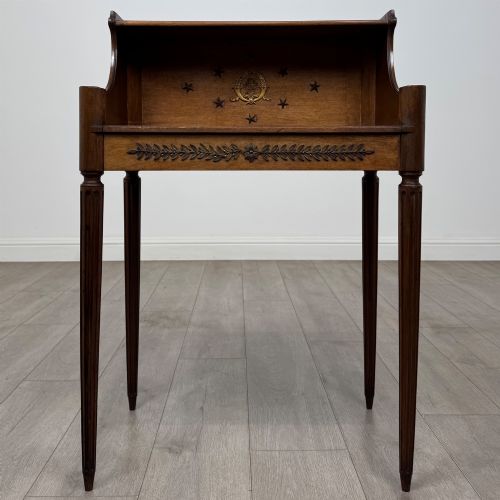
Construction techniques involved traditional joinery, dovetailing for drawer construction, and occasionally brass hardware or leather inserts for writing surfaces. Workshops employed crossbanding and marquetry inlay to embellish the edges and tops of formal pieces during the Georgian and Edwardian eras.
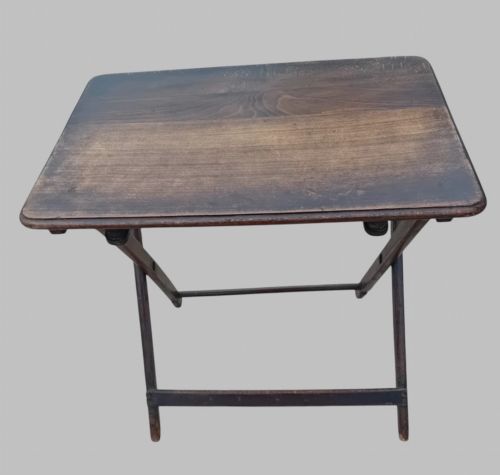
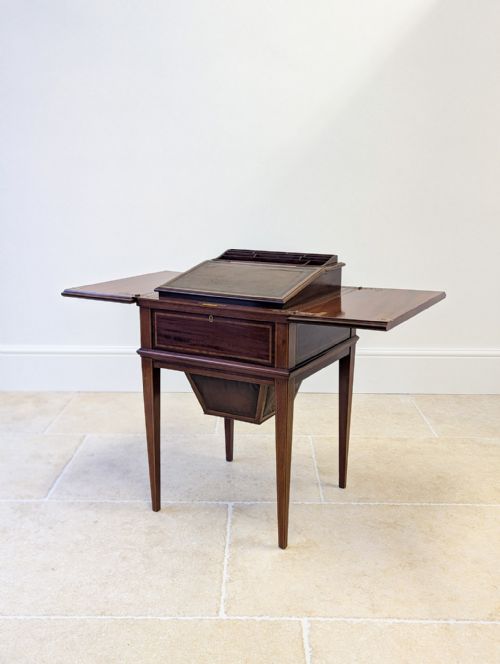
Some Edwardian tables feature folding mechanisms that transform a simple side surface into a dedicated writing space.
Assessing quality in timber and design
Quality separates pieces through the selection of timber figures, such as highly figured burr walnut or matched mahogany grains, alongside the precision of inlaid details and brass mounts. Superior examples exhibit balanced proportions and clean joinery that remain tight across the frame.
The integration of secondary timbers in drawer linings and the crispness of carved or inlaid decoration distinguish workshop standards. Finer pieces demonstrate careful attention to concealed areas, maintaining structural integrity alongside decorative refinement.
The Brown Wood Side Desk Glossary
- Lowboy
- A small dressing table or side table featuring drawers, commonly raised on cabriole or straight legs and frequently constructed in walnut or oak during the 18th century.
- Pembroke table
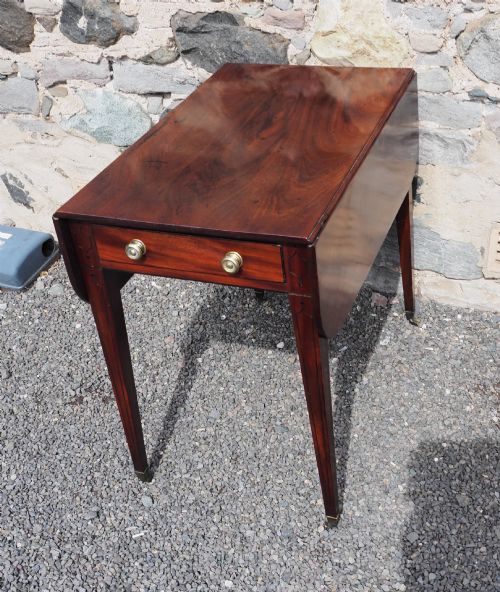
- A small occasional table featuring hinged drop leaves on either side, allowing the surface area to expand or contract according to space requirements.
- Marquetry
- Decorative veneer work forming intricate patterns or pictures using various coloured woods, ivories, or metals set into the primary surface.
- Crossbanding
- A border technique where thin strips of veneer are laid perpendicular to the grain of the main surface to create a contrasting frame.
- Partners desk
- A large double-sided desk designed for two people to work opposite one another, featuring banks of drawers beneath the top surface.
Brown Wood Side Desk: Frequently Asked Questions
How do I date a brown wood side desk?
Dating relies upon examining the timber species, construction methods, and hardware. Earlier pieces from the 18th century often feature hand-cut dovetails and native woods like oak and walnut, while Edwardian examples commonly display machine-sawn elements and inlaid mahogany.
Hardware and drawer linings also provide clues. Solid secondary timbers inside drawers and original brass pulls align with period manufacturing standards.
Where should I place a side desk at home?
These compact tables fit well in hallways, living rooms, or bedrooms where a full-sized desk would overwhelm the space. Their finished backs often allow them to stand freestanding or against a wall.
Placing them away from direct heat sources protects the timber and veneer from shrinking or splitting over time.
What is the difference between a lowboy and a writing table?
A lowboy is a low table with one or more rows of drawers, traditionally used for dressing or as a side table during the Georgian period. A writing table is specifically proportioned for sitting at while composing letters or reading.
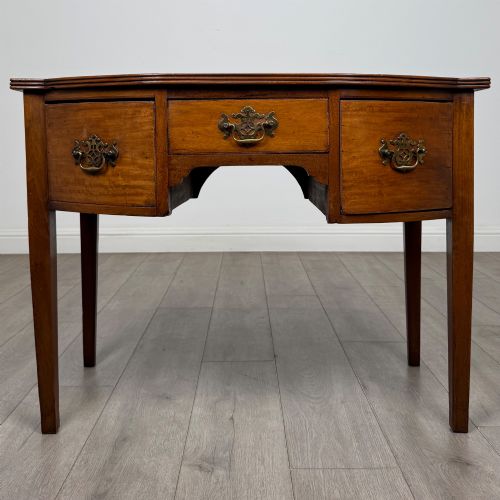
Writing tables often incorporate kneeholes or shallower drawer arrangements to accommodate a chair, whereas lowboys focus on compact storage.
Are these desks suitable for daily laptop use?
Many antique writing tables and side desks provide adequate surface area for modern laptops and writing materials. However, their internal drawer depths and heights vary compared to modern office furniture.
Checking the clearance beneath the drawer frames ensures comfortable seating while preserving the antique structure.