

Brown Wood Shelving
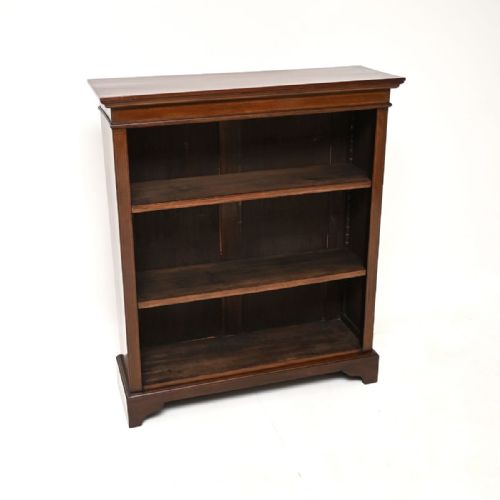
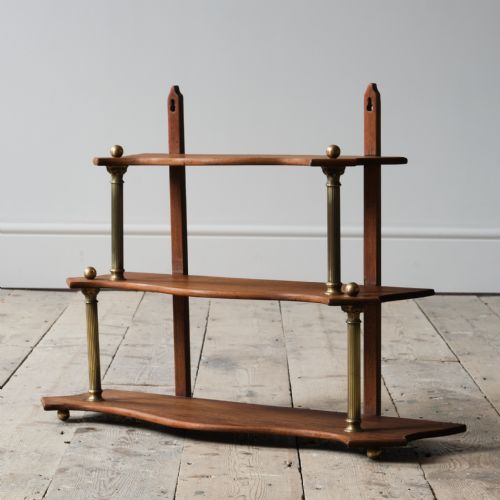
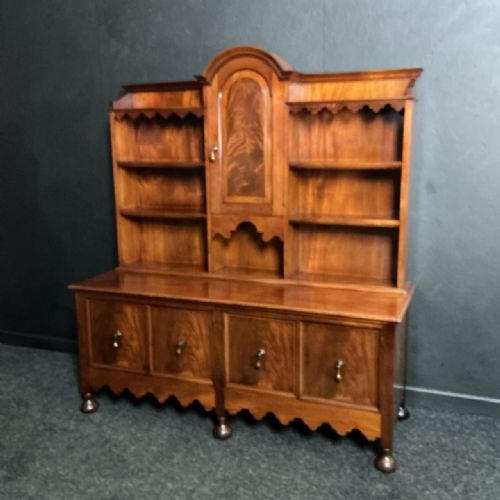
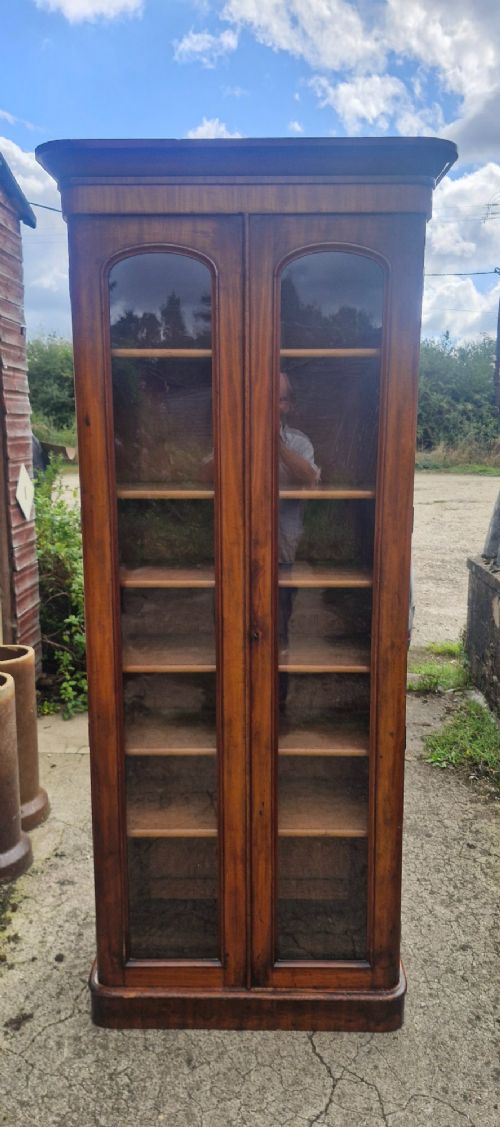
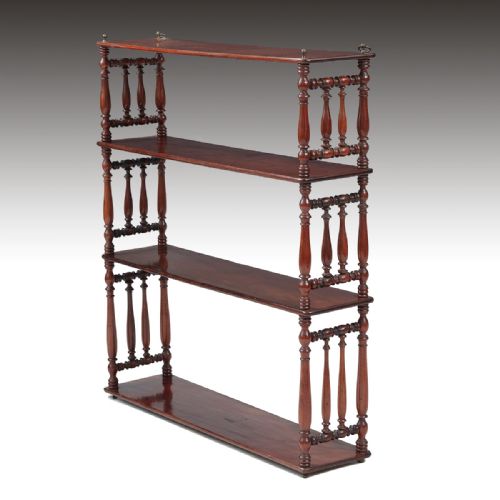
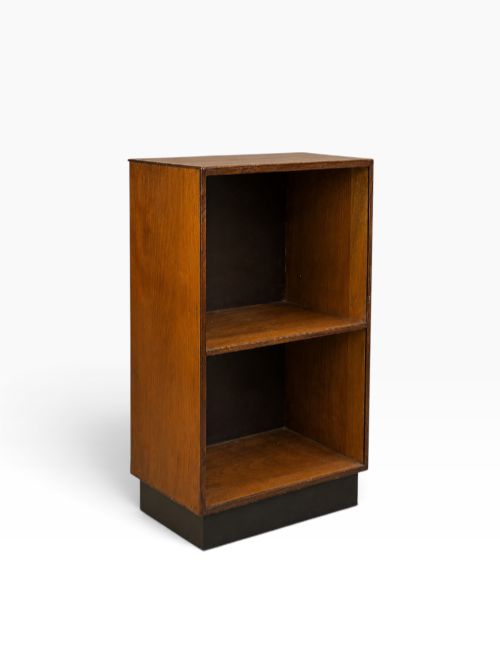
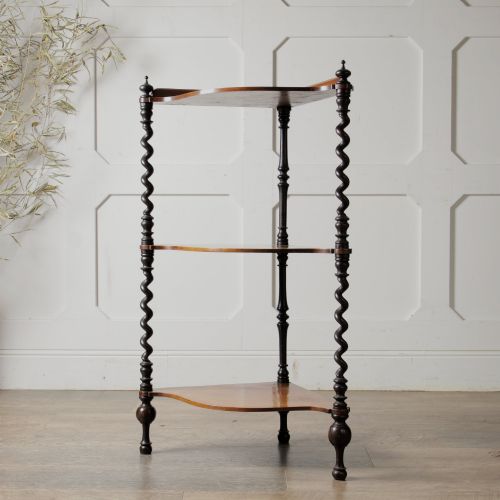
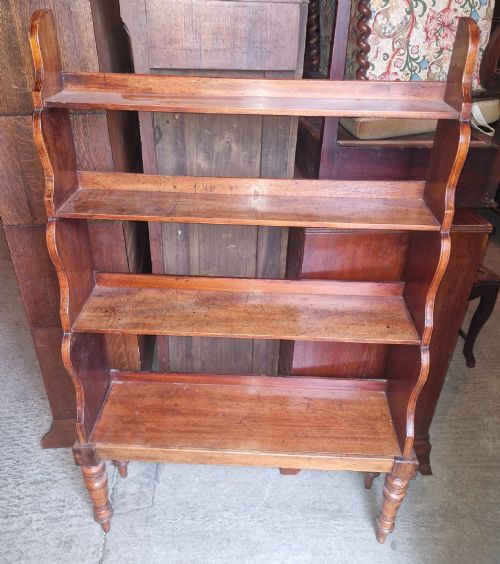
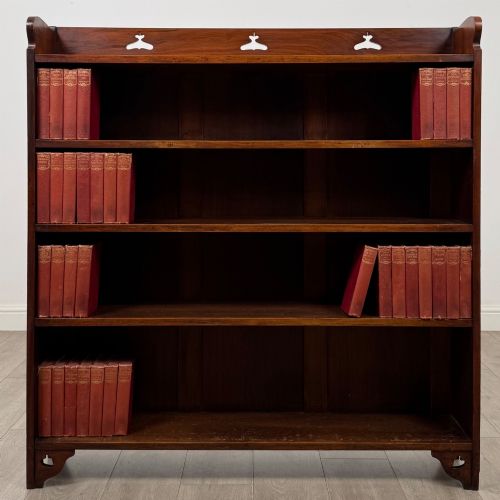
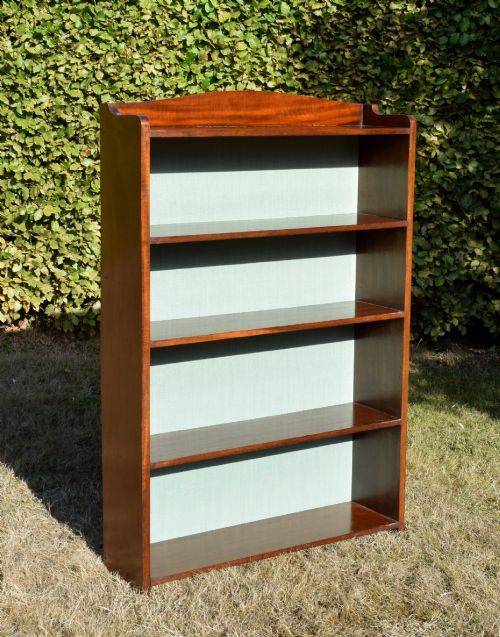
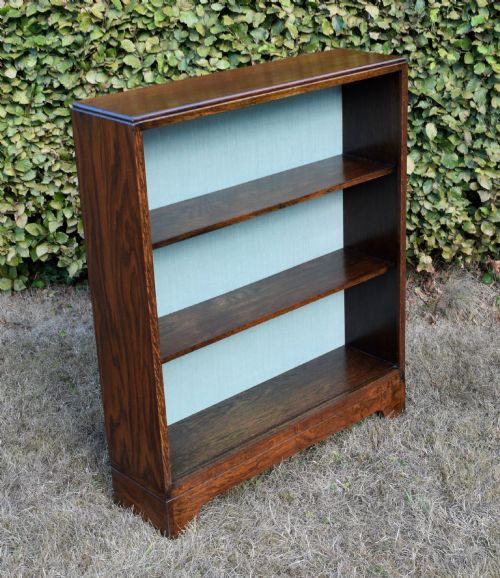
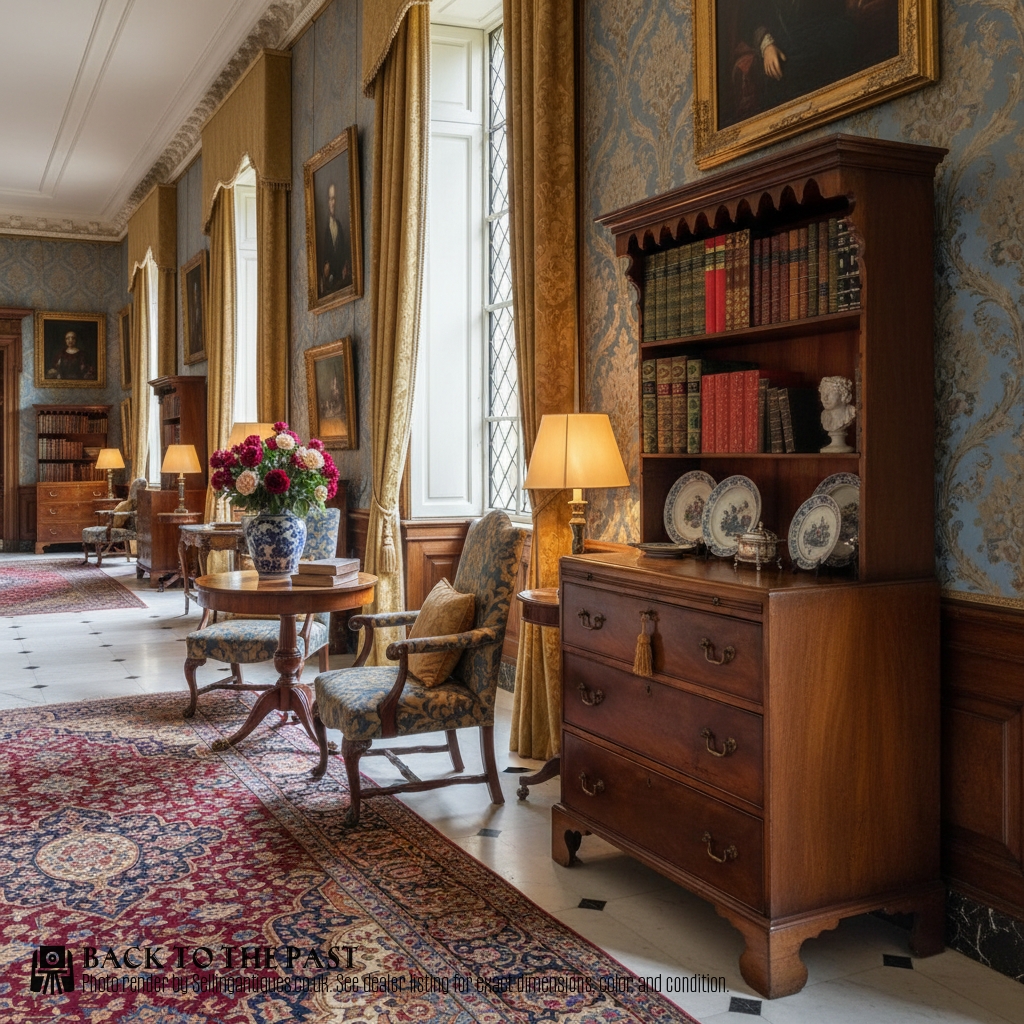
Brown wood shelving comprises open bookcases in mahogany, walnut, oak, and pine from the Georgian, Victorian, Edwardian, and Art Deco periods, offering practical storage for collections.

What brown wood shelving is
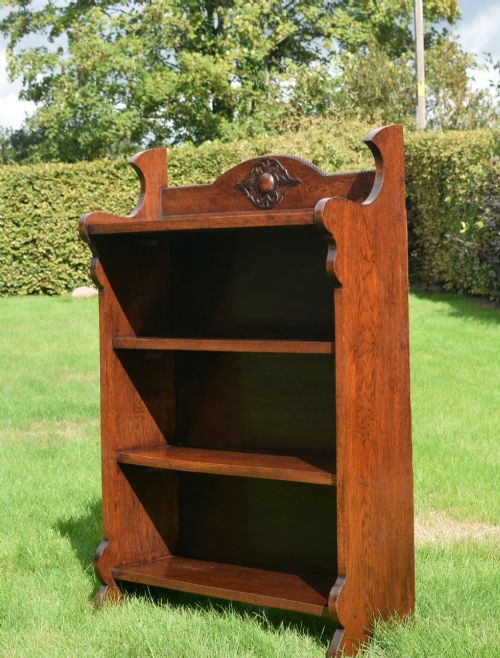
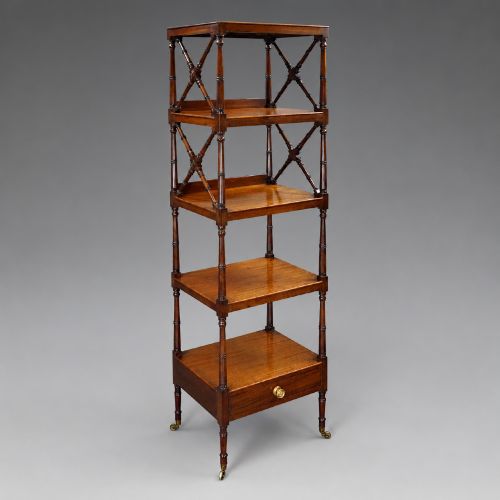
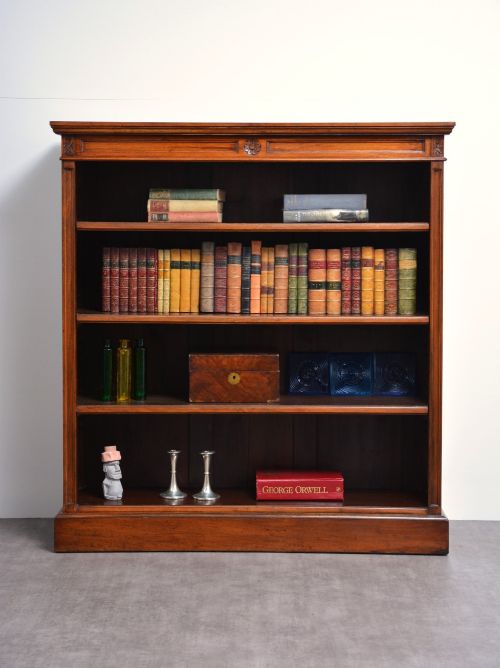
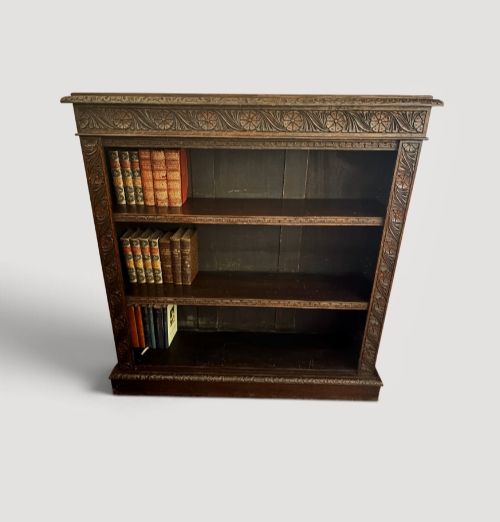
When searching for brown wood shelving, buyers encounter open bookcases that range from Georgian pieces of small proportions to large 19th Century Continental open library bookcases. These items function as adaptable storage for books and display objects across various domestic settings.
The selections available include tall Edwardian open bookcases from around 1900, Victorian walnut examples, and Art Deco mahogany designs. Solid wood construction appears alongside walnut finishes and faux burr walnut treatments.
Makers such as Waring and Gillows are represented among the standing oak open bookcases with adjustable shelves. Pieces span the 19th Century, Victorian era, Edwardian period, and 1930.
How they were made
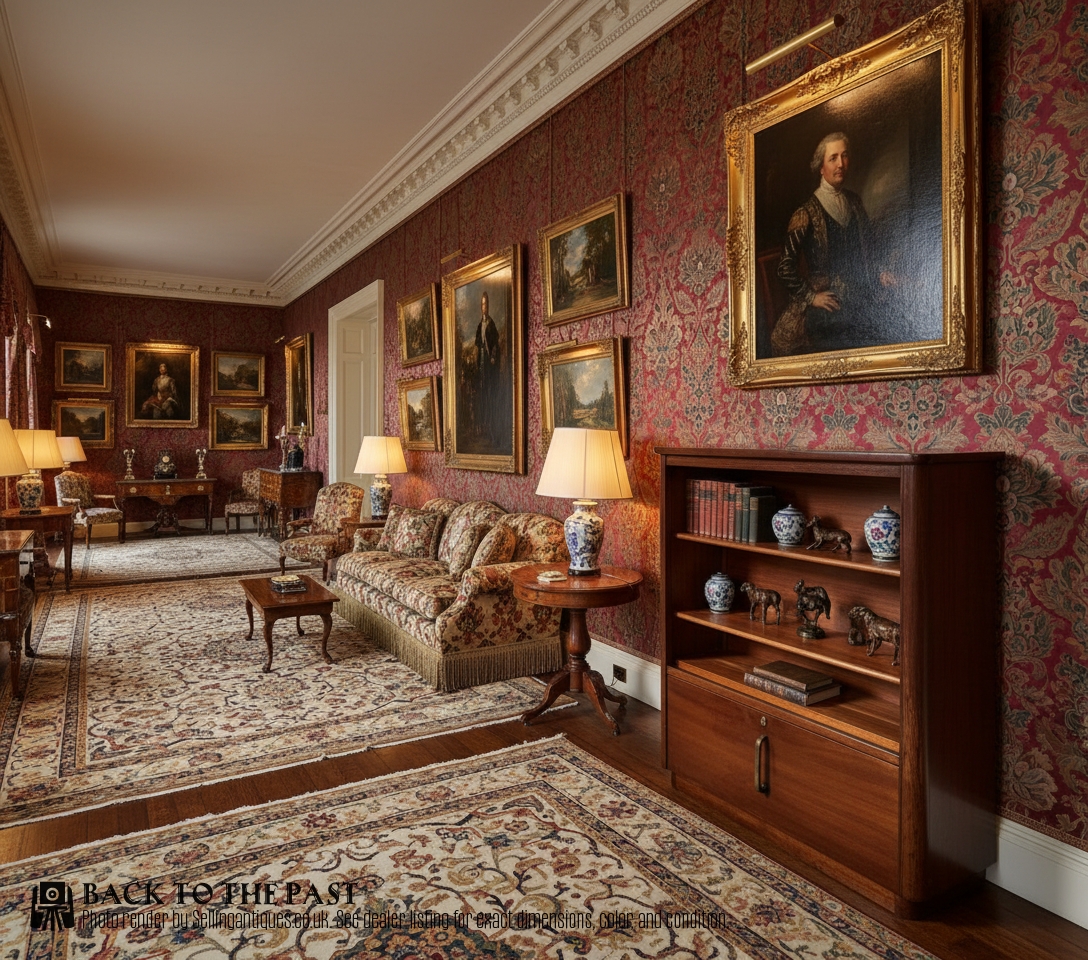
Construction relies on natural timbers including mahogany, walnut, oak, and pine, shaped into solid wood frames and bookcase bodies. Brass components appear in supporting hardware and shelf adjustments.
Surfaces receive decorative treatments such as walnut finishes and faux burr walnut effects. Larger examples feature carved solid wood details executed by hand.
Retail Price Guide 2026
Typical UK retail prices for brown wood shelving, calculated from the Sellingantiques database of over a million retail prices indexed since 2003. This retail price guide relies exclusively on Sellingantiques data; no external sources or auction records are used, so the figures do not describe the wider market.
Listings span five distinct periods: Georgian, Victorian, Edwardian, 19th Century, and 1930.
What varies in quality
Quality differences emerge through the selection of timber, distinguishing simple pine carcasses from fine quality mahogany and figured walnut. Fine examples demonstrate careful timber matching and proportion.
Internal mechanisms such as adjustable shelves indicate higher production standards, providing functional flexibility that simpler fixed configurations lack.
Waring and Gillows
The Brown Wood Shelving Glossary
- Open Bookcase
- A piece of shelving furniture without doors, designed for the direct display and retrieval of books. This form dominates the available selection across all periods.
- Mahogany
- A durable, reddish-brown tropical hardwood favoured for fine cabinetmaking during the Georgian and 19th Century periods. It takes a high polish and resists warping.
- Burr Walnut
- A decorative wood veneer harvested from the burl growths of walnut trees, displaying intricate swirling grain patterns. Faux burr walnut achieves a similar visual effect through painting or staining techniques.
- Adjustable Shelves
- Shelving supported by moveable pins or ratchets, allowing vertical space between shelves to change according to book heights.
Frequently Asked Questions
What periods do these bookcases cover?
The pieces span several eras, including the Georgian period, the 19th Century, the Victorian era, the Edwardian period, and 1930.
Each era contributes distinct proportions and timber choices, from compact Georgian proportions to large Continental library bookcases.
Are the shelves adjustable?
Many of the listed open bookcases feature adjustable shelves designed to accommodate books of varying heights.
Maker examples like those by Waring and Gillows incorporate this functional adaptability into their standing oak designs.
What woods were used?
Makers utilised mahogany, walnut, oak, pine, and solid wood foundations to construct these bookcases.
Some surfaces feature walnut finishes or faux burr walnut decoration rather than solid figured timber.
How do I identify a Victorian piece?
Victorian examples often employ walnut or mahogany and may feature faux burr walnut finishes.
They range from standard open bookcase formats to larger configurations produced during the 19th Century.