




Brown Wood Mantelpiece
A brown wood mantelpiece delivers architectural warmth to a room, offering a solid focal point for hearths across multiple centuries and styles.
Brown Wood Mantelpiece
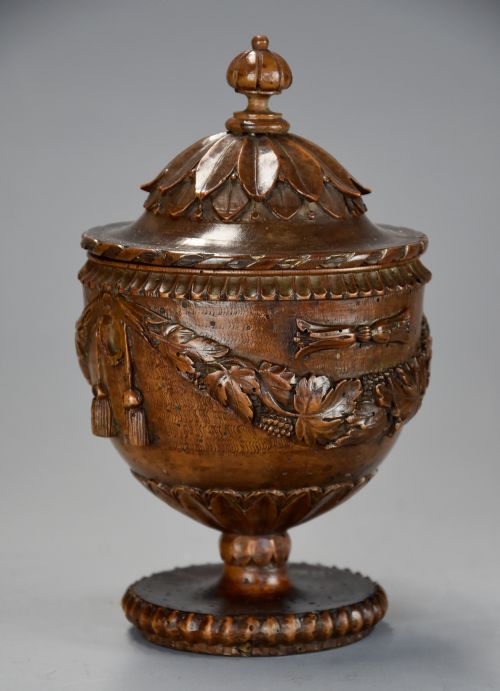
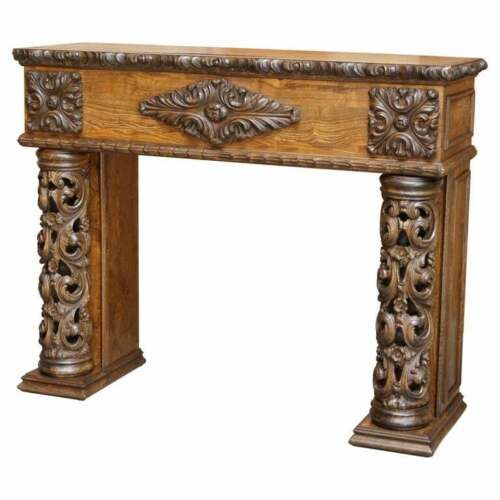
Buyers encounter solid oak and elm fireplace surrounds alongside mahogany and walnut overmantel mirrors, timepieces, and decorative urns. The selection ranges from carved Victorian framing to twentieth-century surrounds and mirrors.
The material palette focuses heavily on dark and rich timbers, demonstrating how craftsmen utilised native and exotic woods to anchor living spaces. Each item provides a tangible link to historical interior design traditions.
Materials and construction
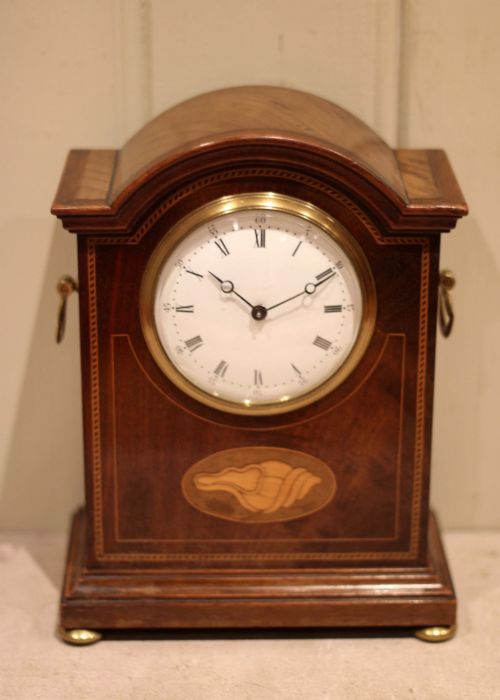
Constructed primarily from mahogany, walnut, oak, elm, and yew, these brown wood pieces rely on the structural stability of dense hardwoods. Craftsmen frequently incorporated satinwood and lemon wood for contrasting stringing and geometric inlay work.
Joinery techniques span hand carving, fretwork, and precise framing to build substantial mirrors and fireplace surrounds. Ormolu mounts and brass detailing occasionally accent the timber framework, introducing metallic contrast to the organic grain.
Listings feature timbers like mahogany, walnut, oak, elm, and yew across the eighteenth, nineteenth, and early twentieth centuries.
Distinguishing quality
The standard of a brown wood mantelpiece or associated mirror rests upon the depth and precision of its carving. Crisp execution in architectural details like egg and dart motifs separates accomplished workshop output from simpler utilitarian items.
Timber selection and the integration of contrasting wood inlays dictate visual refinement. Rich grain patterns and careful matching of veneers elevate the overall presence of the piece within an interior scheme.
W H
The Brown Wood Mantelpiece Glossary
- Overmantel mirror
- A large mirror designed specifically to hang on the wall directly above a fireplace mantelpiece. These pieces often incorporate elaborate mahogany or walnut framing.
- Inlay
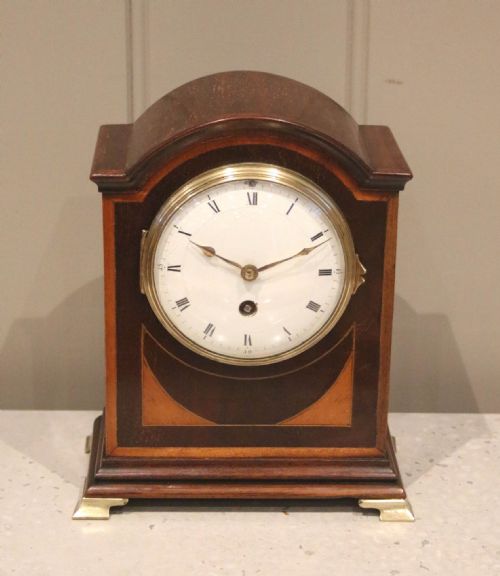
- A decorative technique where pieces of contrasting wood, such as lemon wood or satinwood, are inserted into depressions in the base timber to form patterns. This method adds geometric and tonal complexity to clock cases and surrounds.
- Fretwork
- Ornamental design executed by cutting patterns through solid wood, frequently seen in architectural columns and decorative panels. It provides a lighter visual texture to heavy timber structures.
- Ormolu
- Gilded bronze applied as a mount or decorative accent on wooden clock cases and furniture. The technique enhances the contrast against dark woods like rosewood and mahogany.
- Bracket clock
- A portable household clock, traditionally placed on a bracket or shelf, often housed in a refined mahogany case. Many examples utilise specialised mechanical movements.
Brown Wood Mantelpiece: Frequently Asked Questions
How do I style an overmantel mirror?
An overmantel mirror hangs directly above a fireplace to reflect light and expand the visual proportions of a room. Pairing a walnut or mahogany framed mirror with matching timber surrounds creates visual continuity.
Ensure the scale of the mirror complements the width of the mantel shelf beneath it for a balanced interior arrangement.
What woods were used in these pieces?
Cabinetmakers utilised dense hardwoods including mahogany, walnut, oak, elm, and yew for their structural integrity and rich natural colour. Lighter woods like satinwood and lemon wood provided contrast for fine inlay work.
Brass and ormolu mounts were occasionally added to complement the dark timber tones.
How do I date a wooden surround?
Dating relies on observing the prevailing architectural styles, such as neoclassical carving, Victorian egg and dart motifs, or later art deco geometry. Construction methods and wood choices also indicate the likely period of manufacture.
Comparing the decorative details to documented historical examples clarifies the age of the piece.