



Brown Wood Looking Glass
A brown wood looking glass brings warmth and historic craftsmanship to a room, offering functional reflection through centuries of cabinetmaking tradition.
Brown Wood Looking Glass
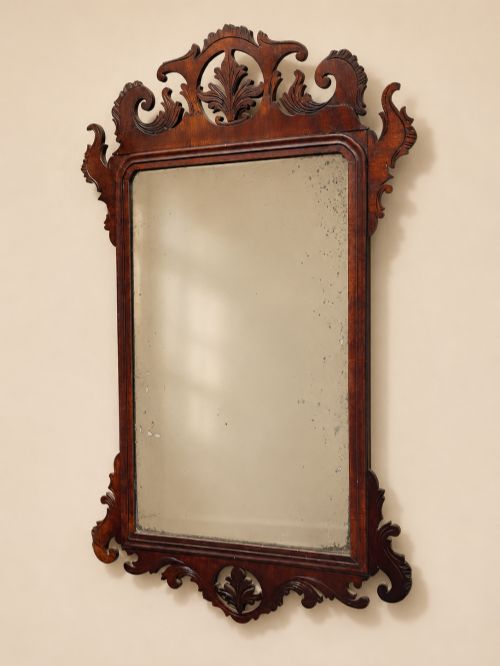
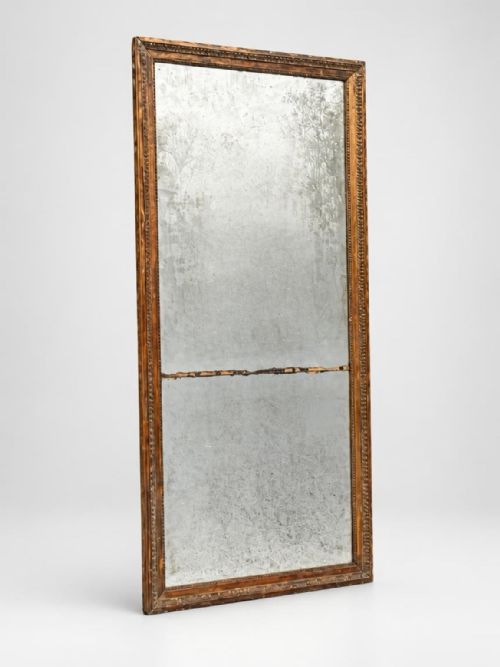
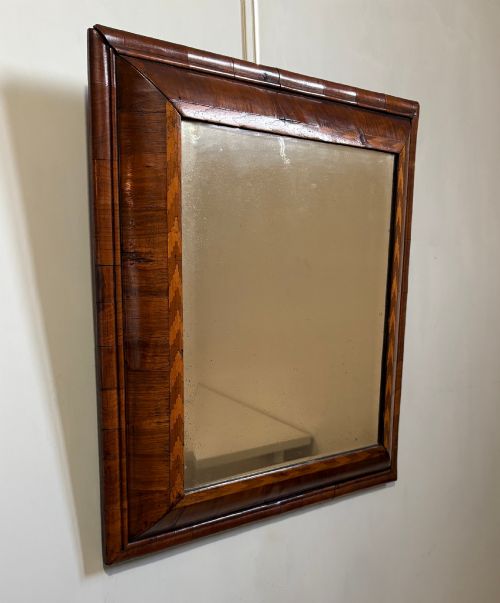
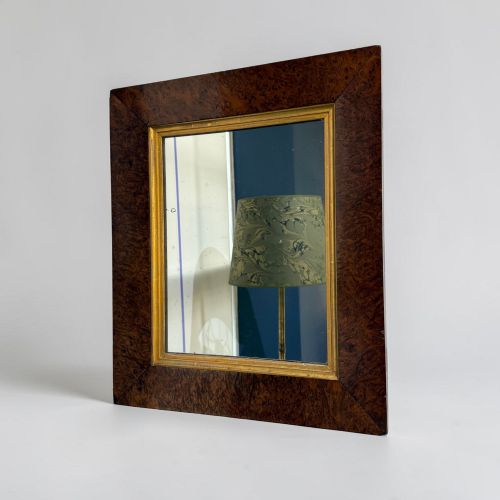
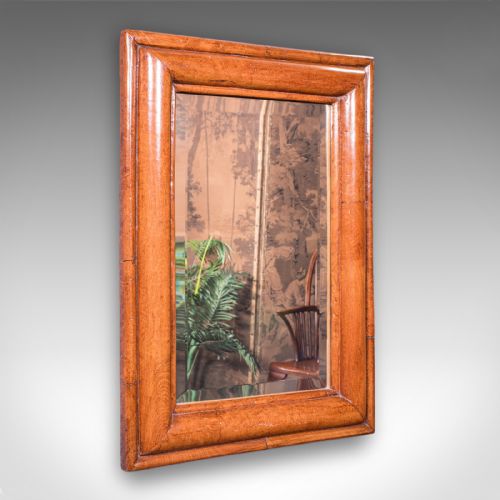
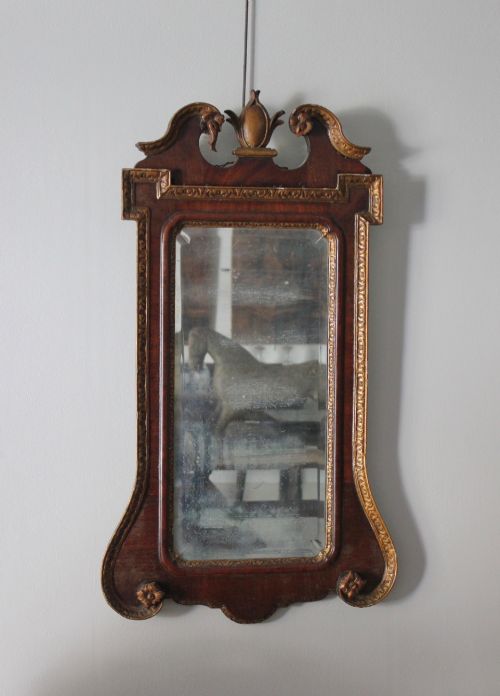
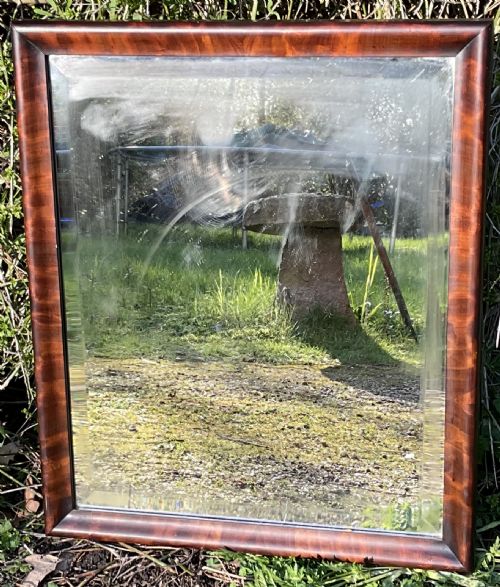
A brown wood looking glass refers to wall-hung mirrors framed in timber such as oak, walnut, and mahogany, spanning periods from William and Mary through the Edwardian era. These pieces function primarily as wall mirrors designed for reception halls, living spaces, and parlours, utilising natural timber grains for visual depth.
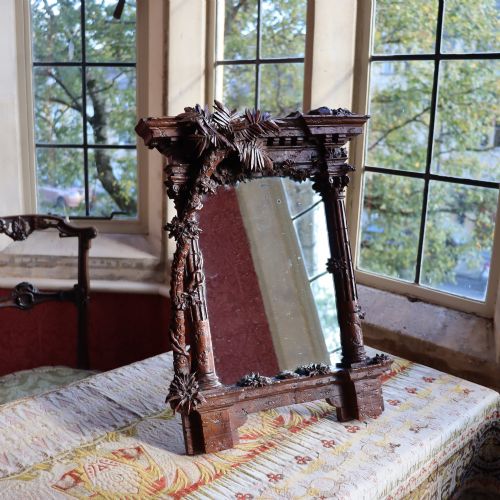
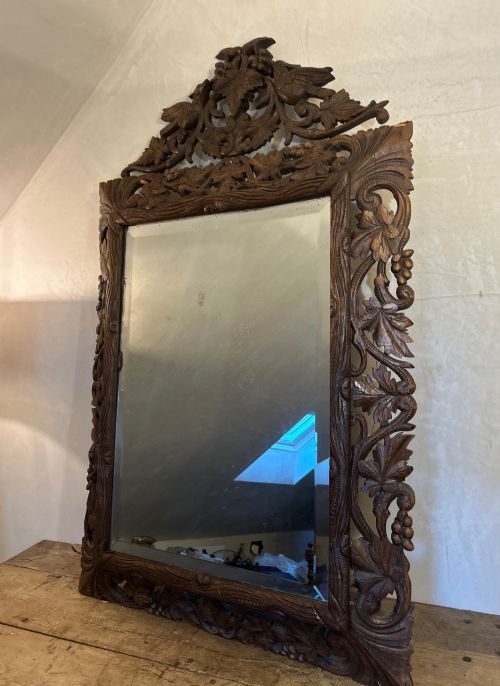
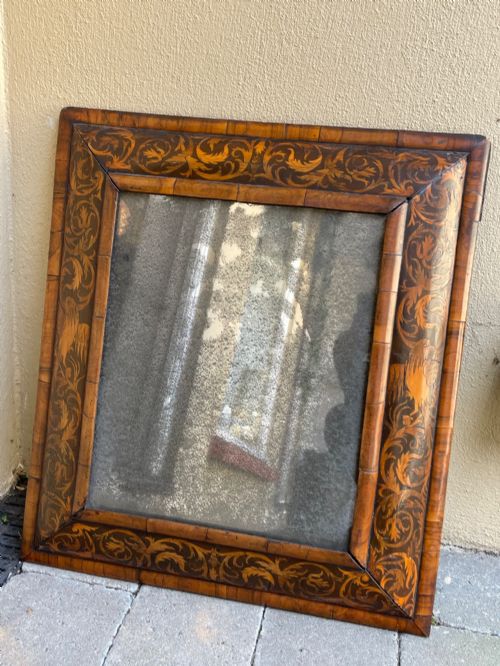
The versions most commonly met on this page include walnut and oak frames, ranging from early eighteenth-century cushion designs to late nineteenth-century carved variants. Makers often employed figured veneers or solid timber construction, occasionally adding parcel gilding or gesso to highlight specific decorative motifs.
How these mirrors were constructed
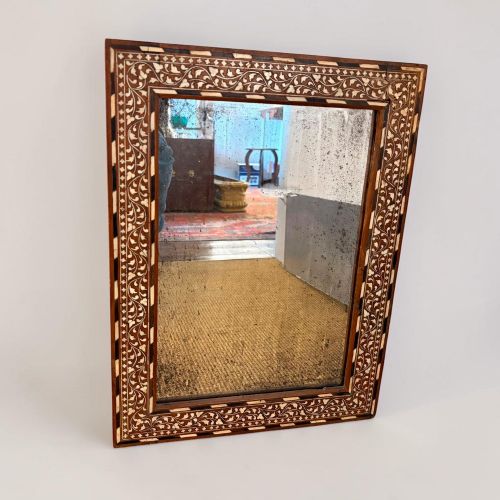
Frames are constructed from hardwoods like walnut, oak, and mahogany, frequently shaped with hand-carving or fretwork techniques. Marquetry inlay and parcel gilding appear on select pieces, adding textural contrast to the brown timber surfaces.
Glass plates are set within rebated wooden frames, sometimes featuring bevelled edges that catch the light. Joinery methods reflect the period of origin, utilising pegged joints in earlier oak pieces and fine mitres in later walnut and mahogany examples.
Brown Wood Looking Glass Retail Price Guide 2026
Typical asking prices for brown wood looking glass among the pieces listed under this phrase on Sellingantiques today, from the lower quarter to the upper quarter. They describe what is for sale here now, not the wider market.
Listings feature wall mirrors spanning from 1700 through the Edwardian era, constructed in oak, walnut, and mahogany.
What separates the finest examples
Quality rests in the selection of the timber and the crispness of the hand-carved or inlaid details. Highly figured veneers, such as burr walnut, indicate superior material choice by the original cabinetmaker.
The integrity of the frame construction and the preservation of original surfaces dictate desirability. Pieces retaining their early glass plates and uncompromised timber patination stand at the upper end of the range.
The Brown Wood Looking Glass Glossary
- Parcel Gilt
- Woodwork partially decorated with thin leaf gold. This technique highlights carved details against the dark brown timber background.
- Fretwork
- Thin wood pierced with ornamental patterns using a fretsaw. It appears frequently on eighteenth and nineteenth-century mirror frames.
- Marquetry
- The art of applying pieces of veneer to a structure to form decorative patterns. Craftsmen utilised different wood tones to create elaborate geometric or floral designs.
- Cushion Mirror
- A frame style with a rounded, swelling profile resembling a cushion. This form is particularly characteristic of the William and Mary period.
- Gesso
- A plaster-like material applied to wood as a base for gilding or painting. It allows for sharp, moulded ornamentation on the frame.
Brown Wood Looking Glass: Frequently Asked Questions
How do I date a wooden mirror?
Dating relies on observing the construction methods, timber choices, and decorative styles visible in the frame. Characteristics like cushion moulding or marquetry inlay point towards specific seventeenth and eighteenth-century traditions.
Secondary indicators include the backboards, fixings, and the manufacturing traits of the glass plate itself. Comparing these elements against known period styles helps establish an accurate timeline.
Where should I hang a heavy wooden mirror?
Heavy wall mirrors require secure fixing directly into solid masonry or substantial wall studs using appropriate weight-bearing brackets. Placing them above a fireplace mantel or in a reception hall provides both structural support and a traditional focal point.
Ensure the hanging wire or integrated brackets on the reverse match the weight of the timber frame and glass. Professional installation is advisable for larger antique pieces.
How do I care for antique wood frames?
Maintain the timber by dusting gently with a dry, soft cloth and avoiding silicone-based polishes that build up over time. Natural wax applied sparingly helps preserve the moisture and patination of old walnut, oak, and mahogany.
Keep the mirrors away from direct sunlight and damp environments to prevent the wood from warping and the silvering on the glass from deteriorating. Stable indoor temperatures protect both the frame and the joinery.
Are the mirror plates original?
Many antique mirrors retain their original glass plates, which often display subtle imperfections, minor foxing, or slight distortion. These natural signs of age confirm the historic nature of the piece. N ew replacement glass is sometimes fitted during the lifespan of a mirror when the original plate has suffered irreparable damage. Examining the mounting behind the frame reveals whether the glass has been changed.