


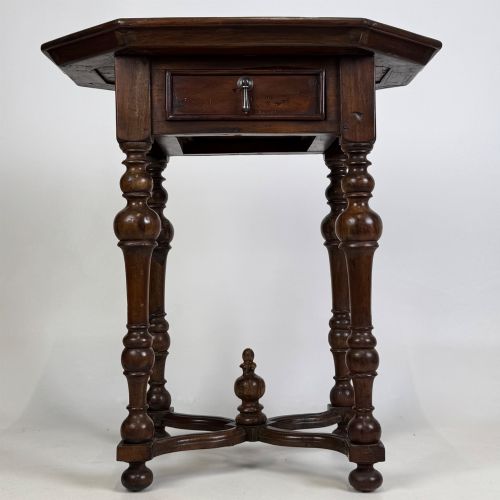
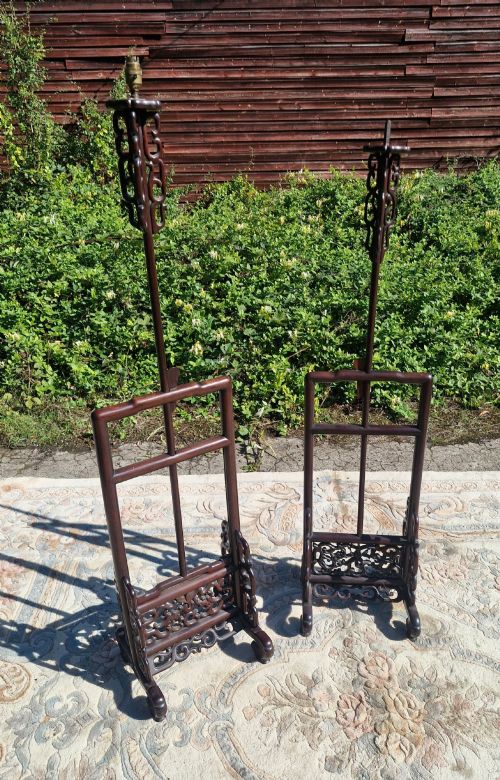
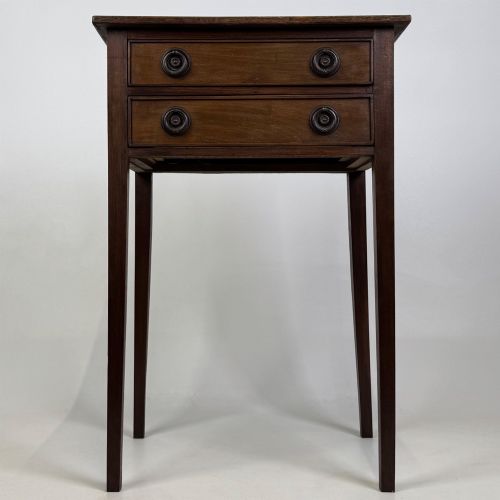
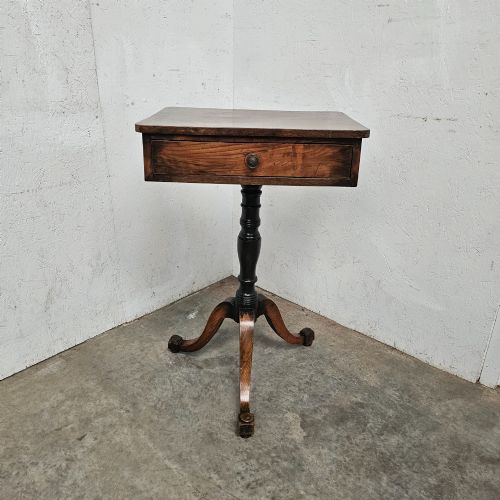
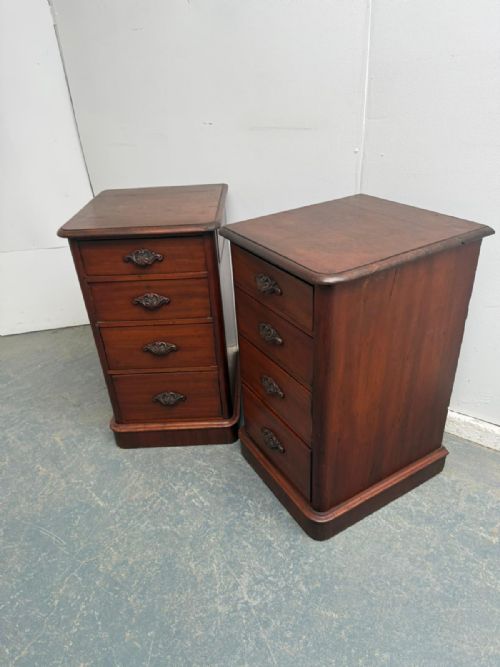
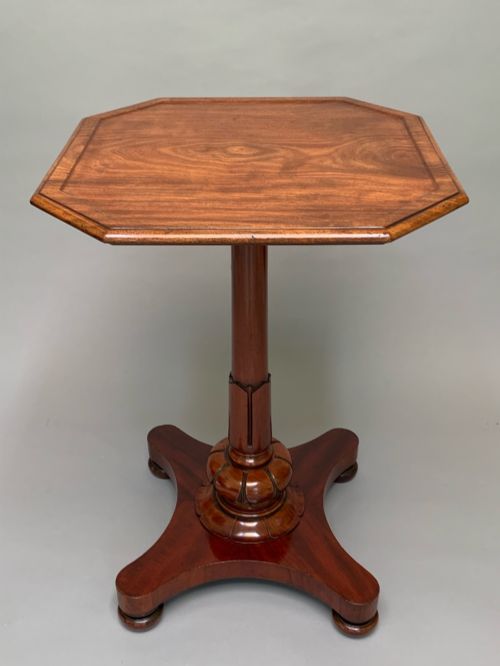
Brown Wood Lamp
When you want a brown wood lamp, you are looking for a practical lighting stand shaped from timber such as mahogany, oak or walnut.
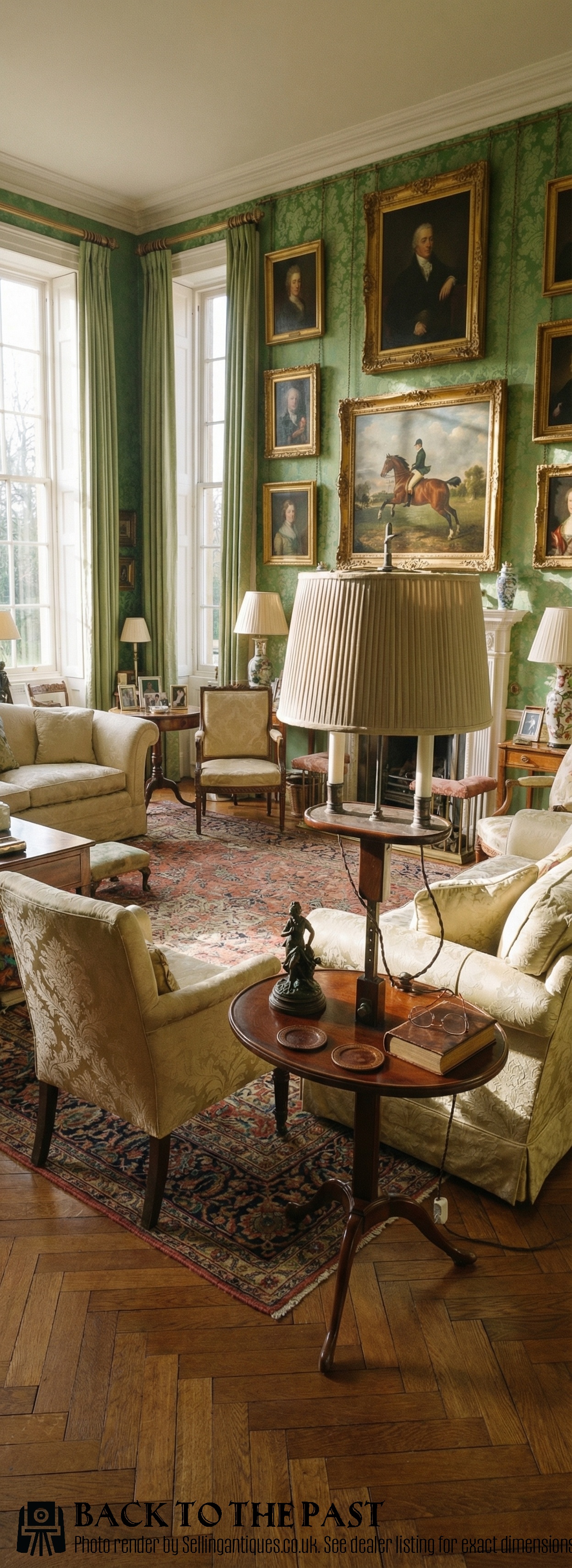
Brown Wood Lamp
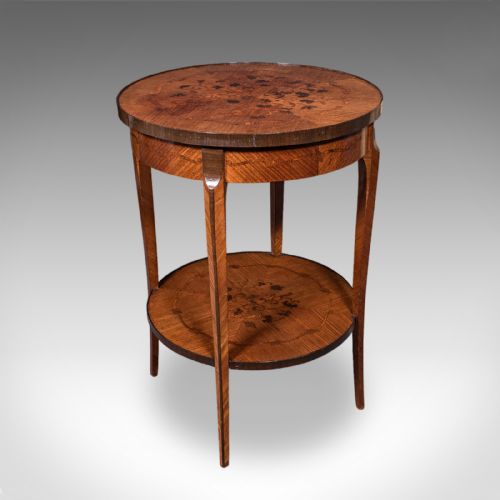
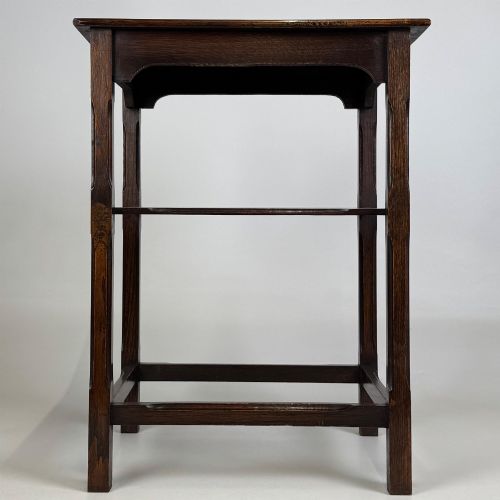
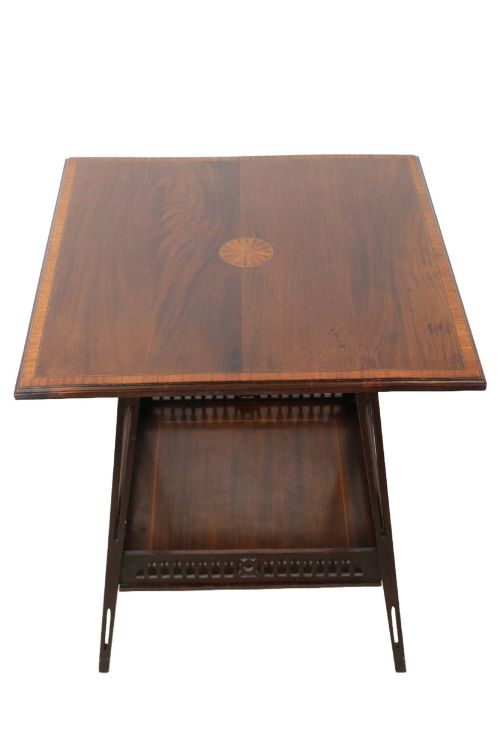
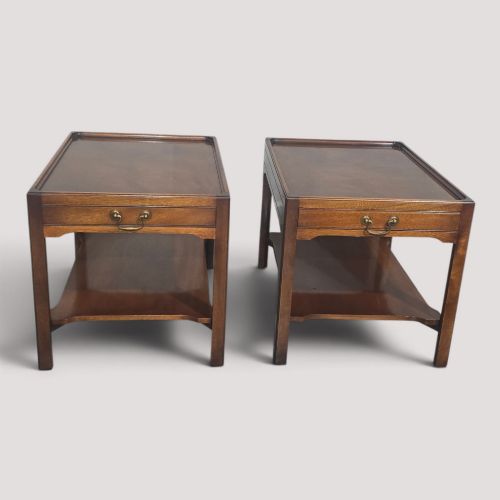
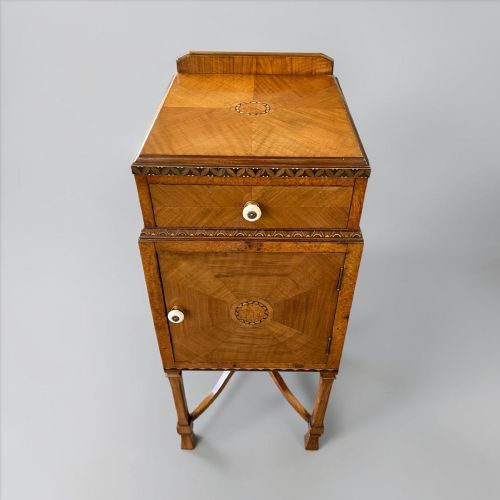
A brown wood lamp selection brings together domestic lighting stands and the small supporting furniture items that carry them, such as side tables and occasional tables. Buyers searching this phrase will find pieces spanning several eras, from the Georgian and Victorian periods into the Edwardian age and the nineteen-twenties and thirties.
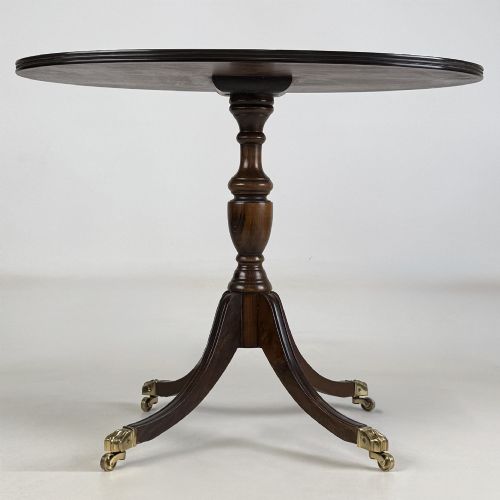
The assortment relies heavily on forms originally built for other domestic duties, adapted over time to hold table lamps and floor lamps. Side tables, bedside cabinets and occasional tables in oak, mahogany and walnut dominate the offerings, alongside dedicated lamp standards.
How they were made
Cabinet makers utilised a range of solid timbers and applied veneers, selecting oak, mahogany, walnut, satinwood and elm for their durability and grain. Structural strength often depended on traditional joinery methods, supplemented by brass fixings and decorative turnings.
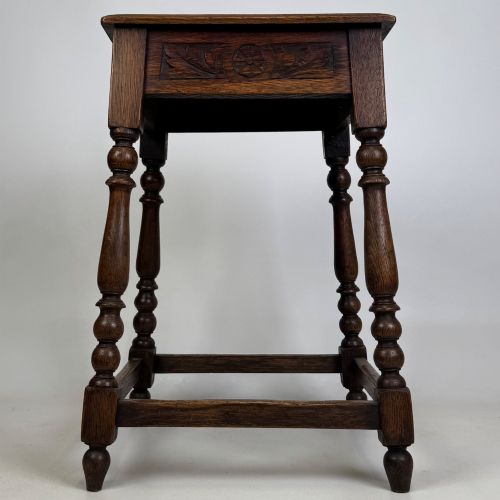
Surface treatments included wax polishing and marquetry inlay, while specific revivals brought back styles like Jacobean carving and Regency reinterpretation. Carved details, bobbin legs and brass adjustments appear on pieces ranging from cricket tables to standard lamps.
Materials recorded on this site include mahogany, brass, oak, walnut, satinwood, hardwood, veneer and general wood.
What varies in quality
Quality rests upon the selection of timber and the precision of the cabinet work, particularly in the joining of legs to tops and the execution of carved or inlaid details. Pieces showing deliberate timber selection, such as figured walnut or burr oak, stand apart from simpler utilitarian items.
Trevor Page & Co·Gillows
The Brown Wood Lamp Glossary
- Cricket table
- A small, three-legged table originating in the eighteenth century, traditionally built with a round wooden top and sturdy pegged legs for stability on uneven floors.
- Marquetry
- The art of forming decorative patterns on wooden furniture by applying thin pieces of veneer in contrasting timbers or materials.
- Occasional table
- A small, movable table designed for light domestic use, frequently utilised beside seating to hold lamps and books.
- Bobbin leg
- A turned furniture leg shaped to resemble a series of wooden bobbins or reels stacked end to end, popular in seventeenth-century and later revival pieces.
- Tray top
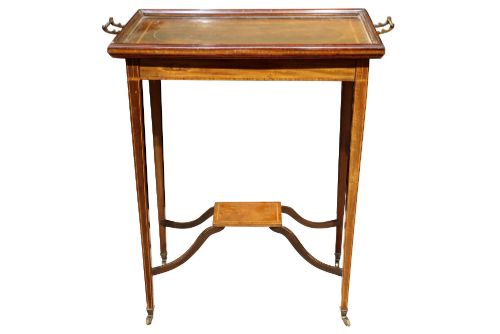
- A table top finished with a raised rim or edge, designed to prevent items from sliding off the surface.
Brown Wood Lamp: Frequently Asked Questions
What periods do these lamps and tables come from?
The pieces span multiple eras, including Georgian, Victorian, Edwardian and early twentieth-century decades up to nineteen thirty. Each period brings distinct characteristics in timber choice and decorative style.
Craftsmen across these generations utilised materials like mahogany, oak and walnut, applying techniques ranging from simple turning to intricate marquetry inlay.
How do I choose between a table and a standard lamp?
Table lamps require a suitable supporting surface such as a side table, occasional table or bedside cabinet to hold them at the correct height for reading or illumination.
Floor lamps, or lamp standards, stand directly on the floor as independent units and often include adjustable mechanisms to direct the light.
Which woods are most common?
Mahogany and oak appear most frequently across the listed items, offering robust construction and rich natural grain patterns. Walnut, elm, satinwood and general hardwoods also feature in various tables and stands.
Cabinet makers often enhanced these timbers using veneers, burr figures or contrasting inlay work to add visual depth.
How do I care for wooden lamp tables?
Maintain the finish by dusting regularly with a soft, dry cloth and applying a traditional beeswax polish periodically to nourish the timber. Avoid placing wooden items in direct sunlight or near heat sources to prevent the wood from drying out.
Check joints and fixings gently over time to ensure stability, particularly on pieces with slender legs or adjustable components.