
Brown Wood Hat Rack
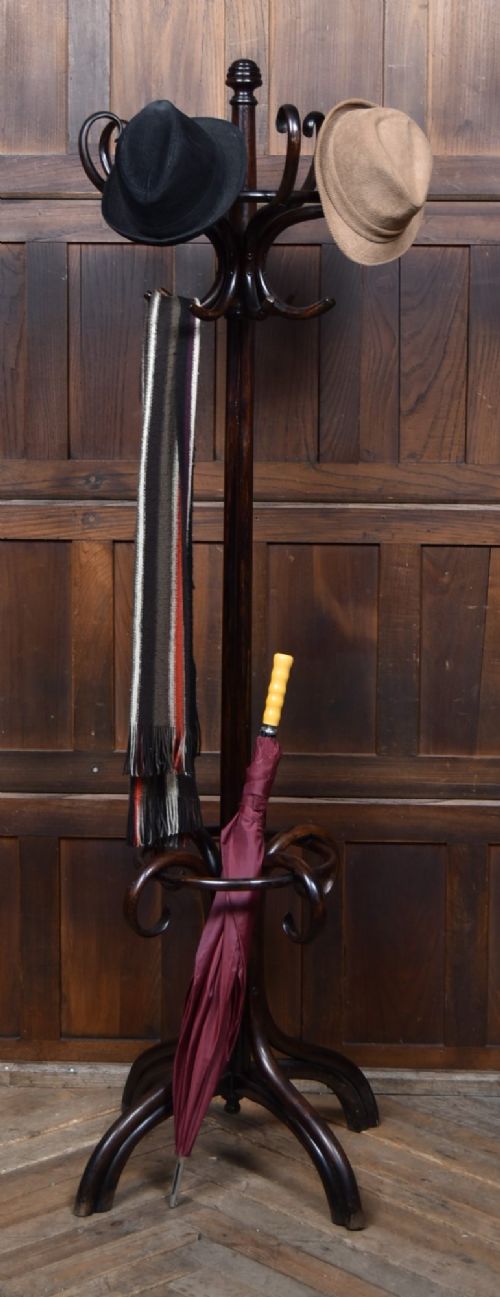
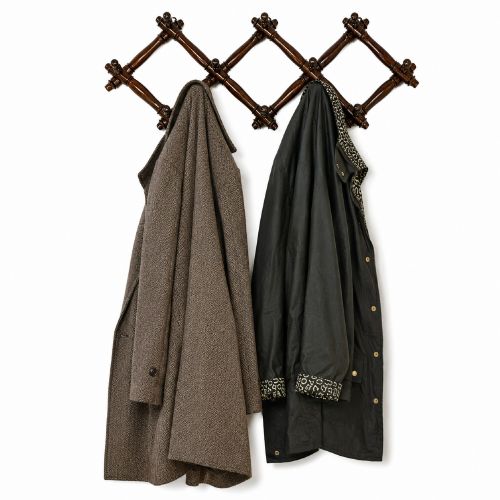
A brown wood hat rack gathers coats and hats in a hallway, combining utility with carved detail.
Brown Wood Hat Rack
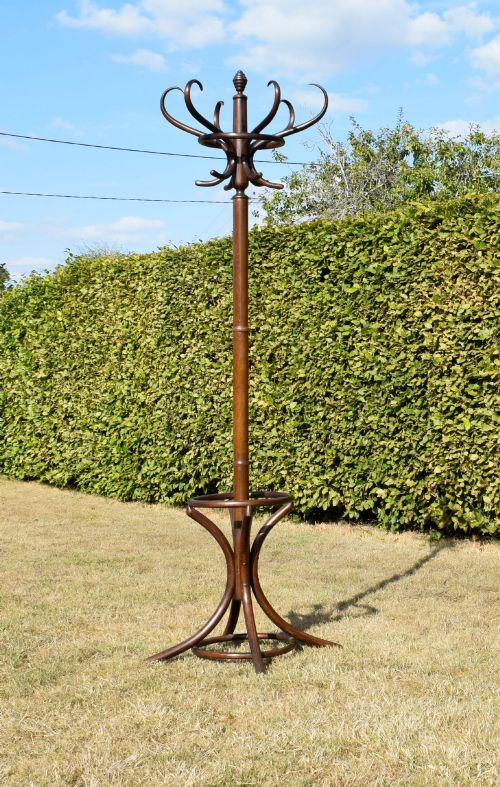
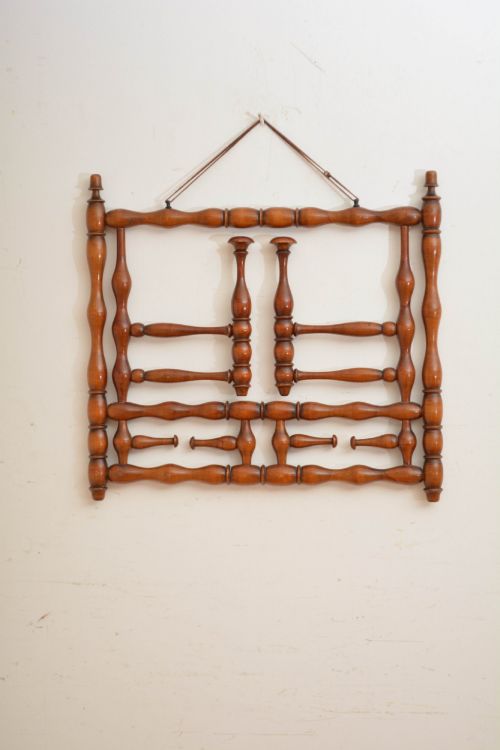
A brown wood hat rack serves as a practical piece of hallway furniture designed to hold coats, hats, and umbrellas. When searching this phrase, a buyer encounters freestanding floor models as well as wall-mounted versions.
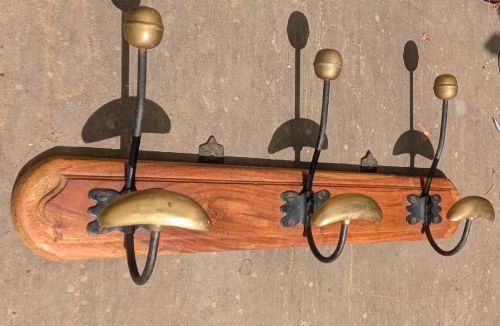
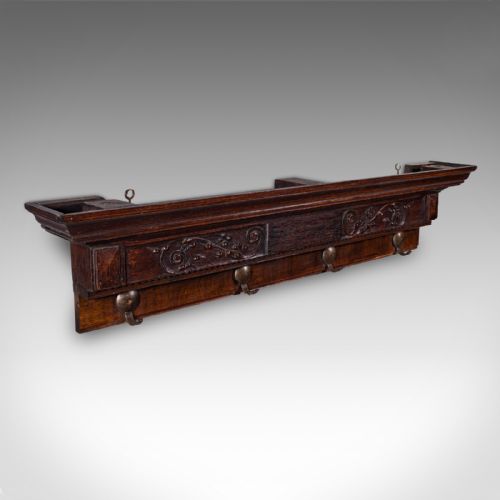
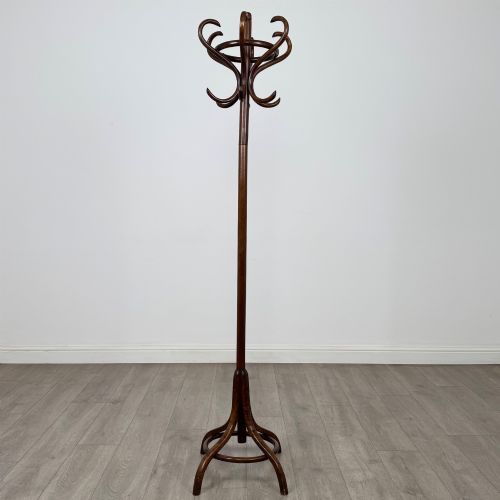
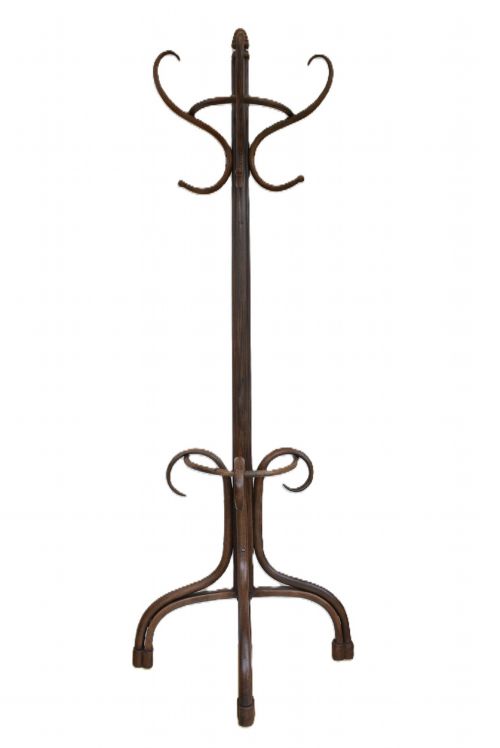
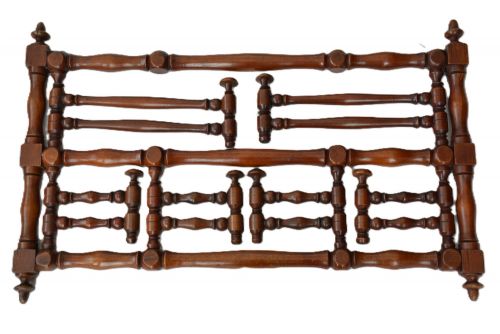
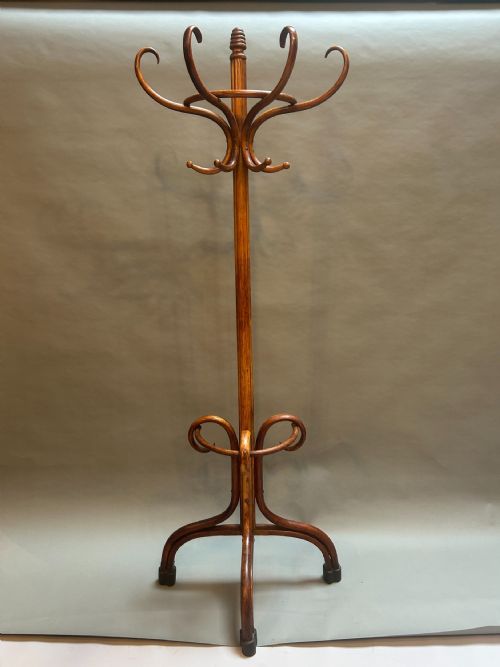
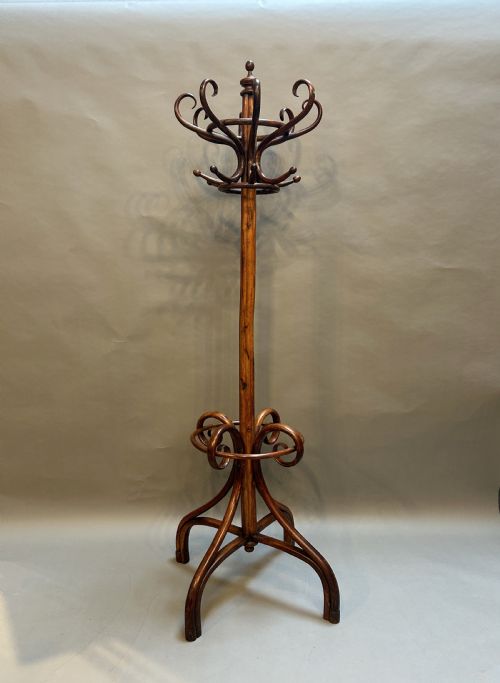
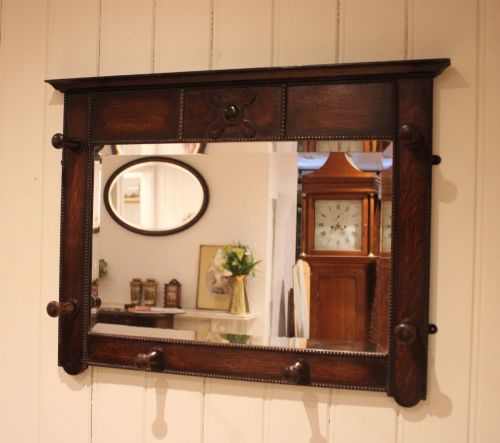
The selections on this page span the nineteenth century through the early twentieth century. Common forms include tall bentwood stands, wall-mounted racks with hooks, and substantial hall stands featuring mirrors and umbrella wells.
Regional variations appear across the collection, ranging from English oak and mahogany designs to Austrian bentwood and Swiss or South German Black Forest carvings. Freestanding beech bentwood stands dominate the available pieces.
Materials and construction
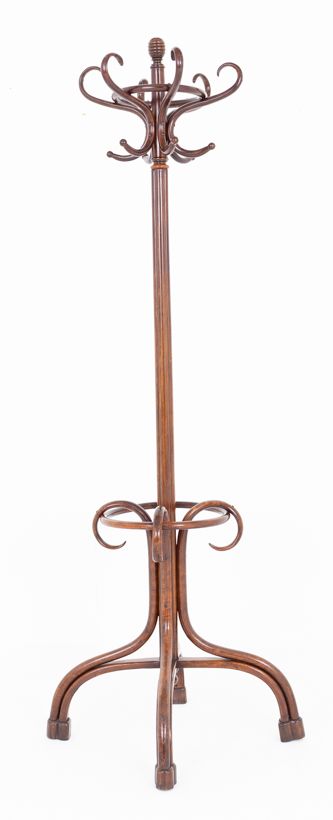
Construction relies heavily on solid woods such as beech, oak, walnut, and mahogany, shaped through traditional joinery or steam-bending. Bentwood pieces utilise steamed beech to create curved frames and circular double tops.
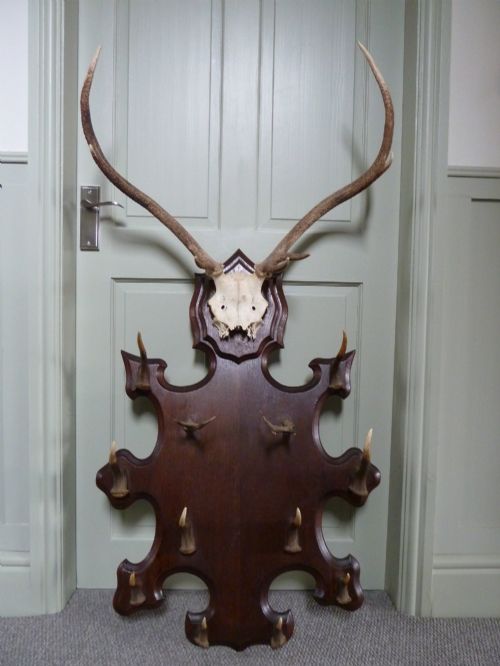
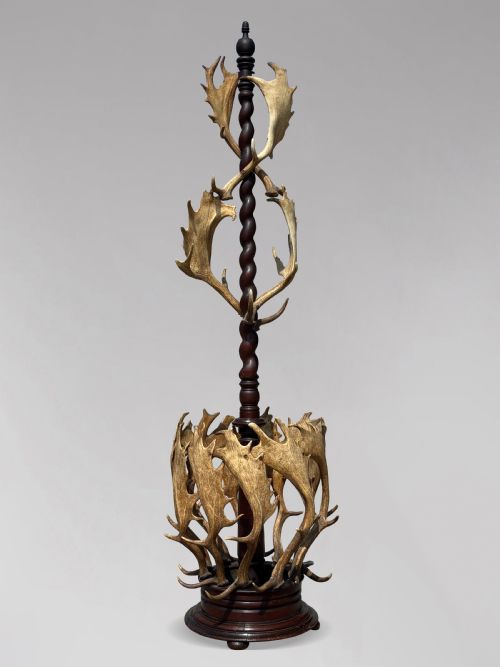
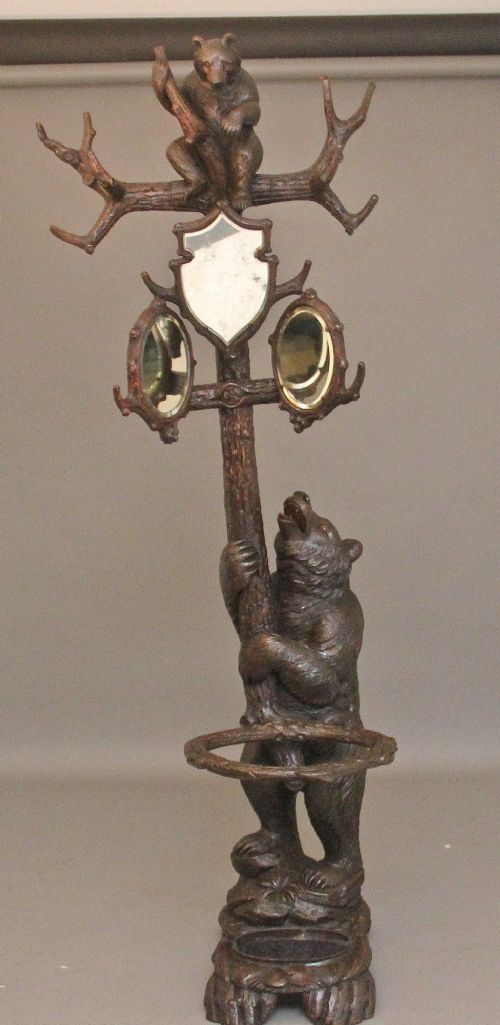
Carved examples employ linden wood and other timbers to render naturalistic details like bears, deer antlers, and stags' heads. Metal brass hooks, glass components, and mirrors integrate into the wooden frames of hall stands and wall racks.
The selection includes Swiss and South German Black Forest pieces incorporating carved bears, chamois goats' heads, and real deer antlers.
Assessing quality and craftsmanship
Structural integrity governs freestanding bentwood stands, where the rigidity of the steam-bent frame and the stability of the base dictate longevity. Original fittings, intact mirror plates, and securely fixed metal hooks elevate the standing of a piece.
Thonet·J Parker of Woodstock
The Brown Wood Hat Rack Glossary
- Bentwood
- Furniture formed by steaming wood until pliable and bending it into curved shapes. This technique defines many of the tall hat stands found on this page.
- Black Forest
- Carved wooden items originating from Switzerland and Germany, typically featuring animals like bears and stags. These pieces often incorporate natural horns and antlers.
- Hall Stand
- A large piece of hall furniture combining a coat rack, hat hooks, umbrella stands, and frequently a central mirror. Walnut, oak, and mahogany appear often in this category.
- Demi Lune
- A half-moon or semicircular shape. Racks and stands with this profile sit flat against a wall.
- Greenman
- A sculptural architectural ornament depicting a face carved from leaves and vines. This motif appears on Victorian carved oak hall stands.
Brown Wood Hat Rack: Frequently Asked Questions
Where should I place a hat rack?
These pieces suit entrance halls, boot rooms, and corridors where outerwear accumulates daily. Freestanding stands require adequate floor space and clearance for coats.
Wall-mounted racks fit narrower passages and smaller entryways, fixing directly to wall studs or masonry. Positioning depends on ceiling height and the reach needed for hats placed on top tiers.
How do I care for wooden hat racks?
Dust wooden surfaces regularly with a soft cloth and apply occasional wax to nourish the timber. Avoid placing items near direct heat sources that might dry out the wood.
Check wall fixings on hanging racks periodically to ensure they remain secure under the weight of heavy winter coats. Bentwood stands benefit from stable room humidity to prevent joint loosening.
What is the difference between bentwood and carved stands?
Bentwood stands utilise steam-bent beech wood to create lightweight, curved frames with looped umbrella rings and double top tiers. They offer an open, flowing silhouette.
Carved stands rely on solid oak, walnut, or linden wood featuring detailed ornamentation like animal figures, columns, and panels. These pieces present a heavier, more architectural presence.
How do I date a Victorian hall stand?
Victorian pieces often feature darker woods like walnut and oak, accompanied by deep hand-carvings and integrated mirror plates. Construction techniques often include hand-cut dovetails and pegged joints.
Later Edwardian and 1920s examples lean towards lighter oak, simpler lines, or standardised bentwood production methods. The presence of specific maker stamps or patent marks can further narrow the timeline.