


Carved Oak Coat Hooks
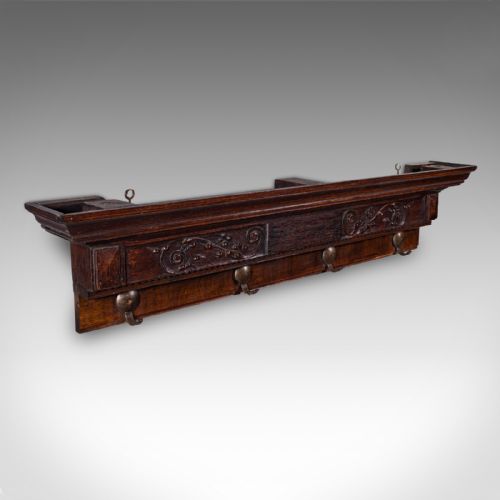
These carved oak coat hooks bring rustic utility and enduring craftsmanship to an entryway, offering a practical anchor for daily comings and goings.
Carved Oak Coat Hooks
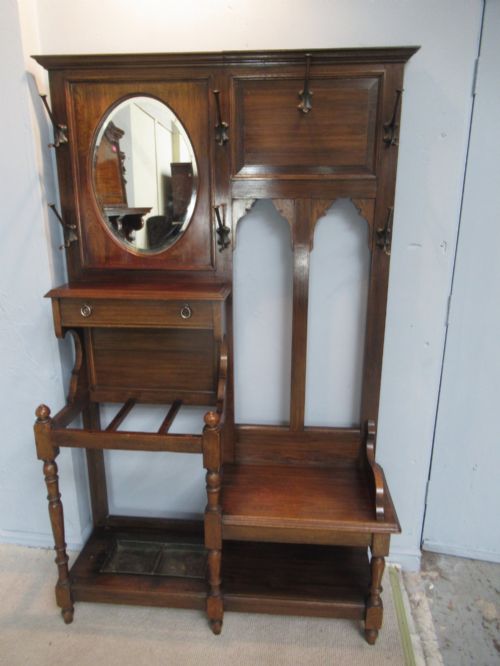
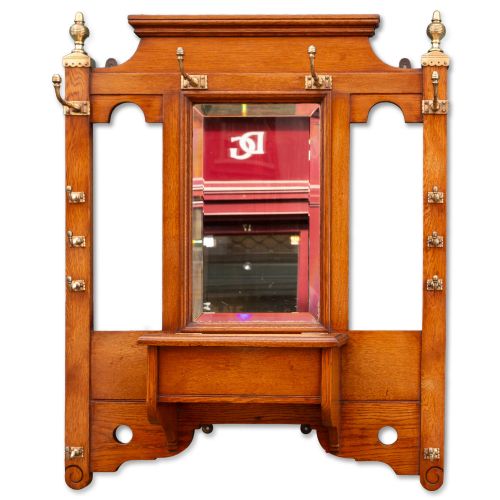
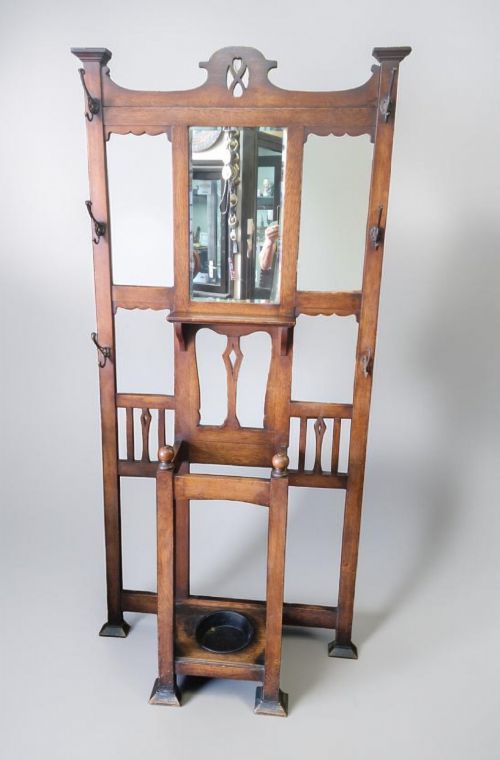
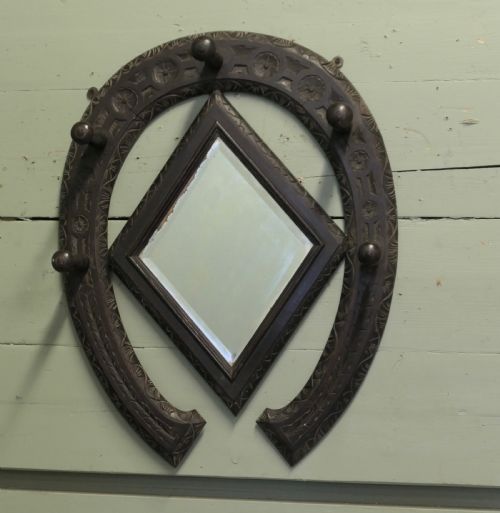
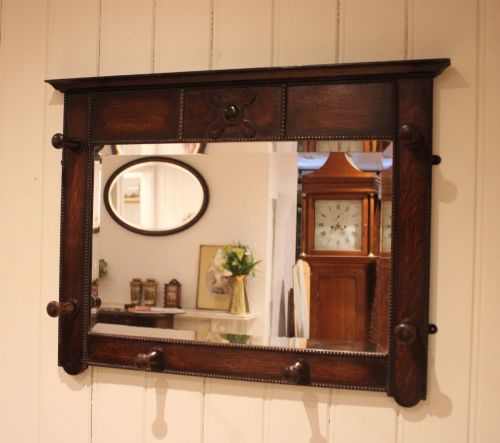
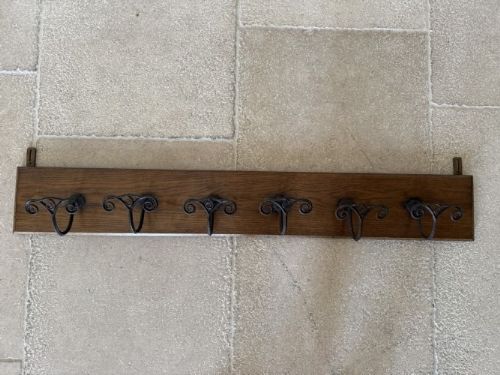
Carved oak coat hooks span functional wall-mounted rails and elaborate freestanding furniture pieces, all designed for domestic organisation. When searching for carved oak coat hooks, buyers encounter everything from simple 18th-century hook racks to substantial Victorian and Edwardian hall stands featuring integrated mirrors and umbrella holders.
The domestic hall or boot room serves as the natural home for these sturdy fixtures. Regional variations range from English country house styles to continental French hunting lodge and Black Forest designs, incorporating diverse decorative motifs.
How they were made
Woodcarving forms the primary decorative technique, shaping solid oak into foliage, crests, and architectural mouldings. Artisans utilised hand tools to construct backplates and rails, selecting timber prized for its prominent grain and durability.
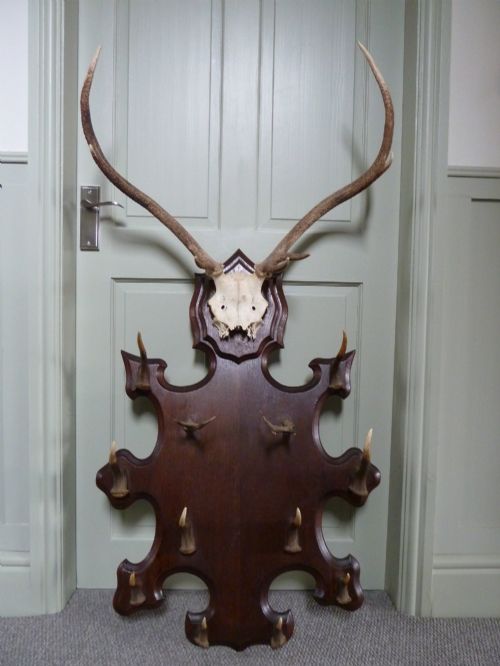
Functional hardware relied on contrasting materials such as cast iron, brass, and polished metal for the hook components. Natural elements including stag horn, bone, and glass appear alongside the timber, secured with period fixings.
Several pieces incorporate taxidermy elements and horn mounts, ensuring your hallway greets guests with a distinctly rustic woodland charm.
What varies in quality
Depth and precision of the woodcarving separate standard utility items from exceptional artistic examples. Crisp relief work on foliage or animal elements indicates a skilled hand rather than mass-produced machine routing.
Integrity of the oak timber and originality of the metal or horn hooks determine the overall merit of a piece. Well-preserved backplates with secure mounting points and matching hooks reflect superior original construction.
The Carved Oak Coat Hooks Glossary
- Hall stand
- A multi-functional piece of hallway furniture combining coat hooks, a mirror, and often a stick stand or glove box. These larger items dominate the traditional entranceway.
- Gothic Revival
- An architectural and decorative style drawing inspiration from medieval design. Pieces often feature pointed arches, heavy mouldings, and quatrefoil motifs.
- Art Nouveau
- A turn-of-the-century aesthetic characterised by fluid, organic lines and stylized plant forms. It influences the floral carving found on select Edwardian pieces.
- Stag horn
- Antler material utilised for practical hooks or decorative flourishes. This natural medium appears frequently in country house and taxidermy pieces.
Carved Oak Coat Hooks: Frequently Asked Questions
How do I hang a heavy oak coat rack safely?
Secure the backplate directly into wall studs or utilise appropriate masonry fixings corresponding to your wall type. Given the weight of solid oak and iron hardware, proper load-bearing support is essential.
Ensure the mounting screws match the depth and diameter of the original fixing holes where possible to maintain structural stability without splitting the timber.
Are these coat hooks suitable for damp items?
Solid oak handles daily exposure to damp garments well, provided the timber maintains a nourished wax or polish finish. Allow wet coats to dry naturally rather than trapping moisture against the wood.
Inspect the metal or brass hooks periodically for signs of moisture retention to preserve the surrounding oak grain.
How do I date a carved oak coat rack?
Examine the fastening screws, backplate construction style, and the depth of the oak patination. Hand-cut screws and adze marks indicate earlier 18th-century origins, whereas machine-turned elements point toward the Victorian and Edwardian eras.
Stylistic cues such as Gothic Revival motifs or Art Nouveau curves further narrow the manufacturing window.
Can I polish the oak frame?
Apply a traditional beeswax sparingly with a soft brush to maintain the natural lustre of the timber. Avoid modern silicone sprays that build up and attract dust over time.
Buff gently along the direction of the wood grain to preserve the historical surface colour and protective finish.