

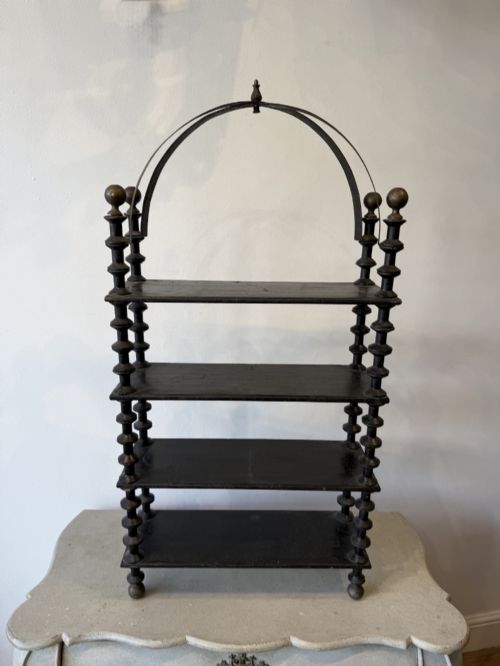


19th Century French Rack
A 19th century french rack brings practical utility and provincial character to an interior, offering robust storage built for daily use.
19th Century French Rack
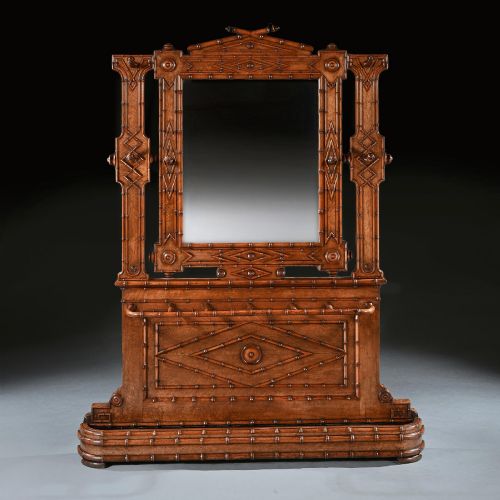
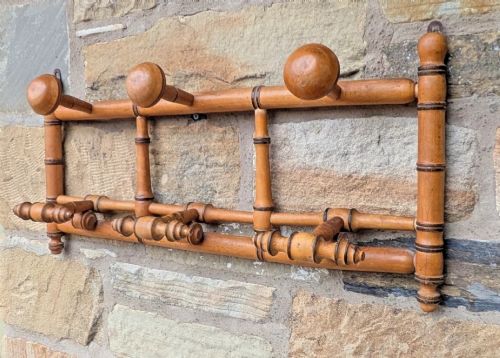
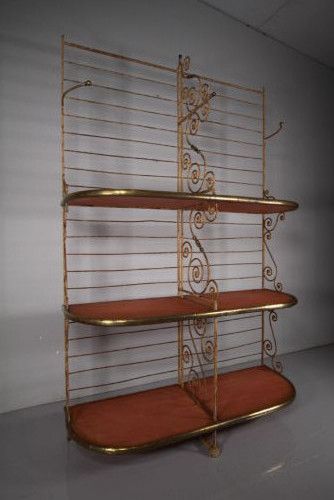
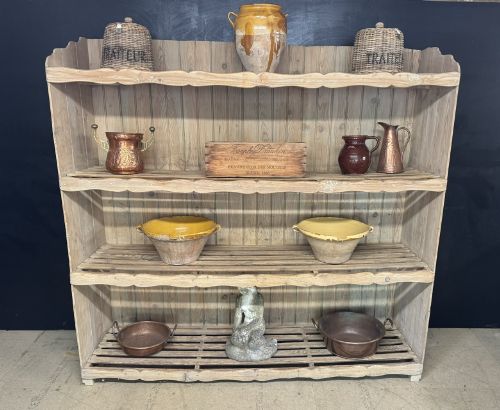
A 19th century french rack encompasses utilitarian items designed for holding garments, cookware, literature, or provisions in domestic spaces. These pieces range from wall-mounted coat hangers and hat rails to freestanding bakers, patisserie, and saucepan structures.
The selections on this page draw from the nineteenth century, featuring styles such as French provincial, country, chateau, and aesthetic movement. Wall shelves, hall stands, and specialised storage dominate the forms currently found.
Makers and craftsmen utilised regional timbers alongside durable metals to construct items intended for hard service in Parisian apartments, provincial kitchens, and hunting lodges. The resulting variety reflects the diverse domestic needs of the period.
How they were made
Makers constructed these racks using a combination of solid hardwoods like cherry, walnut, chestnut, and mahogany, alongside pine and exotic veneers such as birdseye maple. Metal elements incorporate brass, copper, wrought iron, and steel, often joined with visible rivets.
Techniques relied on traditional joinery, turned wood components including bobbin details, and simulated bamboo carving. Painted and ebonised finishes appear alongside polished or patinated metal surfaces, reflecting the decorative preferences of the era.
The inventory includes wall shelves, coat racks, hall stands, bakers racks, dressers, shelving units, and saucepan racks.
What varies in quality
Quality reveals itself through the integrity of the materials and the solidity of the construction, distinguishing robust architectural ironwork or dense hardwood framing from lighter utilitarian items. The weight of the brass and iron components indicates the original intended duty of the piece.
Refinement in surface finish, such as carefully executed faux bamboo carving, original paint, or well-preserved patination, separates standard workshop output from finer domestic furnishings. Stamped makers' marks or substantial structural hardware also elevate a piece.
The 19th Century French Rack Glossary
- Faux bamboo
- A decorative technique where wood is carved or painted to imitate the segmented stalks of bamboo. This style gained popularity during the aesthetic movement.
- Portmanteau
- A combined hall stand or rack designed for hanging coats, hats, and storing umbrellas or walking sticks. These heavy pieces typically stood in hallways.
- Vaisseliere
- A traditional French dresser or shelving unit used for displaying and storing tableware. They frequently incorporate open shelves above enclosed lower cupboards.
- Bobbin
- A turned furniture detail shaped like a string of spools or bobbins. It appears on the uprights and supports of nineteenth-century shelving.
- Canterbury
- A low, partitioned stand originally designed for holding sheet music or loose periodicals. Nineteenth-century examples often feature fretwork or turned spindle divisions.
19th Century French Rack: Frequently Asked Questions
What rooms suit a 19th century french rack?
These racks fit naturally into hallways, kitchens, and boot rooms where functional storage is required. Wall-mounted versions save floor space while providing display or hanging capacity.
Freestanding bakers and saucepan racks serve well in kitchens and dining areas for organising cookware and provisions. Their varied materials allow them to complement both rustic and refined interiors.
How do I mount a wall rack safely?
Mounting heavy brass, iron, or timber wall racks requires locating solid wall studs or using appropriate heavy-duty wall anchors. Given the substantial weight of nineteenth-century metalwork and dense hardwoods, secure fastening is essential.
Ensure the fixing points match the original load-bearing capacity of the piece. Professional installation is recommended for large bakers racks or heavily laden coat rails.
Can I use a bakers rack outdoors?
Original nineteenth-century iron and steel racks are prone to rust if exposed to damp outdoor conditions. Keeping them indoors protects the aged patination and structural integrity of the metal.
Timber pieces similarly suffer from weathering and moisture fluctuations. Interior placement preserves the antique finishes and prevents warping.
How do I clean antique brass and wood?
Dust timber surfaces gently with a dry cloth and avoid harsh chemical polishes that strip original patination. Natural waxes help maintain the condition of older woods like walnut and cherry.
Brass and copper elements benefit from minimal intervention to retain their aged appearance. Light cleaning with a soft cloth removes surface dust without harming the metal.