



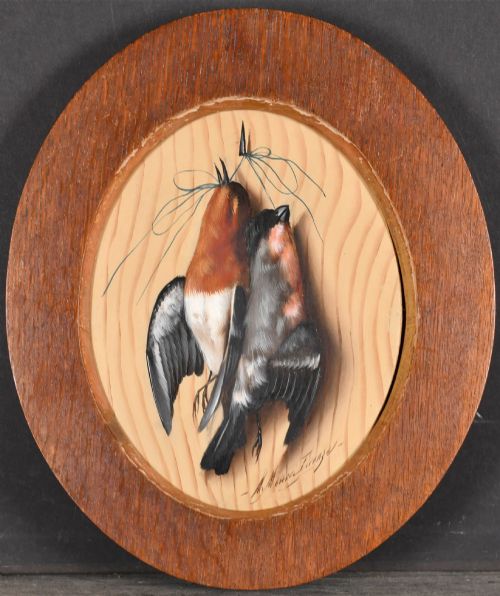
Brown Wood Framed Art
Brown wood framed art encompasses centuries of painted and printed works housed within timber surrounds, chosen to anchor historic imagery on the wall.
Brown Wood Framed Art
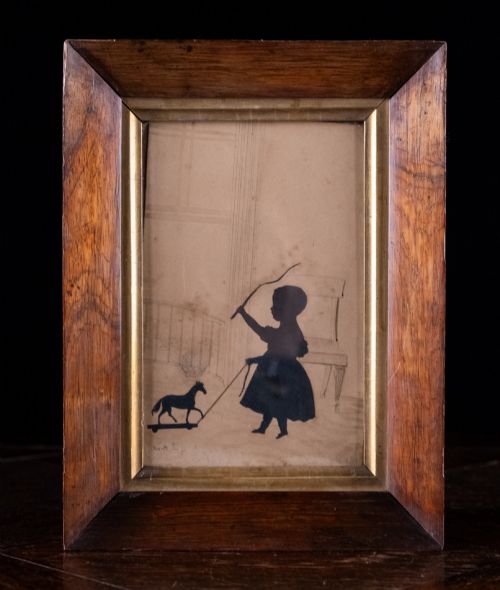
When searching for brown wood framed art, a buyer encounters oil paintings, engravings, watercolours, and silhouettes dating from the seventeenth century through the mid-twentieth century.
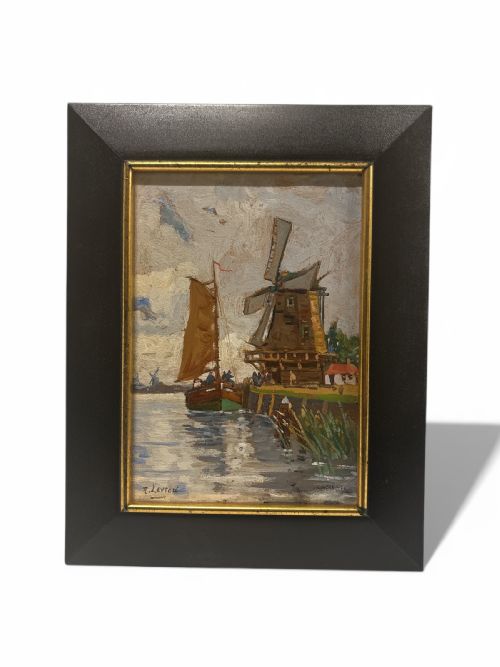
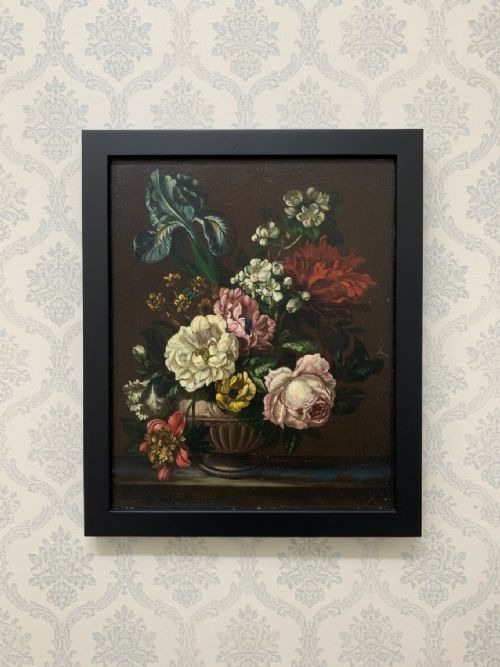
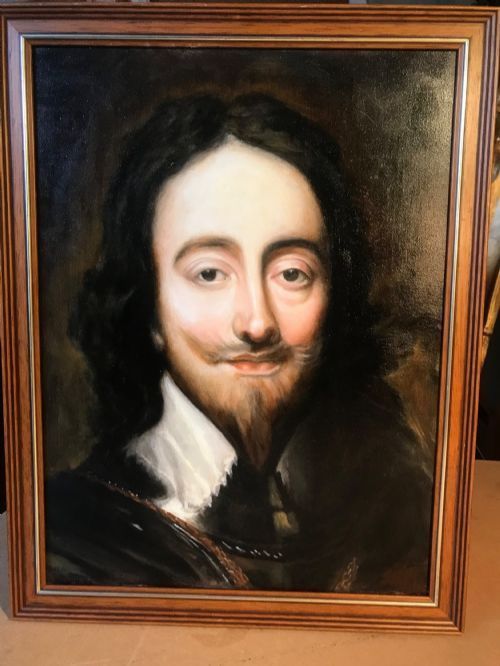
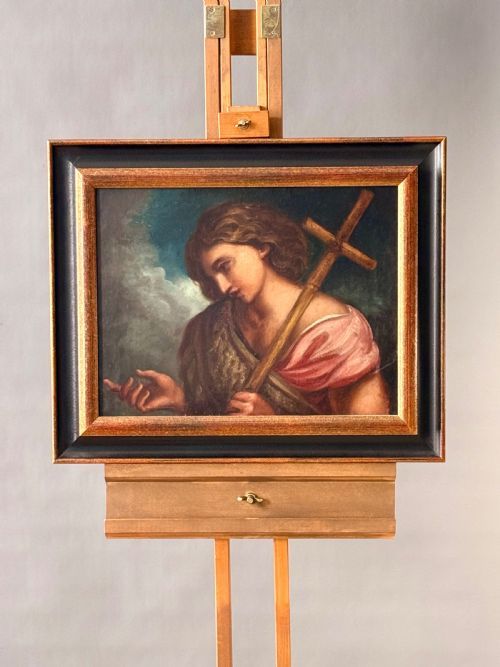
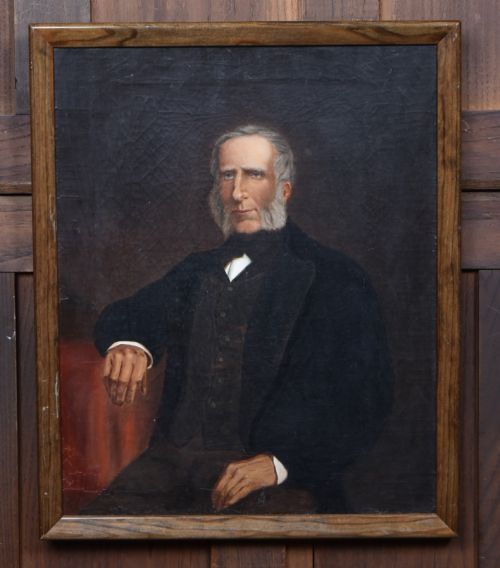
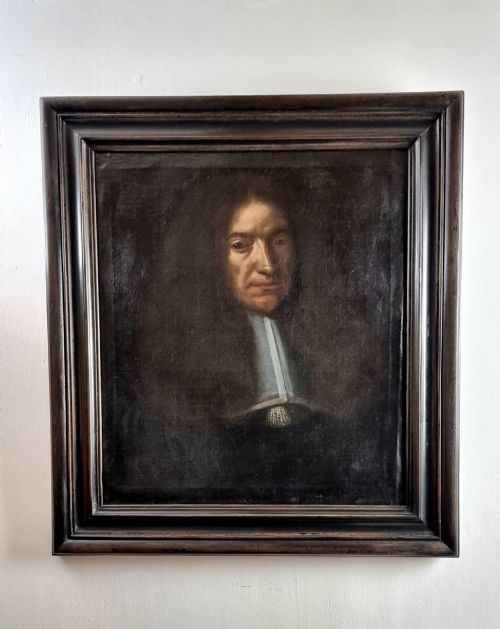
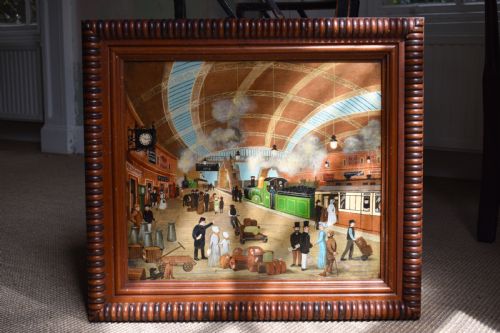
The selections on this page lean heavily towards nineteenth-century oil paintings, portraits, seascapes, and Dutch school still lifes enclosed in period timber housings.
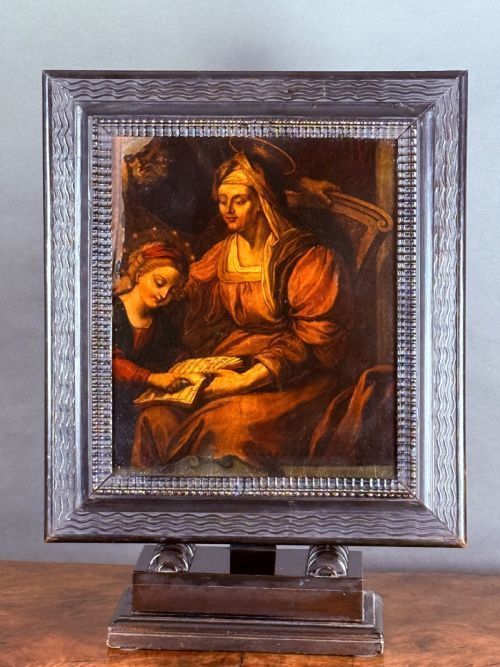
Beyond traditional canvas and panel works, the category includes reverse glass mezzotints, wool work pictures, and architectural wall mirrors framed in oak, walnut, or gilt-accented wood.
Materials and Construction
Artworks within these listings combine oil paint, canvas, paper, panel, and gouache with hand-carved or moulded wooden frames.
Support structures utilise traditional joinery and stretching methods appropriate to periods spanning the seventeenth to the twentieth century.
Brown Wood Framed Art Retail Price Guide 2026
Typical asking prices for brown wood framed art among the pieces listed under this phrase on Sellingantiques today, from the lower quarter to the upper quarter. They describe what is for sale here now, not the wider market.
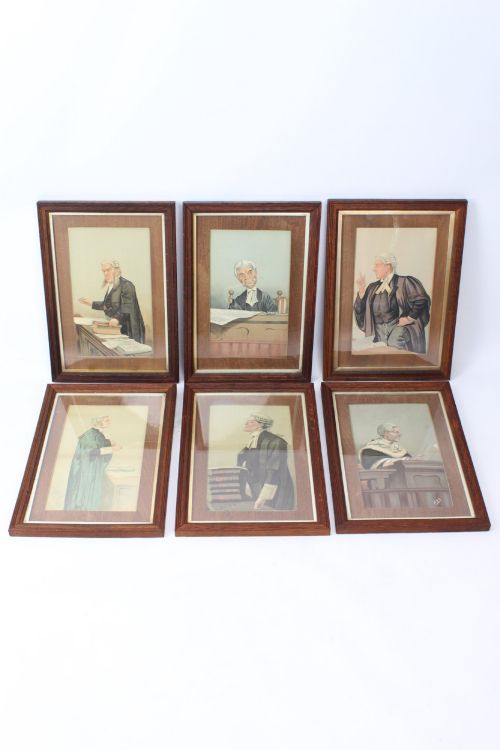
A wool work depicting a tiger hangs alongside portraits of judges and pugs.
Assessing Quality
The distinction between tiers rests upon the execution of the artist's brushwork and the original harmony between the picture and its wooden surround.
Pieces showing distinct provenance, signed attribution, and untouched period mountings command greater attention from serious collectors.
Stanley Webb Davies·Augustin Edouart·Michelangelo Meucci·Thomas Creswick·Samuel Dixon·Henry Travis·Guillaume Courtois·TB Hardy·Hendrik Valkenberg·Carl Whitfield·Étienne Baudet·John Moore of Ipswich·Horatio Henry Couldrey
The Brown Wood Framed Art Glossary
- Oil on Canvas
- Pigments suspended in a drying oil applied to a woven fabric stretched across a wooden frame. This method became standard for durable, textured compositions.
- Reverse Glass Mezzotint
- An image applied directly to the back of a glass sheet, creating a luminous finish when viewed from the front. This delicate technique requires careful housing in a supportive timber frame.
- Trompe l'Oeil
- An art technique that uses realistic imagery to create the optical illusion that the depicted objects exist in three dimensions. Such pieces often trick the eye with rendered hanging subjects or textured surfaces.
- Chromolithograph
- A multicoloured print produced through a lithographic process using multiple stones or plates. This method allowed affordable reproduction of detailed artworks in the nineteenth century.
- Basso-rilievo
- A sculptural relief technique where the figures project only slightly from the background plane. These shallow carvings present pictorial scenes in materials such as wood or plaster.
Brown Wood Framed Art: Frequently Asked Questions
How do I hang heavy wood framed art safely?
Heavy framed works require secure wall fixings rated for the combined weight of the timber and canvas. Utilising dual mounting points distributes the load evenly across the structure.
Ensure screws anchor directly into wall studs or employ heavy-duty plaster anchors to prevent movement over time.
Are original frames important for antique art?
Original timber frames provide historical context and demonstrate how the piece was displayed in past centuries. Matching frames enhance the integrity of the object.
Replacing a period surround alters the historical presentation, though some pieces acquired new housings during subsequent restoration eras.
How do I clean wooden picture frames?
Dust timber frames gently with a dry, soft-bristled brush to remove surface debris without disturbing aged patination. Avoid harsh chemical cleaners that strip historical finishes.
For stubborn grime, a slightly damp cloth followed immediately by a dry towel prevents moisture absorption into the wood grain.
What lighting protects old paintings?
Positioning art away from direct sunlight prevents fading of pigments and degradation of canvas supports. Indirect ambient illumination preserves the colours.
Low-heat LED picture lights offer adjustable brightness while preventing thermal damage to oil paints and nineteenth-century watercolours.