


Brown Wood Folk Sculpture
These brown wood folk sculpture pieces bring vernacular character into a room through carved animal figures, human subjects, and regional artefacts.
Brown Wood Folk Sculpture
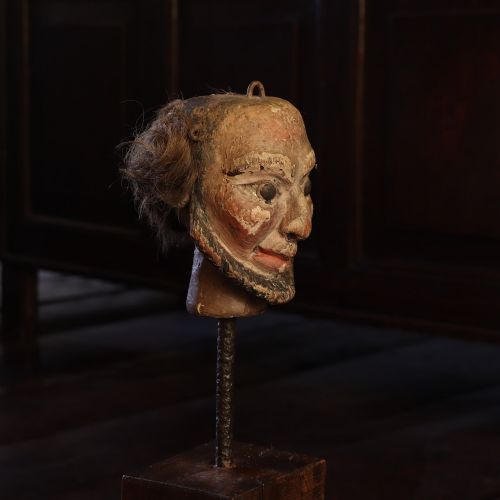
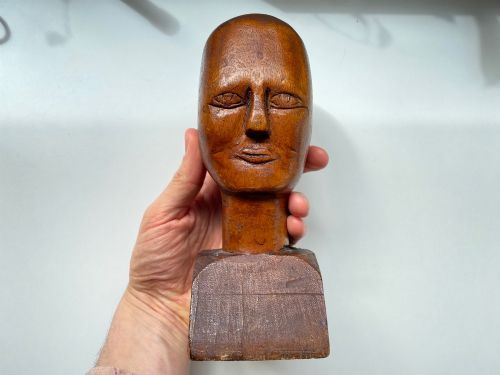
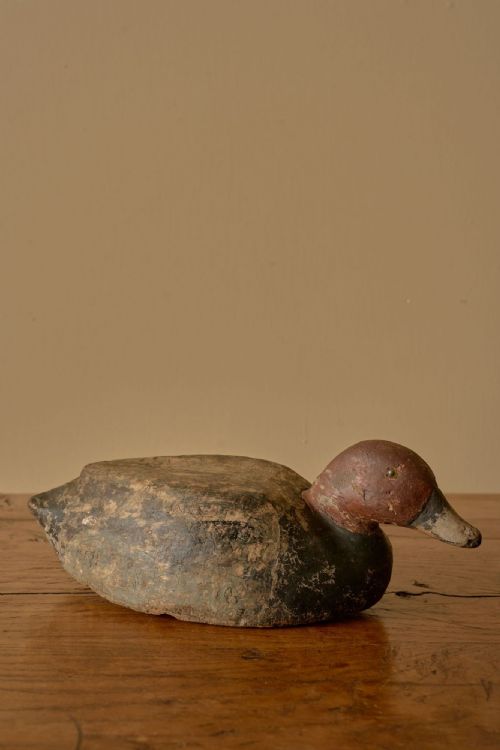
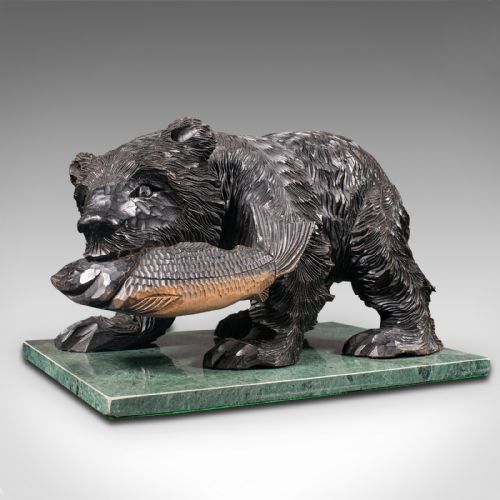
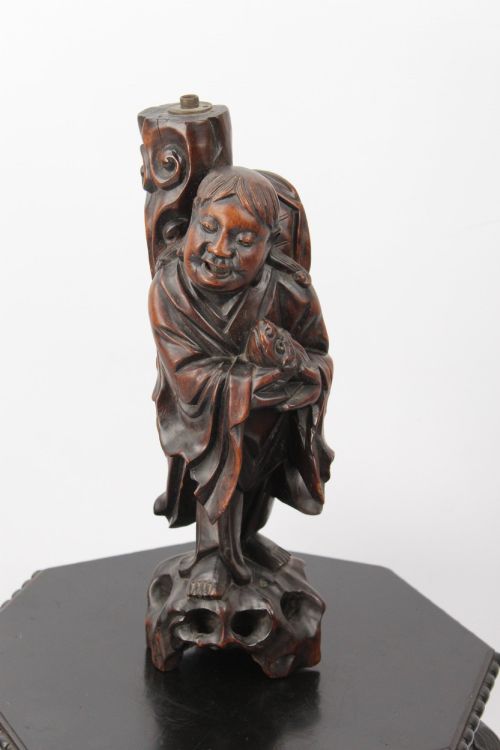
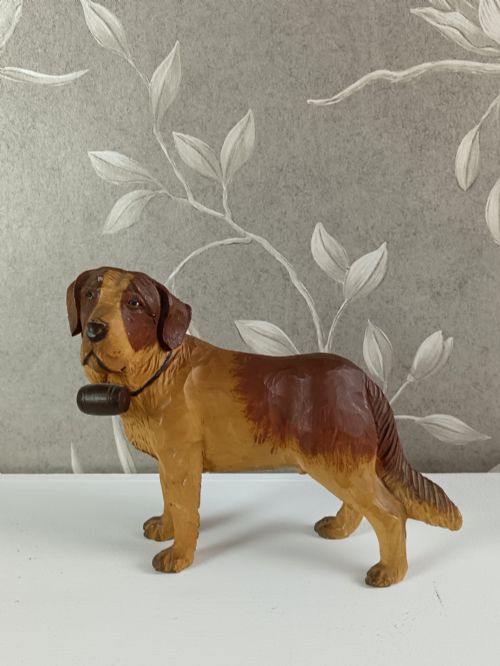
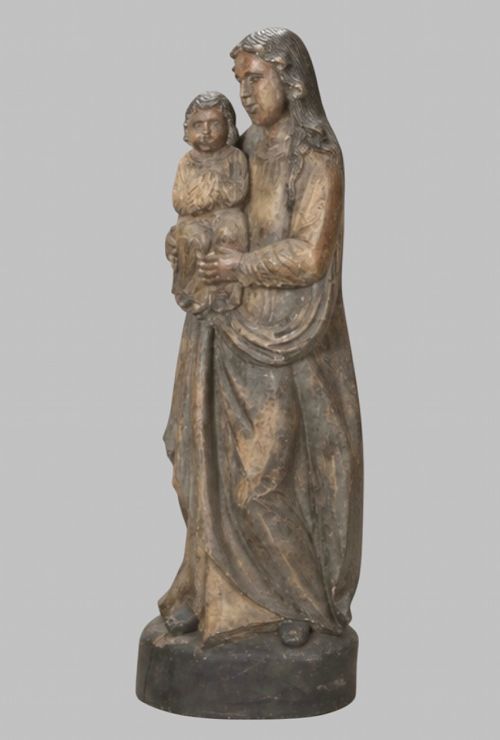
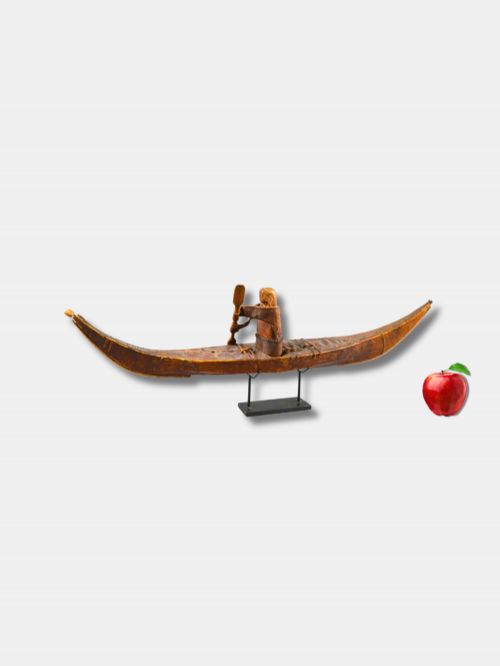
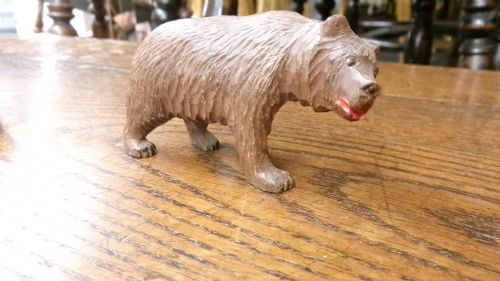
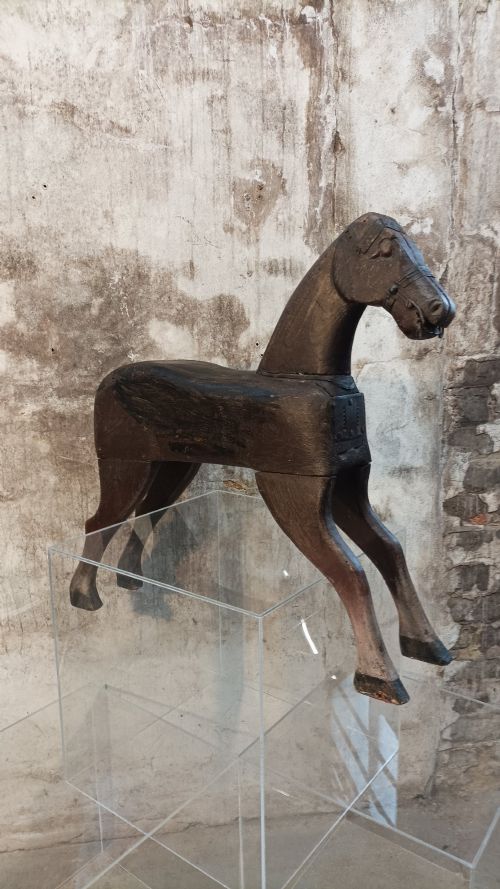
When searching for brown wood folk sculpture, collectors encounter a diverse range of hand-carved objects spanning multiple centuries and global origins. These items include carved figures of animals such as bears, dogs, horses, and birds, alongside human subjects ranging from local tradespeople to religious icons.
The selections on this page draw from 18th-century, 19th-century, and early 20th-century traditions. Pieces often originate from European woodworking centres like the Black Forest and Switzerland, alongside Japanese woodcarvings and vernacular items created by anonymous makers.
Materials and construction
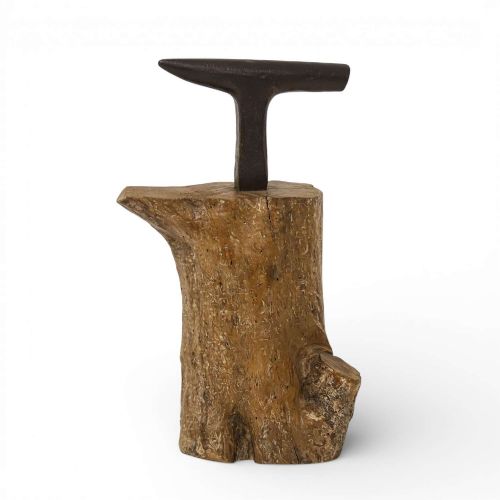
Carvers utilised available regional timbers, shaping domestic hardwoods, fruitwood, yew burr, cedar, and linden wood using traditional hand tools such as gouges and knives. Many objects retain their natural timber grain, while others incorporate polychrome paint, dark staining, or applied glass eyes to define details.
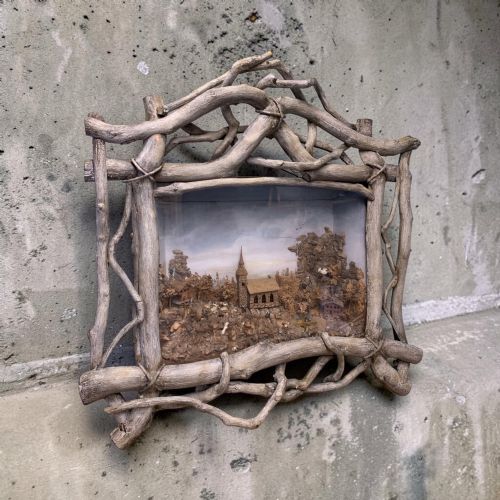
Some items demonstrate specific regional techniques, such as the Nata-Tsukuri method visible in Japanese figurative carvings or the layered assembly seen in cork dioramas and matchstick models. The construction methods reflect the practical skill of regional artisans working outside formal academic training.
Brown Wood Folk Sculpture Retail Price Guide 2026
Typical asking prices for brown wood folk sculpture among the pieces listed under this phrase on Sellingantiques today, from the lower quarter to the upper quarter. They describe what is for sale here now, not the wider market.
Listings feature items from the 18th century, 19th century, Edwardian era, and the 1940s, alongside materials including linden wood, hardwood, paint, and bone.
Distinguishing quality
The distinction between ordinary and exceptional work rests on the confidence of the carving and the expressiveness of the form. Master carvers captured movement, anatomy, and character with economy of line, whereas lesser examples rely on stiff proportions and generic detailing.
Surface preservation also separates pieces within this category. Original unpolished patination, intact paint pigments, and minimal structural intervention maintain the integrity of the object, while over-cleaning or unsympathetic repairs diminish historical value.
Franz Keller
The Brown Wood Folk Sculpture Glossary
- Folk Art
- Art produced from an indigenous culture or by peasant artisans without formal academic training. These items often reflect utilitarian purposes or regional storytelling traditions.
- Black Forest
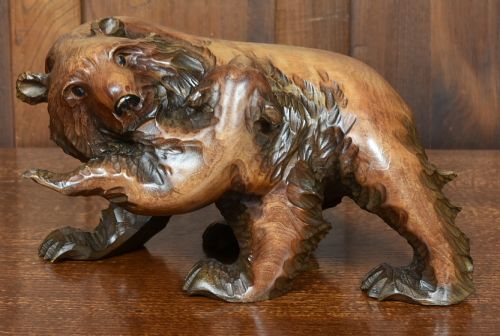
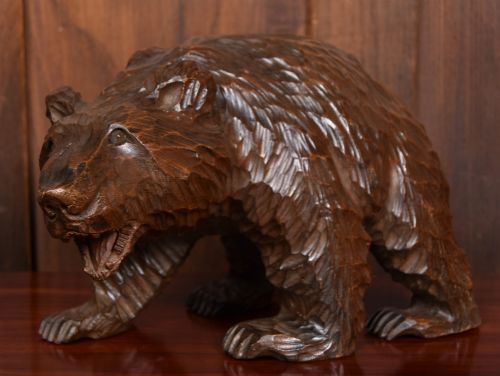
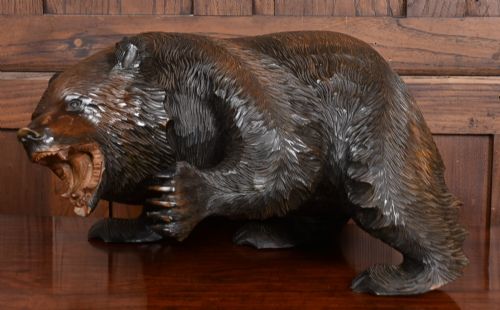
- A style of wood carving originating from the Brienz region of Switzerland and the Black Forest in Germany. Figures typically depict wildlife, particularly bears, rendered in walnut or linden wood.
- Kibori Kuma
- A traditional style of Japanese wooden bear sculpture carved in Hokkaido. These pieces often feature textured fur and naturalistic poses.
- Polychrome
- The practice of decorating architectural elements, sculpture, or wood carvings in a variety of painted colours. Pigments were applied directly to the timber substrate.
- Burr Wood
- A growth on a tree where the grain has grown in a deformed manner, resulting in swirling patterns and intricate figuring when sliced and polished.
Brown Wood Folk Sculpture: Frequently Asked Questions
What is brown wood folk sculpture?
These items are hand-carved three-dimensional objects made by regional artisans rather than trained academic sculptors. They encompass animal figures, human portraits, religious icons, and architectural models.
Materials are primarily organic timbers left in their natural state or painted with surface pigments. Each piece reflects the vernacular traditions of its specific geographic origin.
How were these sculptures used?
Many of these pieces served as decorative ornaments for domestic interiors, mantelpieces, and display cabinets during the nineteenth and early twentieth centuries. Some functioned as children's toys, decoy tools for hunting, or devotional figures in domestic shrines.
Others were created as souvenirs for travellers visiting European mountain regions or participating in global trade exhibitions.
How do I care for wooden folk art?
Keep wooden sculptures away from direct heat sources and strong sunlight to prevent the timber from drying out, warping, or splitting. Maintain a stable indoor humidity level where possible.
Dust the surface gently with a soft, dry brush or cloth. Avoid applying modern polishes, waxes, or chemical cleaners that might alter the historic patina.
How can I tell the period of a carving?
Dating relies on examining the tool marks left by the maker, the choice of timber, and the nature of the surface wear. Machine-cut elements indicate later industrial production, whereas irregular hand-tooled surfaces suggest earlier craftsmanship.
Comparative study of regional styles, such as Swiss Black Forest work or Japanese Kibori Kuma, helps narrow down the decade of production.