





Brown Wood Drinks Bar
A brown wood drinks bar brings character and hospitality to a room, offering a dedicated space for bottles, glassware and preparation.
Brown Wood Drinks Bar
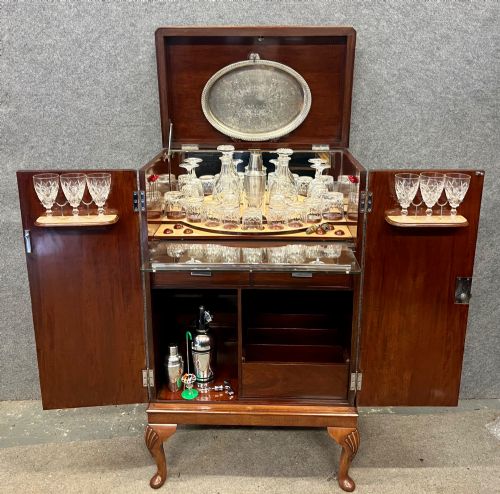
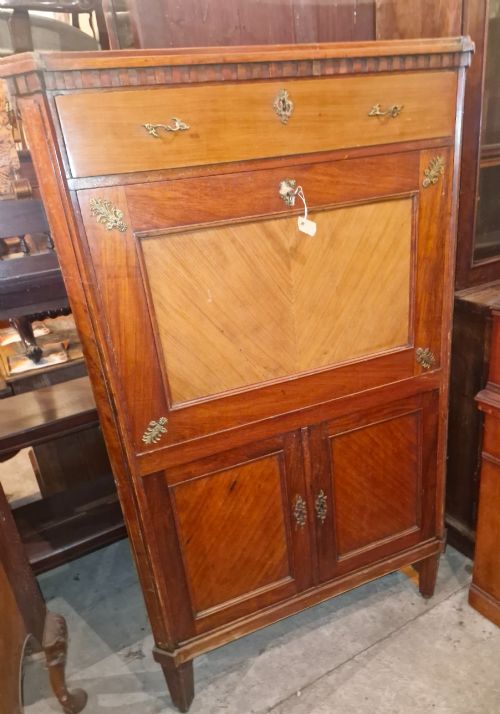
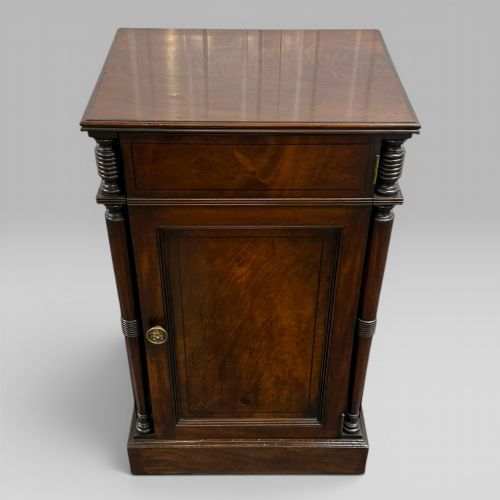
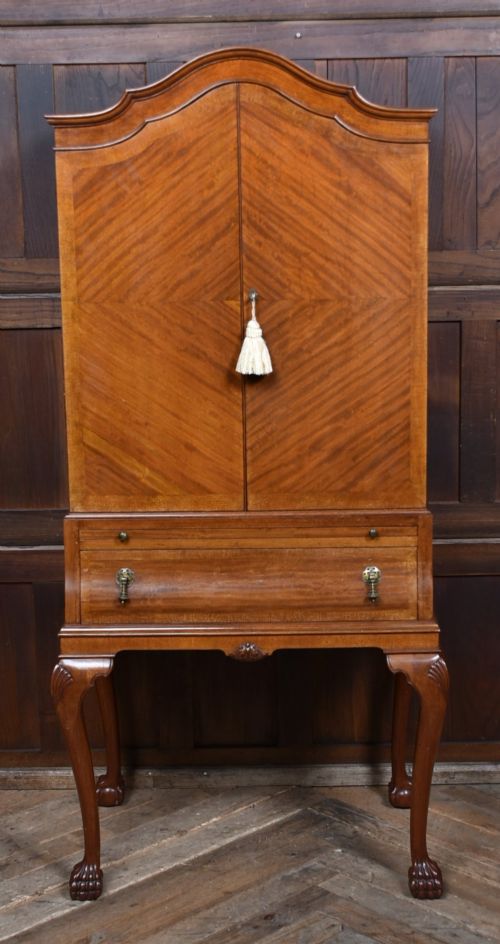
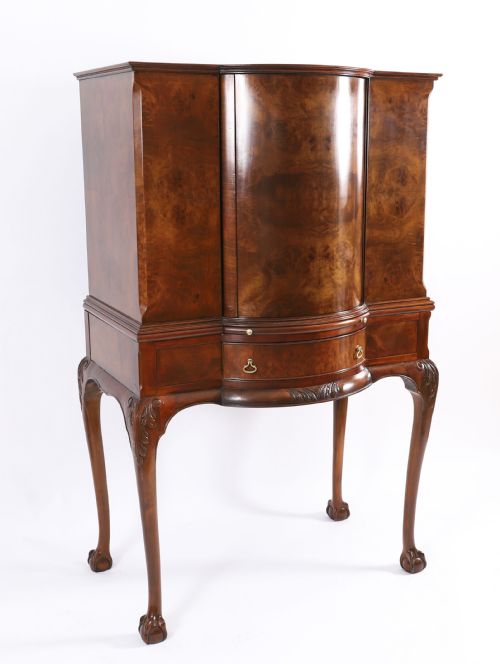
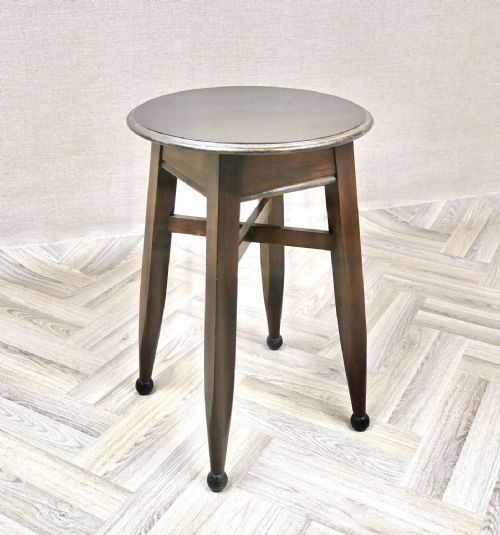
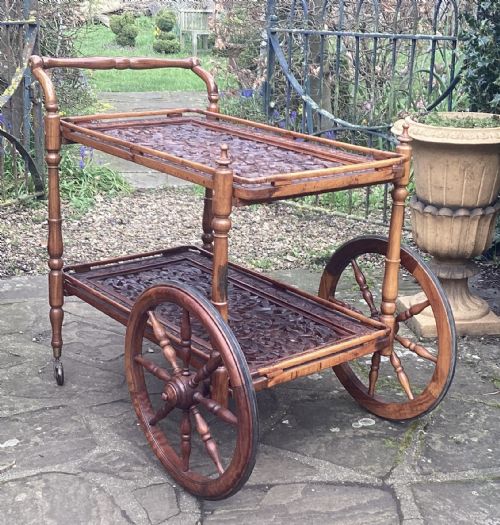
When searching for a brown wood drinks bar, collectors and hosts encounter a diverse mix of antique and vintage furnishings designed for serving alcohol and refreshments. The selection ranges from substantial cocktail cabinets and cellarettes to mobile bar carts, trolleys and pub tables spanning periods from the George III era through the Victorian period, Edwardian years and into the 1930s Art Deco movement.
The most prevalent versions encountered on this page are burr walnut and mahogany cocktail cabinets from the 1920s and 1930s, alongside tiered serving trolleys and rolling bar carts. These pieces reflect shifting social habits across centuries, transforming from utilitarian storage for wine and plate-warmers into elaborate stationary cabinets and portable trolleys built for entertaining.
What varies in quality
Quality in these pieces rests upon the selection of timber figures and veneers, where richly grained burr walnut or figured mahogany elevates the visual impact far beyond plain timber surfaces. The finesse of cabinet construction, from the execution of revolving mechanisms and folding tops to the integration of mirror-fitted interiors, distinguishes standard utility items from finer bespoke works.
Attribution to notable workshops or makers, alongside the integrity of original hardware like brass mounts and handles, further defines the standing of an individual piece. The harmony between period style and functional design determines how successfully a vintage bar or trolley integrates original character with practical entertaining use.
Brown Wood Drinks Bar Retail Price Guide 2026
Typical asking prices for brown wood drinks bar among the pieces listed under this phrase on Sellingantiques today, from the lower quarter to the upper quarter. They describe what is for sale here now, not the wider market.
Listings span multiple eras from 1800 to the 1930s, showcasing materials including mahogany, burr walnut, teak and brass.
Gillows·Epstein and Co Furniture
The Brown Wood Drinks Bar Glossary
- Cellarette
- A lockable container or cabinet designed for holding bottles of wine and spirits, commonly found in Georgian and Victorian dining rooms.
- Cocktail cabinet
- A specialised piece of furniture popular in the early twentieth century, equipped with interior shelving, mirror backing and surfaces for mixing drinks.
- Burr walnut
- A prized wood veneer harvested from the burl growths of walnut trees, noted for its swirling, highly figured grain patterns.
- Bar cart
- A mobile serving vehicle fitted with wheels or castors, designed to transport bottles, glassware and ice during social gatherings.
Brown Wood Drinks Bar: Frequently Asked Questions
What is the difference between a cocktail cabinet and a drinks trolley?
A cocktail cabinet is typically a stationary piece of furniture featuring doors, interior compartments and specialised surfaces for preparing drinks. They are designed to stand permanently in a room as a focal point for hospitality.
In contrast, a drinks trolley or bar cart is mobile, usually mounted on castors to transport bottles and glassware between rooms. Trolleys prioritize accessibility and movement over enclosed storage.
Can I use an antique trolley for modern entertaining?
These historical trolleys and cabinets adapt very well to contemporary hosting duties, providing practical surfaces for bottles and glassware. Their sturdy timber construction and rolling castors make them fully functional for serving guests.
Placing modern glassware and spirits upon a vintage burr walnut or mahogany surface adds distinct character to a living space or dining room.
What distinguishes Anglo-Indian colonial pieces?
Anglo-Indian colonial items reflect a fusion of traditional British furniture forms with local craftsmanship and exotic timbers. Pieces like veranda gin cabinets utilise regional materials such as teak and feature distinctive carved woodwork.
These items offer a unique aesthetic history, combining familiar European cabinet types with decorative carving and regional joinery methods.