

Brown Wood Display Shelves
Brown wood display shelves bring practical storage and rich timber tones together, offering a timeless way to organise books and display treasured objects.
Brown Wood Display Shelves
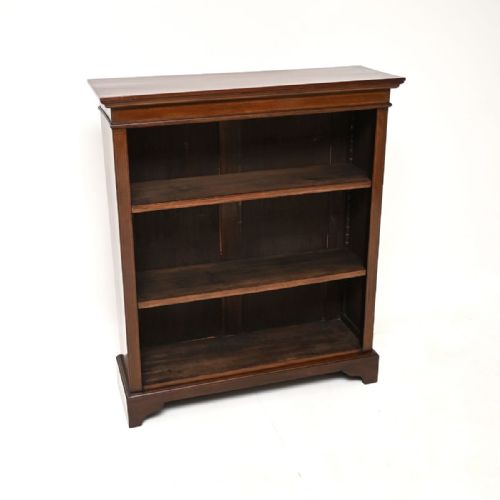
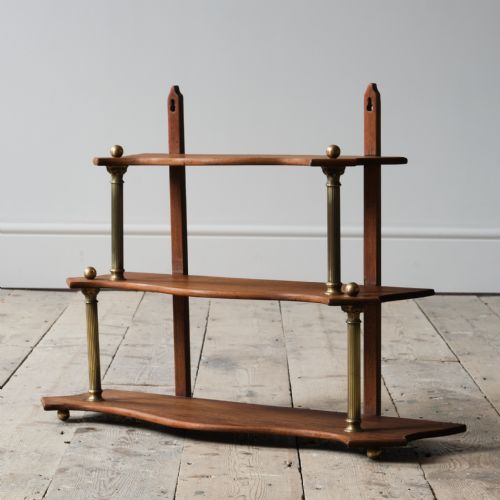
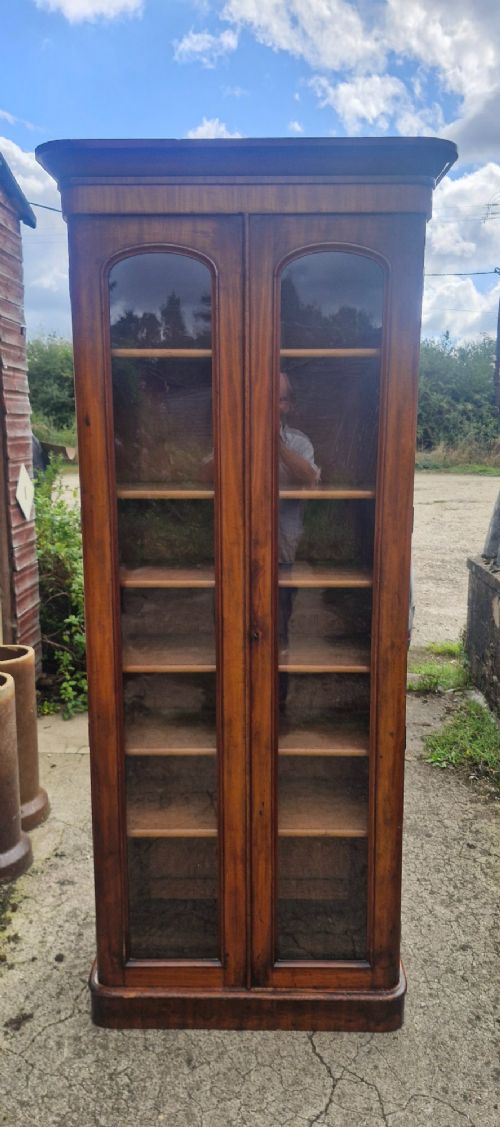
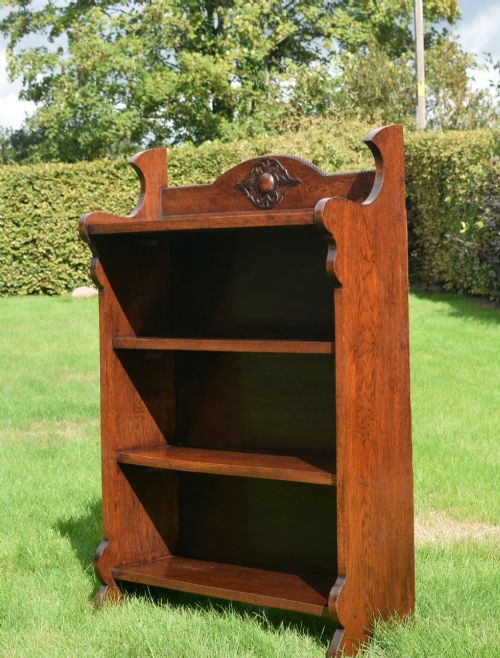
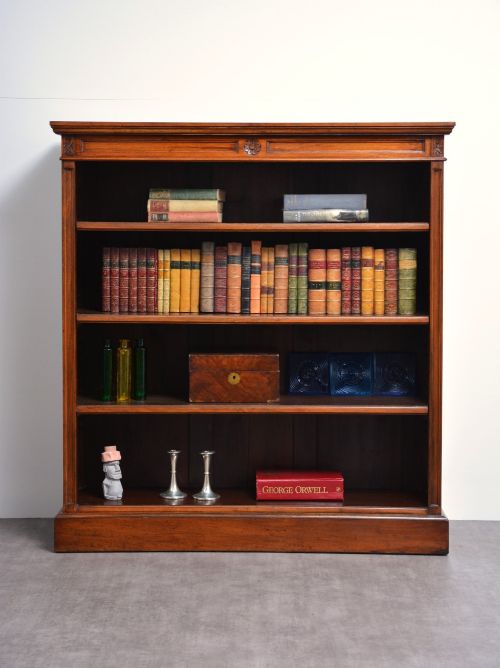
Brown wood display shelves encompass a varied group of functional furniture designed for holding books and decorative items, appearing under search terms like brown wood display shelves. The selection ranges from compact wall hanging brackets and whatnots to substantial open library bookcases and glazed display cabinets.
Most pieces you encounter on this page date from the nineteenth and early twentieth centuries, spanning Victorian, Edwardian, and Art Deco periods. Mahogany, walnut, and oak dominate the forms, reflecting the enduring popularity of these dense timbers for household storage.
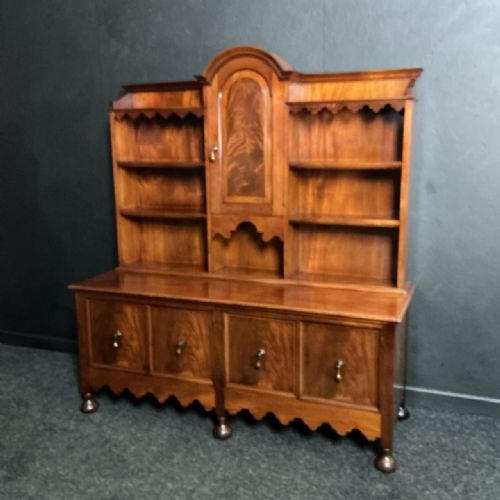
Makers and manufacturers utilised these durable materials to build practical items for domestic interiors, whether as freestanding bookcases with adjustable shelves or wall-mounted display units. The collection includes regional variations such as Welsh dressers and continental library pieces alongside standard British domestic furniture.
Materials and construction methods
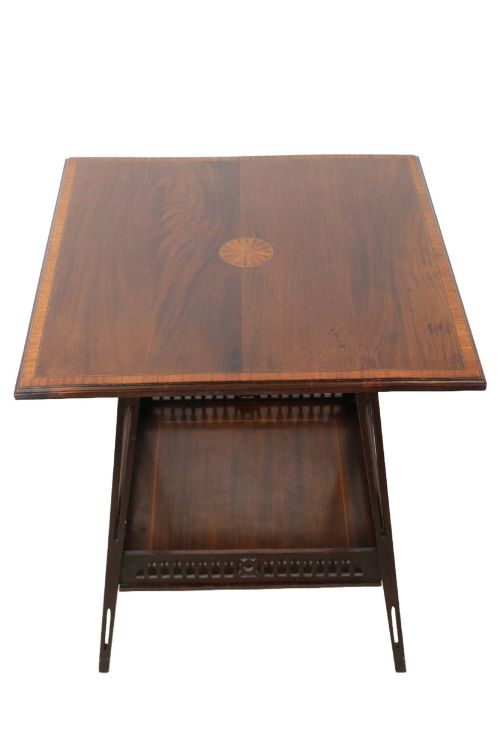
Makers constructed these pieces using solid hardwoods like mahogany, walnut, and oak, frequently incorporating burr walnut veneers for decorative grain patterns on cabinet fronts and tabletops. Brass hardware, ormolu mounts, and glass panels appear across various items to add structural support and visual contrast.
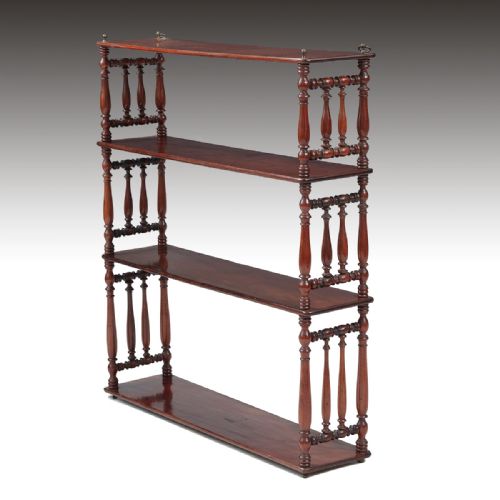
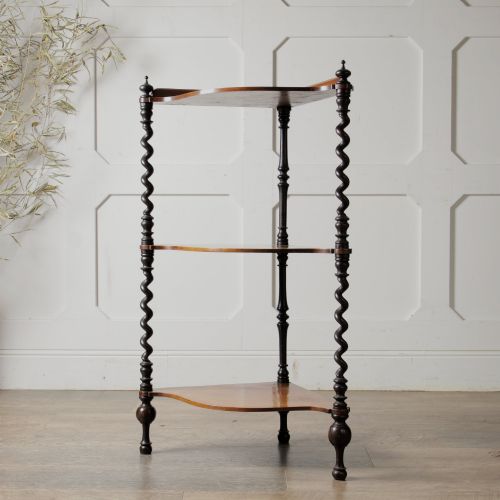
Joinery techniques ranged from simple wall-hanging brackets to barley twist turning on multi-tiered whatnots and inlaid details on Edwardian mahogany frames. Carved wood details feature prominently on revival styles and decorative brackets, showing traditional cabinetmaking skills of the period.
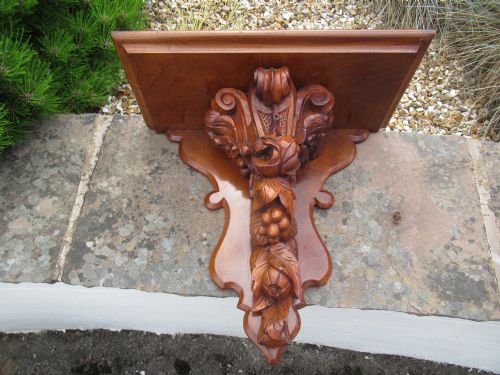
Carved wood cherubs peer from Victorian wall brackets, watching over the room.
Distinctions in quality and finish
The standard of a piece rests on the selection of timber, such as figured burr walnut or dense mahogany, and the precision of its construction. Well-executed details like inlaid woodwork, adjustable shelving mechanisms, and solid brass fittings elevate a piece above simpler utilitarian items.
Condition and originality dictate the standing of surviving furniture, where untouched patination on older timbers and intact carved or turned elements preserve the integrity of the original design.
Trevor Page & Co
The Brown Wood Display Shelves Glossary
- Whatnot
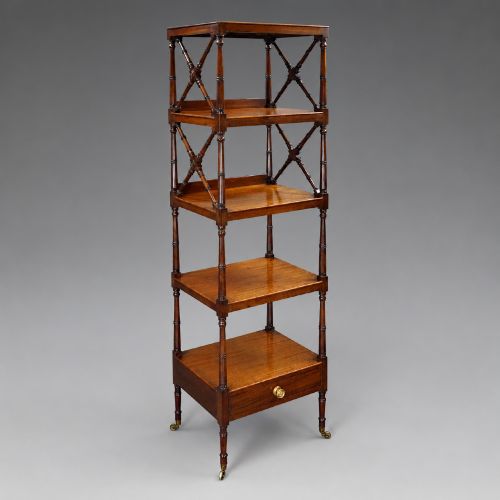
- A multi-tiered piece of furniture designed for displaying ornaments, books, or small objects. These freestanding open shelves typically feature tiered platforms supported by turned or carved uprights.
- Bookcase
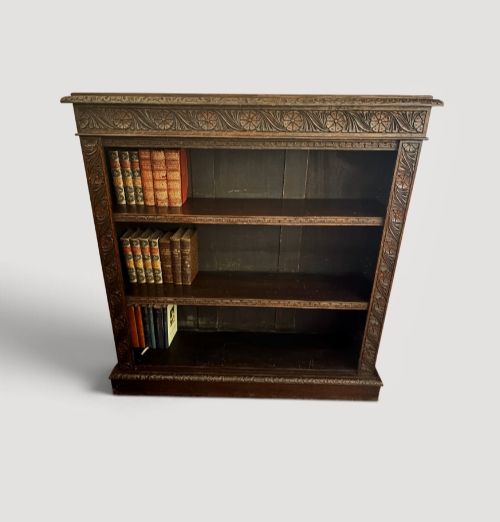
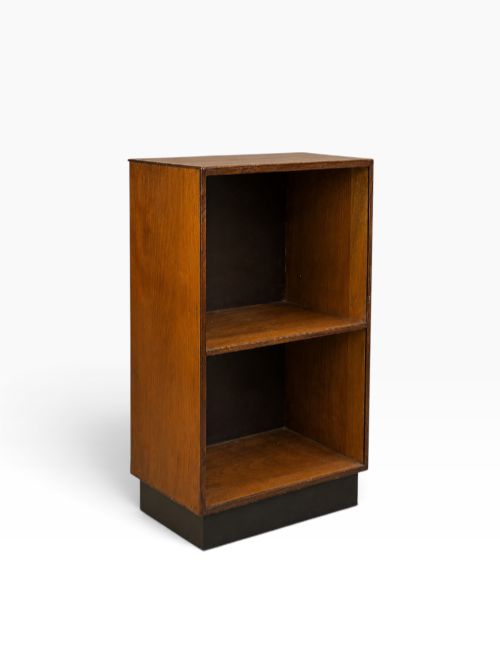
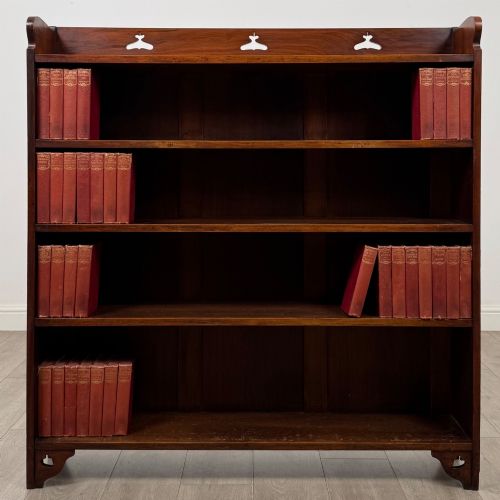
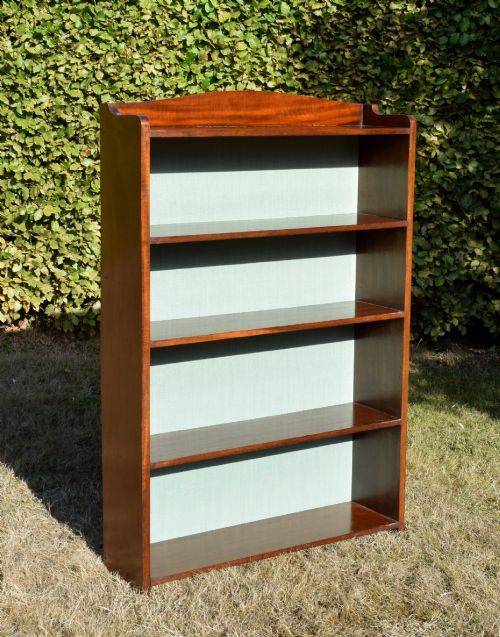
- A piece of furniture with horizontal shelves used for storing books. Versions in this range include open formats as well as enclosed cabinets with glass doors.
- Wall Bracket
- A decorative shelf designed to be mounted directly onto a wall for displaying small objects. They often feature carved wood details or shaped ledges.
- Inlay
- A technique where pieces of contrasting timber or decorative materials are inserted into depressions in the base wood to form patterns. This adornment appears frequently on Edwardian furniture.
- Burr Walnut
- Timber taken from the wart or burl growth on a walnut tree, prized for its swirling, highly figured grain pattern. Cabinetmakers used veneers of this wood to cover prominent surfaces.
Brown Wood Display Shelves: Frequently Asked Questions
What periods do these shelves date from?
The pieces span the nineteenth and early twentieth centuries, encompassing Victorian, Edwardian, Regency, and Art Deco eras.
Most items reflect the prevailing design movements of the eighteen-hundreds and nineteen-hundreds, utilising traditional hardwoods like mahogany and oak.
How were hanging shelves used?
Wall-mounted shelves and brackets provided space-saving display areas for ornaments and books in smaller domestic rooms.
They allowed households to utilise vertical wall space without crowding the floor with freestanding furniture.
What is a whatnot?
A whatnot is a multi-tiered piece of furniture created specifically for holding and displaying ornaments or small books.
These open shelved units often feature turned supports and were popular additions to period sitting rooms.
How do I care for antique wood?
Antique timber benefits from gentle cleaning and occasional polishing with appropriate waxes to maintain the surface finish.
Keeping pieces away from direct heat sources and extreme humidity protects the wood and any delicate veneers.