

Brown Wood Dining Seats
Brown wood dining seats combine historical utility with enduring material warmth, ranging from formal mahogany sets to robust country elm Windsors.
Brown Wood Dining Seats
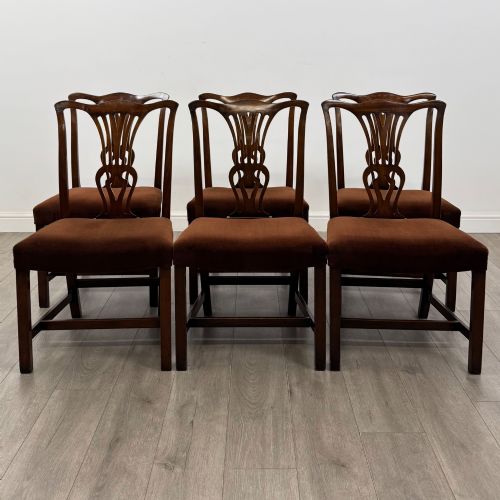
When buyers search for brown wood dining seats, they encounter a diverse array of seating forms spanning several centuries of British and continental craftsmanship. The selection encompasses formal dining chairs in mahogany and walnut alongside rustic country kitchen pieces in elm, ash, and fruitwood.
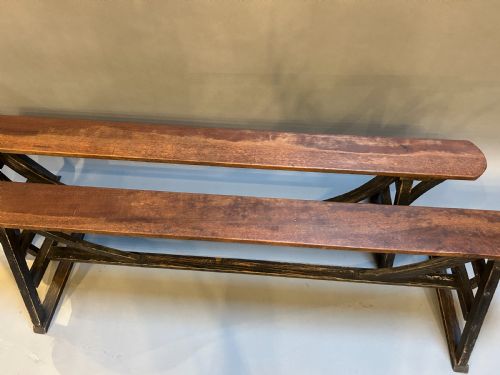
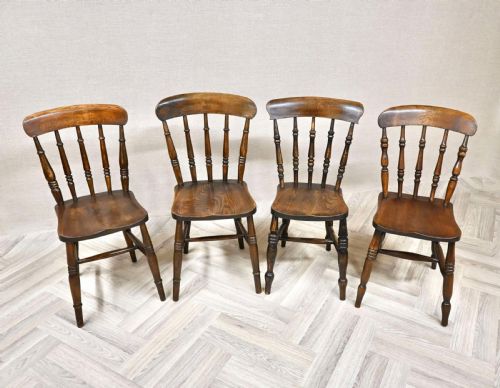
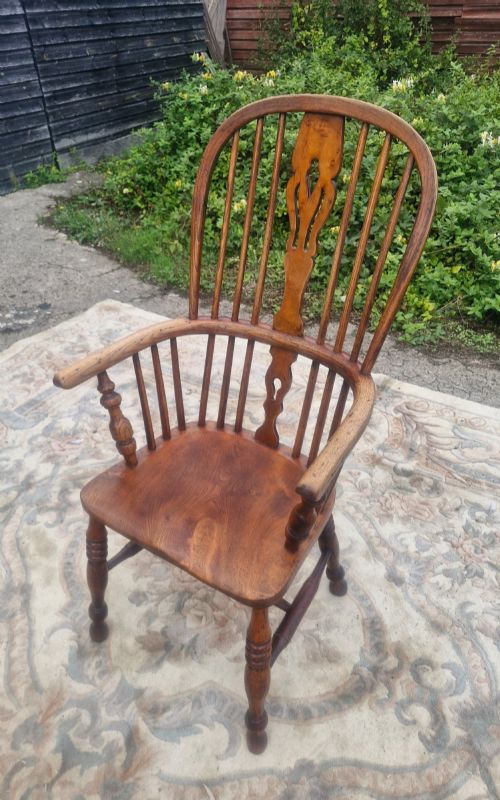
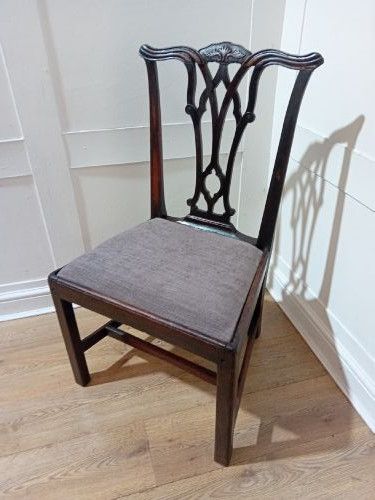
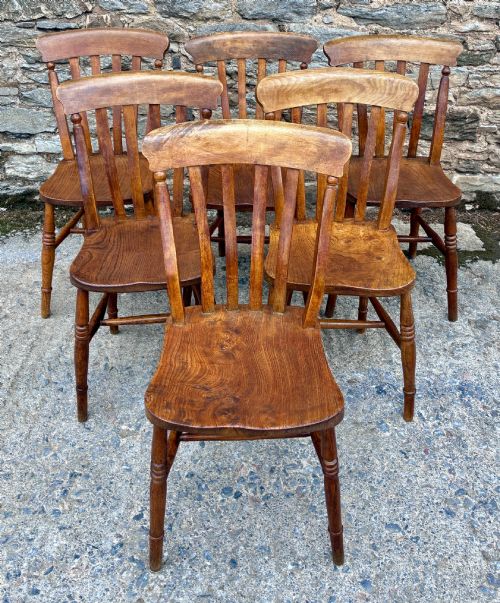
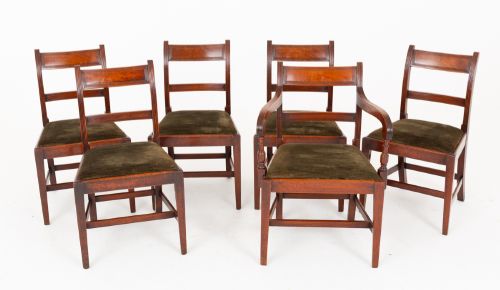
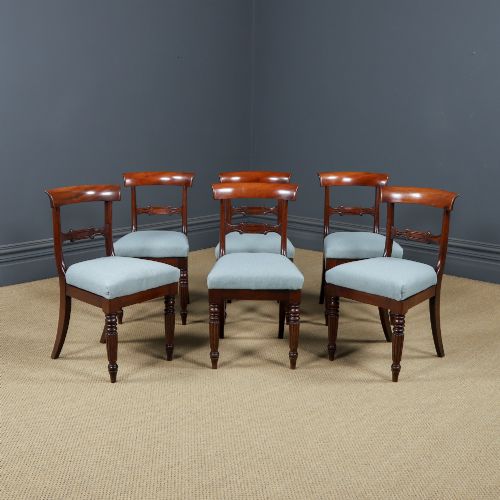
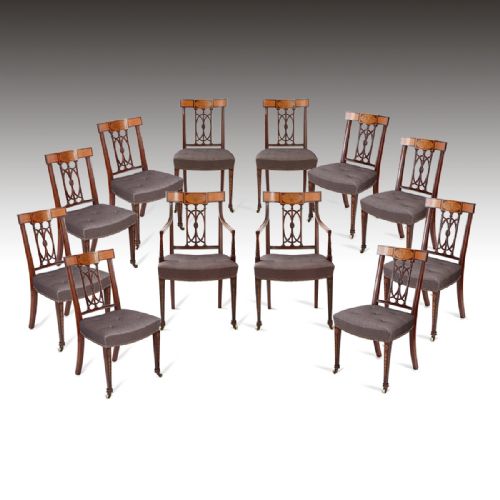
Sets of dining chairs frequently appear alongside individual armchairs, carvers, benches, and hall chairs. The most common forms on this page include nineteenth-century Windsor armchairs, Georgian mahogany sets, and vernacular spindle-back or lathe-back farmhouse seating.
How they were made
Cabinet makers and rural bodgers utilised native and imported hardwoods, pairing dense mahogany and walnut for formal urban dining rooms with tough elm, ash, and beech for country seating. Turnery, steam bending, and traditional joinery methods ensured structural longevity under daily use.
Surface treatments rely on natural wax and polish, occasionally complemented by rush seating, leather upholstery, or brass mounts. These organic materials develop a deep patina through decades of human contact and careful maintenance.
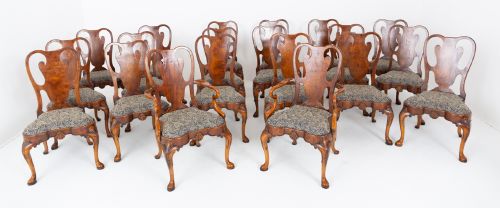
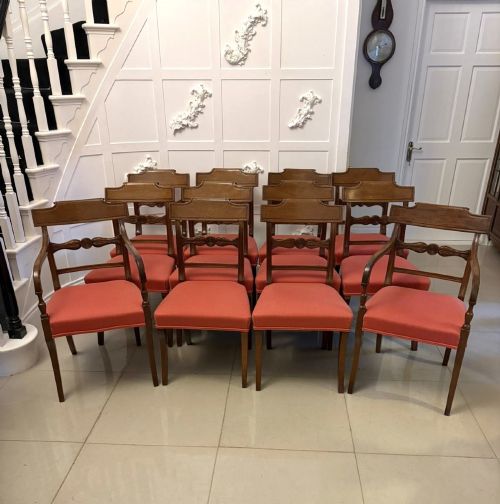
A set of twenty elm chairs waits patiently for a very long dining table.
What varies in quality
Quality in brown wood dining seats depends heavily on the integrity of the timber, the crispness of carved details, and the survival of original surfaces. Sets that remain intact and uniform across all pieces command greater interest than assembled groups.
The refinement of the joinery and the depth of the natural patina dictate the distinction between everyday utilitarian furniture and high-status formal examples. Subtle proportions and well-balanced frames separate superior regional and metropolitan workshops from standard production.
Codina
The Brown Wood Dining Seats Glossary
- Windsor
- A traditional wooden chair constructed with a solid contoured wooden seat into which the legs and back sticks are wedged directly. These country chairs often combine ash for the frame and elm for the seat.
- Carver
- An armchair designed to match a set of dining chairs, traditionally placed at the head of the table. These pieces usually feature more substantial arms while maintaining the stylistic motifs of the side chairs.
- Patina
- The surface sheen and mellow colour developed by wood over long periods through handling, oxidation, and waxing. A good patina indicates genuine age and careful preservation.
- Lathe back
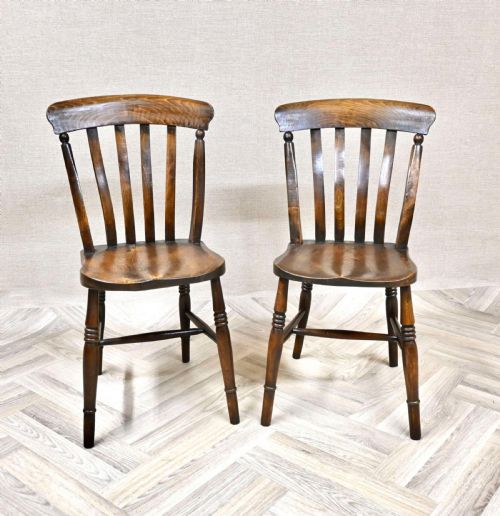
- A chair back featuring flat or shaped vertical wooden slats turned or cut on a lathe. This vernacular design appears frequently in nineteenth-century country seating.
- Shield back
- A dining chair back shaped in the outline of a heraldic shield, popularised during the Georgian period by designers like Hepplewhite. These backs often incorporate delicate pierced splats.
Brown Wood Dining Seats: Frequently Asked Questions
How do I care for antique wooden chairs?
Apply a natural beeswax polish occasionally and buff gently with a soft cloth to nourish the timber. Keep them away from direct heat sources and strong sunlight to prevent the wood from drying and splitting.
Check the joints periodically for movement, but avoid modern glues unless necessary. Professional conservation maintains the structural integrity while preserving the original surface appearance.
Can I mix different chair styles around a table?
Mixing chair styles is a traditional approach that adds character to a dining room. Pairing a set of matching side chairs with two distinct carvers at the table ends creates a balanced look.
Ensure the wood tones and seat heights complement one another to maintain visual harmony. Similar periods or comparable wood species help unify eclectic seating arrangements.
How can I tell a Georgian chair from a Victorian one?
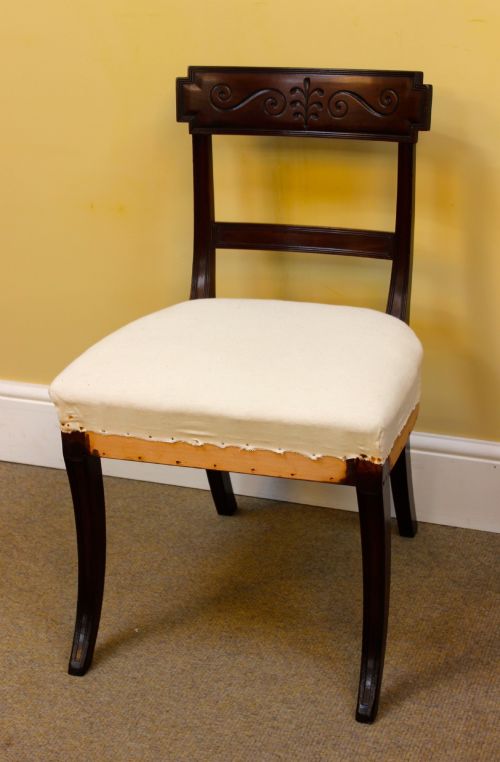
Georgian chairs, produced during the eighteenth and early nineteenth centuries, often display lighter proportions, refined carved splats, and restraint in ornament. Mahogany was the predominant timber for formal Georgian dining furniture.
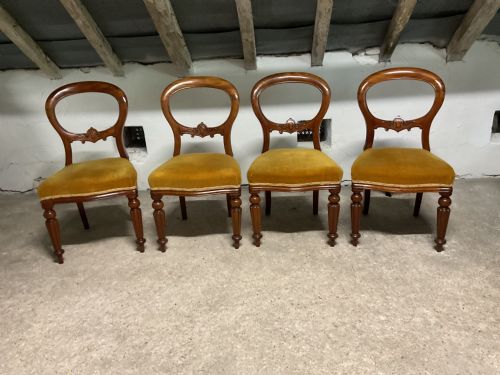
Victorian chairs from the mid to late nineteenth century tend to be heavier in construction, utilising balloon backs, walnut, or elm with bolder turning. Machine assistance became more common in Victorian workshops, whereas Georgian pieces show more hand tool work.