


Georgian Mahogany Seats
When seeking georgian mahogany seats, you are looking at chairs, benches, and stools built from rich timber during the eighteenth and nineteenth centuries.
Georgian Mahogany Seats
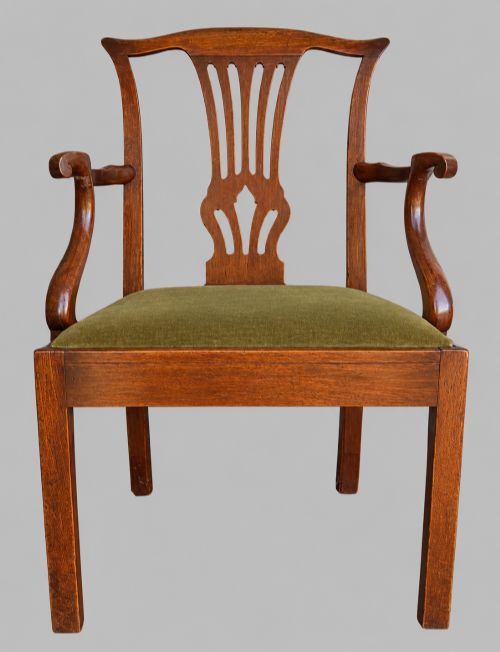
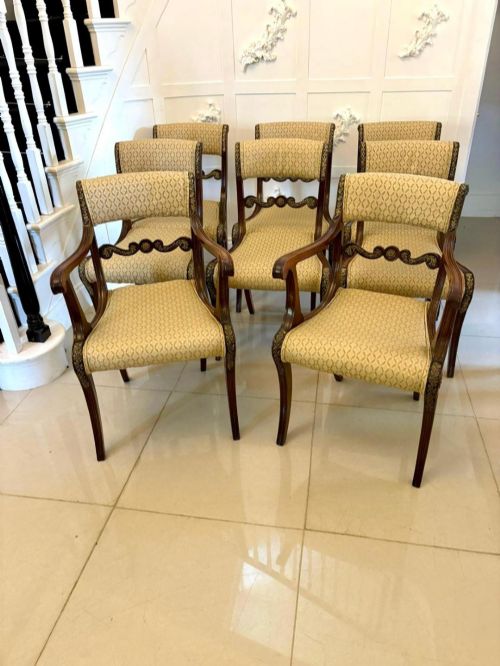
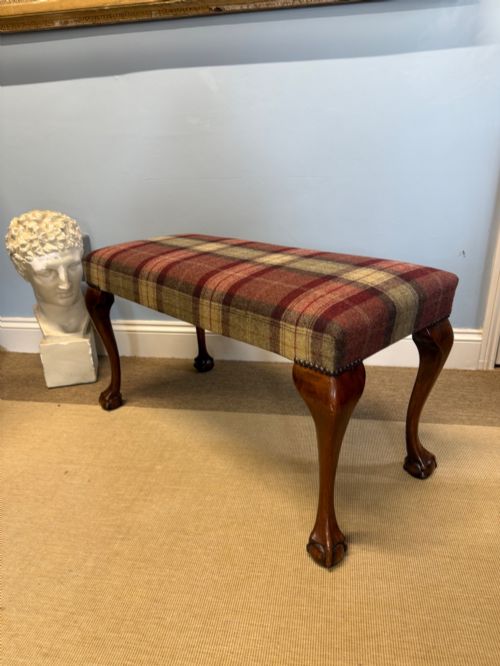
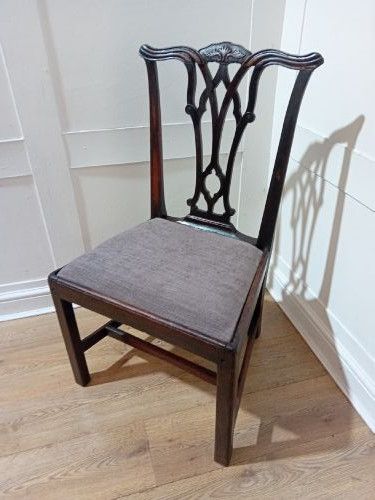
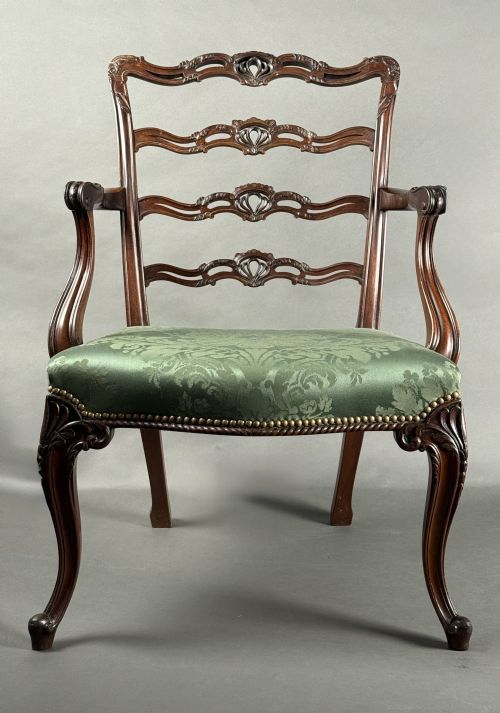
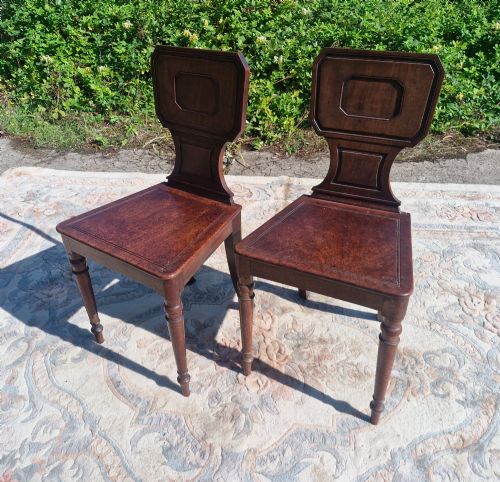
When searching for georgian mahogany seats, you will encounter a wide variety of furniture forms ranging from single dining chairs and library armchairs to grand sets, window seats, stools, and hall benches. These pieces span the eighteenth century, the Regency period, and later revivals from the nineteenth and early twentieth centuries.
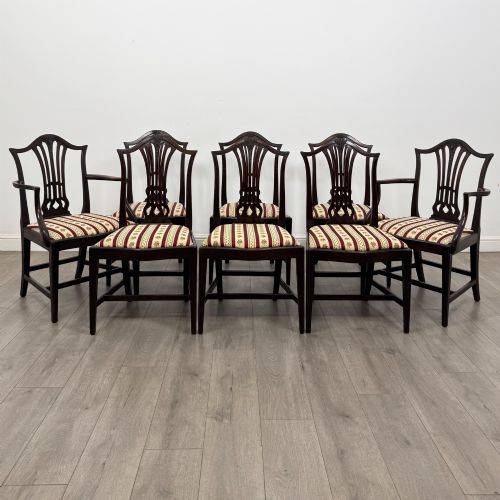
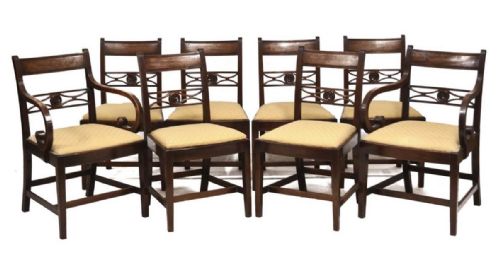
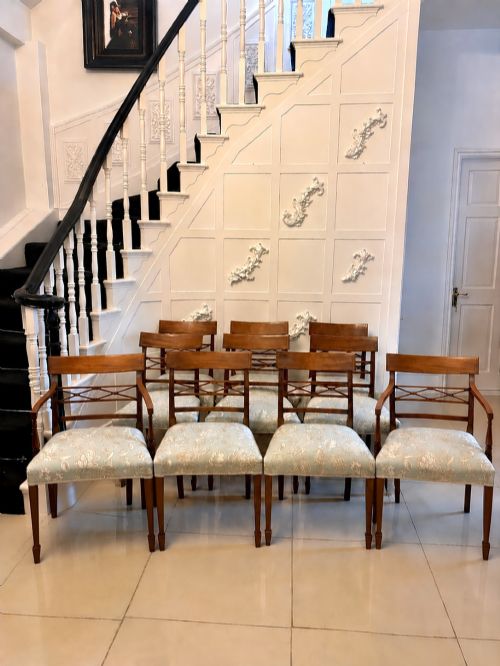
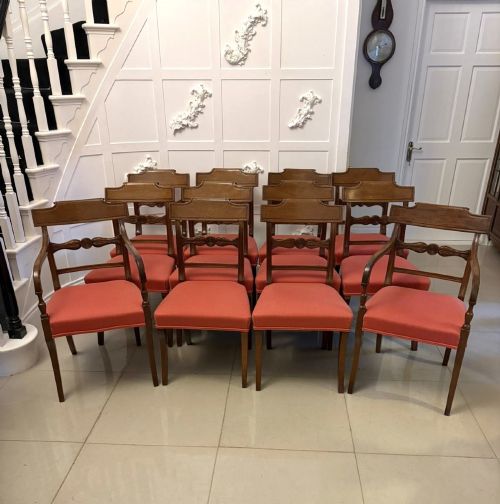
Dining chairs and carvers appear most frequently on this page, often found in matched sets of six, eight, or twelve pieces. Single hall chairs, footstools, and larger window benches supplement these dining groups, reflecting the diverse seating arrangements of period domestic interiors.
Materials and Construction
Solid mahogany forms the structural foundation of these seats, frequently chosen for its dense grain and deep natural colour. Workshops utilised imported Cuban and other tropical varieties of the timber to achieve robust frames that could withstand generations of daily use.
Traditional joinery techniques such as mortise and tenon secure the frames, while carved details adorn crest rails and splats. Seats themselves often incorporate drop-in frames or overstuffed padding covered in historical textiles like leather, velvet, needlework, and woven fabric.
Several sets include dedicated carver chairs specifically engineered with generous elbow room to accommodate eighteenth-century formal coats.
Assessing Craftsmanship
Quality in these seats reveals itself through the crispness of the wood carving and the proportional balance of the frame. Superior examples display finely pierced splats, elegant tapering legs, and thoughtful integration of brass inlay or subtle moulding.
The integrity of the underlying joinery and the survival of original timber surfaces distinguish finer examples from later reproductions. Consistent grain selection across a matched set further elevates the standing of a dining group.
Gillows·Whytock And Reid
The Georgian Mahogany Seats Glossary
- Carver
- An armchair, typically designed with elbow rests, intended for the head of a dining table. These pieces often matched a set of single side chairs.
- Splat
- The vertical wooden strip down the centre of a chair back, frequently pierced or carved into ribbon and ladder designs. It provides both structural support and aesthetic character.
- Drop-in seat
- A removable wooden frame upholstered separately and dropped into a rebated opening in the chair rails. This construction allowed for straightforward reupholstery over time.
- Bar back
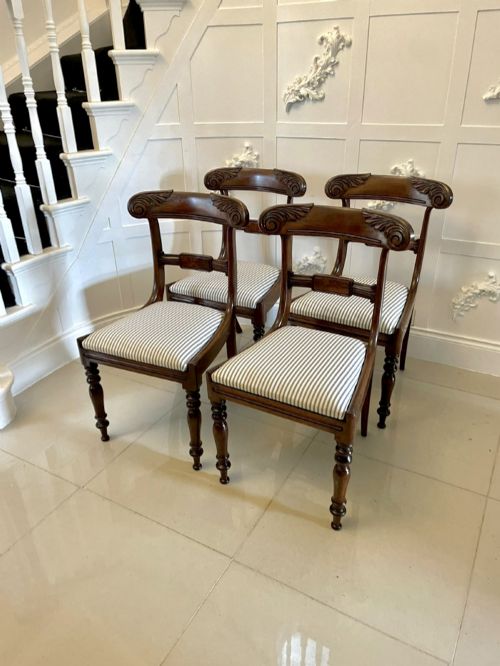
- A horizontal curved top rail resembling a flattened bar, characteristic of nineteenth-century seating styles. It offers comfortable back support while displaying rich timber grain.
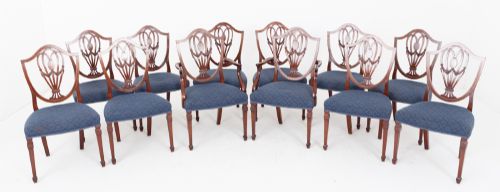
- Shield back
- A chair back shaped like a formal heraldic shield, popularized by eighteenth-century designers. This silhouette creates a lighter, more delicate visual profile.
Georgian Mahogany Seats: Frequently Asked Questions
How do I spot a true period piece?
Examine the timber surfaces for the rich patina and subtle wear that accumulate over centuries of handling and cleaning. Genuine older frames often show hand-cut joinery marks and variations in grain that modern machine-made reproductions lack.
Pay close attention to the structural weight and the way the components lock together. Period pieces rely on pegged mortise and tenon joints which feel entirely integrated rather than mechanically fastened.
Were carvers sold with single chairs?
Dining sets historically combined a majority of single chairs with a pair of matching armchairs, known as carvers, designated for the hosts. These matched sets ensured a unified appearance around the dining table.
Finding a complete set with both single chairs and original carvers remains a notable advantage for collectors. Many surviving groups have been assembled later, making matched sets particularly desirable.
How should I care for mahogany?
Protect the wood by keeping chairs away from direct heat sources and strong sunlight, which can dry out the timber and fade the finish. Routine dusting with a soft, dry cloth preserves the natural polish without building up chemical residues.
Condition the wood periodically with traditional beeswax to nourish the surface and maintain its deep lustre. Avoid modern silicone sprays that can penetrate the pores and damage the historic finish.
Can I use these chairs daily?
Solid mahogany construction provides exceptional strength, making these seats well-suited for everyday dining and regular use. Ensuring the joints remain tight and stable is the best way to safeguard the frame during daily sitting.
Upholstery fabrics may require occasional renewal depending on wear, but the wooden frames easily endure active domestic environments. Treat them with standard care and they will continue serving their original purpose.