


Brown Wood Curio Cabinet
A brown wood curio cabinet holds treasured possessions behind glass, uniting timber and light to elevate small objects.
Brown Wood Curio Cabinet
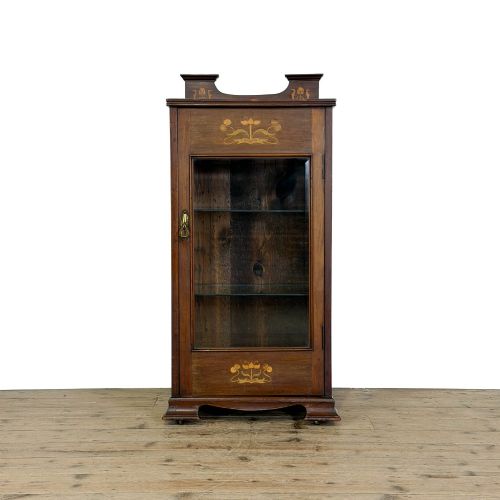
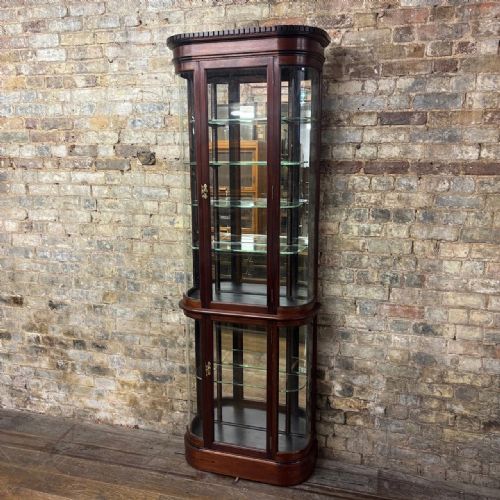
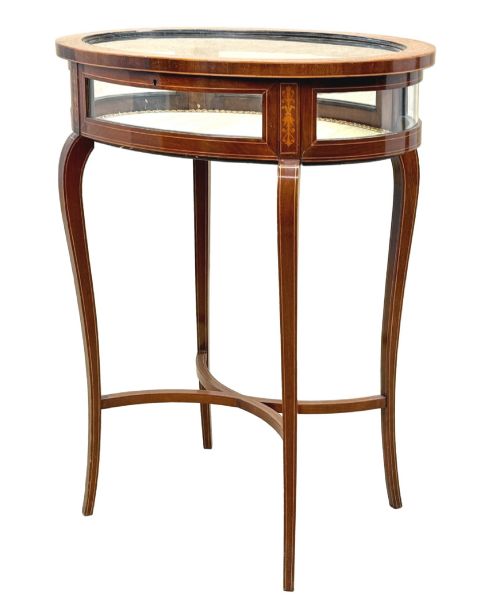
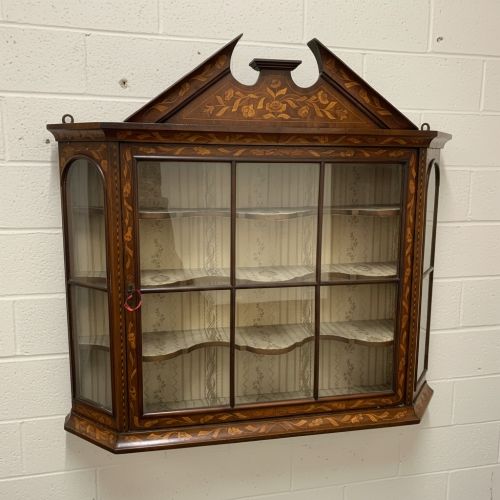
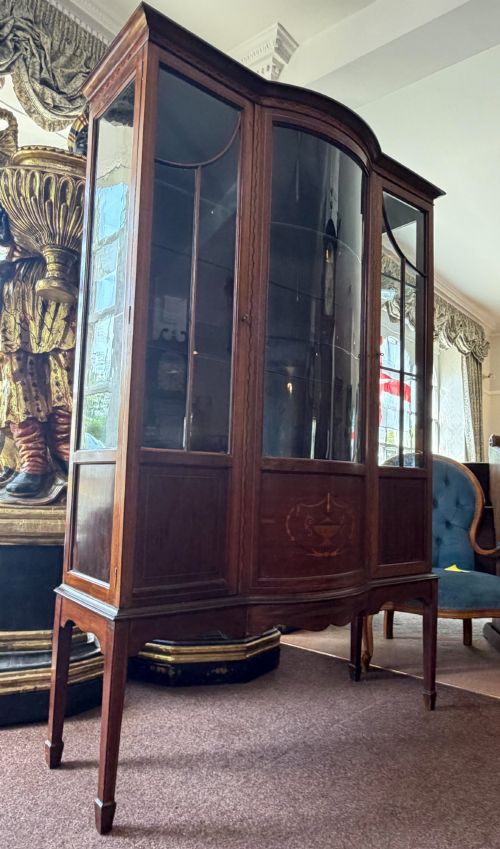
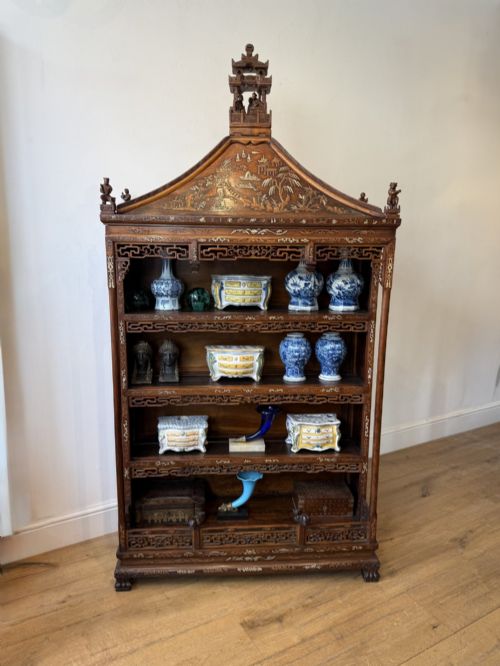
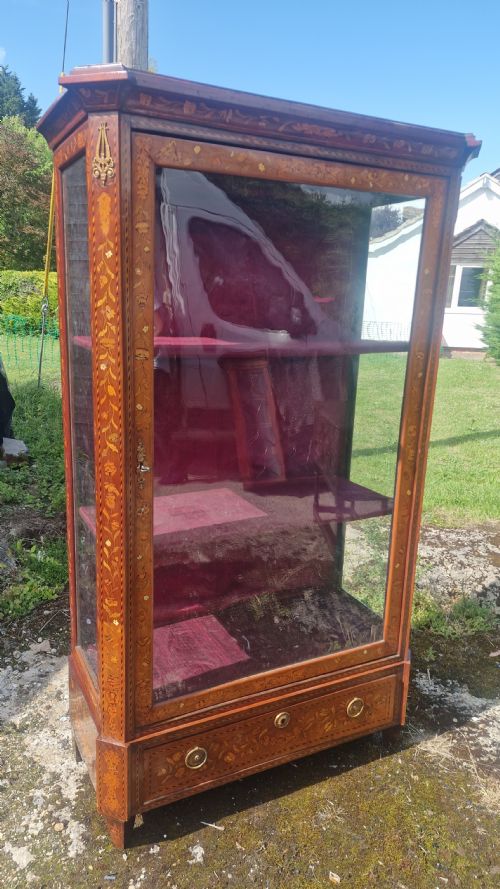
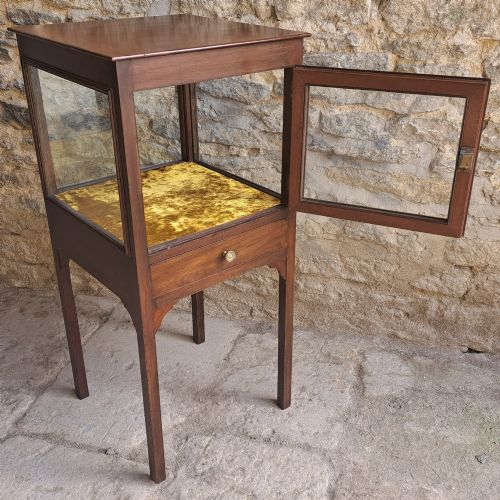
A brown wood curio cabinet encompasses display cabinets, vitrines, wall cabinets, and bijouterie tables designed to exhibit small collections. When exploring a brown wood curio cabinet, a buyer encounters pieces originating from the eighteenth, nineteenth, and early twentieth centuries, spanning Georgian, Victorian, Edwardian, and various continental revival styles.
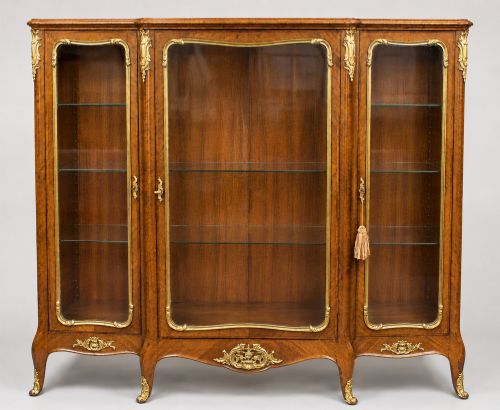
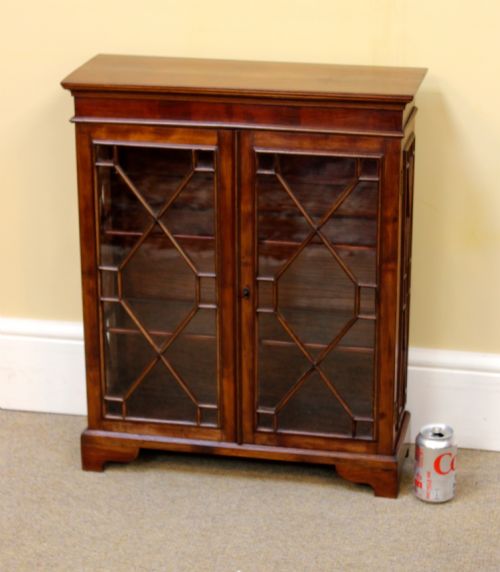
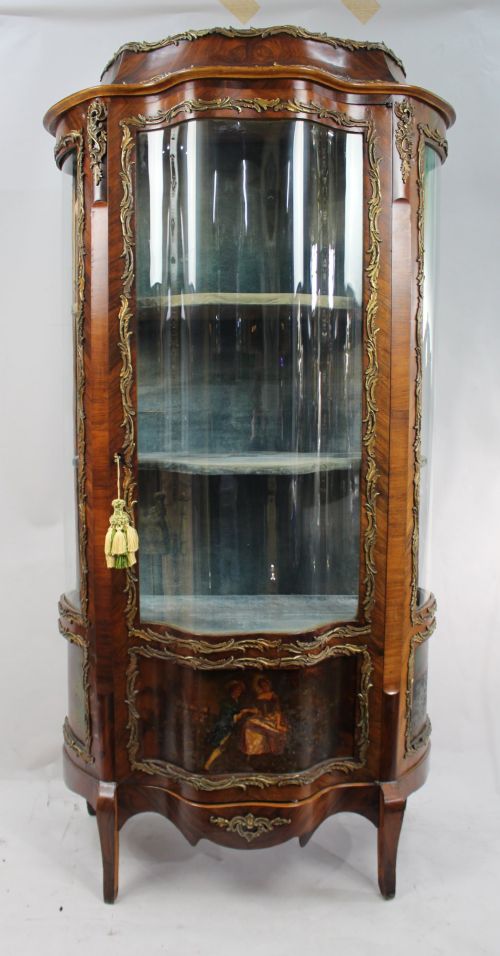
The selection frequently centres on mahogany and kingwood frames, often detailed with satinwood, brass, or ormolu mounts. Forms range from compact wall-mounted boxes and tabletop cases to large freestanding vitrines and serpentine cabinets fitted with glazed doors.
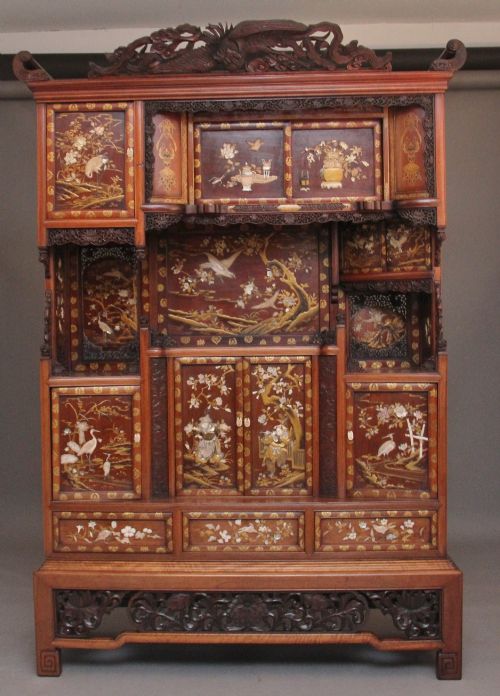
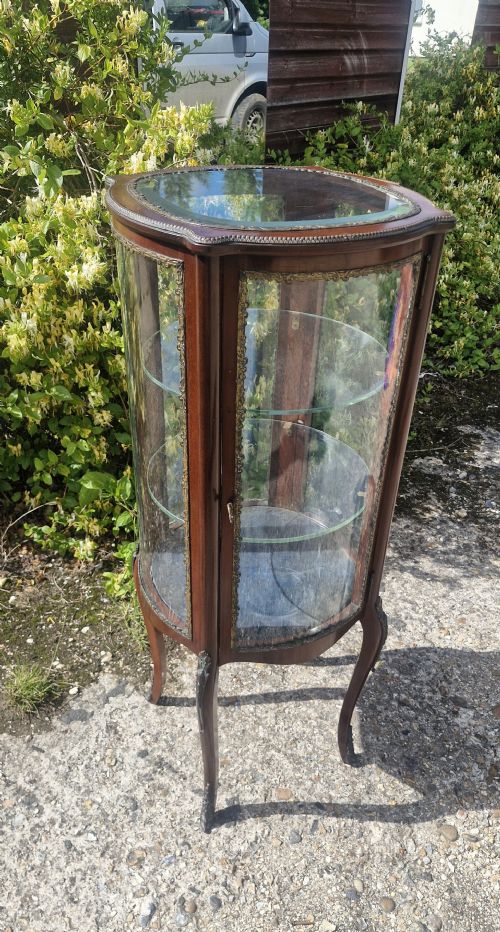
Makers and origins vary widely, including English Sheraton-inspired pieces, Dutch marquetry works, French Louis-style cabinets, and Japanese shodonas. These diverse origins provide numerous interpretations of timber framing paired with transparent glass viewing areas.
Materials and technique
Makers built these cabinets using solid and veneered timbers such as mahogany and kingwood, frequently incorporating satinwood crossbanding and delicate inlay work. Frames were joined using traditional cabinetmaking techniques to support heavy glass panels and mirrored backs.
Metal ornamentation played a major structural and decorative role, with brass, gilt metal, and ormolu mounts securing corners, framing doors, and accentuating cornices. Glass was glazed into doors and lift-off tops to enclose the interior space completely.
Even apothecary boxes found a way into the display world, turning medicinal storage into miniature glass-fronted viewing showcases.
Judging quality
Quality rests in the precision of the timber matching, the crispness of any inlay or marquetry, and the finesse of the bronze or ormolu mounts. Superior pieces display harmonious proportions, seamless wood grain continuity across panels, and finely fitted doors that close flush.
The integration of glazing bars, the weight and clarity of the glass, and the sophistication of internal shelving separate standard production from masterwork pieces. Refinement in period revival styling indicates the skill of the original workshop.
Waring and Gillow
The Brown Wood Curio Cabinet Glossary
- Vitrine
- A glass-fronted display cabinet designed specifically for showing porcelain, curiosities, and fine objects. These cabinets often feature glazed sides to maximise light penetration.
- Bijouterie table
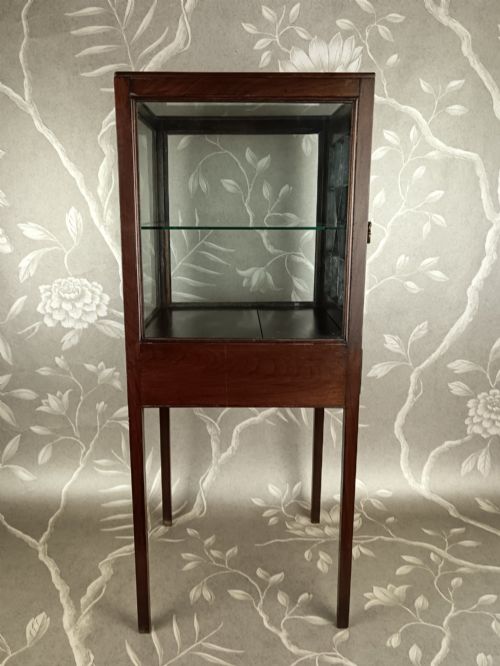
- A low display case with a glass top, frequently raised on slender legs, utilised for holding jewellery and small ornaments. They often include a hinged lid for easy access.
- Ormolu
- Gilded bronze ornamentation applied to furniture, popular in French and continental revival pieces. It adds metallic contrast against dark timber veneers.
- Marquetry
- Decorative veneer patterns formed by fitting together pieces of various coloured woods. This technique creates pictorial or geometric designs on cabinet surfaces.
- Crossbanding
- A border veneer technique where grain runs perpendicular to the main panel. It frames the central timber surface with a neat decorative edge.
Brown Wood Curio Cabinet: Frequently Asked Questions
What is a brown wood curio cabinet?
A brown wood curio cabinet is a glazed piece of furniture designed to showcase small decorative objects, porcelain, and collectibles while protecting them from dust.
These cabinets appear in various formats, including tall freestanding vitrines, wall-mounted display boxes, and tabletop bijouterie tables featuring wooden frames made from mahogany, kingwood, or walnut.
How were these cabinets used historically?
Historically, these cabinets served as social focal points in drawing rooms and parlours where hosts displayed their travel souvenirs, fine ceramics, and family treasures to visitors.
The inclusion of glass panels and mirrored interiors ensured that light reached every angle of the curated items, turning ordinary household rooms into private exhibition spaces.
How do I clean a wood cabinet?
Maintenance involves dusting the wooden surfaces gently with a dry, soft cloth and cleaning the glass panels with a mild glass cleaner applied to a cloth rather than sprayed directly onto the timber.
Avoiding excessive moisture and direct sunlight preserves the polish of the wood veneer and prevents the brass or ormolu mounts from tarnishing prematurely.
How can I tell Edwardian cabinets apart from Victorian ones?
Edwardian cabinets generally exhibit lighter proportions, brighter satinwood inlay, and cleaner neoclassical or Sheraton revival lines compared to the heavier, darker timber constructions typical of the Victorian era.
Victorian pieces often favour dense mahogany or walnut with elaborate carvings, whereas Edwardian examples lean towards airier designs with painted finishes or delicate stringing.