
Brown Wood Breakfast Table
A brown wood breakfast table brings warmth and utility to a room, offering sturdy timbers and classic proportions for daily dining.
Brown Wood Breakfast Table
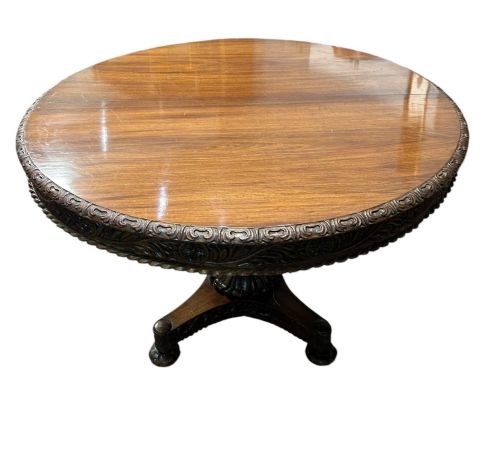
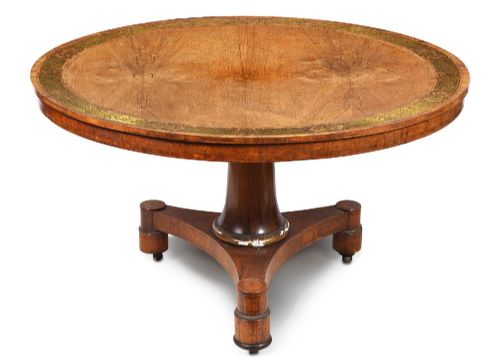
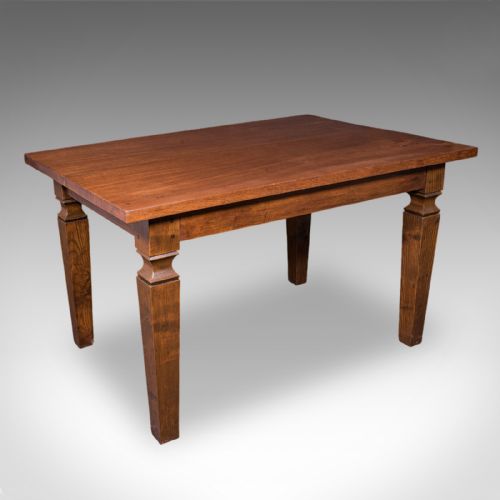
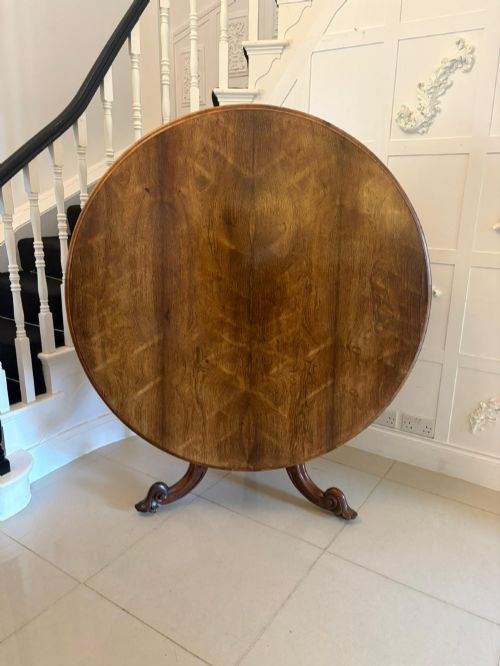
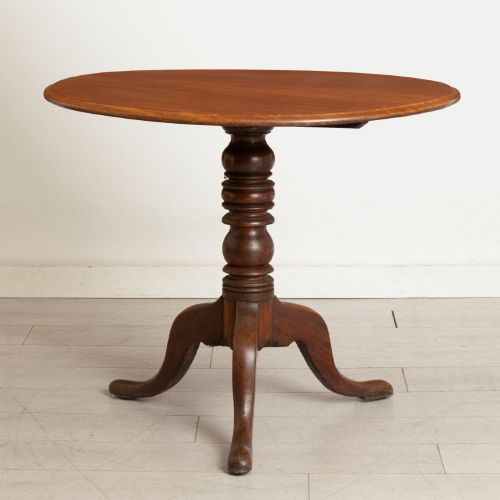
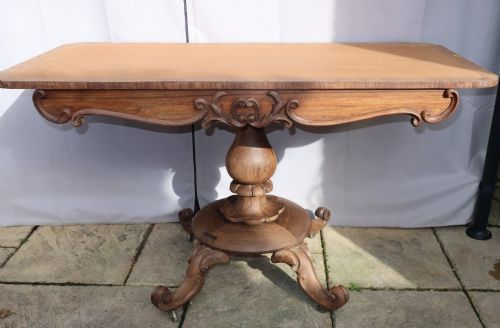
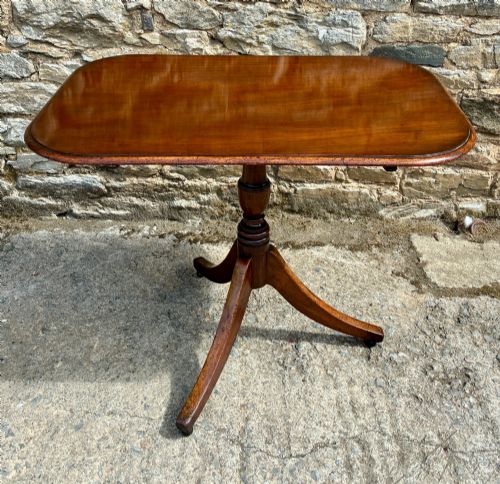
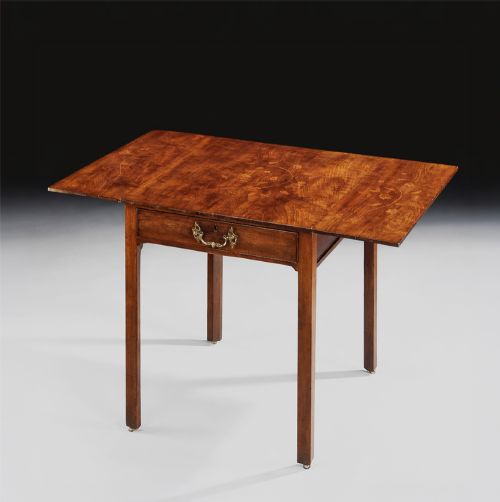
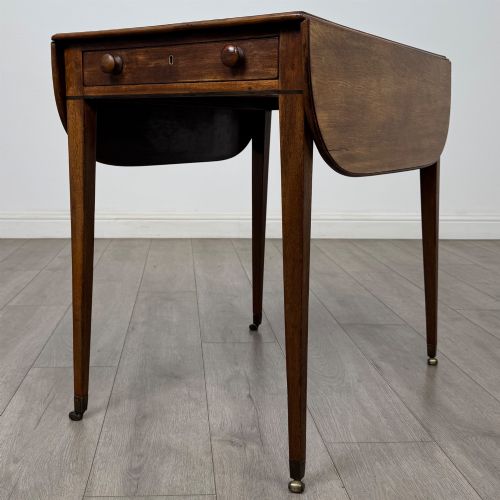
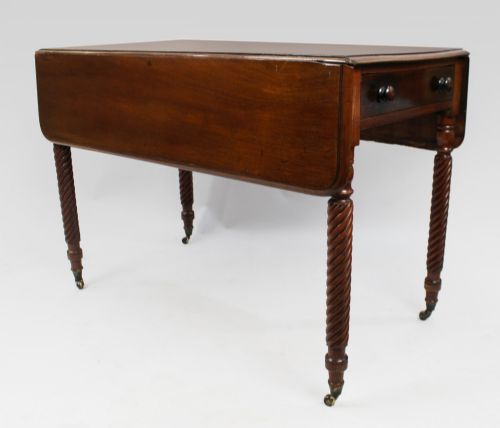
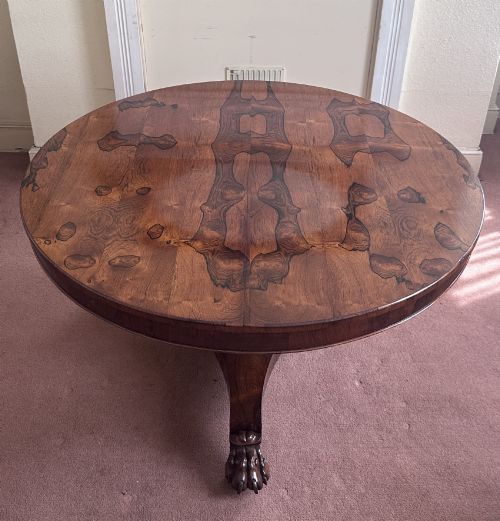
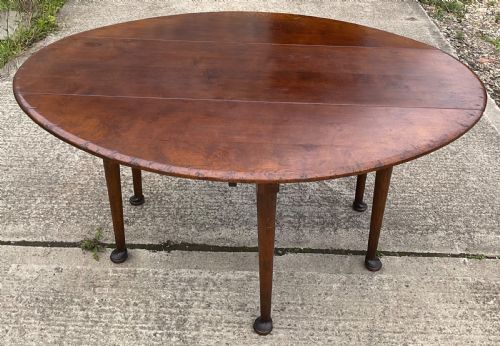
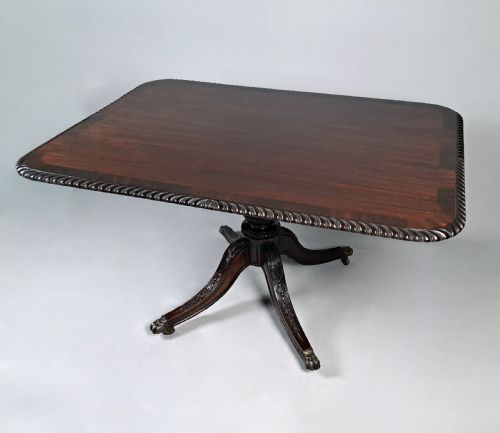
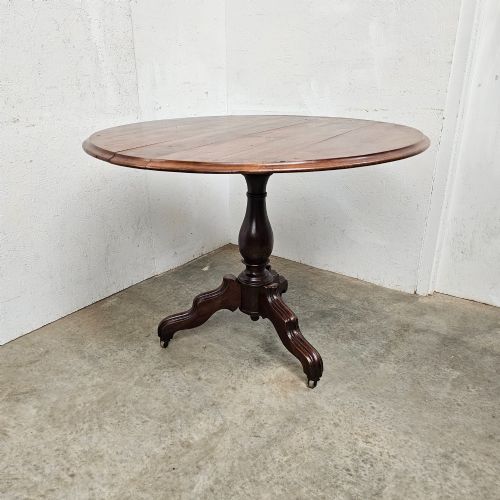
A brown wood breakfast table encompasses a variety of timber dining and centre tables spanning the Georgian, Regency, Victorian and later periods. The selection on this page relies heavily on mahogany, rosewood and walnut, appearing in forms such as tilt-top tables, pembroke tables, dropleaf designs and pedestal breakfast pieces.
Buyers seeking a brown wood breakfast table will frequently encounter round or oval formats supported by tripod bases or central pedestals. These range from small pembroke tables to larger circular dining and loo tables designed for practical domestic use.
How they were made
Cabinetmakers utilised dense hardwoods such as mahogany, walnut, rosewood and burr elm, often selecting figured veneers to create decorative tabletop surfaces. Crossbanding in satinwood and inlay work added contrasting borders to the rich brown background.
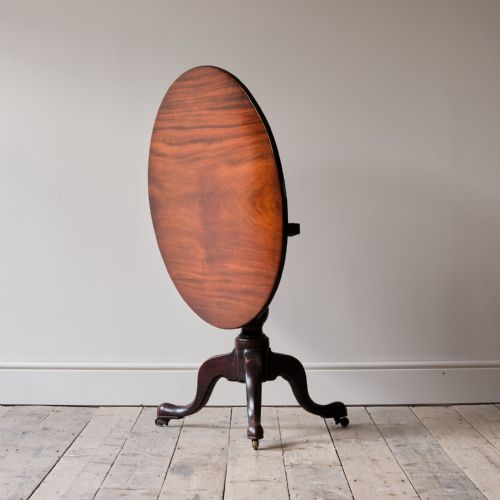
Construction techniques include tilt-top mechanisms pivoting on tripod pedestal bases, brass fittings, and drop leaves supported by hinged gatelegs. Solid timber frames provided the necessary strength for daily utility.
Listings feature mahogany, walnut, rosewood, elm and satinwood across Georgian, Regency and Victorian periods.
What varies in quality
Quality rests in the choice of timber, where highly figured mahogany, burr walnut or rosewood elevate a piece above plain stock. The crispness of hand-carved pedestals and the subtlety of satinwood crossbanding distinguish finer workshop output.
Structural integrity of the tilt-top mechanism and the stability of the central pedestal base define the engineering standard. Well-balanced proportions and refined brass inlays mark the upper tier of these tables.
Gillows·George Bullock
The Brown Wood Breakfast Table Glossary
- Tilt top
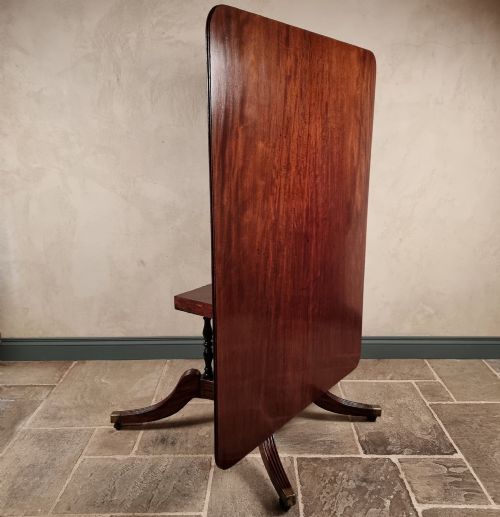
- A tabletop hinged to the pedestal column so it can tilt vertically when not in use. This allowed tables to be stored against walls to save floor space in period rooms.
- Pembroke table
- A small rectangular table featuring two hinged drop leaves on opposing sides. It often includes a single drawer and slender legs.
- Crossbanding
- A strip of veneer applied to the border of a tabletop with the grain running perpendicular to the main surface. This creates a contrasting frame effect.
- Pedestal table
- A table supported by a central column resting on a footed base rather than four distinct corner legs. This form allows maximum legroom for seated diners.
Brown Wood Breakfast Table: Frequently Asked Questions
What is a brown wood breakfast table used for?
These tables served primarily for morning meals and informal dining in private residences. Their versatile formats also suited them for general parlour use and needlework.
Over time, many of these pieces adapted to serve as central display surfaces or game tables in larger drawing rooms.
How do I identify a Regency period table?
Regency tables often feature heavy central pedestals, brass inlays, and dark tropical hardwoods like rosewood or mahogany. Their design draws inspiration from classical antiquity.
Proportions remain robust, and details such as reeded columns or brass paw feet frequently appear on pieces from this era.
What is a tilt-top mechanism?
A tilt-top mechanism uses a brass catch and a block pivot to let the tabletop swing from a horizontal position to a vertical one. This allowed the furniture to stand flat against a wall.
Cabinetmakers engineered these joints to lock securely when lowered for dining stability.
How should I care for a mahogany tabletop?
Mahogany surfaces benefit from gentle dusting with a dry cloth and occasional applications of traditional beeswax. Avoid placing them in direct sunlight or near heat sources to prevent the timber from splitting.
Using coasters and placemats protects the polished wood finish from moisture and heat marks during daily use.