


Brown Walnut Vanity Stool
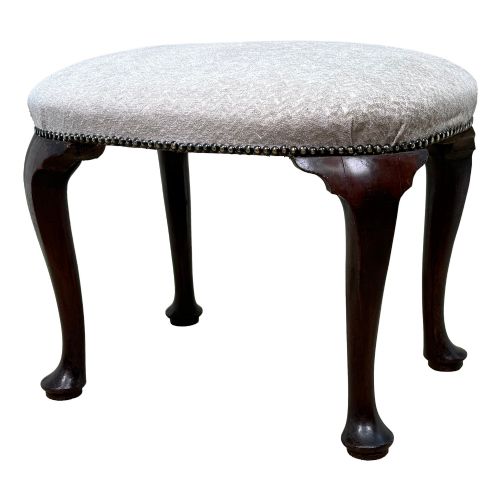
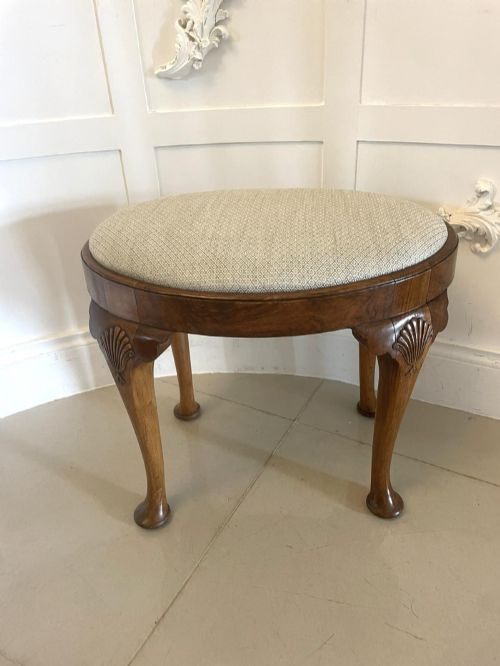
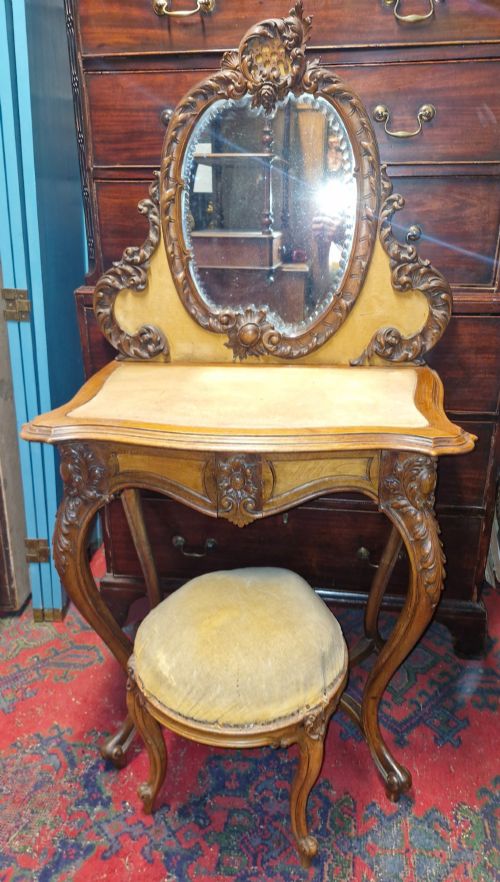
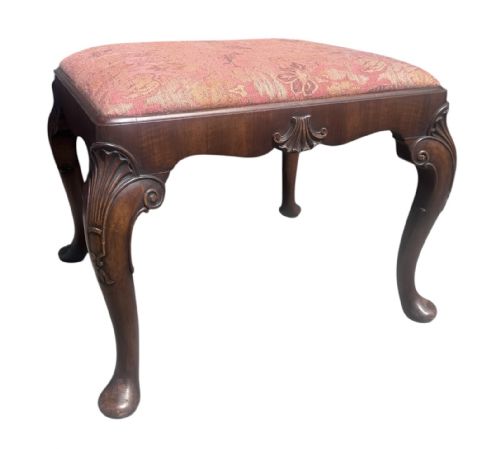
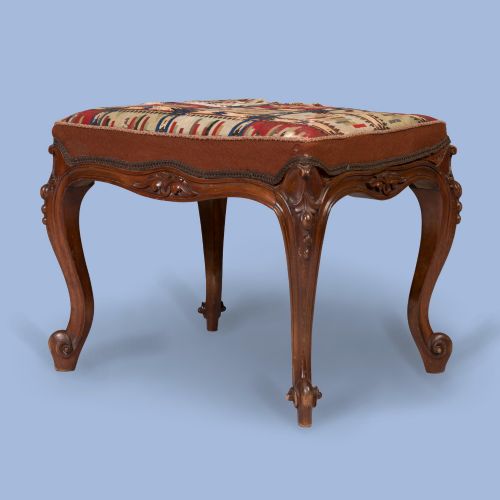
These brown walnut vanity stool options bring timber frame work and traditional seating to a dressing room or bedroom space.
Brown Walnut Vanity Stool
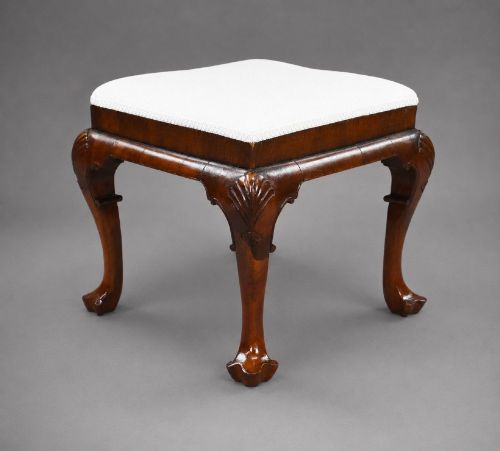
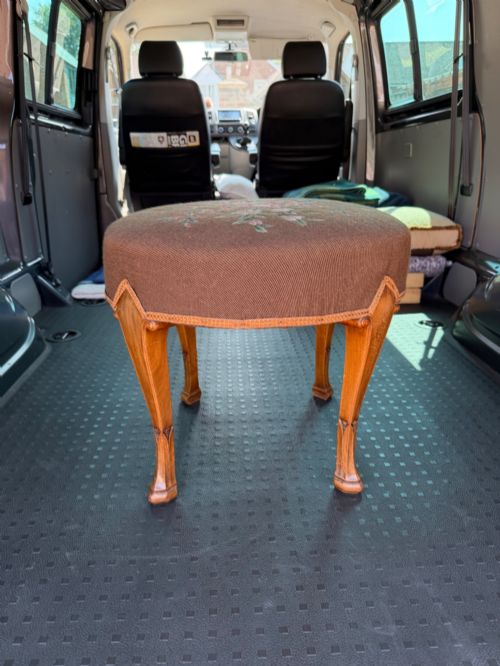
A brown walnut vanity stool serves as a low seating option traditionally placed before a dressing table or vanity unit in a bedroom. When searching for a brown walnut vanity stool, buyers encounter formats spanning the eighteenth century through to Art Deco designs of the 1930s.
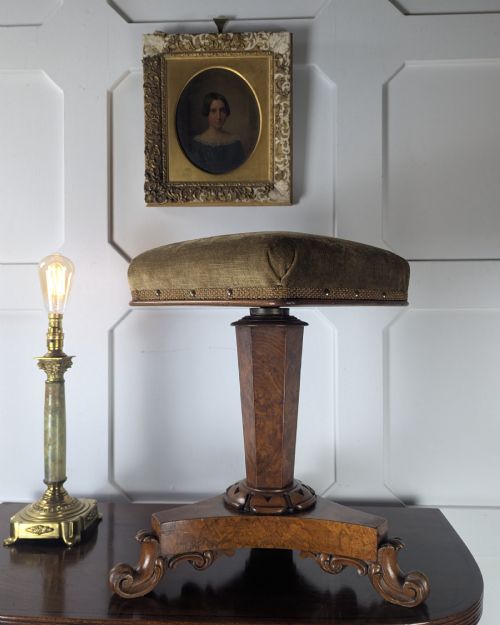
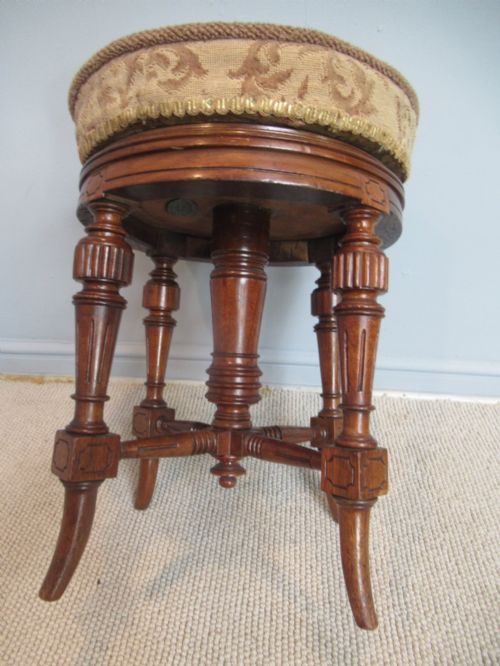
The selections on this page encompass dressing table stools, piano stools, and compact footstools framed in walnut timber. Victorian and Queen Anne revival pieces dominate the offerings, alongside earlier George I forms and later twentieth-century iterations.
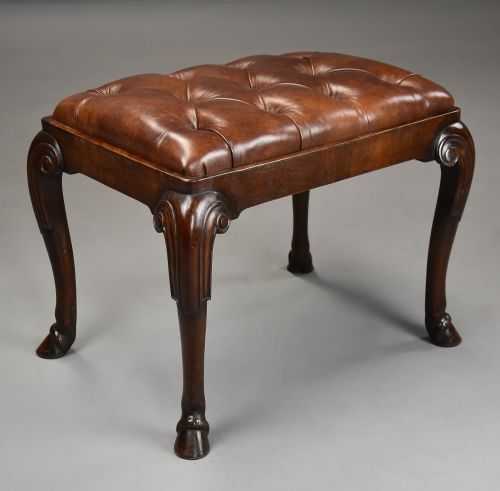
Many examples incorporate upholstered tops covered in fabric, velvet, tapestry, or leather, sometimes paired with adjustable mechanisms or internal storage compartments. The physical scale remains compact, designed to tuck neatly beneath a dressing surface when not in use.
Materials and construction methods
Carpenters utilised solid walnut and figured veneers for the wooden frames, shaping cabriole legs, X-frames, and straight supports through traditional joinery. Carved details frequently ornament the knees and edges of the timber frames.
Upholstery forms an essential component of the construction, employing textile, velvet, leather, and tapestry stretched over padding and secured to the wooden base. Brass elements occasionally appear on adjustable screw mechanisms or foot caps.
Several stools double as hidden storage boxes, proving that nineteenth-century Victorians appreciated a tidy dressing room as much as we do.
Distinctions in craftsmanship and preservation
The grade of the timber frame sets individual examples apart, with figured walnut grain and crisp hand-carved detailing representing finer work. Simple, unadorned structures sit at the simpler end of the scale.
The integrity of the original joints and the quality of the textile upholstery dictate the condition of each piece. Retaining period fabric or traditional stuffing influences the authenticity of historical items.
The Brown Walnut Vanity Stool Glossary
- Cabriole leg
- A furniture leg that curves outward at the knee and tapers inward toward the foot, mimicking animal limbs. This form appears frequently on Queen Anne and Georgian pieces.
- Figured walnut
- Timber exhibiting a decorative, swirling grain pattern rather than a plain appearance. Cabinet makers selected these sections for prominent surfaces.
- X-framed
- A structural design where two supporting members cross in the middle to form an X shape. This configuration provides sturdy support for ceremonial and domestic seating.
- Tapestry
- A heavy textile featuring woven pictorial or geometric designs used historically for upholstery. Such covers add colour and texture to the top of a stool.
- Adjustable piano stool
- A seat featuring a mechanism that raises or lowers the height of the platform by revolving the top. These pieces date largely from the nineteenth century.
Brown Walnut Vanity Stool: Frequently Asked Questions
How do I date a walnut stool?
Dating relies upon stylistic markers such as cabriole leg profiles, carving depth, and construction methods. Eighteenth-century pieces display different joinery techniques compared to Victorian or 1930s Art Deco examples.
Examining the underside and the wear patterns on the timber provides additional clues regarding the age and period of manufacture.
Where were these stools used?
These pieces sat primarily in bedrooms or dressing rooms before a dressing table to provide a seat during grooming. Some variants functioned at a piano or served as general footstools.
Their compact dimensions allowed them to store away beneath furniture surfaces when the room required extra floor space.
Are all these stools antique?
The selection includes items spanning multiple centuries, ranging from early eighteenth-century examples up through nineteenth-century Victorian pieces and twentieth-century Art Deco creations.
Each listing notes the specific period or estimated decade of origin to help distinguish between original antique eras and later revivals.
How should I care for the walnut frame?
Maintenance involves dusting the timber regularly with a soft cloth and avoiding placement near direct heat sources or strong sunlight. Maintaining stable room humidity protects the wood grain.
Harsh chemical polishes should be avoided in favour of traditional wax treatments suited to antique wood surfaces.