
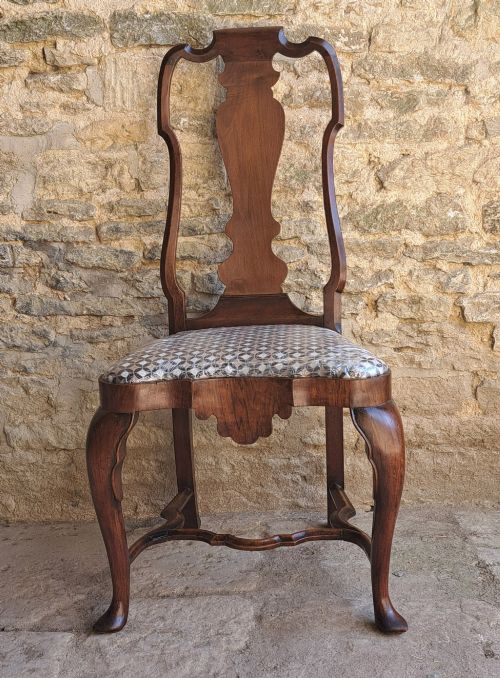
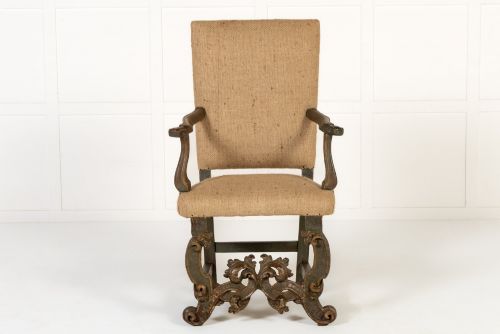
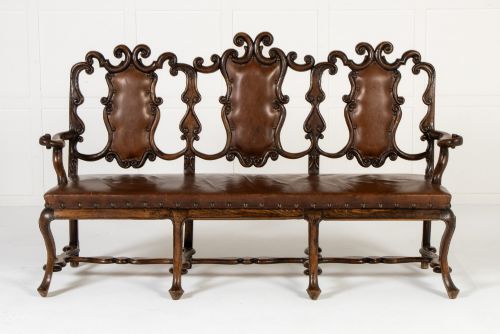
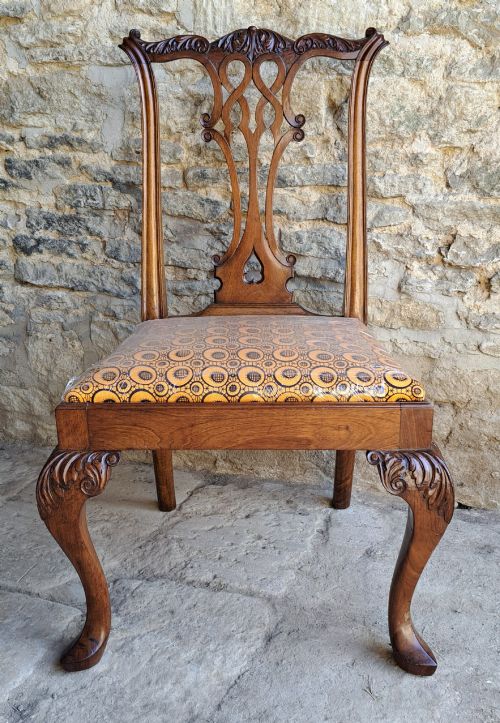
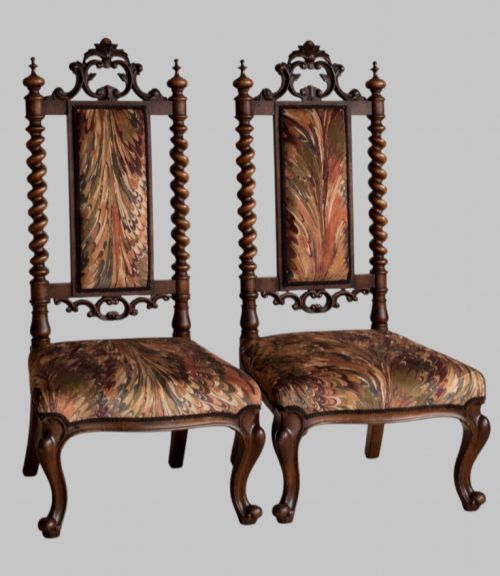


Brown Walnut Hall Chairs
Brown walnut hall chairs combine dense timber with rigid upright forms designed for grand entryways.
Brown Walnut Hall Chairs
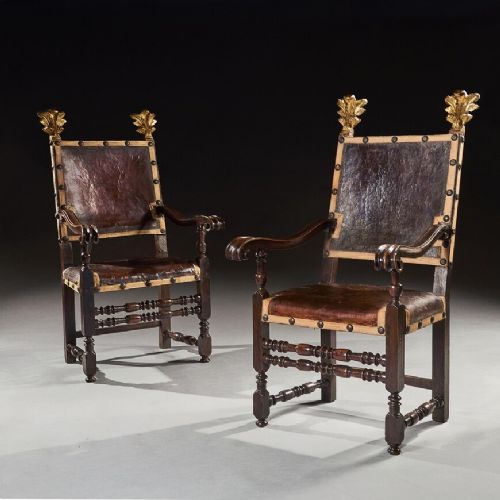
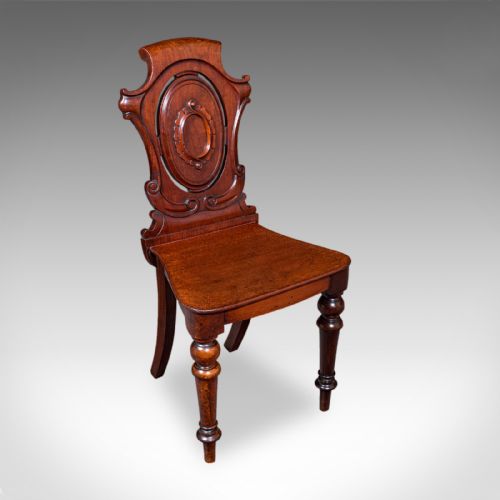
When you search for brown walnut hall chairs, you encounter rigid timber seating fashioned for grand entryways and reception spaces. These pieces date from the seventeenth century through to the twentieth century, encompassing Victorian, George I, and William & Mary styles.
Makers often incorporated carved details, high backs, and solid wood panels into these hall chairs. The survival of such timber furniture demonstrates the enduring utility of domestic seating designed for transitional spaces.
How they were made
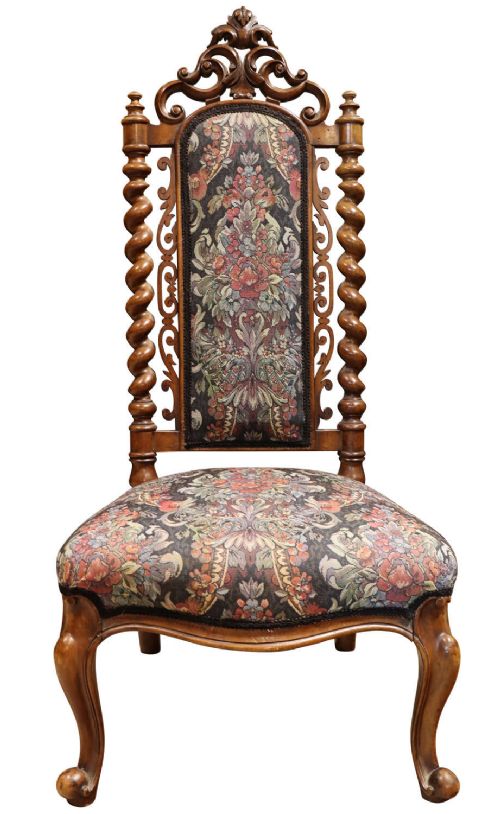
Joiners and cabinetmakers relied on solid walnut timber for its strength and rich grain. Workshops frequently employed carving, barley twist supports, and marquetry to decorate the wooden frames.
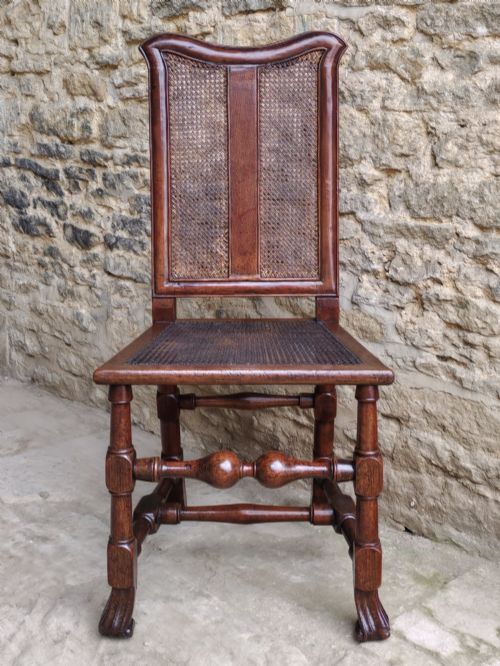
Upholstered versions integrated materials like leather, fabric, cane, and tapestry. Brass accents and bone inlays occasionally appeared on Italian and regional European pieces to add contrast.
Several chairs feature bone inlay, proving that historical visitors appreciated a bit of clandestine sparkle while waiting in the hallway.
What varies in quality
The standard of carving determines much of the distinction among these chairs, moving from simple turned supports to deeply sculpted figural and floral reliefs. Crisp execution in the timber work separates routine production from ambitious cabinetmaking.
The integrity of the walnut timber and the retention of original upholstery materials dictate the standing of a piece. Examples retaining authentic surface patination and robust joinery display superior historical survival.
Waring & Gillow·Whytock & Reid of Edinburgh
The Brown Walnut Hall Chairs Glossary
- Hall chair
- A rigid wooden seat intended for an entrance hall or reception space rather than prolonged sitting. These items usually feature high backs and solid wooden or upholstered seats.
- Marquetry
- The art of applying thin pieces of wood veneer to a structure to form decorative patterns. Craftsmen utilised contrasting timbers to create geometric designs on chair backs.
- Barley twist
- A type of turning shaped like a spiral resembling twisted rope. This decorative technique appears frequently on nineteenth-century chair legs and supports.
- Sgabello
- A Renaissance chair type featuring a wooden seat and carved trestle supports. Italian examples often display elaborate ornamentation and high backs.
Brown Walnut Hall Chairs: Frequently Asked Questions
Where did people place brown walnut hall chairs?
Households positioned these rigid wooden chairs in entrance halls, corridors, and reception rooms where visitors waited briefly.
Because they lacked thick upholstery, they occupied minimal space and resisted dust in high-traffic entryways.
How do I care for walnut timber?
Protect the wood by maintaining stable indoor humidity and avoiding direct exposure to strong sunlight.
Apply occasional traditional wax to nourish the grain and preserve the surface finish.
Are these chairs comfortable for daily sitting?
Most hall chairs were built with upright wooden backs and firm seats intended for short-term posture.
Versions with upholstered pads offer a slightly softer seat while maintaining the original narrow profile.
How do I distinguish early periods from later revivals?
Examine the construction methods, tool marks, and wood seasoning visible on the underside of the seat. Period pieces display joinery and wear consistent with their stated centuries rather than later revival movements.