
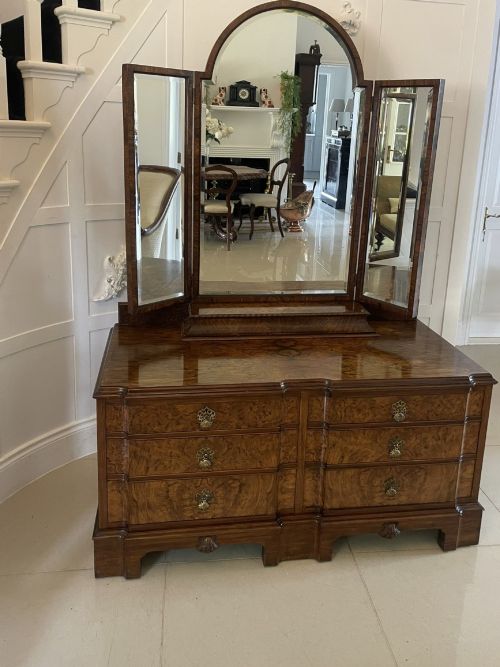

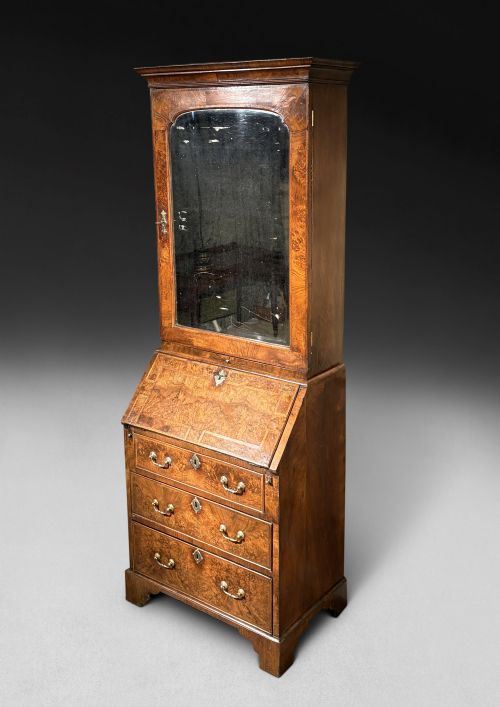
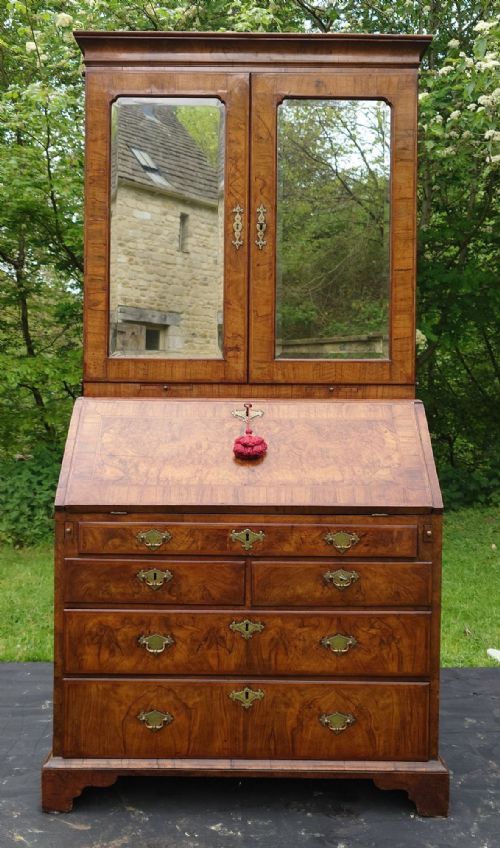


Brown Walnut Desk Mirror
A brown walnut desk mirror brings rich timber and practical reflection to a surface, offering the warmth of burr veneers and period craftsmanship.
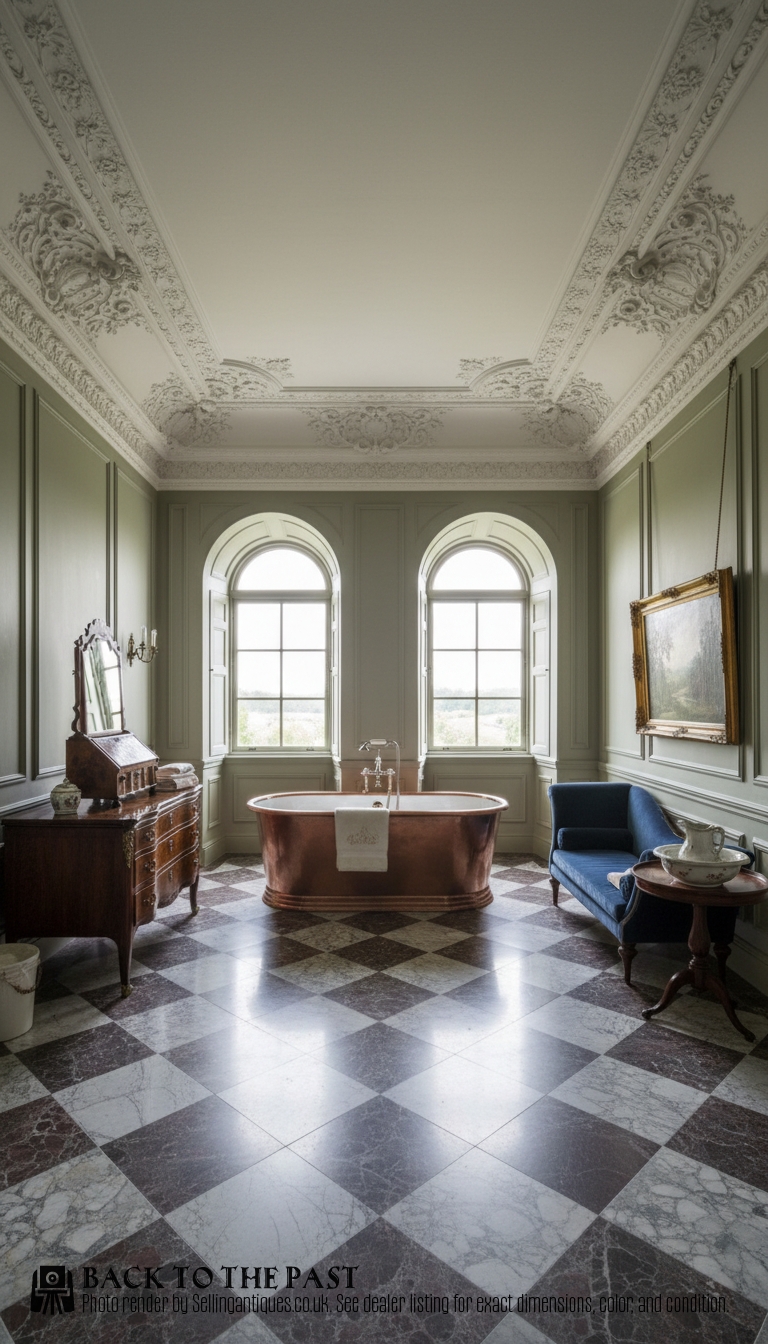
Brown Walnut Desk Mirror
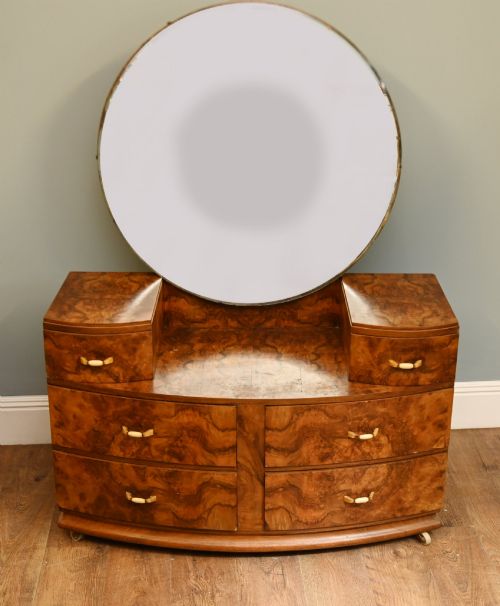
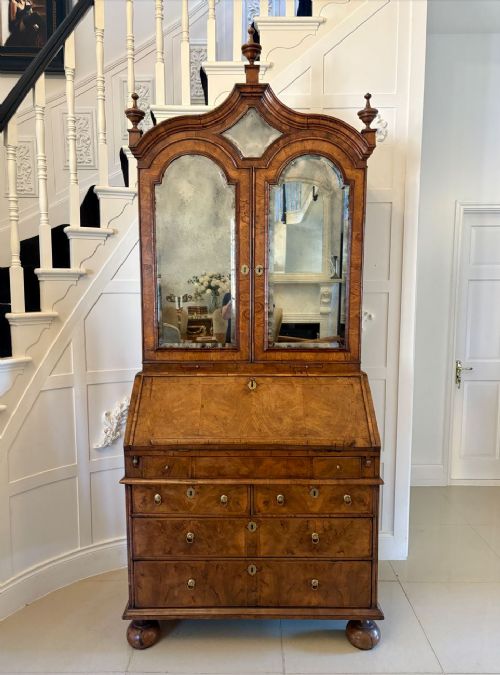
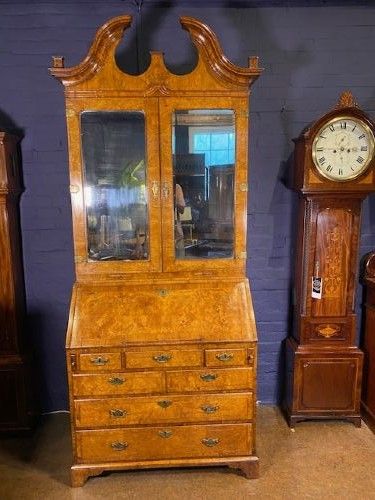
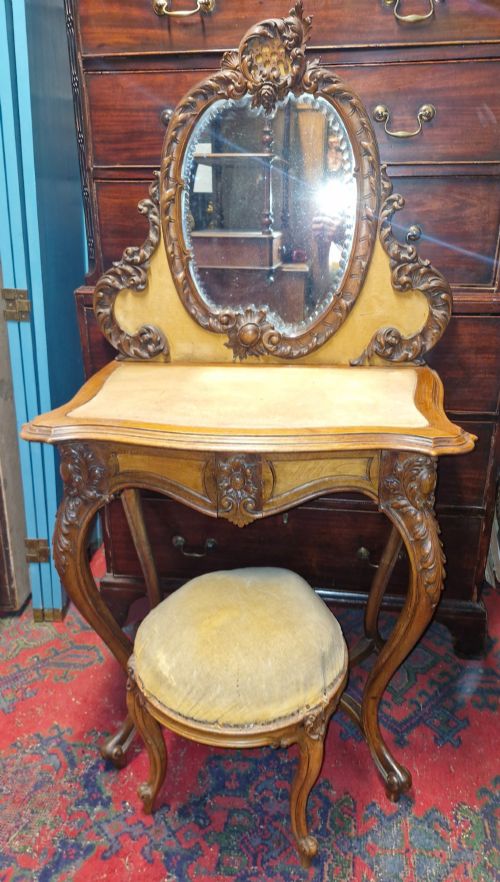
The selections on this page span several centuries, featuring Queen Anne, George I, and Victorian interpretations of the form. Alongside independent mirrors, related pieces such as dressing tables and bureau bookcases appear in walnut and burr walnut.
Makers utilised solid timber and veneers, often incorporating small drawers or fitted compartments beneath the glass plate. Buyers encounter both simple upright frames and more elaborate constructions with marquetry or tilting mechanisms.
Materials and construction
Cabinetmakers worked primarily with walnut and burr walnut veneer, applying figured timbers over secondary woods to create rich surface patterns. Brass hinges, brackets, and lock escutchein plates provided functional contrast to the dark timber.
Mirror glass formed the central element, held within rebated frames that allowed the plate to tilt between upright supports. Traditional joinery methods united the base compartments, which frequently featured small drawers assembled with dovetails.
Listings feature walnut, burr walnut veneer, brass, and glass across periods from the seventeenth century through the Victorian era and Art Deco years.
Evaluating the standard
Quality rests in the selection of the burr walnut veneer and the crispness of any applied featherbanding or inlay. Superior examples display symmetrical figuring across the drawer fronts and mirror frame.
The integrity of the original mirror glass and the stability of the tilting mechanism distinguish finer pieces. Construction details, such as tidy internal pigeonholes and well-fitted drawer boxes, mark out superior cabinet work.
The Brown Walnut Desk Mirror Glossary
- Burr walnut
- A decorative timber sliced from walnut tree growths, yielding intricate swirling patterns. Cabinetmakers used these veneers on prominent surfaces like mirror frames and drawer fronts.
- Toilet mirror
- A small table-standing glass designed for dressing tables and desks. These pieces usually feature a set of miniature drawers in the base block.
- Featherbanding
- A type of decorative inlay created by cutting veneers diagonally and arranging them in a herringbone pattern. This technique borders drawer fronts and panels on period pieces.
- Bureau fitment
- An interior arrangement of small drawers, pigeonholes, and secret compartments built into a writing section. Some mirror designs incorporate these fitted boxes within their base.
- Marquetry
- The art of forming decorative patterns using fitted pieces of various wood veneers. Dutch and English makers applied floral or geometric marquetry to cabinet surfaces.
Brown Walnut Desk Mirror: Frequently Asked Questions
Where should I place a desk mirror?
These mirrors suit dressing tables, chest tops, and writing desks where a portable reflective surface is useful.
Position them away from direct moisture to protect both the wood and the silvering on the glass.
How do I date a walnut mirror?
Examine the timber species, veneer thickness, hardware styles, and the construction of the base drawers.
Periods like the Queen Anne era and the Victorian age each employed distinct moulding profiles and joinery methods.
Are the mirror plates original?
Many older pieces have replacement mirror glass due to the fragility of historic silvering.
Original plates often show slight foxing, distortion, or thinness, which collectors accept as signs of age.
What is the difference between a toilet mirror and a bureau mirror?
A toilet mirror focuses purely on the frame and base drawers intended for grooming items.
A bureau mirror includes a small writing compartment or sloped desk fitment integrated into the lower structure.