
Brown Walnut China Cabinet
A brown walnut china cabinet brings warmth and figured grain to a room while securely housing your porcelain and glassware.
Brown Walnut China Cabinet
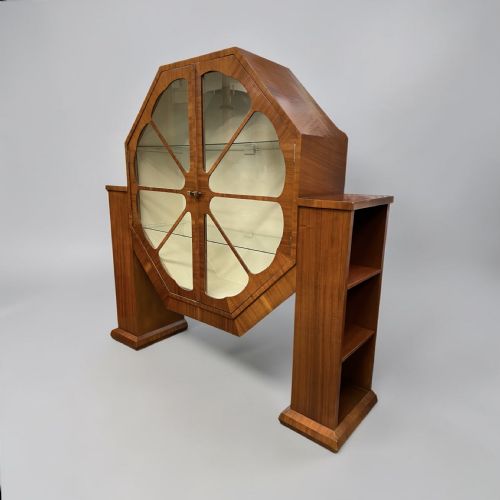
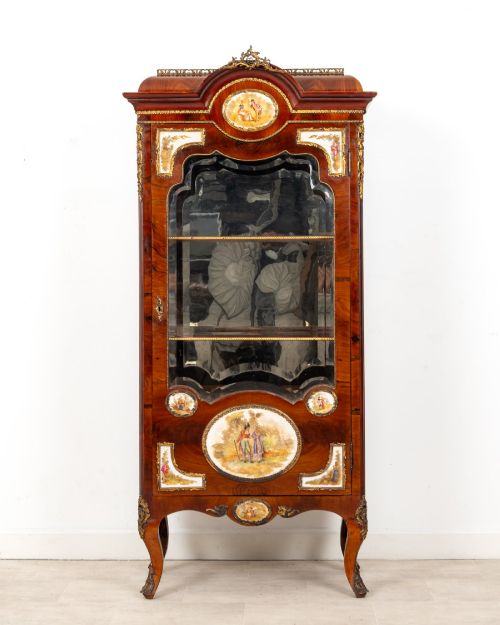
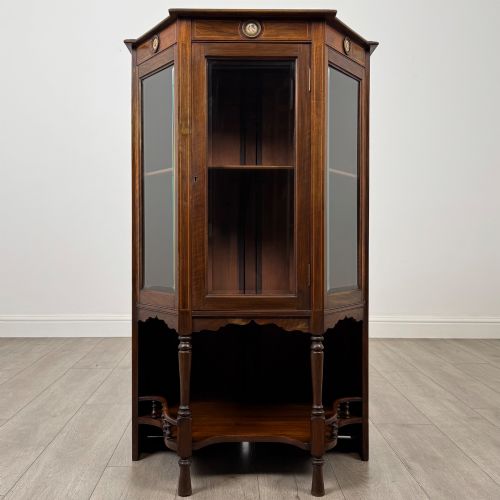
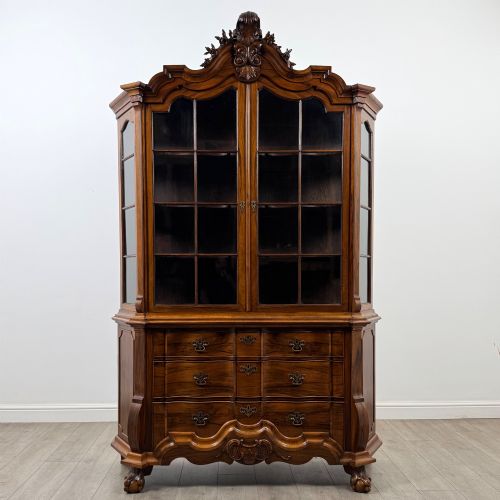
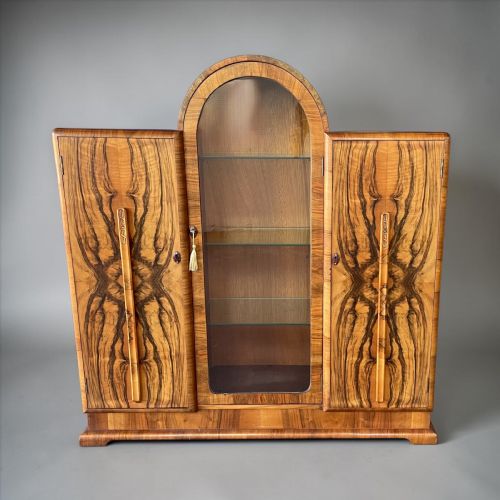
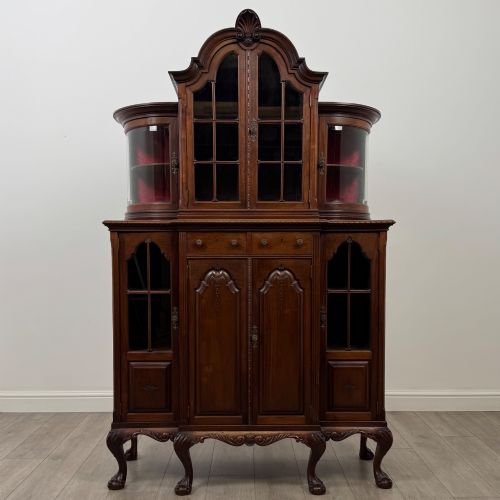
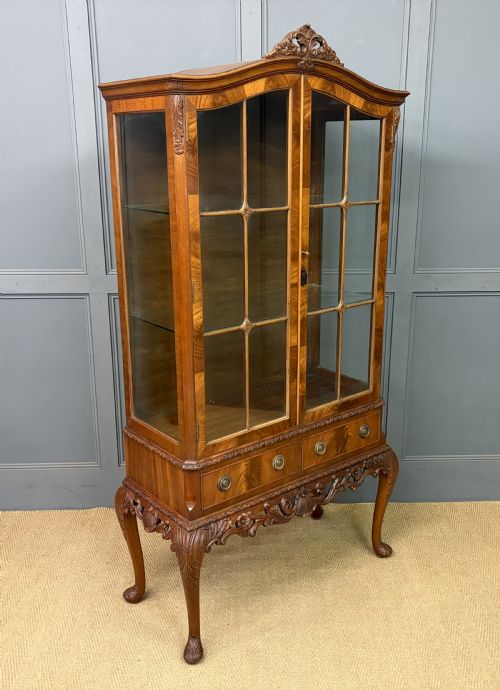
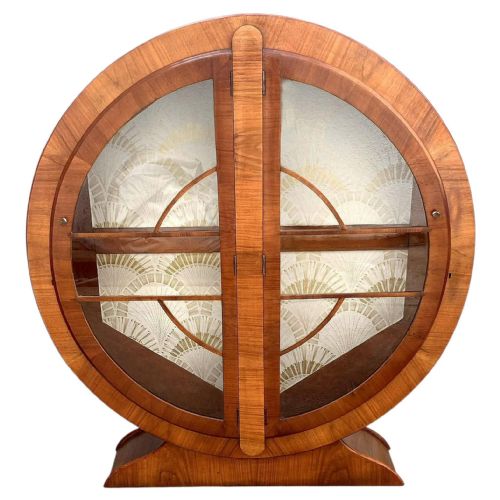
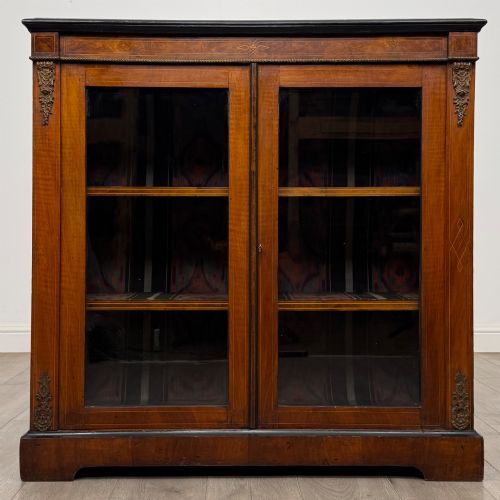
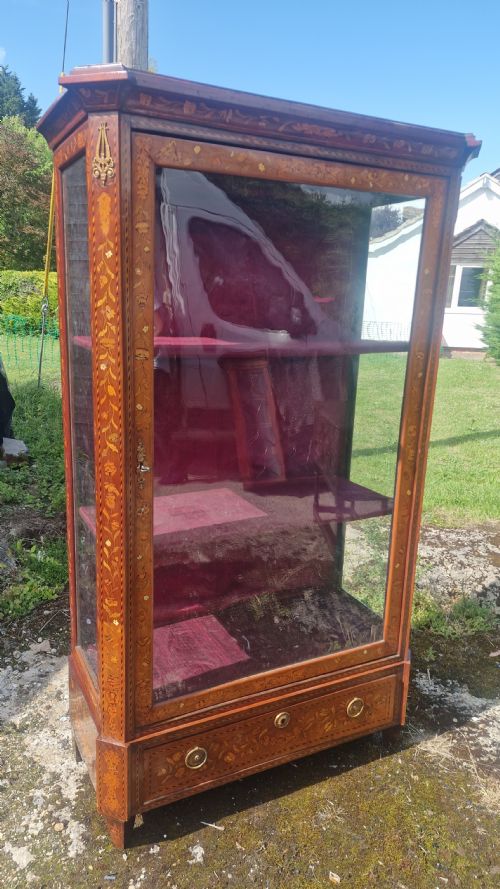
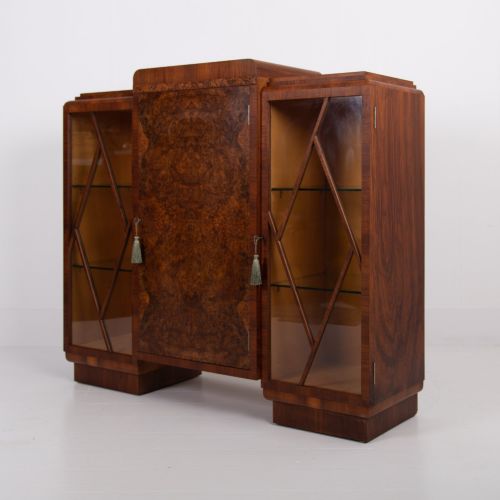
A brown walnut china cabinet serves primarily to display and protect valuable tableware, ceramics and decorative objects behind glazed doors. When you examine the options within this category, you encounter everything from compact corner units and low pier cabinets to tall glazed bookcases and bombé shaped storage pieces. These pieces span multiple eras, including the eighteenth century, the Victorian period, the Edwardian years and the 1930s Art Deco movement.
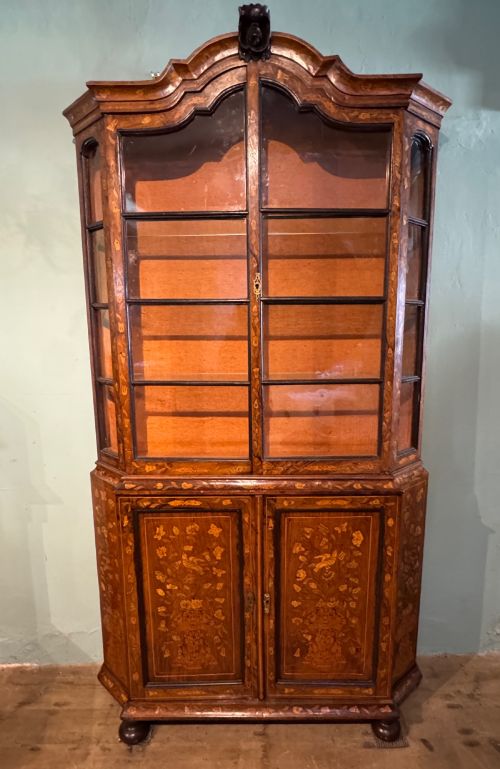
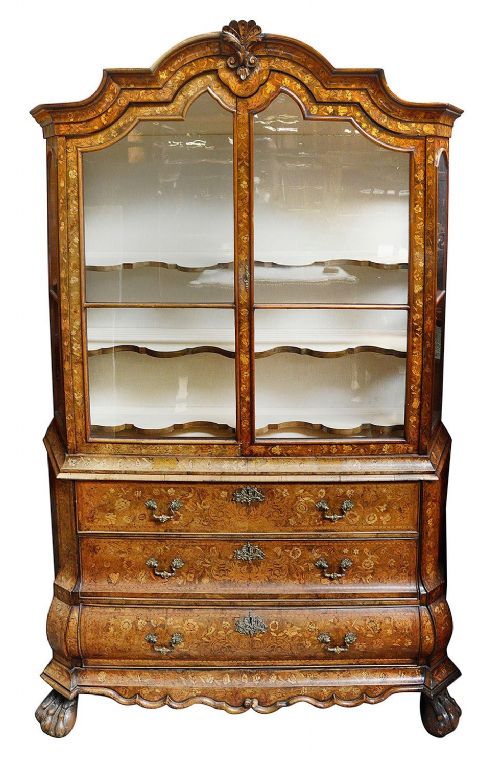
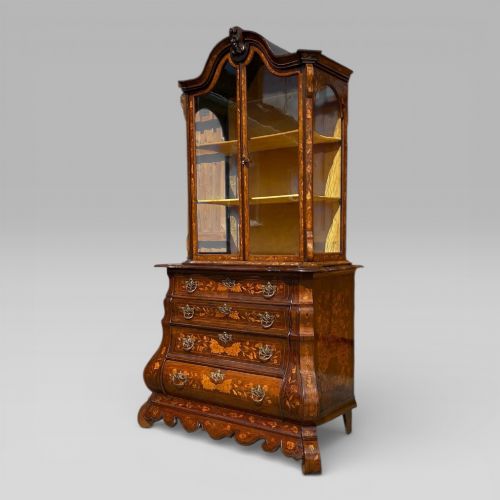
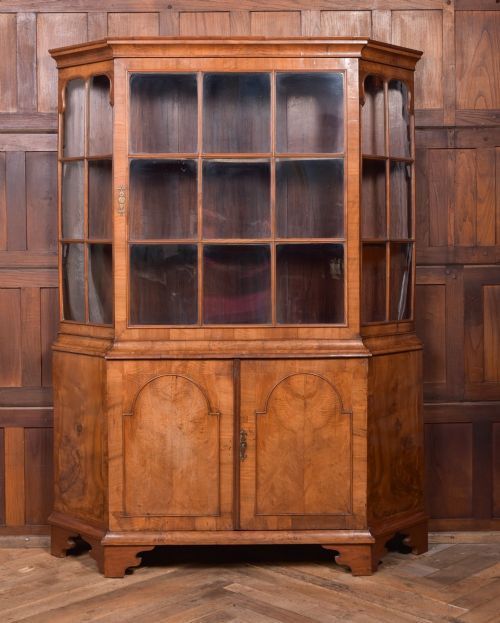
The most frequent examples you meet on this page lean heavily into Dutch marquetry, Queen Anne Revival styles and streamline Art Deco forms. Makers utilised rich timbers to create display storage that functions equally well as a bookcase or a dedicated vitrine. Cabinets range from narrow single-door cupboards to imposing two-part library pieces fitted with adjustable wooden shelves.
Regional variations shape these items significantly, particularly in the contrast between restrained English proportions and elaborate continental designs. French and Dutch examples often incorporate floral inlay or curved bombes, whilst English pieces favour straight glazed panels and crossbanded borders. Each iteration reflects the prevailing interior fashions of its specific decade.
Materials and construction methods
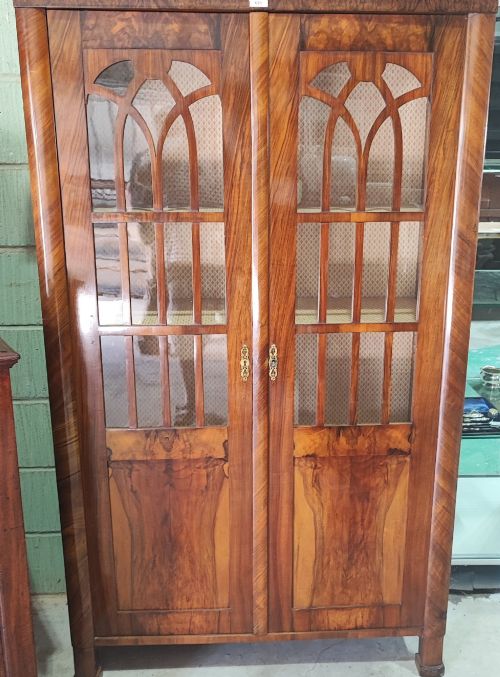
Cabinet makers relied heavily on walnut as the primary structural and decorative timber, frequently selecting burr walnut or figured veneers to create striking patterns across the large front surfaces. These veneers were carefully applied over secondary woods, using the natural grain to form symmetrical designs on doors and panels. Marquetry details, incorporating lighter and darker woods, added intricate floral or geometric motifs to continental pieces.
Glass panels were secured within wooden frames or leaded cames, allowing clear visibility into the shelved interior whilst keeping dust away from delicate ceramics. Brass hardware, such as hinges, escutcheons and keyplates, provided functional and decorative accents. Additionally, nineteenth-century and later makers incorporated ormolu mounts, mirror glass backs and velvet linings to enhance the reflective display quality of the interior.
Listings feature walnut display storage spanning the 18th century through to 1930 Art Deco designs.
Factors separating cabinet grades
The sophistication of the timber selection dictates the visual appeal of any given piece, with highly figured burr veneers and crisp marquetry placing certain examples at the top of the range. Master craftsmen aligned grain patterns meticulously across drawer fronts and door panels, creating a harmonious facade that lesser workshops simply glued down at random. The depth and clarity of the original polish or finish also determine whether the wood retains its natural warmth or appears dull and heavy.
Structural joinery and hardware quality separate ordinary production items from exceptional cabinet work. Superior examples feature dovetailed drawer construction, finely fitted doors that hang true without sagging, and substantial brass mounts rather than flimsy plated replacements. The delicacy of the glazing bars and the presence of original, hand-drawn glass panes further elevate a cabinet's standing.
Maple & Co.·Edwards & Roberts
The Brown Walnut China Cabinet Glossary
- Vitrine
- A glass-fronted cabinet specifically designed for displaying porcelain, objets d'art and curiosities. These pieces often feature glass on the sides as well as the main doors.
- Pier Cabinet
- A low, narrow cabinet traditionally built to fit the wall space, or pier, between two windows in a Victorian drawing room. They usually feature single glazed doors and ormolu mounts.
- Bombe
- A swelling, outward-curved shape characteristic of continental furniture styles, particularly associated with Dutch and French pieces from the eighteenth and nineteenth centuries.
- Marquetry
- The art of applying decorative pieces of veneer to a structure to form intricate mosaic patterns or pictures. Craftsmen used various tinted woods to achieve tonal depth.
- Astragal
- A small, decorative moulding used to divide panes of glass within a glazed door or window. Fine astragals create delicate geometric grids across cabinet fronts.
- Crossbanding
- A border technique where thin strips of veneer are laid around the perimeter of a panel so the grain runs perpendicular to the central field.
Brown Walnut China Cabinet: Frequently Asked Questions
How do I clean the interior?
Use a soft, dry microfibre cloth to dust the shelves and interior glass panels gently. Avoid spraying liquid cleaners directly onto the wood or mirrored surfaces to prevent moisture damage.
For stubborn marks on glass, apply a small amount of window cleaner to your cloth rather than the glass itself. Take care around older wooden frames and antique velvet linings.
Can I place one in direct sunlight?
Walnut timber is sensitive to strong sunlight and can fade or lose its rich brown tone over extended periods. Position your cabinet away from south-facing windows to protect the natural finish and veneers.
Using window blinds or UV-filtering glass films can also help safeguard both the cabinet timber and any delicate displayed textiles from fading.
How do I secure the doors?
Most period cabinets use working brass locks operated by a key that acts as the primary door handle. Ensure the key is turned fully to engage the latch and keep the doors aligned properly.
If a door fails to stay shut, check that the cabinet itself sits level on the floor. Slight shifts in household flooring can cause wooden frames to twist out of true square.