




Brown Walnut Bar
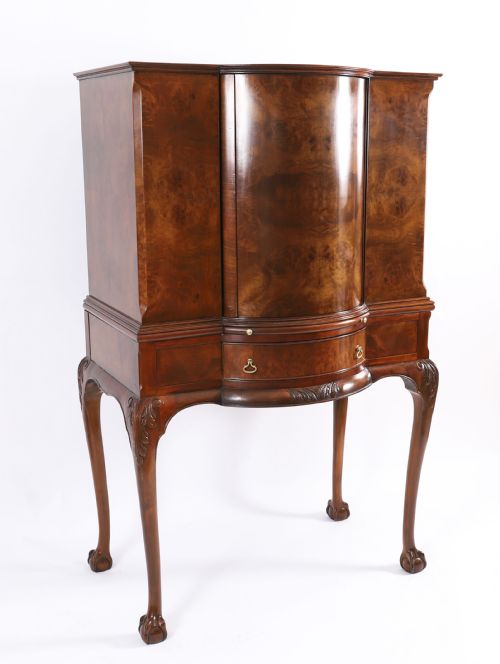
A brown walnut bar brings warmth and function to a room, offering fitted storage for spirits and glassware in notable timber.
Brown Walnut Bar
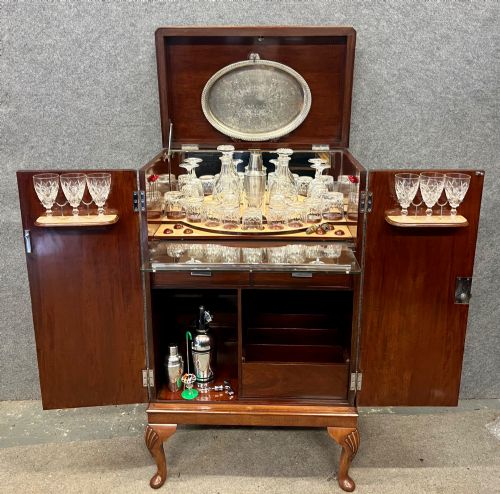
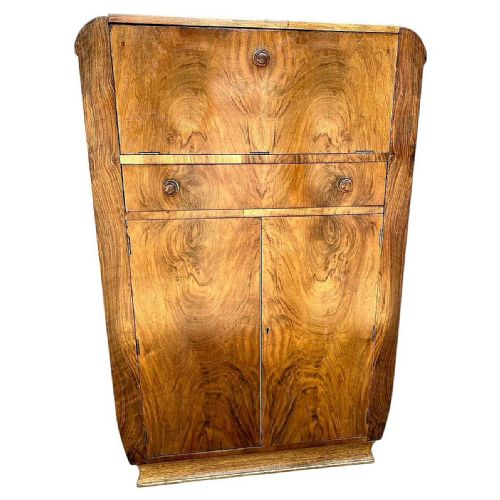
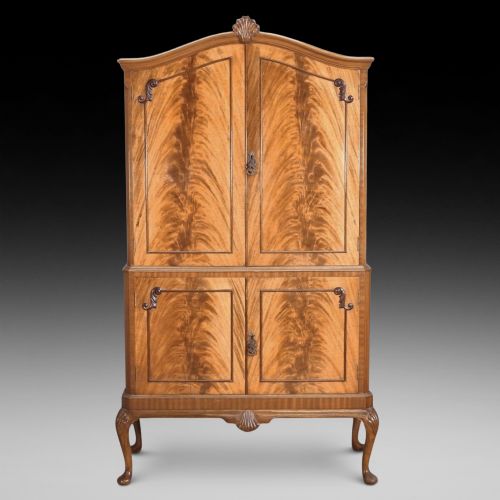
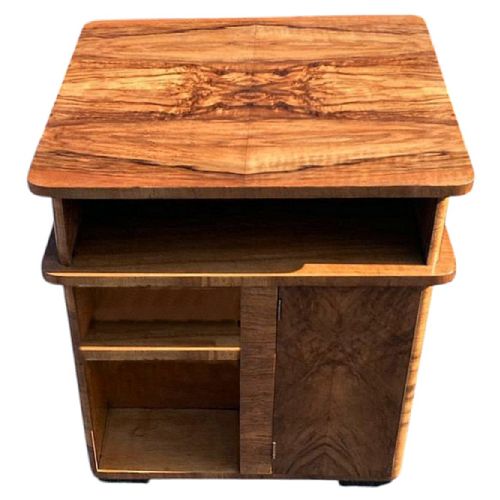
A brown walnut bar covers a range of sophisticated furniture designed for entertaining, appearing most frequently on this page as cocktail cabinets, drinks cabinets, and mobile trolleys from the early twentieth century. Buyers seeking a brown walnut bar will encounter sturdy cupboards on stands, serpentine fronts, and revolving dry bar cabinets alongside streamlined serving carts.
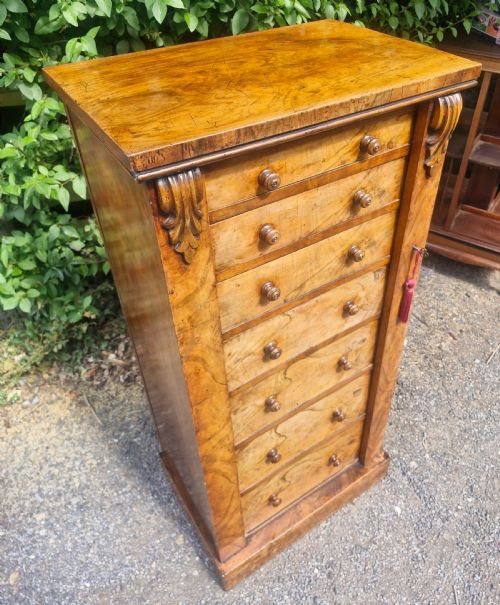
The selection spans periods from the nineteenth century through the Victorian era into the 1920s, 1930s, and 1940s, with Art Deco styling dominating the mid-century pieces. Alongside dedicated drinks chests, the inventory includes occasional side tables, metamorphic chests, and tall Wellington styles suited to domestic hospitality.
Makers and retailers such as Epstein, Hille, Waring and Gillow, and Liberty's of London appear among the English pieces, marking a high standard of period cabinet-making. These items combine practical compartments for bottles and glasses with striking decorative facades suited to modern interiors.
How they were made
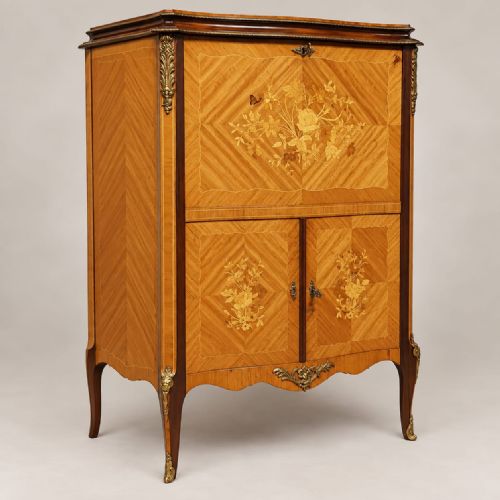
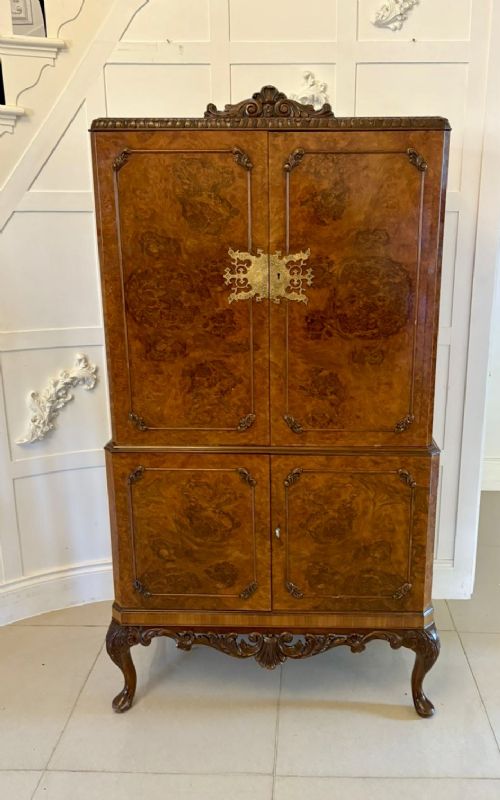
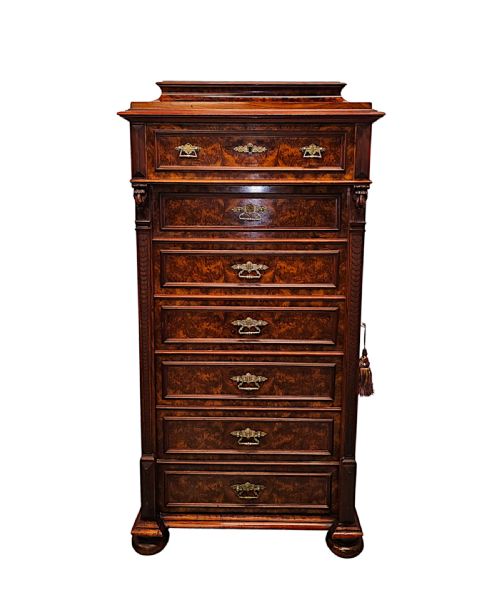
Craftsmen utilised solid walnut and decorative veneers, notably burr walnut and figured walnut, applied to sturdy wood carcases to create rich grain patterns across the front panels and doors. Marquetry details occasionally enhance nineteenth-century pieces, while brass hardware provides functional hinges, locks, and handles.
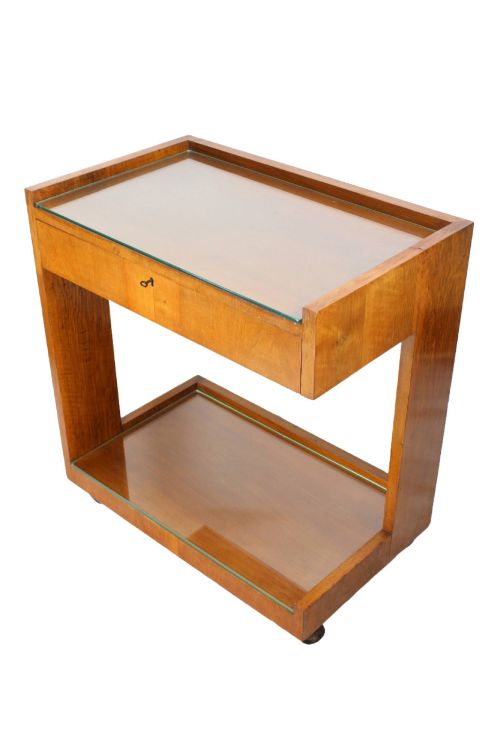
Internal fittings often incorporate glass shelving, mirrored surfaces, and pull-out slides designed to hold cocktail accessories securely. Trolleys and carts employ metal castors and tiered wooden trays to ensure smooth movement during service.
Brown Walnut Bar Retail Price Guide 2026
Typical asking prices for brown walnut bar among the pieces listed under this phrase on Sellingantiques today, from the lower quarter to the upper quarter. They describe what is for sale here now, not the wider market.
Listings feature walnut, burr walnut, and brass across pieces spanning the Victorian era, 1920, and 1930.
What varies in quality
The choice of timber veneer dictates much of the visual impact, with tightly swirled burr walnut and matched grain figures representing the most desirable examples. The complexity of the internal mechanisms, such as revolving compartments, metamorphic drops, and sliding shelves, also separates standard production from exceptional studio work.
Attribution to documented workshops like Epstein or Hille elevates a piece, as does the preservation of original internal glass and brass fittings. The crispness of the Art Deco geometry or the fidelity of revival styles indicates the skill of the original maker.
Hille·Epstein·Waring and Gillow·Liberty's of London
The Brown Walnut Bar Glossary
- Burr walnut
- A distinctive timber harvested from walnut tree growths, producing swirling, intricate grain patterns prized for cabinet facades.
- Cocktail cabinet
- A specialised piece of furniture fitted with internal shelving, racks, and mirrored backs designed specifically for storing and serving drinks.
- Wellington chest
- A tall, slender chest of drawers secured by a locking side flap hinged to one side of the case.
- Metamorphic
- Furniture designed to transform its shape or function through folding or sliding mechanisms, such as extending drink surfaces.
- Veneer
- A thin slice of superior wood applied over a secondary timber base to create a decorative exterior surface.
Brown Walnut Bar: Frequently Asked Questions
How do I date a cocktail cabinet?
Dating involves examining the structural style, such as clean geometric Art Deco lines from the 1930s or ornate revival details from the Victorian era.
Hardware, construction methods, and maker marks also help establish the decade of manufacture.
Where were these cabinets made?
Many of the listed pieces originate from English workshops and prominent London department stores and furniture firms.
Master cabinet-makers utilised local and imported hardwoods to construct these sophisticated hospitality items.
How do I maintain burr walnut?
Keep walnut furniture away from direct sunlight and excessive heat sources to prevent the veneer from drying or fading.
Regular dusting with a soft cloth and occasional application of appropriate furniture wax preserves the finish.