


Brown Tones Portrait Artwork
Brown tones portrait artwork gathers centuries of painted and drawn human likenesses rendered in deep earth pigments, warm ambers and quiet umbers.
Brown Tones Portrait Artwork
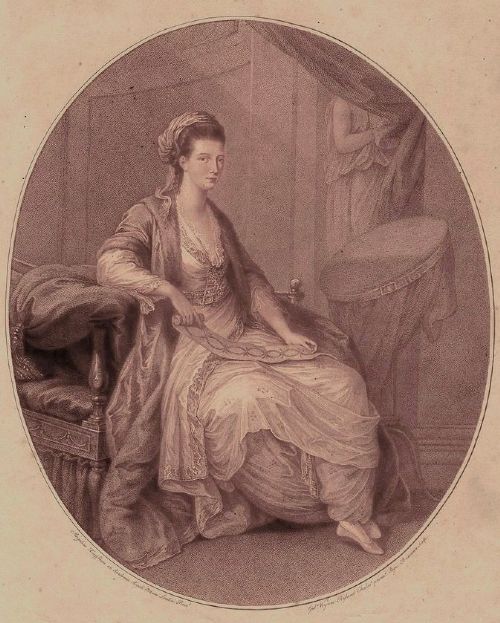
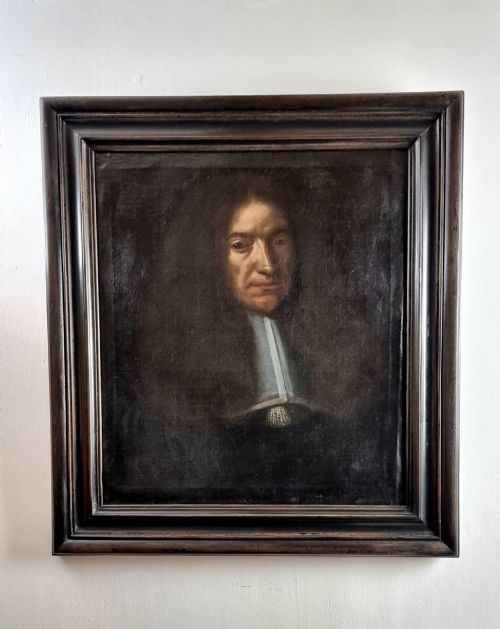
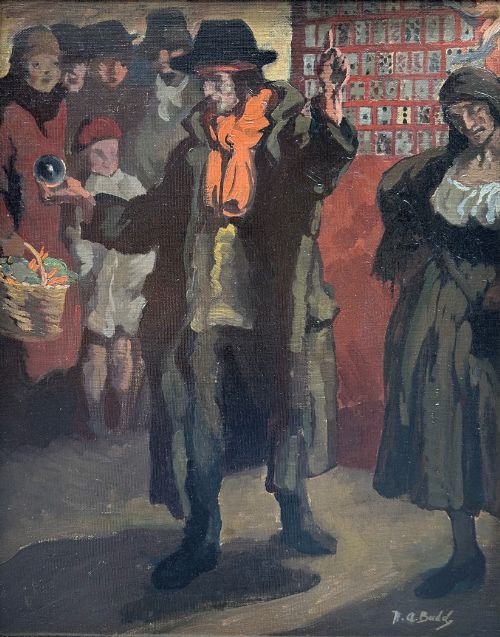
Brown tones portrait artwork encompasses historical paintings, watercolours, and drawings focusing on individual figures through restrained, earthy palettes. These pieces emerge predominantly from the seventeenth, eighteenth, and nineteenth centuries, carrying styles that range from Georgian elegance to Victorian realism.
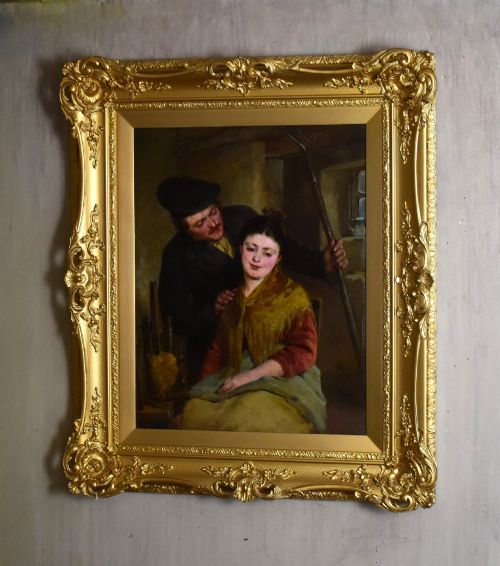
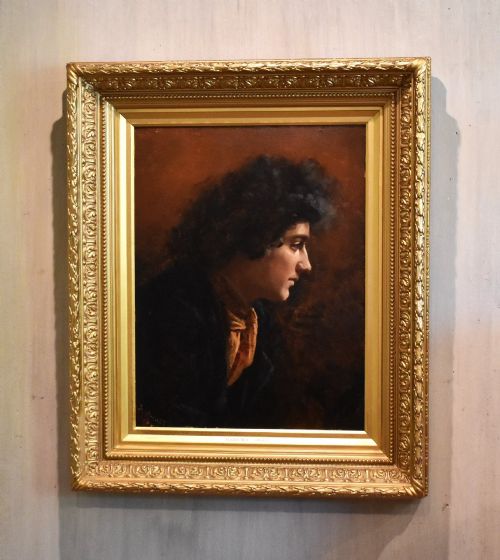
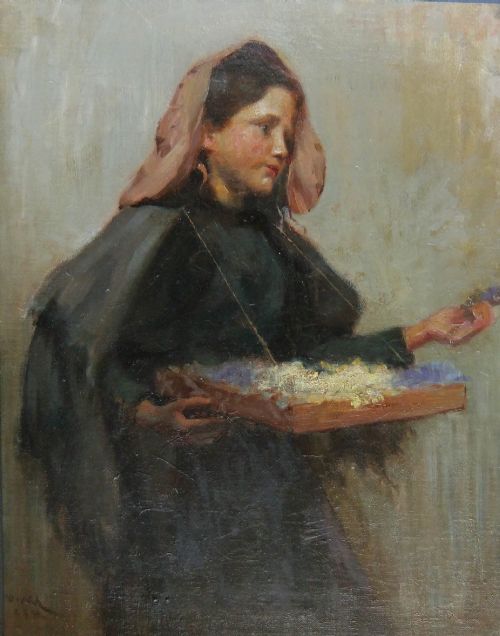
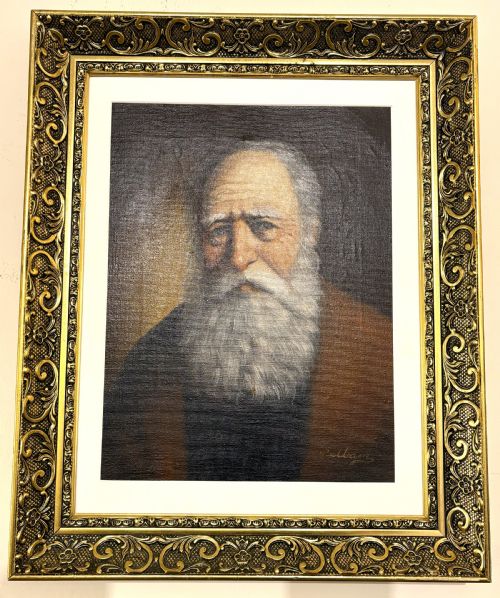
The version most commonly encountered on this page is the nineteenth-century oil painting on canvas or wood panel, often depicting seated subjects, children, or professionals. These works utilise natural light falling across faces to create depth within restricted amber and chestnut ranges.
Materials and construction methods
Artists built these compositions primarily using oil paint applied to stretched canvas or wooden panels, supported by gesso grounds. Watercolours and chalk drawings on paper also appear across the selection, capturing finer facial details through linear precision.
Framing frequently involves period giltwood, which complements the sombre, muted browns and ochres dominating the pictorial surface. The physical structure relies on traditional joinery for stretchers and panels, reflecting the workshop practices of the period.
Listings feature works spanning eight distinct centuries, predominantly executed in oil on canvas.
Distinctions in quality and execution
Quality rests in the handling of light and shadow across the facial planes, where superior brushwork defines character and bone structure without heavy reliance on outline. Lesser examples flatten the subject, losing anatomical conviction within monotonous brown washes.
The preservation of the original surface and the integrity of the ground layer separate exceptional survivals from compromised items. Retaining the authentic texture of the oil paint or watercolour medium preserves the intended atmosphere of the piece.
Howard Helmick·Herbert Ashwin Budd·Florence Small·William Watt Milne·John Watkins Chapman·Vincenzo Irolli·Evaristo Cappelli·Juan Ruiz Soriano·Frank Hyde·John Henry Dell·Ralph Hedley·Paul Jones·Roland Batchelor·Leonardo Morello·Ludolf de Jongh·Roberto Venturi·William Henry Hunt·Raymond Arthur Roadnight·Bernard Meninsky·Maurice Wagermans·Richard Buckner·John Partridge
The Brown Tones Portrait Artwork Glossary
- Canvas
- A heavy woven fabric stretched across a wooden frame to serve as a support for oil painting. It provides a flexible yet resilient surface that accepts multiple paint layers.
- Giltwood
- Wood carved and coated with gold leaf or metal powder, commonly used for period picture frames. It adds a reflective border that isolates the dark tones of the artwork.
- Gesso
- A white paint mixture consisting of a binder mixed with chalk, gypsum, or pigment, applied to canvas or wood. This layer prepares the support to receive oil or watercolour media.
- Realism
- An artistic movement focusing on everyday subjects and unidealised human figures rendered accurately. It dominates many Victorian representations found within this grouping.
Brown Tones Portrait Artwork: Frequently Asked Questions
What periods do these portraits cover?
The selection spans from the seventeenth century through the Victorian era into the mid-twentieth century.
Most examples cluster in the nineteenth century, capturing changing portraiture conventions over time.
How should I care for oil on canvas?
Keep paintings away from direct sunlight and steady humidity levels to prevent cracking in the paint.
Dust the surface gently with a soft, dry brush without applying pressure to the canvas.
Are all brown tone portraits painted in oil?
While oil on canvas forms the majority of the works, watercolours, chalk, and graphite drawings also appear.
Paper works require protective framing under glass to prevent environmental degradation.
How do I identify a Victorian genre portrait?
Victorian genre pieces depict everyday people in narrative scenes rather than formal posed commissions.
Subjects often include workers, children, or domestic interiors rendered in naturalistic brown palettes.