
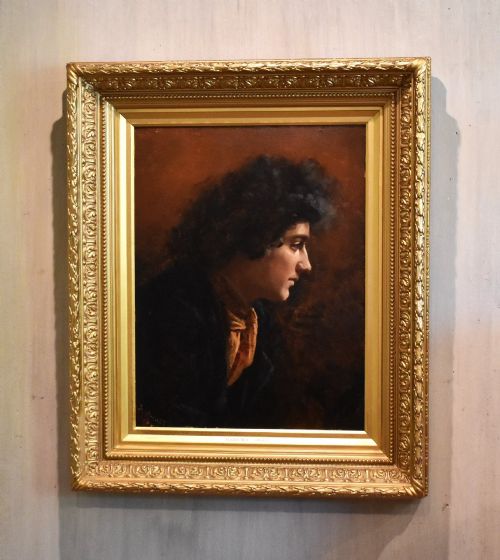
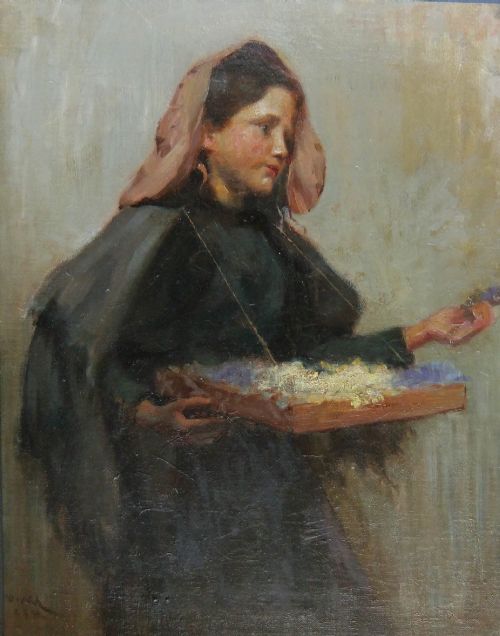
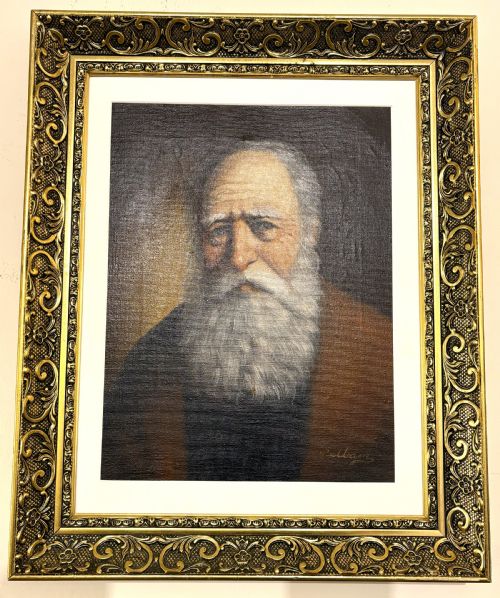


Brown Tone Portrait Painting
Brown tone portrait painting captures character through subdued palettes, spanning centuries of canvas work.
Brown Tone Portrait Painting
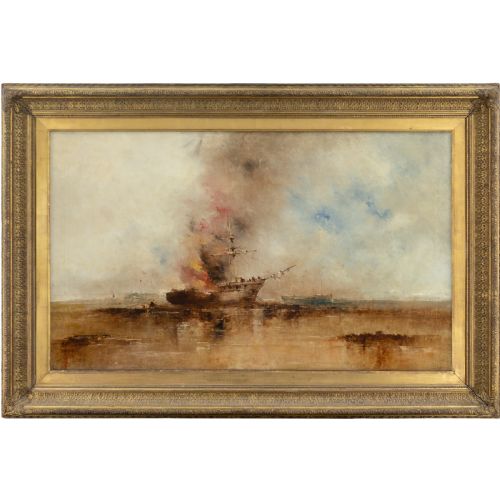
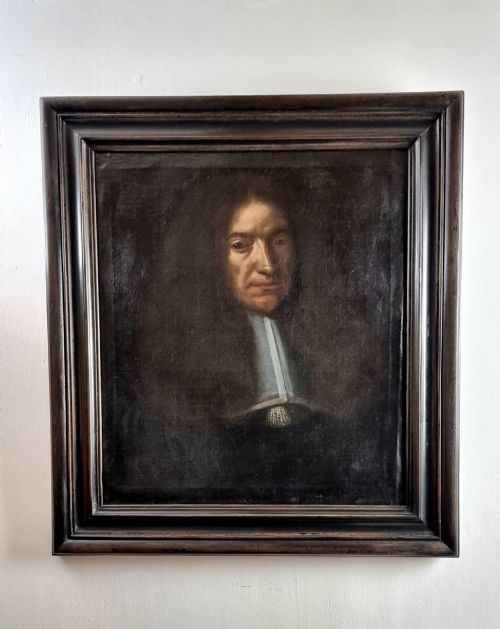
A brown tone portrait painting focuses on muted earth palettes, depicting subjects ranging from judges to children against darkened grounds. These works emerge primarily through nineteenth-century and eighteenth-century pieces, with Victorian and Georgian examples appearing frequently.
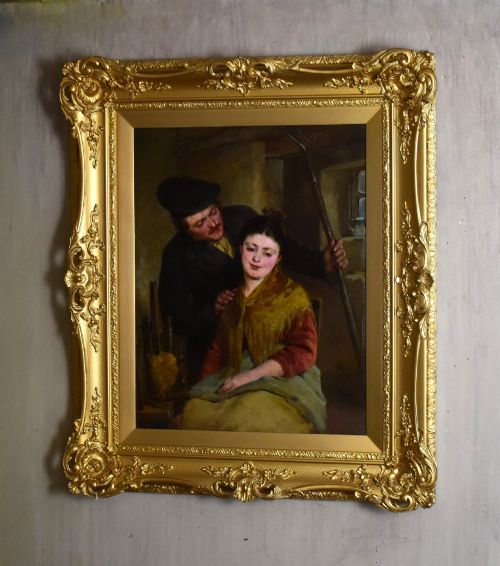
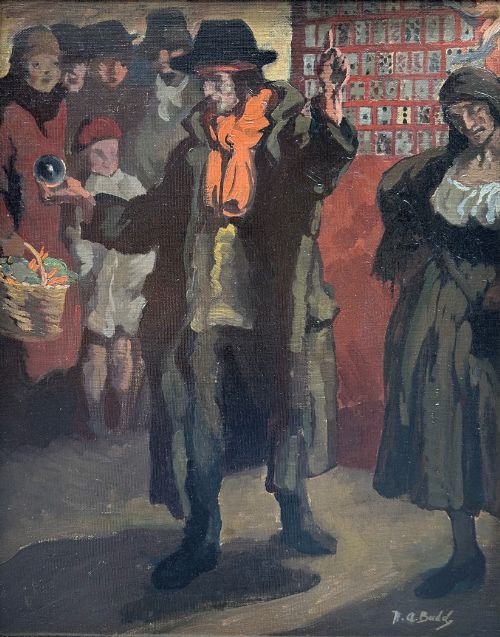
The format encompasses oil paintings and watercolours on canvas, board, and paper. Portraits sit alongside genre scenes and figure studies, reflecting historical, romantic, and realist traditions from British and continental European makers.
Materials and construction
Painters built these works using oil paint applied to canvas, wood panels, or paper, often supported by gesso grounds. Giltwood frames frequently house the finished compositions, providing structured borders for the fabric supports.
Watercolour variants utilise paper supports to capture lighter tonal shifts while maintaining the characteristic earthy palette. Brushwork ranges from tight realist precision to impressionistic strokes depending on the active period.
The listings span from the seventeenth century to the twentieth century, featuring oil, watercolour, canvas, and wood supports.
Assessing quality and execution
Quality rests in the handling of chiaroscuro and the psychological depth captured in the subject's expression. Stronger examples demonstrate confident brushwork that defines bone structure and textile folds without relying on harsh outlines.
The integrity of the canvas support and the preservation of the original pigment layers distinguish superior pieces. Frame craftsmanship, particularly period giltwood moulding, adds contextual value to the painting.
William McAlpine·Howard Helmick·Herbert Ashwin Budd·Florence Small·William Watt Milne·John Watkins Chapman·W.E. Evans·Vincenzo Irolli·Evaristo Cappelli·Juan Ruiz Soriano·Frank Hyde·Bernd Funke·John Henry Dell·Ralph Hedley·Paul Jones·Adrian Jones·Roland Batchelor·Leonardo Morello·Ludolf de Jongh·Thomas Beach·Roberto Venturi·William Morton·William Henry Hunt·Raymond Arthur Roadnight·Bernard Meninsky
The Brown Tone Portrait Painting Glossary
- Chiaroscuro
- The treatment of light and shade in drawing and painting. This technique creates three-dimensional volume in two-dimensional portraiture.
- Canvas
- A closely woven fabric used as a support for oil painting. It is typically stretched over a wooden frame before application of the ground.
- Gesso
- A plaster mixture used as a surface preparation for painting. It provides a smooth, stable base for oil application.
- Giltwood
- Wood carved and coated with gold leaf. It is commonly found on antique picture frames surrounding nineteenth-century oils.
Brown Tone Portrait Painting: Frequently Asked Questions
What defines a brown tone portrait painting?
These works utilise monochromatic or restricted earth palettes dominated by umbers, siennas, and ochres. The restricted colour scheme focuses attention squarely on the sitter's facial expression and lighting.
Such palettes reflect historical glazing techniques popular in European portraiture from the seventeenth century through the Victorian era.
How should I display an antique portrait?
Hang oil paintings away from direct sunlight and fluctuating humidity to protect the canvas and paint layers. Adequate wall space allows heavy giltwood frames to support the visual weight of dark compositions.
Pairing these portraits with traditional wooden furniture enhances the historic character of the room.
Are these portraits signed by artists?
Many pieces carry artist signatures, monograms, or studio inscriptions, while others remain attributed to specific regional schools. Documentation on the reverse of the canvas or frame often reveals exhibition histories or sitter identities.
Unsigned works are frequently judged by brush technique, material composition, and stylistic markers of their period.
What subjects appear in these paintings?
Subjects include formal sitters such as judges, engineers, and ladies, alongside informal genre studies of children and workers. Animals like dogs and falcons occasionally accompany the primary human figures.
These depictions range from official commissions to intimate observations of everyday nineteenth-century life.