



Brown Timber Relief Panel
A brown timber relief panel brings centuries of architectural depth and carved character into a modern interior.
Brown Timber Relief Panel
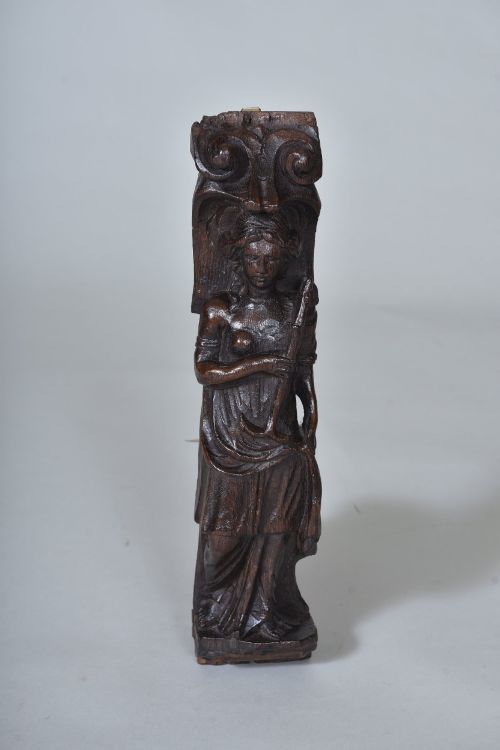
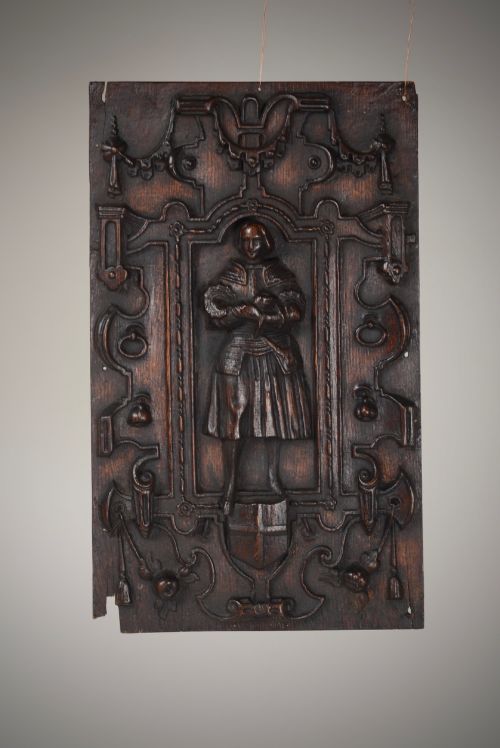
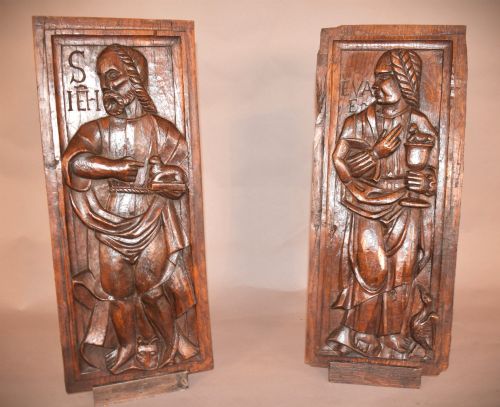
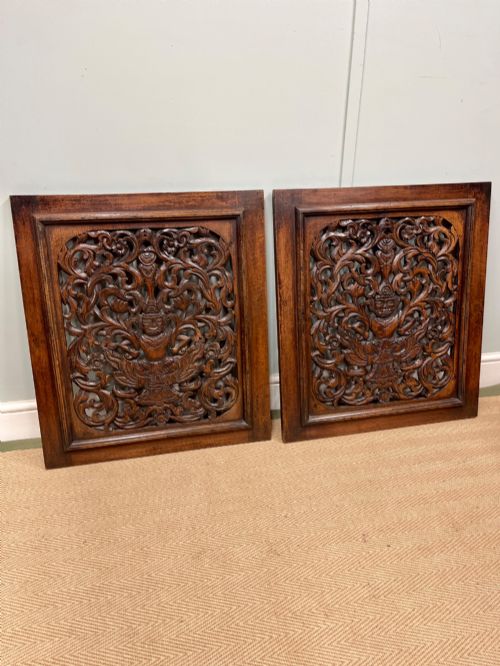
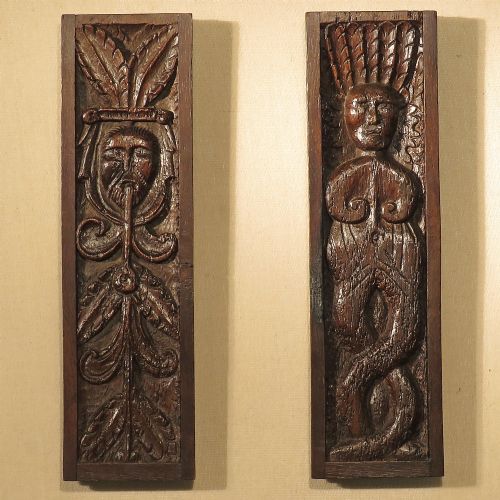
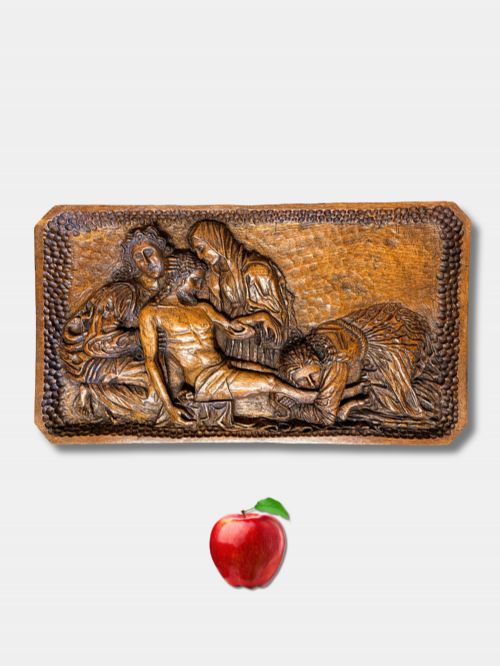
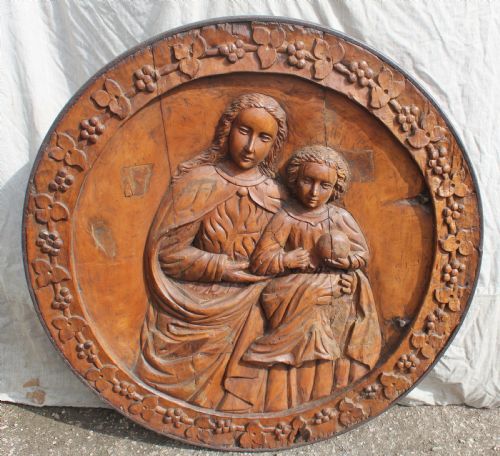
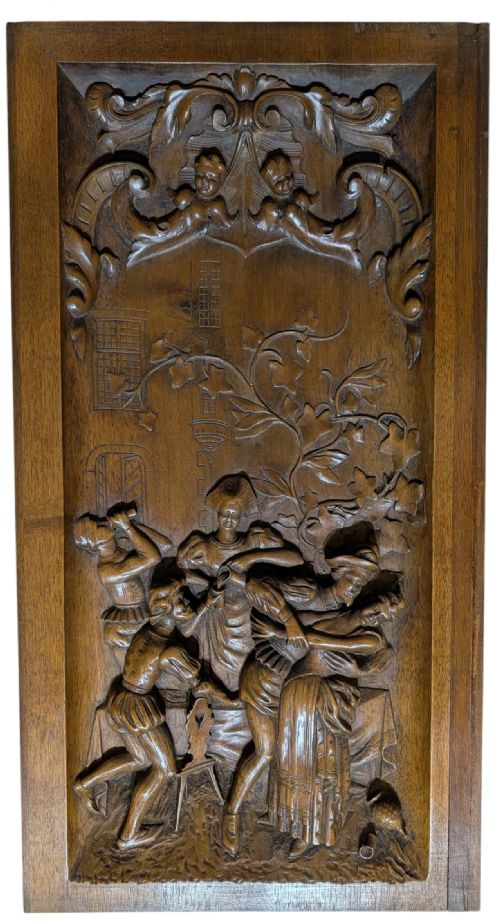
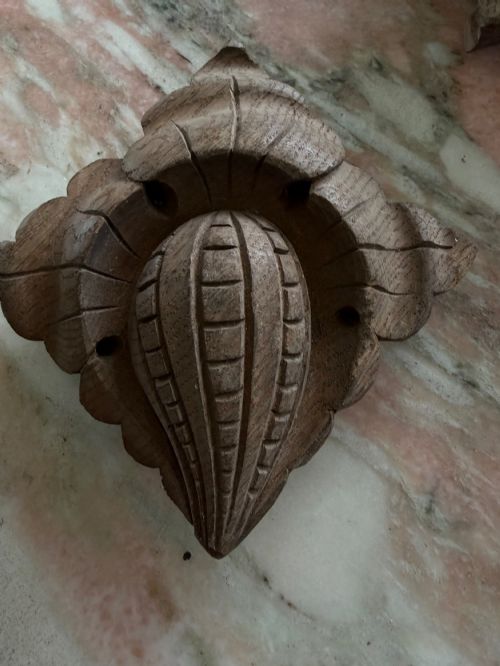
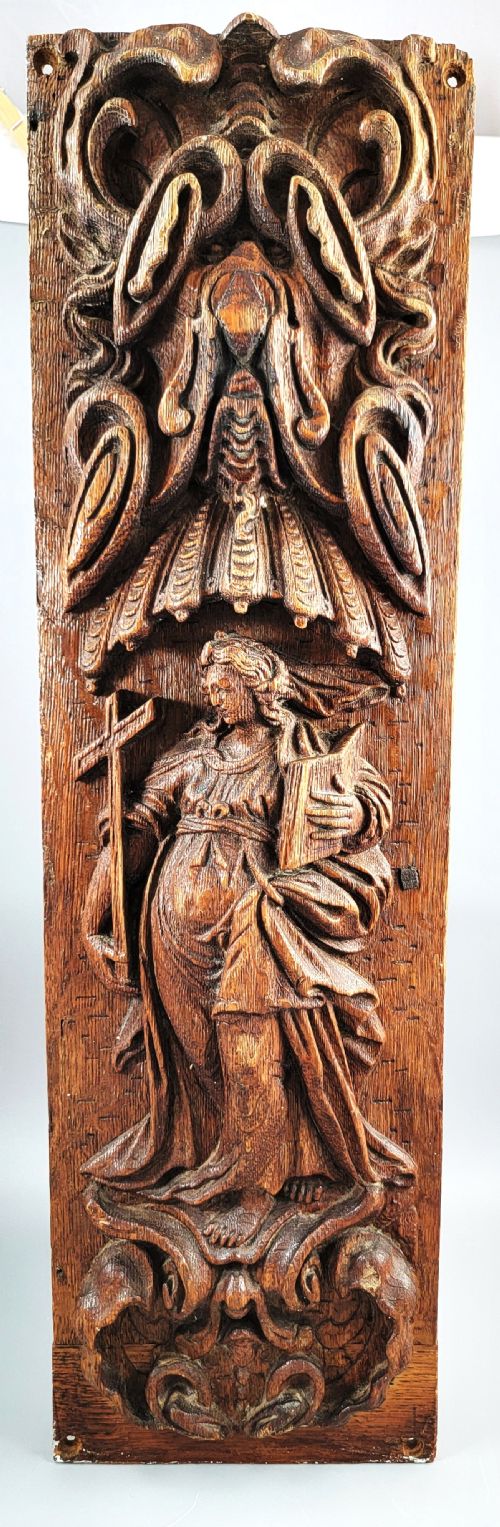
A brown timber relief panel is a carved wooden architectural element or wall plaque originating from periods ranging from the sixteenth century through to the Victorian era. These pieces frequently take the form of wall panels, architectural salvage, ceiling bosses, and figurative reliefs depicting religious scenes, mythological figures, or decorative foliage.
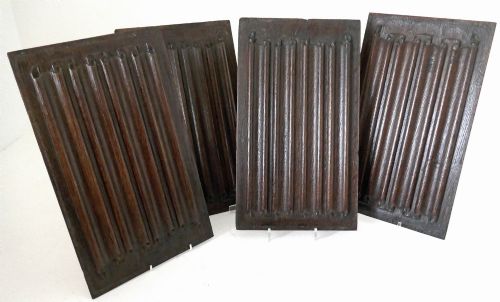
The version most commonly encountered in these listings is the seventeenth-century or sixteenth-century oak panel, often deeply carved with linenfold patterns, green men, or baroque acanthus leaves. Alongside these European examples, buyers will find nineteenth-century hardwood carvings from India, Burma, and China, demonstrating a wide global range of sculptural traditions.
These works function primarily as wall art or architectural furnishings, designed to be mounted as singular plaques or displayed in matched pairs. The forms vary from intimate portrait plaques to massive staircase panels and cabinet fragments rescued from historic buildings.
Distinguishing quality in carved panels
The integrity of the timber and the retention of original surface patination also dictate distinction. Finer examples maintain their structural cohesion without excessive modern reconstruction, allowing the historical age and the carver's original intent to remain clearly legible.
Listings feature sixteenth-century oak linenfold panels alongside nineteenth-century Burmese and Indian hardwood carvings.
Edward Pearce
The Brown Timber Relief Panel Glossary
- Relief
- A sculptural technique where the figures or patterns project from a flat background. High relief means the elements stand out significantly from the plane.
- Linenfold
- A style of wood carving that mimics vertical folds of draped fabric or linen. It is particularly common on sixteenth-century panels.
- Ceiling Boss
- A decorative projecting block of wood placed at the intersection of ribs in a ceiling vault. These often feature carved botanical or figurative designs.
- Acanthus
- A classical ornamentation motif based on the leaves of the acanthus plant. It appears frequently in baroque and renaissance carved woodwork.
- Green Man
- A sculptural motif consisting of a face surrounded by or made from leaves and vines. It is an ancient symbol representing rebirth and the spring.
Brown Timber Relief Panel: Frequently Asked Questions
How were these panels originally used?
Many of these pieces served as structural elements inside historic buildings, functioning as wall linings, staircase components, or ceiling decorations before being salvaged.
Others were created as independent devotional plaques or decorative artworks intended for display within wealthy domestic interiors.
How do I mount a heavy wood panel on the wall?
Due to the substantial weight of dense oak and hardwood, panels usually require professional fixing using heavy-duty mirror plates or French cleats.
It is essential to secure the mounting directly into wall studs or masonry to support the considerable mass of the timber safely.
How can I tell a sixteenth-century panel from a nineteenth-century copy?
Early pieces display authentic tool marks, natural timber shrinkage, and dry, dense grain patination accumulated over centuries of exposure.
Nineteenth-century Gothic revival and historicist copies often reveal more uniform machine tooling, different framing construction, or softer wood seasoning.
How should I care for an antique wooden relief panel?
Maintain the timber by keeping it away from direct heat sources and dramatic humidity fluctuations that can cause the wood to split or warp.
An occasional application of a suitable microcrystalline wax helps nourish the antique surface without attracting dust.