



Brown Timber Planter
These brown timber planter pieces bring natural texture and rustic utility indoors or into the garden, offering solid wood construction with genuine age.
Brown Timber Planter
A brown timber planter encompasses various wooden vessels adapted for botanical or decorative use, ranging from coopered buckets and tubs to dug out tree trunks. When you search for a brown timber planter, you encounter utilitarian items repurposed from agricultural, domestic or industrial contexts. These objects derive from periods such as the Georgian era, the nineteenth century and the early twentieth century.
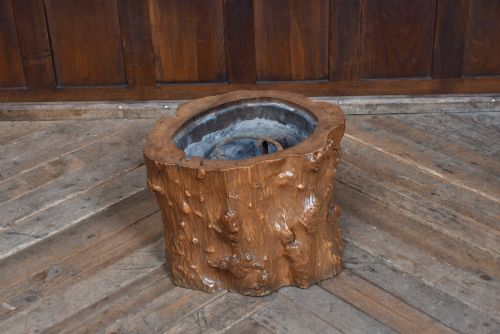
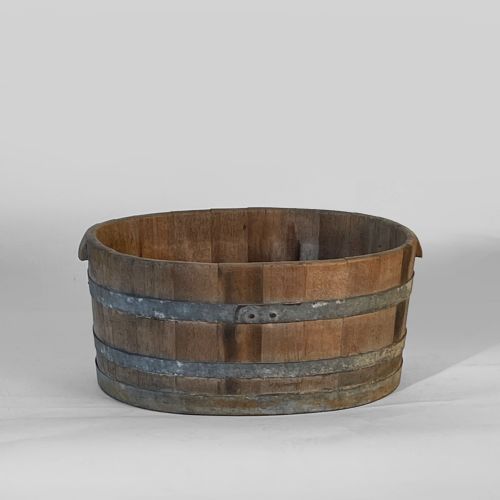
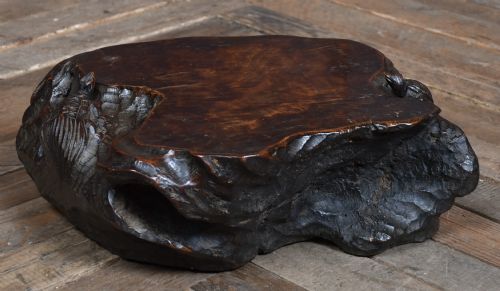
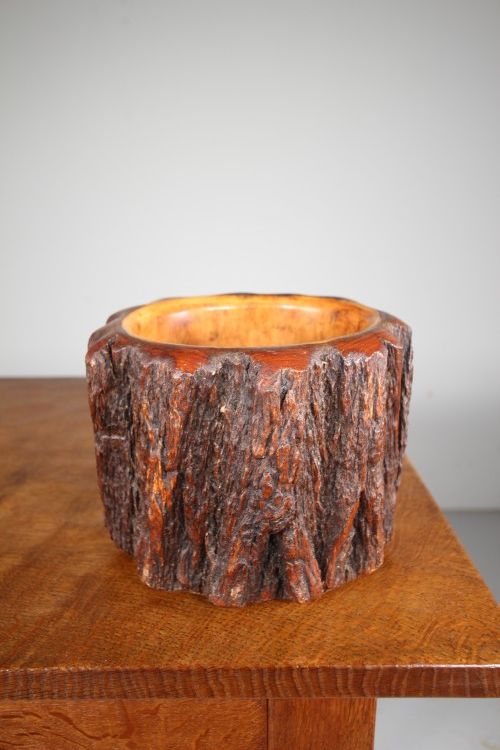
The selections on this page lean heavily towards country house and vernacular traditions alongside Asian craftsmanship. You will find English garden well buckets, coopered washing tubs, Chinese elm mortars and Japanese wooden hibachi or bonsai stands. Such items bring earthy warmth and historical utility to contemporary spaces.
Many of these vessels show their working origins through iron banding, sturdy handles or patinated timber surfaces. Whether shaped from sycamore, oak, elm or carved hardwood, each piece has a distinct character shaped by its former life. They function reliably as plant holders, fireside fuel stores or standalone decorative objects.
How they were made
Makers utilised traditional woodworking techniques including coopering, where curved staves of timber are bound together with iron hoops. This method created watertight vessels capable of holding liquids or damp soil without warping. Alternatively, some pieces were carved directly from solid tree trunks or dug out from single blocks of wood.
Materials selection prioritized durable local timbers such as oak, elm and sycamore alongside dense exotic hardwoods. Blacksmiths often provided the iron bands, handles and reinforcement that kept the wooden staves secure over decades of heavy service. Carved decorative details appeared on Asian stands and mortars using hand tools on seasoned timber.
Brown Timber Planter Retail Price Guide 2026
Typical asking prices for brown timber planter among the pieces listed under this phrase on Sellingantiques today, from the lower quarter to the upper quarter. They describe what is for sale here now, not the wider market.
Geographic origins represented across the inventory include English country workshops alongside Japanese and Chinese traditional utility wares.
What varies in quality
The distinction between ordinary utility items and superior examples lies in the integrity of the timber and the refinement of the joinery. Coopered vessels with tight, precise staves and original forged iron bands demonstrate higher workshop skill. The depth of the natural patina and the preservation of surface texture further distinguish exceptional survivals.
Proportion and balance also determine the standing of a piece, particularly in dug out trunks or carved stands. Items retaining their original structural components without excessive timber replacement hold greater integrity. The harmony between the raw material and the hand of the maker guides the overall appeal.
The Brown Timber Planter Glossary
- Coopered
- Assembled from curved wooden staves bound tightly with metal hoops to form a round, watertight vessel. This technique was standard for buckets, tubs and large storage vessels.
- Hibachi
- A traditional Japanese heating device, often bowl-shaped and constructed from wood with a metal lining. These items frequently find new life as decorative planters.
- Treen
- Small handmade wooden domestic objects valued for their tactile quality and historical use. The term covers bowls, stems and small turned or carved vessels.
- Mortar
- A heavy bowl used with a pestle for grinding materials, often hewn from a solid block of hardwood such as elm. Their thick walls make them exceptionally durable planters.
- Dug out
- Formed by hollowing out a single section of a tree trunk rather than assembling multiple pieces of timber. This primitive method yields sturdy, organic forms.
Brown Timber Planter: Frequently Asked Questions
Can I use these planters outdoors?
Most of these historic wooden vessels handle outdoor conditions well if protected from standing water and severe frost. Lining them with a suitable container helps preserve the antique timber.
Traditional finishes and bare wood will weather naturally over time when exposed to the elements. Checking the wood type helps determine its natural resistance to moisture.
How do I clean antique wood?
Gentle dusting with a dry or slightly damp cloth is usually sufficient to maintain the surface. Avoid harsh chemical cleaners that strip the historic patina.
Applying occasional natural wax can nourish dry timber without altering its aged appearance. Keeping them away from direct heat sources prevents the wood from splitting.
What is coopered construction?
Coopered construction involves fitting shaped wooden staves together edge to edge to create a cylinder. Metal hoops are driven on tightly to hold the structure under tension.
This method allows wood to expand and contract naturally without losing its container shape. It remains the defining technique for traditional buckets and tubs.
How do I date these pieces?
Dating relies on observing tool marks, timber species, construction methods and the style of any metal fittings. Machine-sawn timber generally indicates a later nineteenth or twentieth-century date.
Hand- adzed surfaces and hand-forged ironwork point towards earlier Georgian or country vernacular origins. Comparing similar dated examples provides a reliable timeframe.