

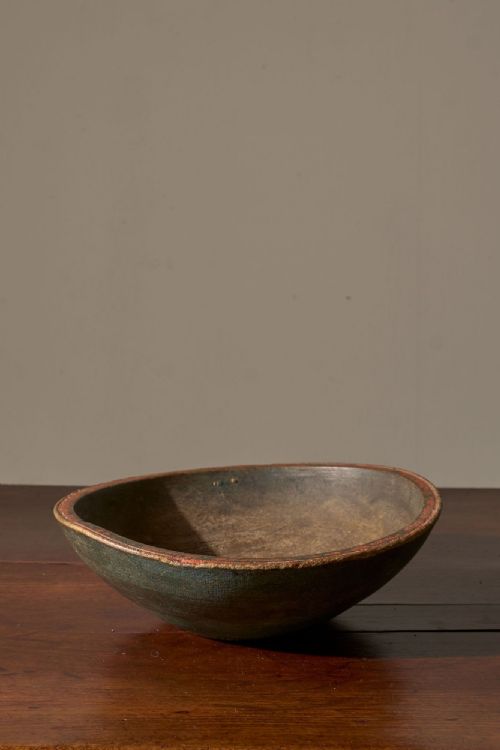


Rustic Wooden Trough
These rustic wooden trough pieces offer honest utility and time-worn character for everyday interiors.
Rustic Wooden Trough
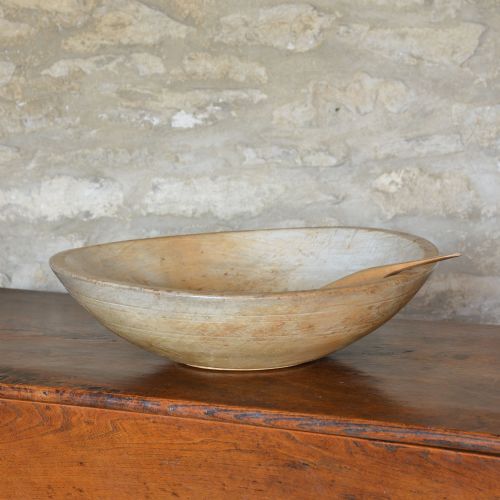
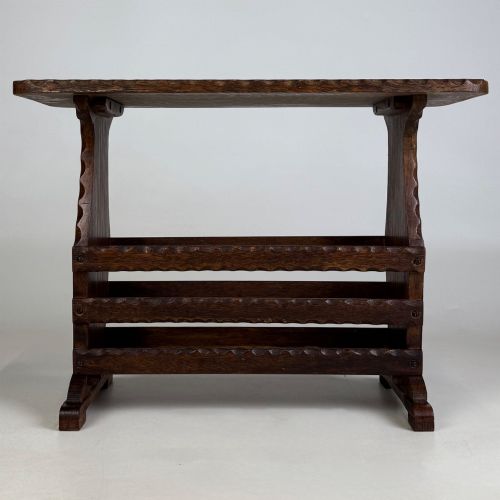
A rustic wooden trough encompasses utilitarian vessels from the eighteenth, nineteenth, and early twentieth centuries, spanning periods such as Georgian, Victorian, and Edwardian. Buyers encountering this search phrase find domestic and agricultural forms including dough bins, kneading bowls, log boxes, washing tubs, and garden planters.
The regional origins of these items vary widely across the inventory, taking in English country workshops, French provincial estates, Swedish farmsteads, and Chinese rural centres. Common timber selections include oak, pine, walnut, elm, and sycamore, often shaped by hand through carving, coopering, or hollowing out solid logs.
While many pieces served specific food preparation purposes like dough proving or grape harvesting, others functioned as laundry tubs or garden containers. This selection brings together functional antique vessels that now find new purpose as decorative containers and side tables in modern spaces.
Construction and timber selection
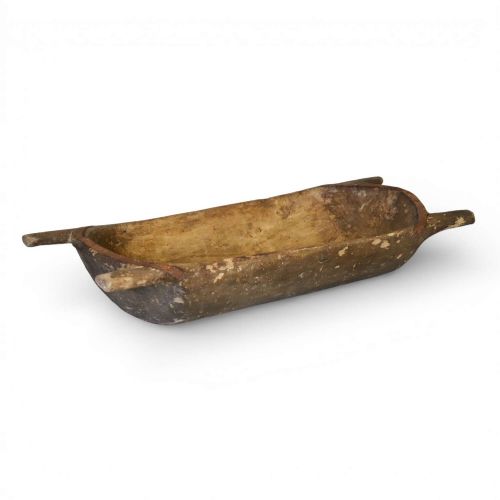
Craftsmen built these containers from solid regional timbers, selecting durable hardwoods like oak, walnut, and elm alongside softer pine and sycamore. Many large bowls and planters began as a single log, dug out entirely by hand using adzes and gouges to create deep cavities.
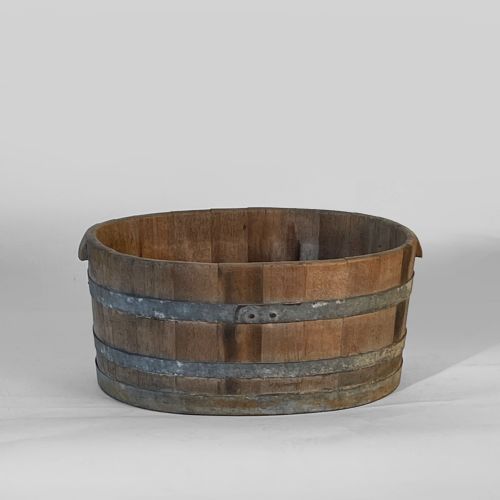
Other items rely on coopering techniques, uniting vertical wooden staves with iron bands to form watertight tubs and buckets. Carpenters also joined planks with pegged or dovetailed joints to construct rectangular dough bins and coffer boxes, sometimes applying surface paint for protection.
Rustic Wooden Trough Retail Price Guide 2026
Typical asking prices for rustic wooden trough among the pieces listed under this phrase on Sellingantiques today, from the lower quarter to the upper quarter. They describe what is for sale here now, not the wider market.
Distinguishing quality and character
Quality in these utilitarian objects rests upon the integrity of the original construction and the depth of the surface patina. Pieces that retain their honest tool marks, structural stability, and rich, warm tones from decades of handling stand apart from lesser examples.
The distinction also lies in the balance of proportions and the purity of the form, whether dealing with a coopered washing tub, a hand-carved mortar, or a painted pine bin. Original surfaces, untouched by modern stripping, preserve the true historical character valued by collectors.
The Rustic Wooden Trough Glossary
- Dough bin
- A storage chest or box traditionally used for rising bread dough before baking. These items often feature hinged lids and sturdy timber construction.
- Coopered
- A method of construction where curved wooden staves are bound together with metal hoops to form a round or oval vessel. This technique was essential for making watertight buckets and tubs.
- Patina
- The deep, lustrous surface sheen developed on wood through years of handling, polishing, and natural oxidation. It serves as a visual indicator of age and authentic use.
- Dug out
- A descriptive term for wooden vessels, such as bowls and planters, carved entirely from a single solid section of a tree trunk. This method avoids the need for joined planks.
- Treen
- Small, functional wooden household wares made before the widespread use of ceramics and plastics. The category includes bowls, containers, and small domestic utensils.
Rustic Wooden Trough: Frequently Asked Questions
What were wooden troughs used for?
These wooden vessels served demanding practical roles in rural and domestic life, ranging from kneading bread dough and washing laundry to gathering grapes and storing firewood.
Over time, households adapted these sturdy containers for various daily tasks, relying on their robust construction and deep storage capacities.
How do I date an antique wooden trough?
Dating relies on observing the tool marks left by makers, the method of construction, and the specific type of timber used in the piece. Eighteenth and nineteenth-century examples often display hand-carved surfaces and vernacular joinery.
Examining the wear patterns and the natural ageing of the wood provides further clues to a piece's period of origin.
Can I use these items outdoors?
Many of these pieces, such as garden planters and stone-adjacent troughs, were originally designed for exterior or utility room environments. Solid timber construction allows them to endure well in sheltered outdoor settings.
Protecting antique wood from extreme moisture fluctuations ensures the material survives without splitting or losing its historic surface character.
How do I clean and maintain old wood?
Maintenance requires gentle cleaning with a dry or barely damp cloth to preserve the accumulated patina and original surface finish. Avoid harsh modern detergents that strip away historical wax and dry out the timber.
Applying a traditional beeswax polish occasionally helps nourish dry antique wood and maintains its warm, tactile appearance.