


Brown Timber Low Table
These brown timber low table pieces are low-slung surfaces spanning centuries of rustic country and colonial craftsmanship, built to anchor a room.
Brown Timber Low Table
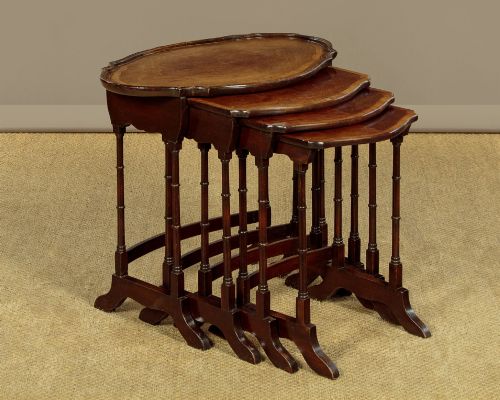
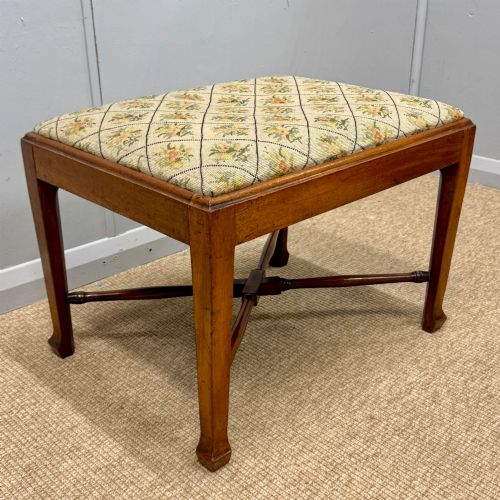
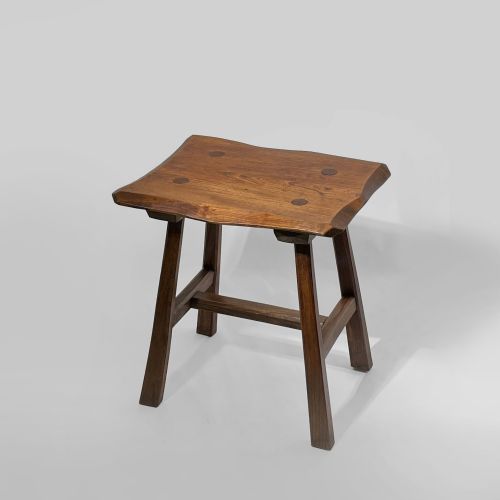
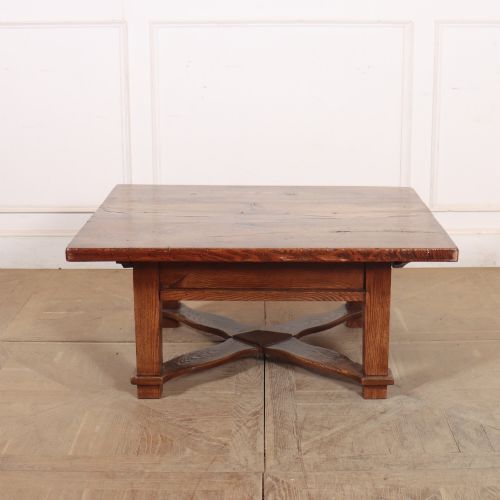
A brown timber low table encompasses a variety of low-height surfaces, from coffee tables and opium tables to converted stools, benches, and low boys originating from periods such as the eighteenth and nineteenth centuries.
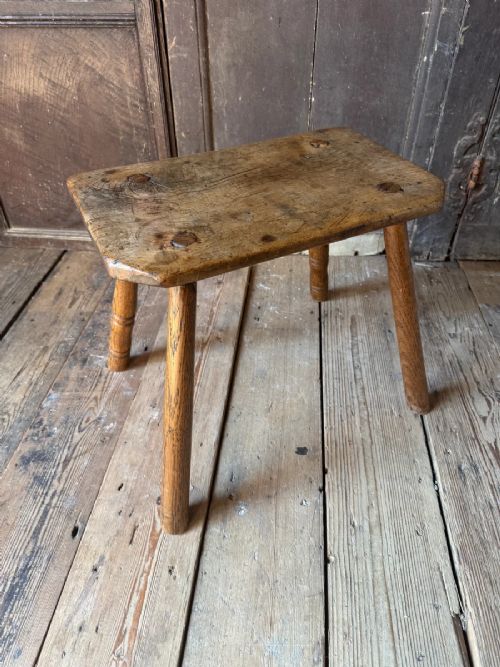
The versions most commonly met on this page include rustic elm and fruitwood low tables, alongside occasional tables and low trestle formats fashioned from hardwood, mahogany, and oak.
These pieces draw on diverse traditions, ranging from Austrian country vernacular and Georgian revival to colonial Indian and Chinese designs, bringing low-level utility and rich timber tones to modern interiors.
What varies in quality
Quality rests in the integrity of the timber selection and the honesty of the construction, where substantial plank tops and patinated fruitwood or mahogany outrank ordinary secondary woods.
The distinction between a humble utilitarian object like a work table or dough proving box and a finely finished Georgian or walnut occasional table lies in the deliberate restraint of the form and the depth of the natural surface finish.
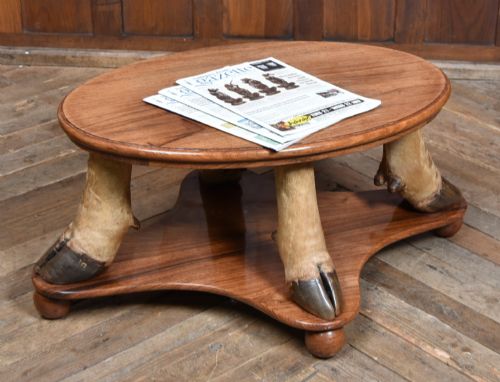
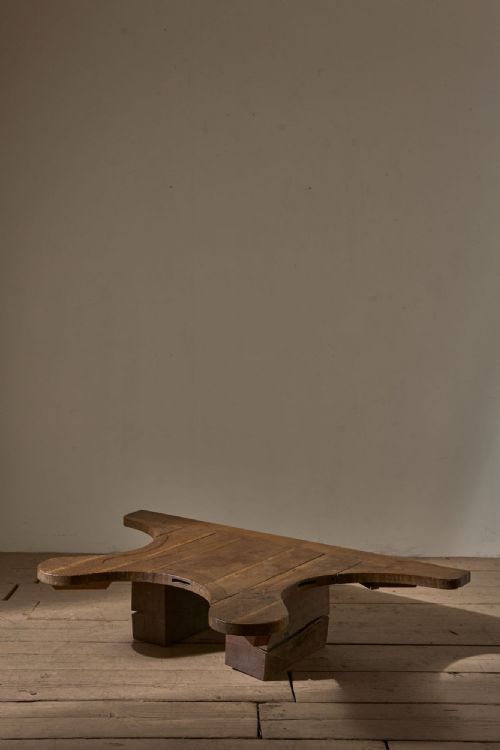
Among the seating surfaces, a taxidermy oval coffee table and a bellows-converted table offer decidedly unconventional company for your afternoon tea.
The Brown Timber Low Table Glossary
- Vernacular
- Everyday objects made by local craftspeople using regional materials, prioritising function over high-style ornament.
- Takhat
- A low Indian seating platform or table, traditionally built from heavy hardwood and used for sitting or gathering.
- Dough proving box
- A deep wooden coffer with a lid, utilised for resting bread dough before baking.
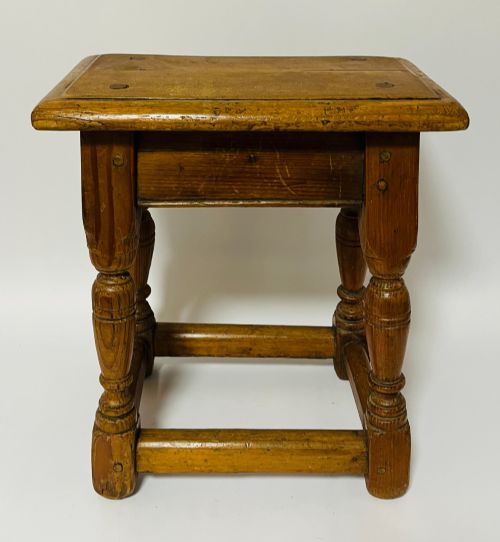
- Joint stool
- An early sturdy wooden stool constructed with mortise and tenon joints, often repurposed today as a compact low table.
Brown Timber Low Table: Frequently Asked Questions
What is a brown timber low table used for?
These low surfaces serve primarily as coffee tables or occasional tables in living spaces, holding books, drinks, or decorative objects.
Historically, many pieces originated as work tables, stools, or opium tables before finding a second life as accessible low furniture.
How do I style a low wooden table?
Pair a rustic elm or fruitwood table with upholstered seating to create contrast in height and texture within a room.
Keep surfaces relatively uncluttered to let the natural timber grain, patination, and age-related markings take visual precedence.
Are these tables made from solid wood?
The pieces listed utilise solid timbers such as mahogany, oak, walnut, cherry, and elm rather than modern composite boards.
This solid construction accounts for their enduring weight and the way the wood responds to historical use and environment.
How can I tell older tables apart?
Dating relies on observing tool marks, timber choice, and structural assembly, such as hand-cut joints versus later fastenings.
Eighteenth and nineteenth-century examples often display deep patination and signs of utility that distinguish them from twentieth-century revivals.