

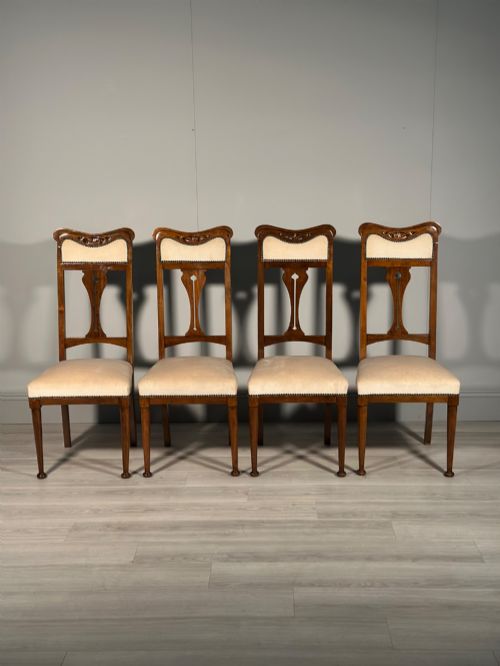
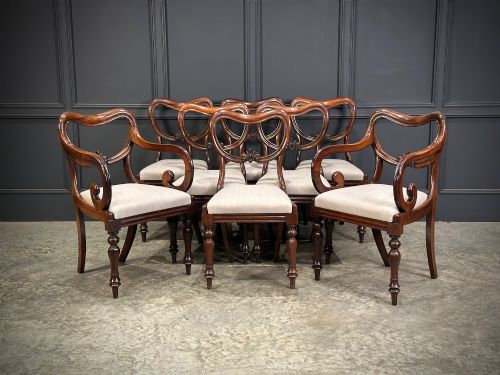
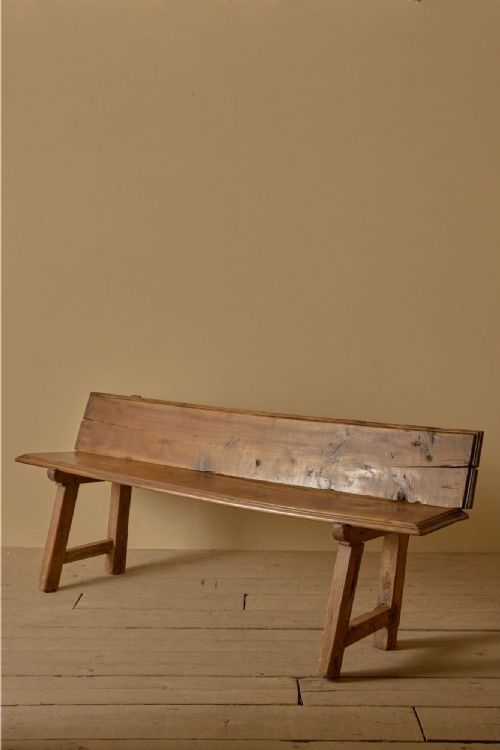
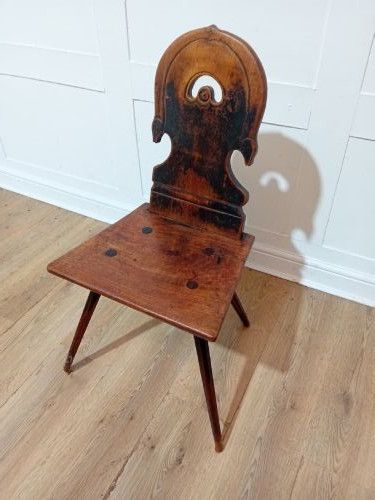

Brown Timber Dining Seats
Brown timber dining seats offer solid wood construction and period character, bringing traditional seating to tables through centuries of craftsmanship.
Brown Timber Dining Seats
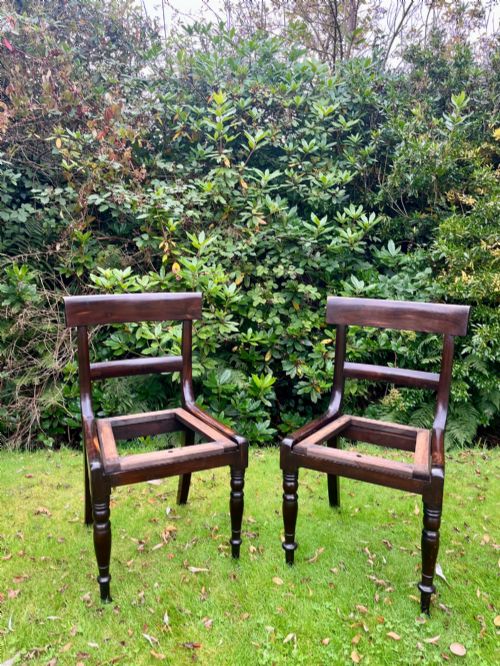
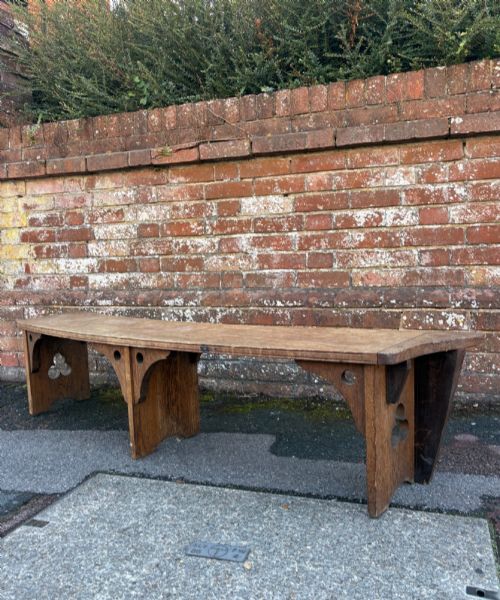
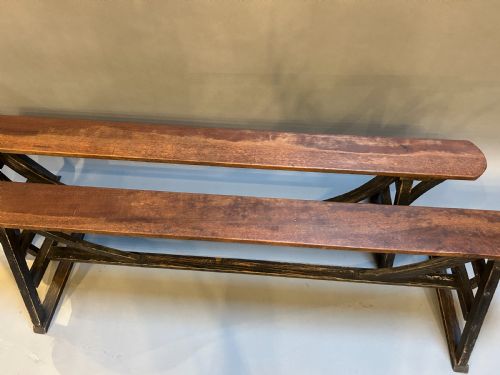
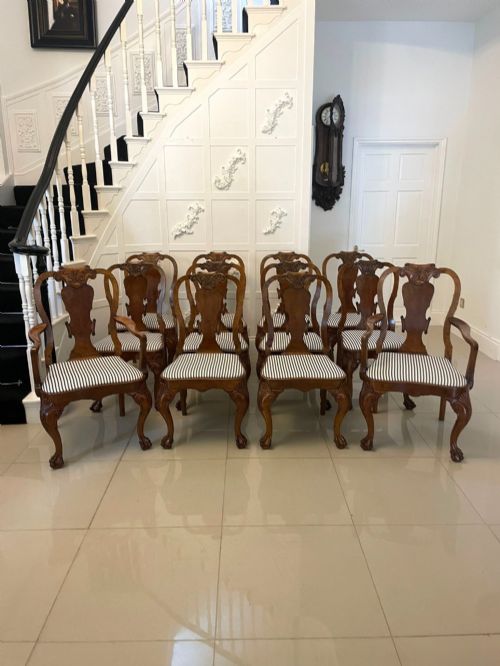
Brown timber dining seats comprise chairs, benches, and refectory tables sourced from periods spanning the eighteenth century to the early twentieth century. Buyers encounter single items, pairs, and matched sets designed for dining rooms and kitchens.
Makers utilised durable hardwoods to produce functional seating for everyday domestic use. Surviving examples reflect domestic traditions from Victorian, Regency, and Georgian eras.
How they were made
Craftsmen built brown timber dining seats using solid native timbers including oak, elm, mahogany, ash, beech, and pine. Carpenters shaped elements using traditional joinery methods suited to each wood's grain and strength.
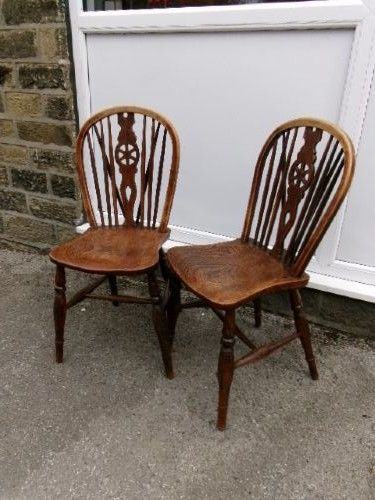
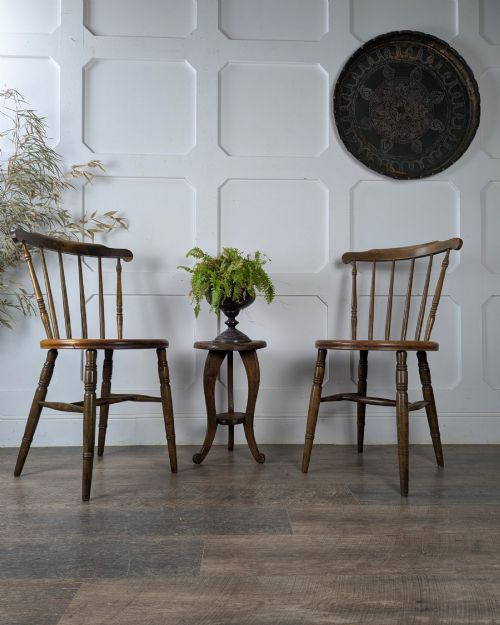
Windsor chairs incorporate turned spindles and bentwood bows, whilst ladderback and spindleback chairs utilise mortise and tenon joints. Benches and refectory tables rely on sturdy plank tops secured to heavy timber frames.
Brown Timber Dining Seats Retail Price Guide 2026
Typical asking prices for brown timber dining seats among the pieces listed under this phrase on Sellingantiques today, from the lower quarter to the upper quarter. They describe what is for sale here now, not the wider market.
Listings feature brown timber dining seats made from oak, elm, mahogany, beech, pine, ash, and rosewood.
What varies in quality
Quality differences depend on timber selection and the retention of original surfaces. Chairs carved from dense hardwoods like walnut or mahogany demonstrate finer decorative detail than utilitarian pine alternatives.
The integrity of structural joints and the presence of original rush, fabric, or wood seats determine the historical value of each piece. Matched sets command attention when timber grain and colour remain consistent across all items.
Worksop Allsop·Gillows
The Brown Timber Dining Seats Glossary
- Windsor chair
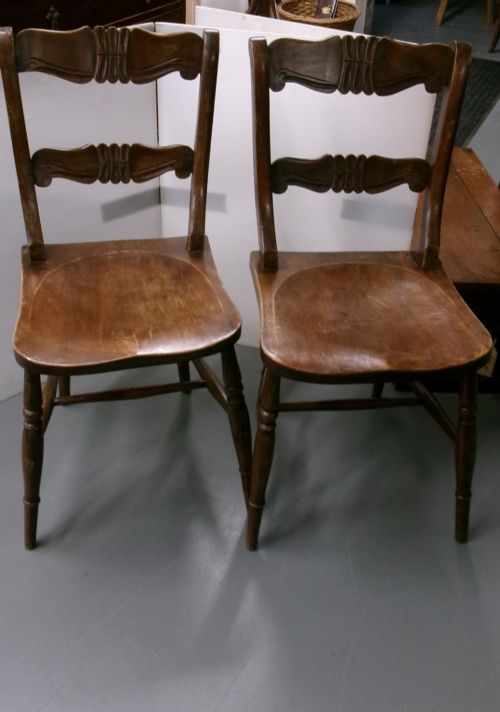
- A chair built with a solid wooden seat into which the legs and back spindles are separately inserted. These chairs often feature wheelbacks or comb backs.
- Hall chair
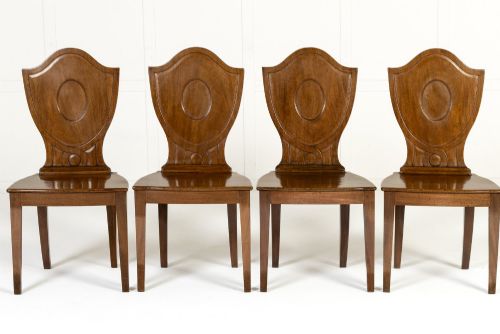
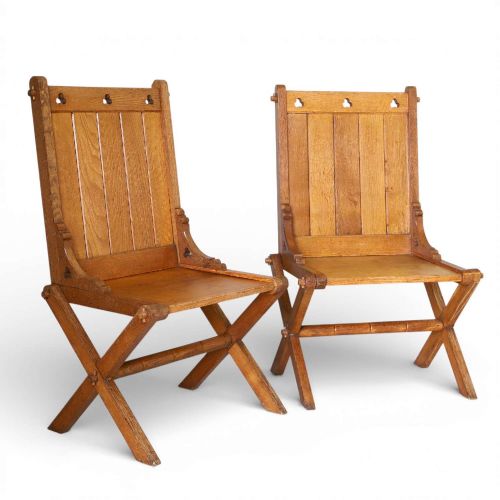
- A rigid wooden seat designed primarily for display in a hallway rather than long dining use. These chairs frequently incorporate carved backs or painted crests.
- Refectory table
- A long narrow dining table traditionally used in communal halls. Examples appear alongside matching benches and chairs.
- Súgán seat
- A seat woven from straw or twisted hay rope. This technique appears on traditional Irish ash chairs.
- Ladderback
- A chair back constructed with horizontal slats resembling a ladder between two upright posts. These frames often hold rush or wooden seats.
Brown Timber Dining Seats: Frequently Asked Questions
How do I date a wooden dining chair?
Dating relies on examining the timber species, tool marks left during construction, and overall stylistic details. Cabinet makers adapted turning techniques and joint construction across different eras.
Comparing pieces against documented examples from the Victorian, Regency, and Georgian periods helps establish a reliable timeframe.
Are wooden benches suitable for daily dining?
Historic benches provide robust seating that accommodates multiple diners along a refectory table. Solid wood construction ensures stability during everyday use.
Adding cushions or sheepskins increases comfort for extended meals while preserving the wooden surface.
What is the difference between a side chair and an armchair?
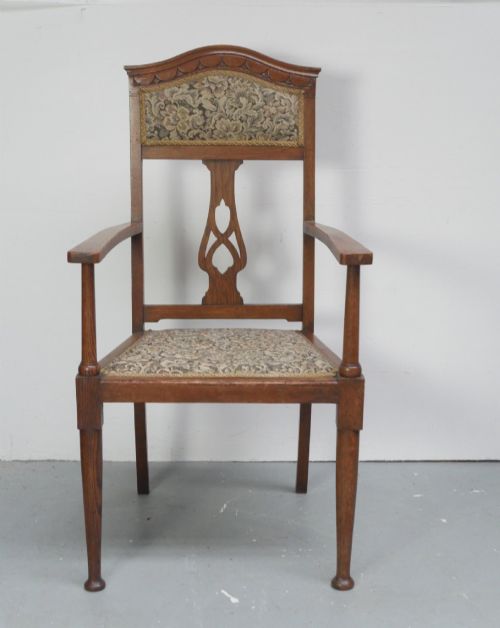
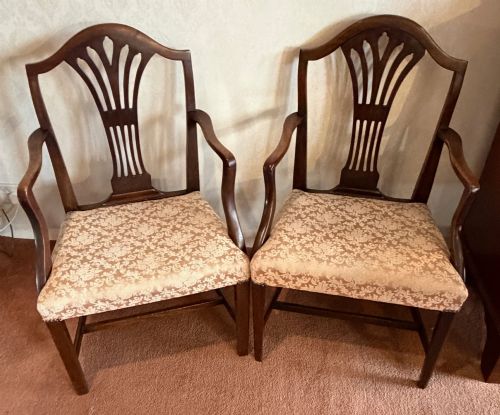
Side chairs feature a seat and back without armrests, designed to tuck neatly beneath dining tables. Armchairs incorporate structural supports for the arms, offering a more commanding presence at the table ends.
Matching sets often pair armchairs at the head of the table with side chairs along the lengths.
How do I care for antique wooden seats?
Maintain timber by keeping pieces away from direct heat sources and rapid humidity changes. Regular dusting with a dry cloth protects the polished surface.
Occasional application of appropriate wax feeds the wood and preserves the historical patina.