


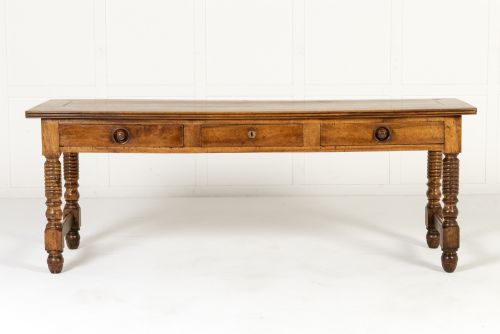
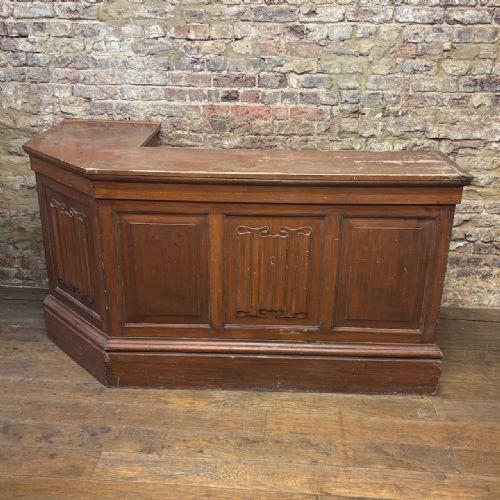
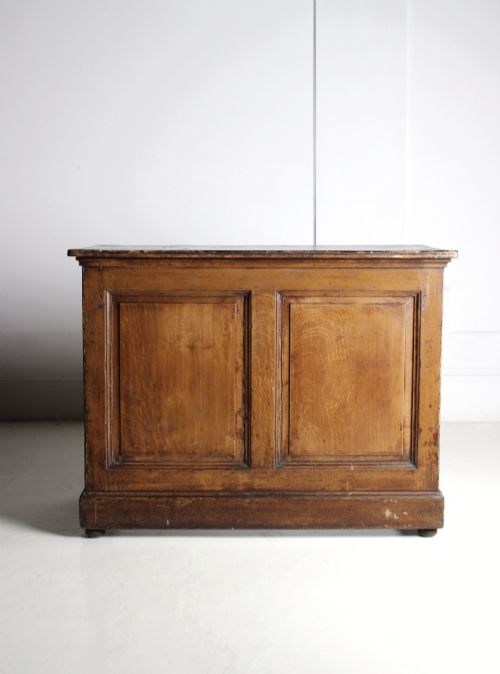

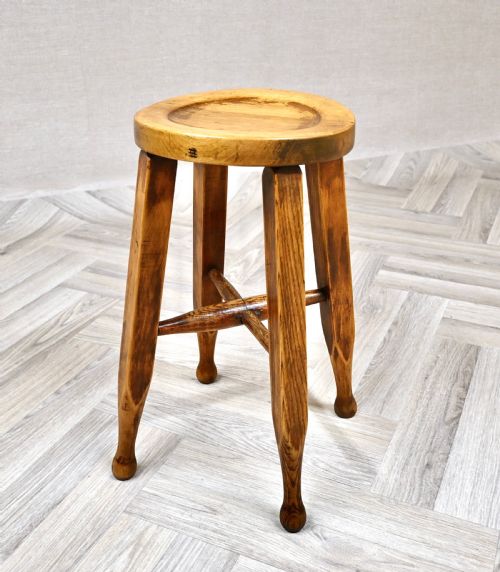





Brown Timber Counter
These brown timber counter pieces offer solid utility and period character, bringing genuine commercial history into domestic and retail spaces.
Brown Timber Counter
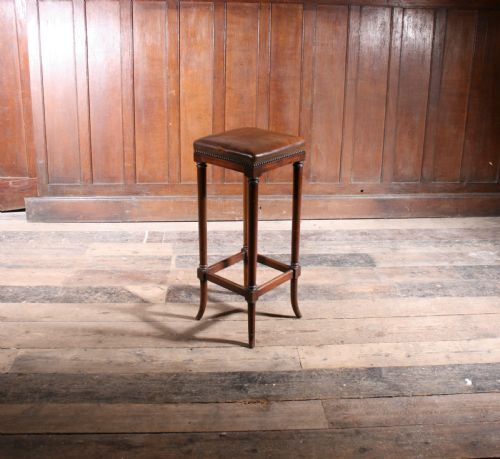
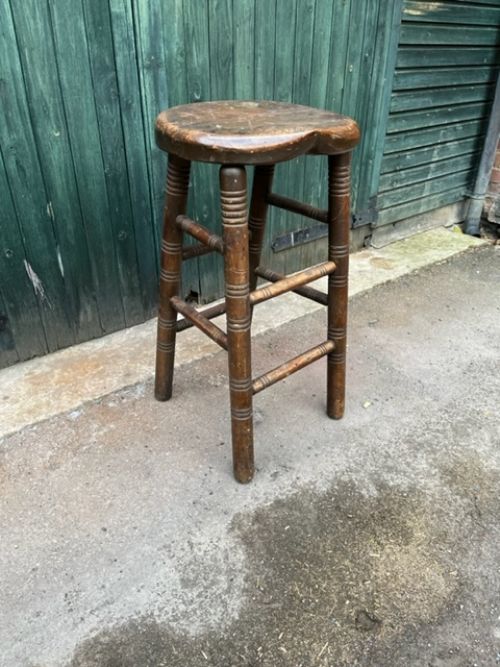
A brown timber counter represents functional shop fittings and mercantile furniture from the nineteenth and early twentieth centuries. These pieces encompass large shop counters, smaller display cases, and associated seating like pub stools.
The selections on this page lean heavily towards Victorian and Edwardian examples constructed from sturdy woods. Buyers encounter commercial fixtures designed for daily trade alongside related items such as display cabinets and counter stools.
Many items reflect specific commercial environments, including pubs, taverns, and general stores. Their robust forms survive from eras when retail fittings required immense durability.
Construction and materials
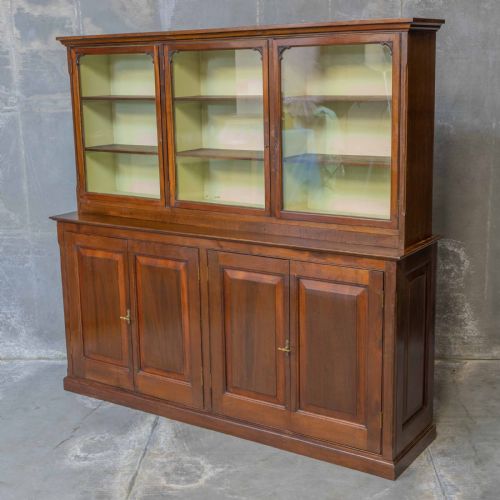
Construction relies heavily on dense hardwoods such as mahogany, oak, and sycamore, paired with structural timber frames. Cabinetmakers utilised brass hardware and inset glass panels for display units, ensuring both visibility and security for goods.
Joinery techniques prioritize practical strength, incorporating visible joints, turned elements, and adjustable feet to handle uneven shop floors. Surfaces often feature integrated leather upholstery on seating or polished timber finishes designed to withstand constant public use.
Brown Timber Counter Retail Price Guide 2026
Typical asking prices for brown timber counter among the pieces listed under this phrase on Sellingantiques today, from the lower quarter to the upper quarter. They describe what is for sale here now, not the wider market.
Several items include tobacco advertising figures and pub stools, reminding us that nineteenth-century trade involved a fair amount of sitting and smoking.
Assessing quality and craftsmanship
Quality rests in the selection of timber and the integrity of the original construction rather than decorative excess. Superior examples display dense grain patterns in hardwoods like mahogany and oak, alongside well-proportioned turning on legs and supports.
The Brown Timber Counter Glossary
- Shop counter
- A heavy commercial table or cabinet designed for serving customers and displaying merchandise. These items formed the central workspace in nineteenth-century retail establishments.
- Display cabinet
- A glazed enclosure used to showcase goods while protecting them from dust and handling. They appear in various sizes, from table-top units to larger floor-standing fittings.
- Clerk's stool
- A tall seating option historically used by workers at elevated desks or counters. They typically feature turned wooden legs and sturdy footrests.
- Hardwood
- Timber derived from broad-leaved trees, including oak, mahogany, and sycamore. These dense woods provided the necessary durability for heavy commercial furniture.
Brown Timber Counter: Frequently Asked Questions
What rooms suit a shop counter?
A large shop counter serves well as a kitchen island or a striking reception desk in a commercial space. Its generous proportions and storage potential make it a practical centrepiece.
Smaller display cases find a natural home on tabletops or sideboards in living areas. They allow for the secure exhibition of collections while adding period atmosphere to the room.
How do I date these counters?
Dating relies on timber choice, construction methods, and hardware styles typical of the Victorian and Edwardian periods. Machine-sawn timber and specific brass fittings often point towards the later nineteenth or early twentieth century.
Makers sometimes incorporated practical adaptations like adjustable feet, which became common in later commercial joinery. Comparing the wear patterns with known period styles helps confirm the era of manufacture.
Are these pieces suitable for daily use?
Commercial antiques were originally built to withstand decades of heavy trade and public interaction. Their robust construction makes them exceptionally durable for modern domestic or retail environments.
Routine care involves gentle cleaning appropriate for polished timber and leather surfaces. Avoiding excessive moisture preserves the integrity of the antique wood.
What is the difference between counters and display cases?
Shop counters function primarily as solid working surfaces for transactions and serving, often incorporating drawers or lower shelving. They are designed for staff to stand behind during business hours.
Display cases focus on visibility, featuring glass panels or enclosed shelving to showcase items securely. They sit upon counters or tables to elevate merchandise for customer inspection.