





Commercial Counter Desk
These commercial counter desk pieces bring functional workspace heritage into modern rooms, offering heavy timbers and period character built for daily trade.
Commercial Counter Desk
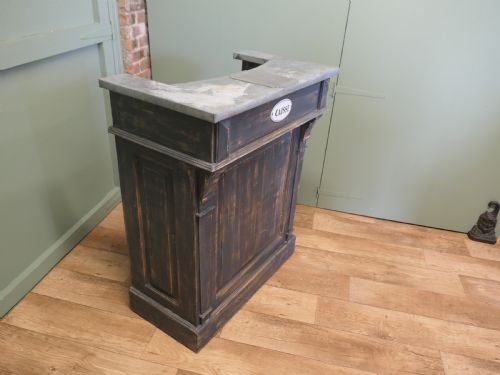
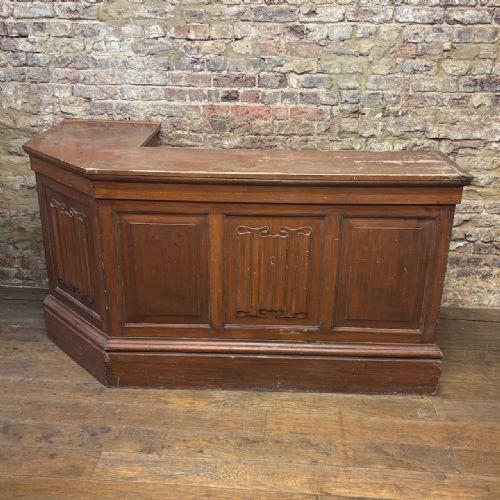
When you search for a commercial counter desk, you are looking at utilitarian furniture built for shops, offices, and trade from the nineteenth and early twentieth centuries. These forms include shop counters, post office sorting tables, drapers tables, and reception greeting stations designed for heavy public use.
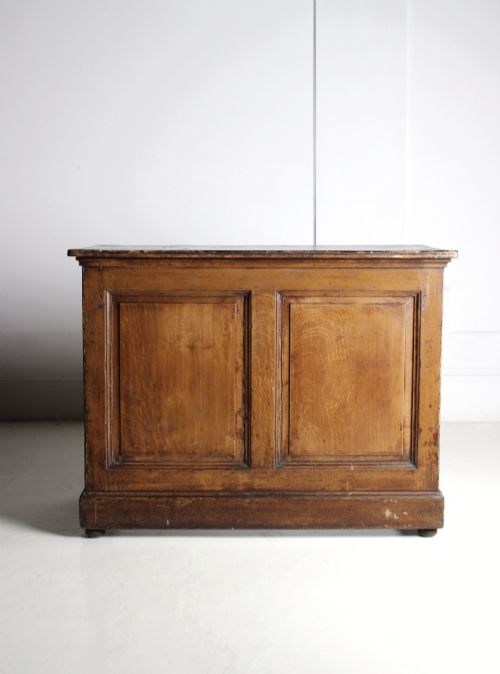
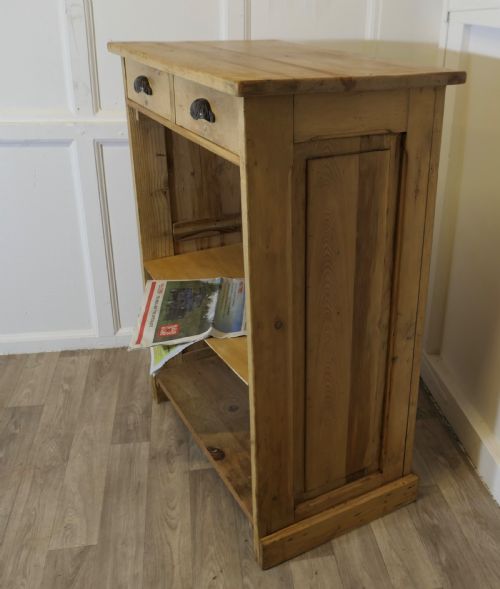
You are most likely to meet sturdy oak and pine examples on this page, reflecting the practical needs of past merchants and clerks. The selection spans distinct eras such as the Victorian period and the nineteen-twenties, each carrying the marks of its original working environment.
Many of these pieces double as home bars, standing desks, or large display units in contemporary settings. Their robust construction and generous proportions make them practical anchors for domestic or commercial interiors.
How they were made
Joiners built these sturdy items using durable hardwoods like oak and mahogany, alongside reliable softwoods such as pine. Construction relied on traditional joinery methods designed to withstand decades of constant public traffic and daily handling.
Surface treatments and hardware added both protection and utility to the working structures. Workshops utilised brass fittings, iron accents, and occasional painted finishes to complete the robust commercial aesthetic.
Commercial Counter Desk Retail Price Guide 2026
Typical asking prices for commercial counter desk among the pieces listed under this phrase on Sellingantiques today, from the lower quarter to the upper quarter. They describe what is for sale here now, not the wider market.
Current listings feature items in oak, pine, and mahogany across the nineteenth century and the nineteen-twenties.
What varies in quality
The distinction between standard utility items and finer examples often rests on the sophistication of the timber selection and panel work. Pieces featuring richer grains, thoughtful carving, or specialised adjustments like adjustable feet demonstrate a higher level of original commissioning.
The integrity of the original structure and the survival of honest working surfaces dictate the standing of a piece. Finer specimens retain their authentic operational hardware and structural depth without excessive modern intervention.
The Commercial Counter Desk Glossary
- Drapers table
- A long, sturdy utility table historically used in cloth merchant shops for measuring and displaying textiles. These typically feature deep proportions and robust timber construction.
- Sorting table
- A functional piece featuring a broad flat surface, historically utilised in postal or administrative environments for organising documents or mail. They prioritize stability and workspace area.
- Panelling
- woodwork technique involving framed sections fitted into a larger structural framework. This method adds rigidity and decorative depth to large shop counters.
Commercial Counter Desk: Frequently Asked Questions
What is a commercial counter desk used for today?
These versatile pieces serve brilliantly as kitchen islands, home bars, or statement reception desks in modern properties. Their deep surfaces and sturdy frames provide ample workspace while adding historical character.
Buyers often place them in open-plan living areas or commercial entryways where durability and visual impact matter equally. They bridge the gap between antique charm and everyday utility.
How do I identify the period of a counter?
Dating relies on examining the timber species, construction methods, and hardware style. Victorian examples often feature rich mahogany and detailed panel work, whilst nineteen-twenties pieces lean toward utilitarian oak and pine.
Looking underneath and inside reveals the tool marks and fastening types characteristic of specific decades. Comparing the form to known archive types helps narrow down the exact era.
Are these counters suitable for daily kitchen use?
Most of these pieces were engineered for heavy trade use, making them exceptionally robust for contemporary kitchen environments. Hardwoods like oak and pine handle regular contact well when properly maintained.
Their substantial height and wide surfaces mirror modern island dimensions. Simple protective treatments keep the historical timber safe from moisture and daily wear.
How do I care for antique pine and oak furniture?
Maintaining these surfaces requires minimal moisture and occasional application of natural wax to nourish the dry timber. Avoid placing them near direct heat sources to prevent the wood from splitting.
Regular dusting with a soft cloth preserves the accumulated patina. Respecting the historical finish ensures the piece retains its authentic appearance over time.