



Antique Bar Counter
An antique bar counter brings the solid timber presence and character of a period tavern, shop, or home bar into a room.
Antique Bar Counter
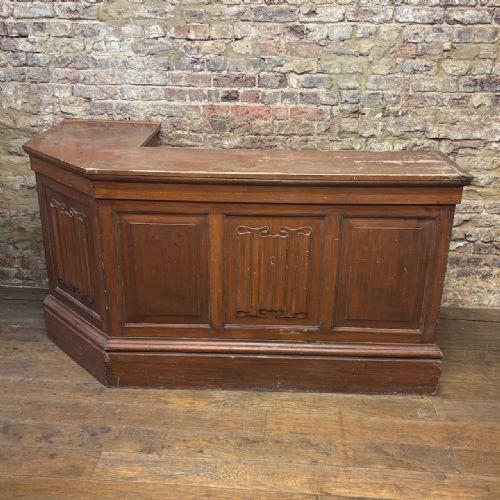
When you search for an antique bar counter, you look at a mix of large commercial front and back bars, reception stations, cocktail cabinets, and the tall seating made to accompany them. The pieces span domestic and commercial origins, taking forms from grand Art Deco maple and black lacquer cocktail bars to sturdy nineteenth-century mahogany shop fronts.
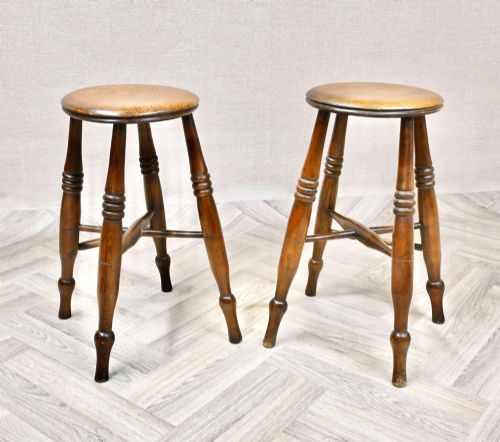
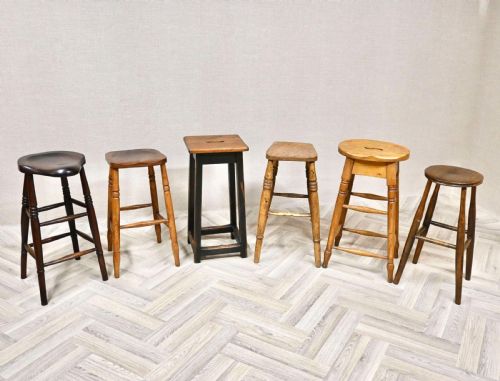
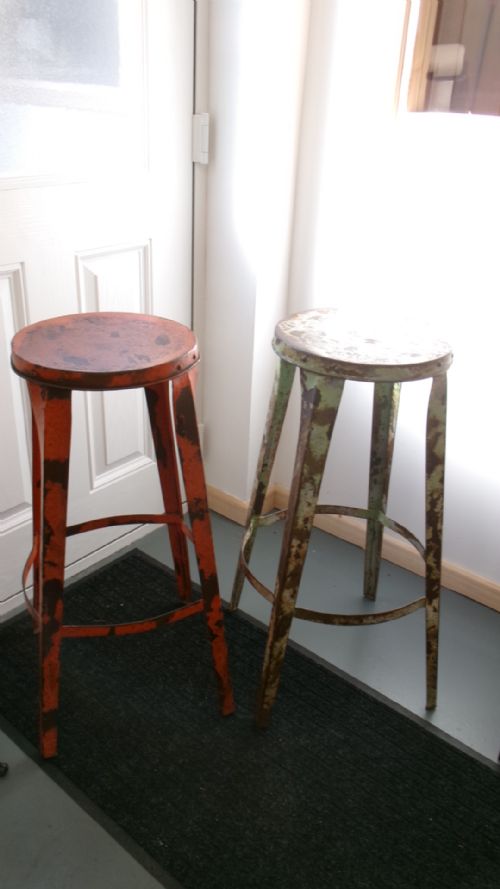
Most examples you encounter on this page date from the nineteenth century up through the nineteen-forties, covering Victorian, Edwardian, and Art Deco periods. You will find substantial home bars alongside individual tavern stools in elm, oak, and sycamore, reflecting the varied social spaces where these pieces originally stood.
How they were made
Cabinetmakers and joiners built these counters and stools using solid hardwoods such as oak, mahogany, elm, walnut, and beech, often combining them with pine or hardwood carcases. Surviving pieces show traditional framing, hand-carved details, turned legs, and bentwood techniques, alongside industrial metal riveting on later twentieth-century designs.
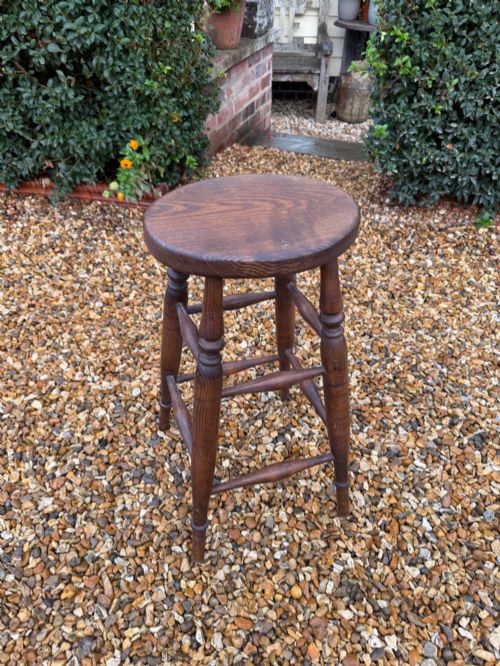
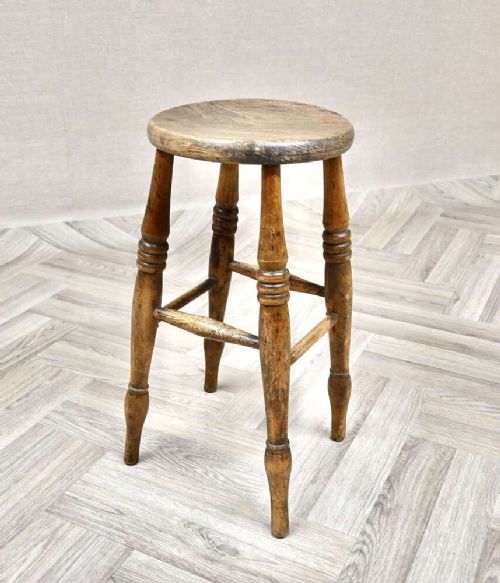
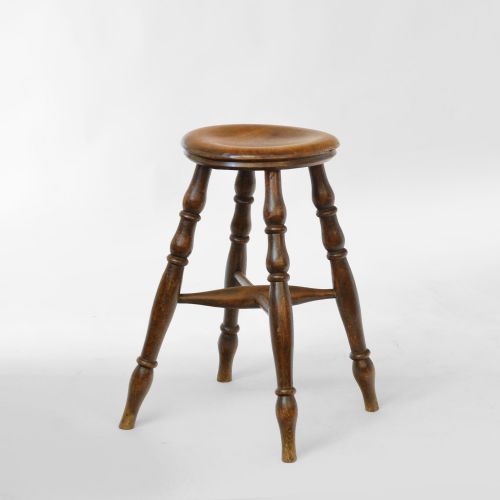
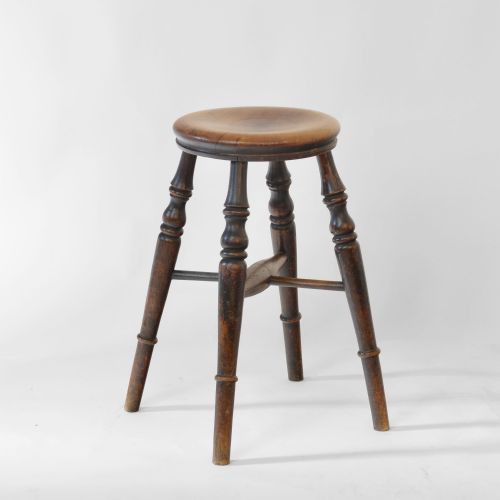
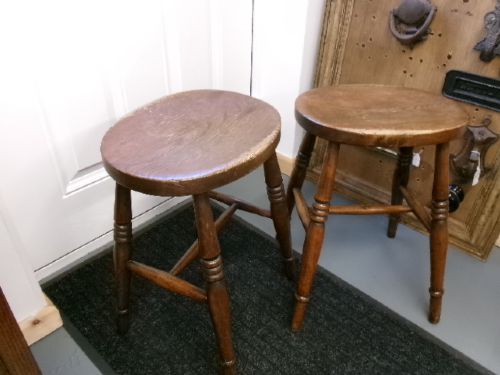
Surfaces received specialised treatments depending on their intended use, ranging from polished mahogany and blonde maple to black lacquer, leather upholstery, and original glass tops. Stools frequently feature rush seating or oval dished timber tops shaped for comfort during long hours in public houses and commercial settings.
Antique Bar Counter Retail Price Guide 2026
Typical asking prices for bar counter among the pieces listed under this phrase on Sellingantiques today, from the lower quarter to the upper quarter. They describe what is for sale here now, not the wider market.
Listings feature timbers including oak, elm, mahogany, walnut, beech, birch, maple, and pine across pieces spanning the nineteenth and twentieth centuries.
What varies in quality
Quality in these pieces rests upon the integrity of the original timber, the weight and substance of the construction, and the preservation of authentic surface finishes like early polish, paint, or lacquer. Finer examples retain their original glass tops, leather upholstery, or distinctive maker attribution.
The sophistication of the joinery and carving separates standard utilitarian shop fittings from exceptional pieces like large Art Deco cocktail bars. Proportions, the selection of figured veneers such as maple or walnut, and the survival of matching sets elevate certain counters and groups of stools above ordinary utility items.
H&L Epstein·Albert Barker
The Antique Bar Counter Glossary
- Bentwood
- Wood softened by steam and then bent into curved forms under pressure. This technique produced lightweight yet durable frames for tavern and commercial seating.
- Dished top
- A wooden seat carved with a shallow depression to fit the sitter. These ergonomic seats appear frequently on nineteenth-century pub and tavern stools.
- Clerk's stool
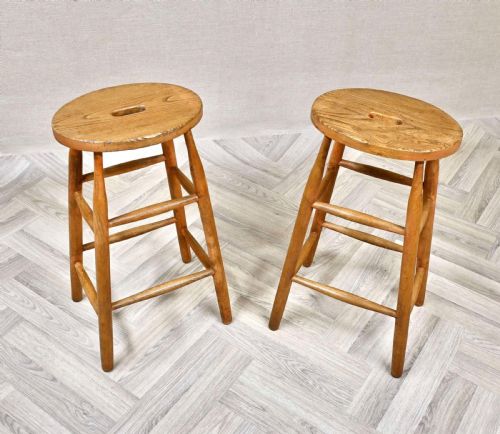
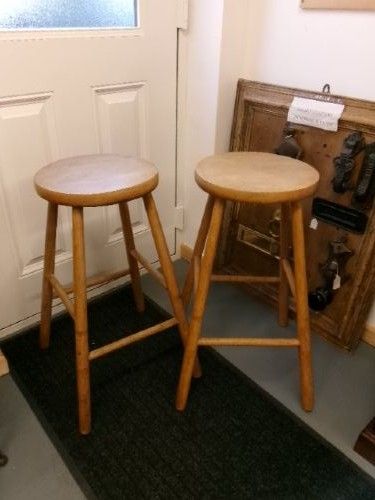
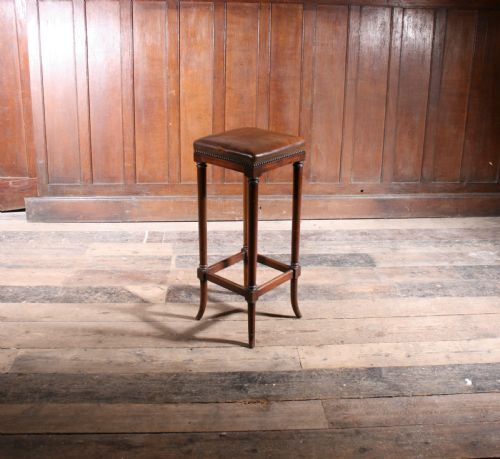
- A tall timber stool designed for standing desks or high workspace counters. They typically feature turned beech, birchwood, or oak legs and fixed ring footrests.
- Cocktail bar
- A specialised hospitality unit popularized in the twentieth century for home or commercial entertaining. Examples often combine blonde maple, black lacquer, and glass.
- Rush seat
- A seating surface woven from dried marsh rushes or reeds. This traditional technique provides a textured, resilient top for country house and farmhouse stools.
Antique Bar Counter: Frequently Asked Questions
What rooms suit an antique bar counter?
These counters and accompanying stools fit well into open-plan living areas, dining rooms, home entertainment spaces, and studies where a focal point for hosting is desired. Large commercial fronts and cocktail bars require substantial floor space and adequate ceiling clearance.
Smaller pieces like tall clerk's stools and single pub counters adapt easily to kitchen islands, breakfast rooms, or narrow hallways as occasional seating or display surfaces.
How do front and back bars differ?
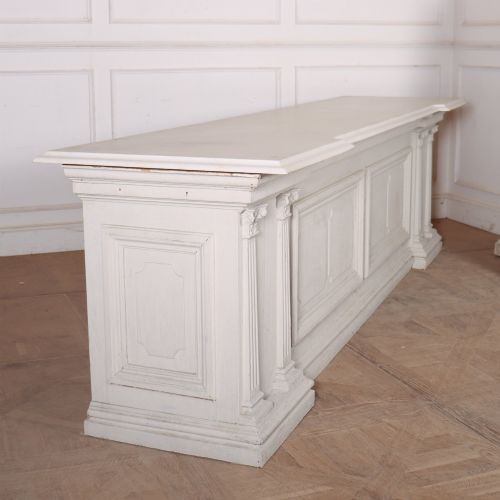
Front bars provide the primary customer-facing counter surface where drinks are served, often featuring footrails, decorative timber panelling, and solid hardwood tops. They form the physical barrier in a tavern or home bar setup.
Back bars typically stand against the wall behind the server, incorporating shelving, display cabinets, mirrors, or counterweighted workspace for bottle storage and preparation.
What timbers were used for pub stools?
Elm, sycamore, oak, beech, and birchwood predominate among nineteenth-century tavern and pub stools. Elm and sycamore provided durable, dense seating timbers that resisted splitting under heavy daily use.
Turned beech and birch frequently formed the legs and stretchers of clerk's stools, while mahogany appeared in more formal domestic and commercial contexts.
How do you distinguish Art Deco bars?
Art Deco bars from the nineteen-twenties and thirties emphasise sleek geometric lines, contrasting materials, and polished surfaces. They frequently pair blonde maple with black lacquer, complemented by original glass tops and matching leather-upholstered stools.
Earlier Victorian and rustic farmhouse pieces rely instead on turned wooden spindles, carved oak panels, and traditional polished timber.