
Brown Timber Chest Drawers
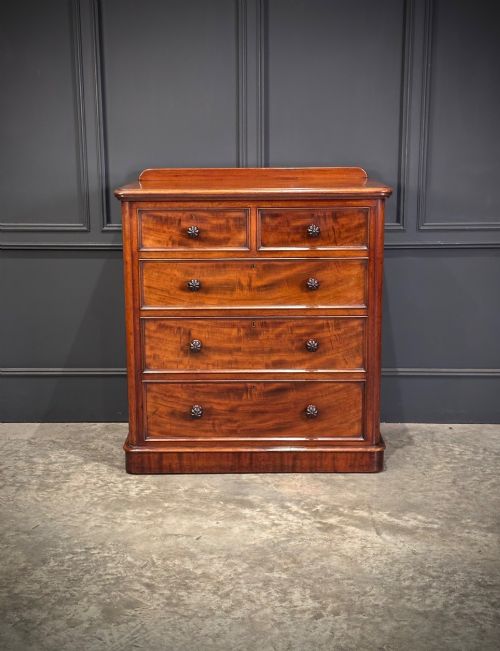
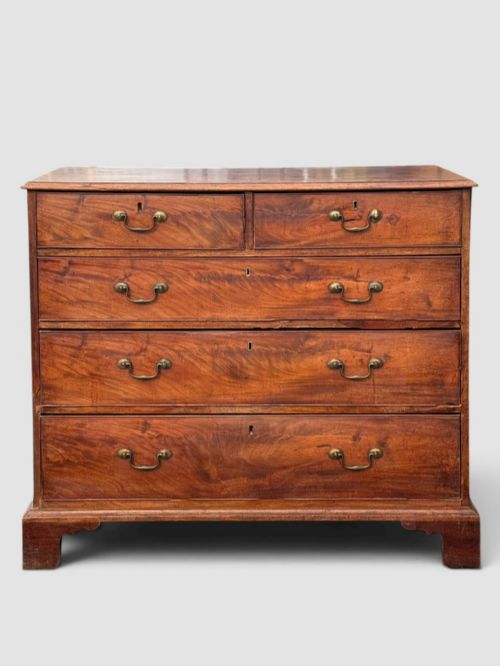
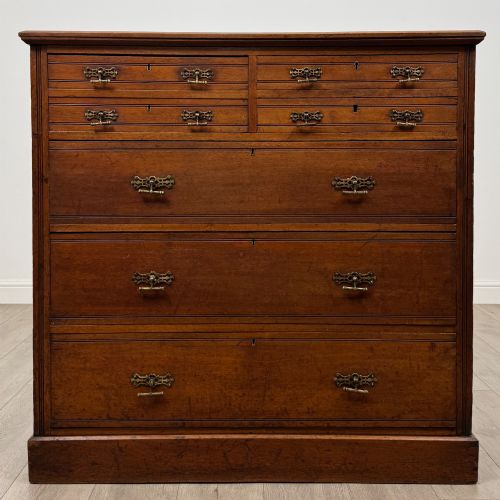
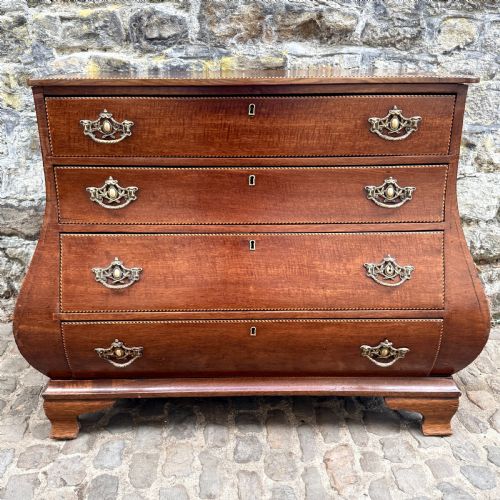
These brown timber chest drawers span periods from the 18th century to the 1930s, offering solid storage built in mahogany, walnut, and oak.
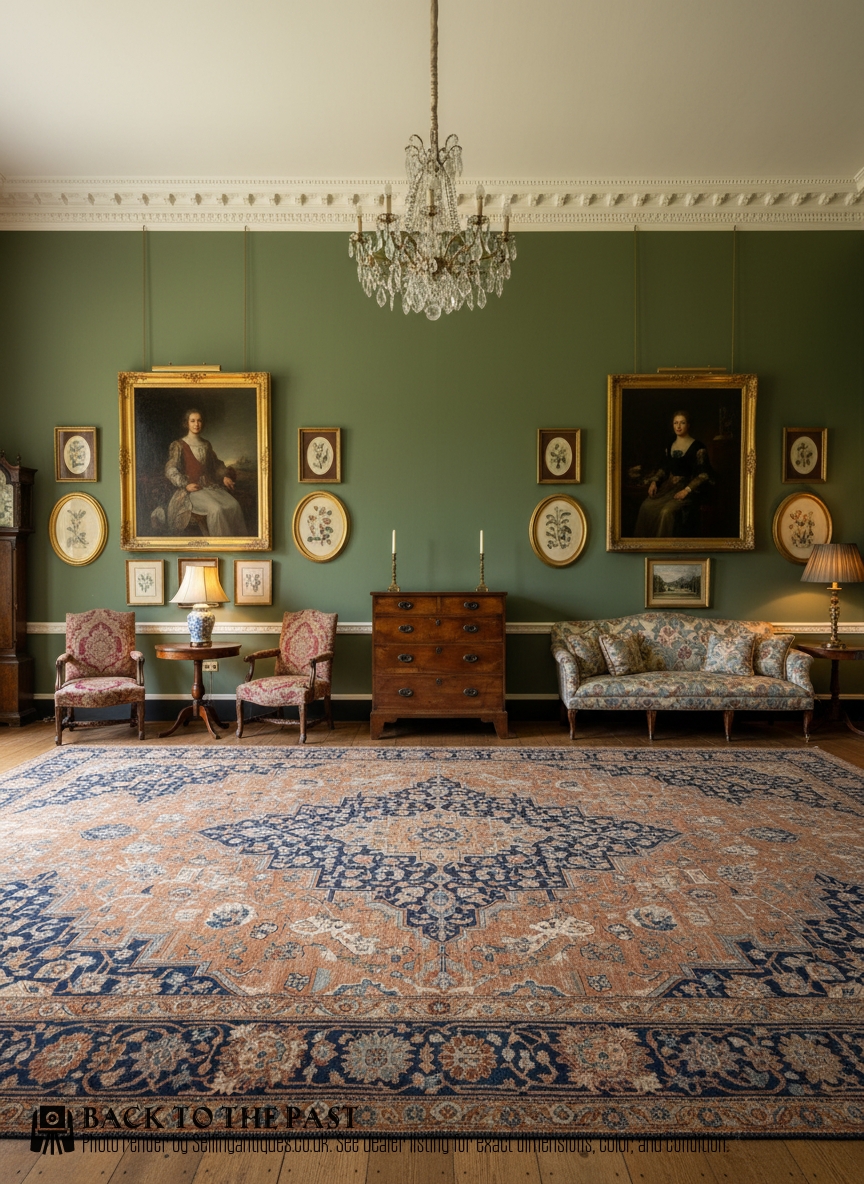
Brown Timber Chest Drawers
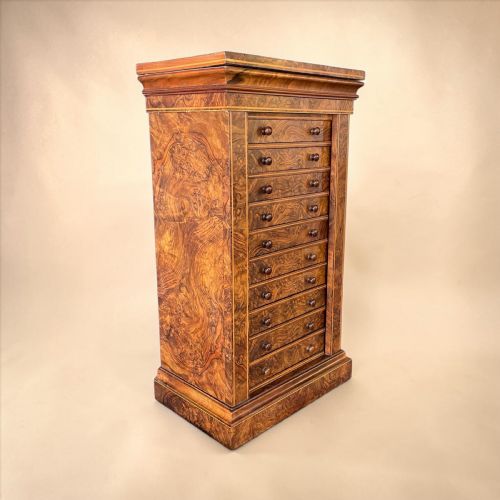
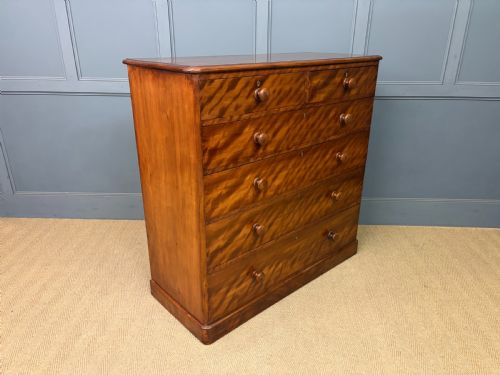
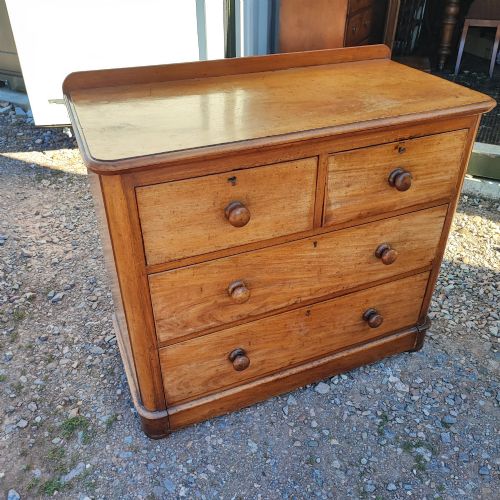
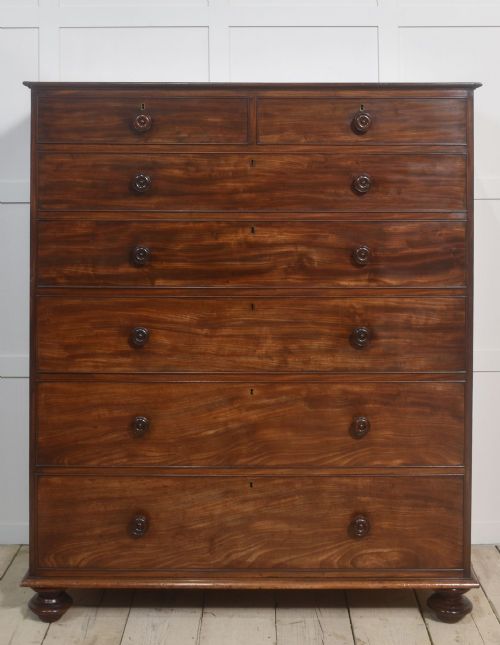
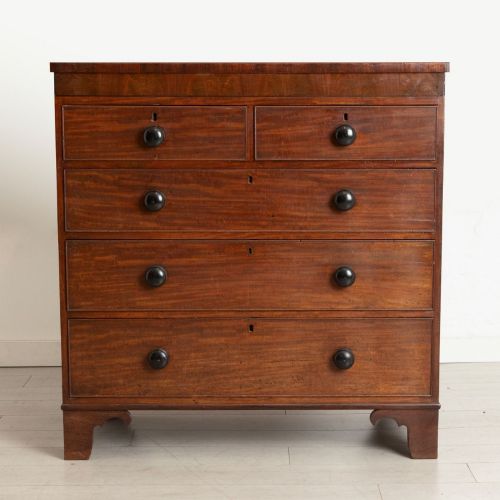
Most pieces on this page are standard chests of drawers or Wellington chests originating from English, Dutch, and Asian workshops. These items served primarily for storing garments or domestic linen in domestic chambers.
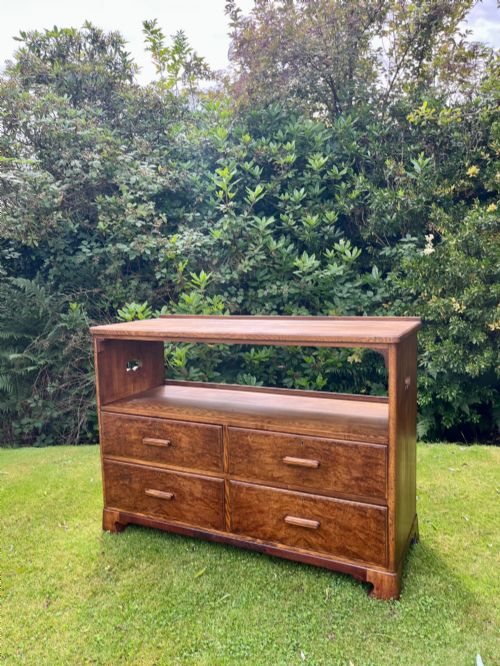
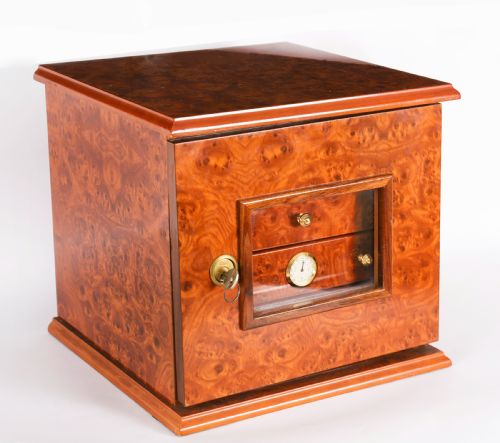
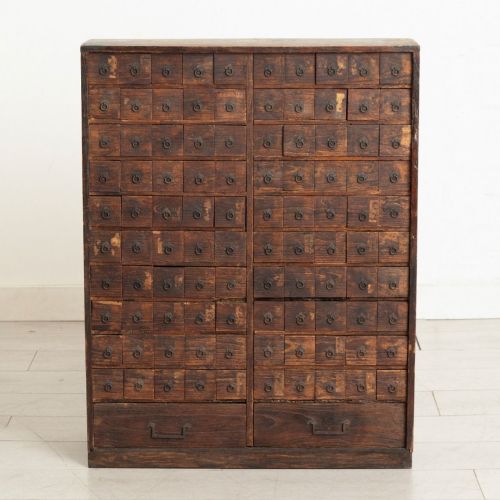
The assortment includes related utilitarian forms such as lowboys, apothecary cabinets, and humidors alongside traditional drawer chests. Each piece shows the specific regional design tendencies of its manufacturing period, from Georgian proportions to Edwardian scaling.
Materials and construction
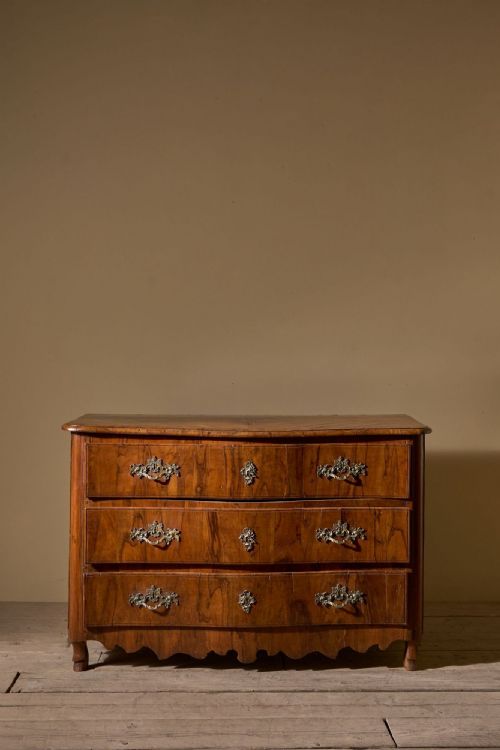
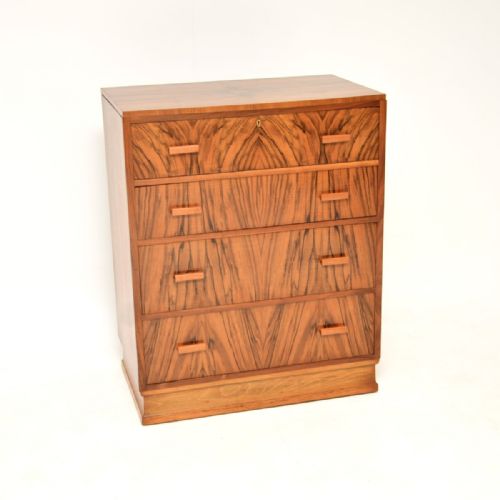
Cabinet makers relied heavily on mahogany, walnut, and oak timbers, often selecting figured veneers like burr walnut or exotic woods such as olive wood and satinwood for drawer fronts and top surfaces. Secondary woods inside carcass frames typically include pine or native softwoods.
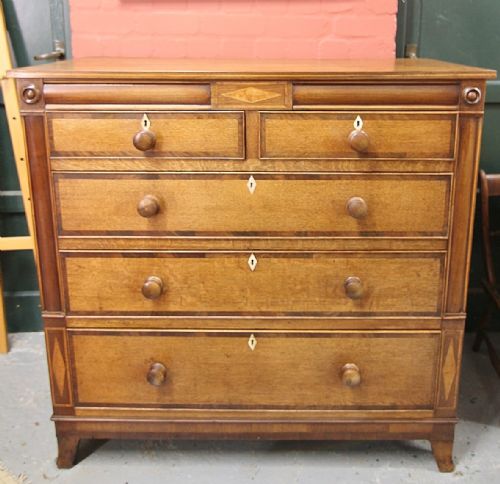
Hardware such as brass drop handles, escutcheons, and locking mechanisms provide functional contrast to the dark timber surfaces. Joinery relies on traditional hand-cut dovetails for drawer construction and pegged frame joints.
Surface finishes range from polished French polish to waxed natural timber, protecting the grain while developing a deep patina over decades of handling.
Listings feature items built from the 18th century through to the 1930s, incorporating mahogany, walnut, oak, and elm.
Assessing quality and execution
Quality rests in timber selection and the precision of the cabinet work, particularly the tightness of the dovetails and the grain matching across drawer fronts. Uniformity in timber figure distinguishes superior pieces from standard utility items.
The presence of original brass hardware, working locks with operational keys, and secondary woods appropriate to the stated period elevate a piece. Structural integrity in the drawer runners and carcass stability dictate daily usability.
Jas Shoolbred·Whytock and Reid·Heal and Son·William Gomm·Gillows of Lancaster
The Brown Timber Chest Drawers Glossary
- Wellington chest
- A tall, slender chest of drawers featuring a hinged locking stile on one side that secures all drawers simultaneously. This form originated in the 19th century.
- Bowfront
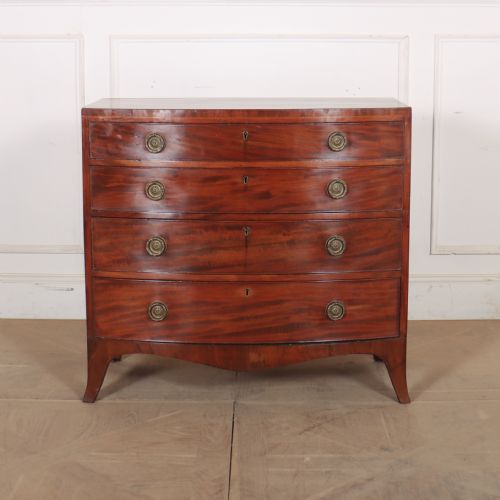
- A cabinet front curved in a convex sweep across the width. This style appears frequently on Georgian and Regency examples.
- Lowboy
- A small kneehole dressing table or side table with one or more rows of drawers, standing on relatively tall legs. These date predominantly to the 18th century.
- Dovetail
- A joint formed by interlocking wedge-shaped fingers, used extensively in period drawer construction for tensile strength. Hand-cut variations indicate pre-industrial making.
- Escutcheon
- A protective plate surrounding a keyhole, usually fashioned from brass or bone. It prevents the timber around the lock from sustaining wear.
Brown Timber Chest Drawers: Frequently Asked Questions
How do I date a brown timber chest?
Examine the timber species, drawer construction methods, and secondary woods visible inside the carcass. Machine-sawn timber and iron nails point towards later 19th-century or 20th-century production, whereas hand-cut dovetails and oak linings suggest Georgian origins.
Style details also help establish eras, such as bracket feet on earlier pieces versus turned feet on Victorian examples. Hardware styles and fixing types offer further clues to the decade of manufacture.
What is a Wellington chest?
A Wellington chest is a tall, narrow set of drawers secured by a locking vertical wooden flap on the right side. This hinged locking bar engages with the edge of every drawer.
Cabinet makers designed these pieces for gentlemen's dressing rooms to securely store shirts and small valuables. Their vertical proportions made them suitable for narrower wall spaces.
Are these chests made of solid wood?
Many period pieces combine solid timber frames with decorative veneers applied to secondary woods like pine or oak. Figured grains such as burr walnut were sliced thinly and laid over stable carcass timbers to prevent warping.
Drawer linings and internal dividers are frequently constructed from secondary softwoods or oak. Solid mahogany appears commonly in Georgian structural frames and drawer sides.
How should I care for antique timber?
Keep wooden furniture away from direct heat sources and drastic humidity changes to prevent timber splitting and veneer lifting. Dust regularly with a dry, soft cloth and avoid silicone-based polishes.
Feed the finish occasionally with traditional beeswax to maintain the moisture barrier and preserve the historical patina. Lift rather than drag chests when repositioning them to protect joint integrity.