





Brown Timber Bookcase
A brown timber bookcase brings warmth and utility to a room, offering sturdy shelving and rich wood grains for your library.
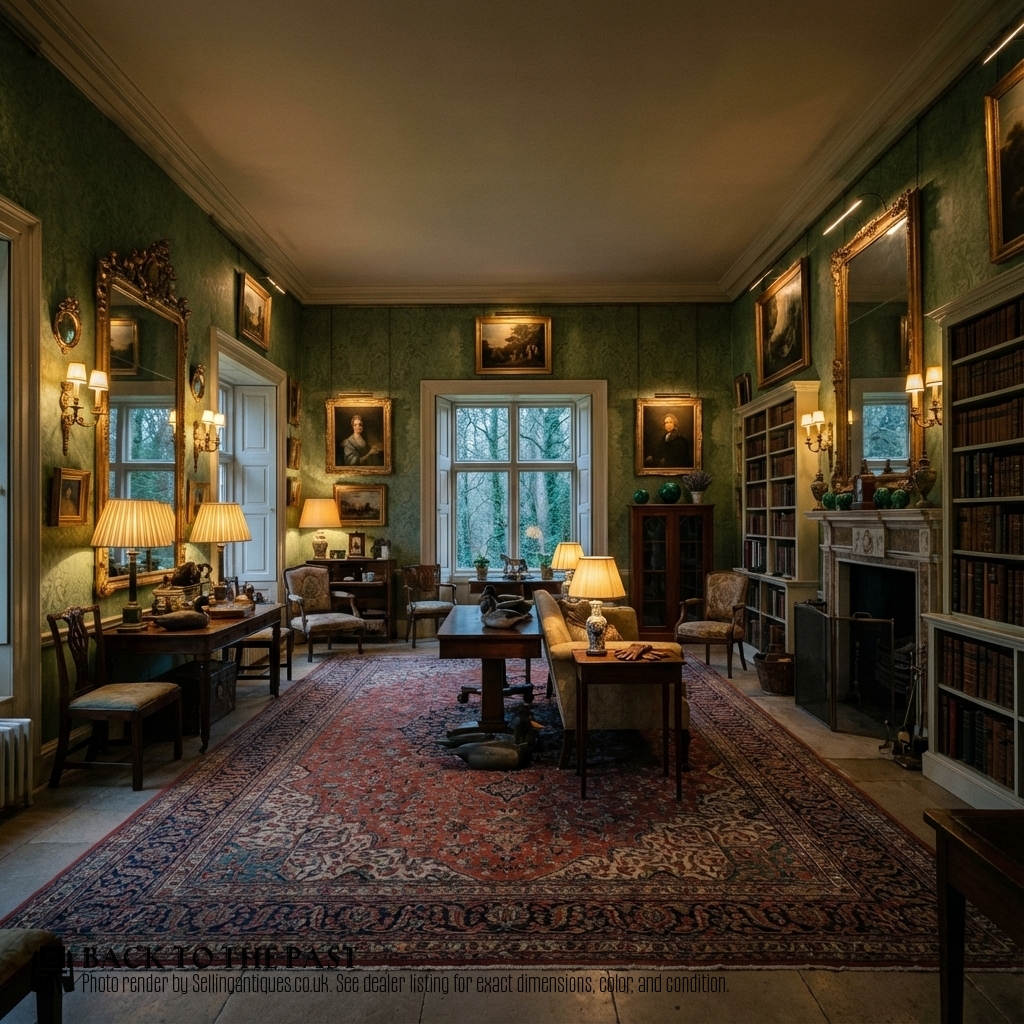
Brown Timber Bookcase
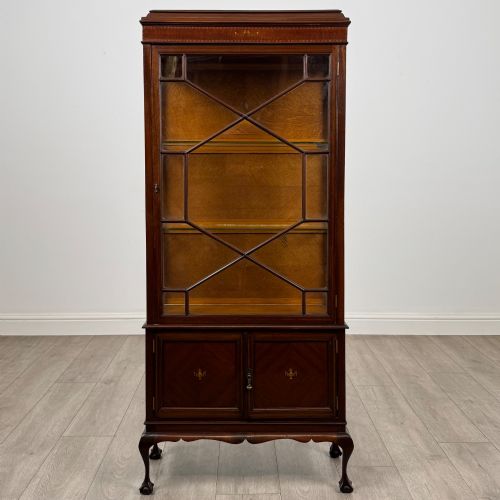
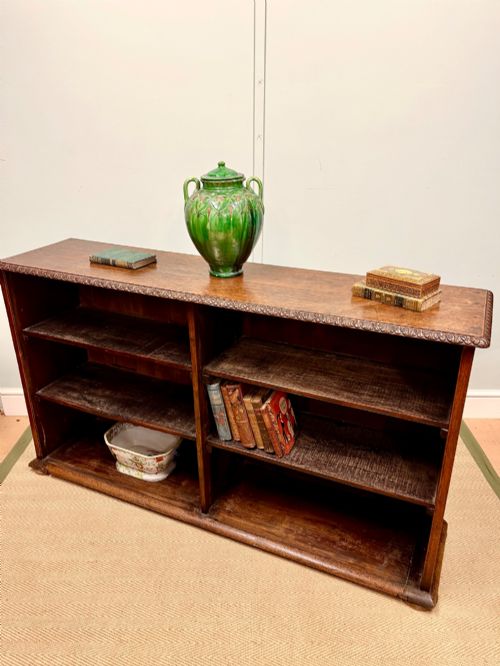
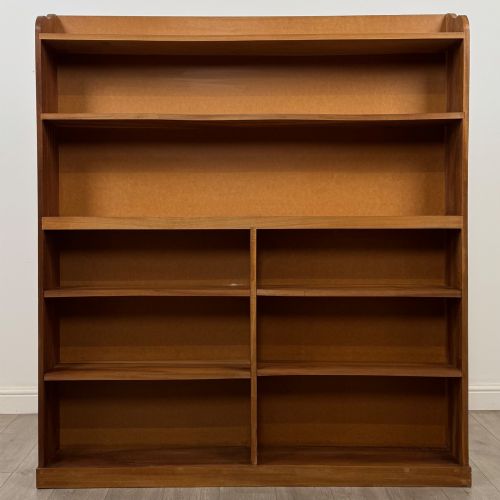
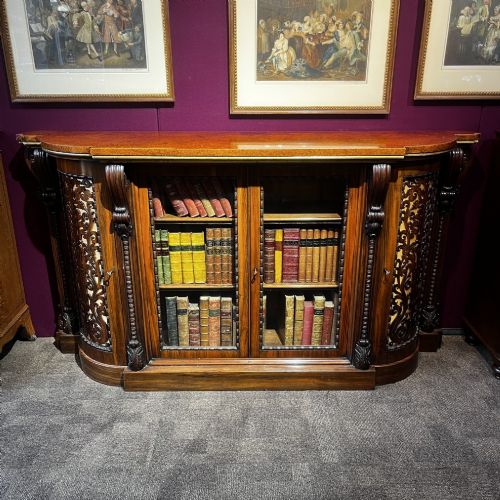
When you search for a brown timber bookcase, you are looking at practical storage furniture designed to hold books and display objects across various historical periods. The options span open shelving units, glazed display cabinets, and stacking barrister designs from the nineteenth and early twentieth centuries.
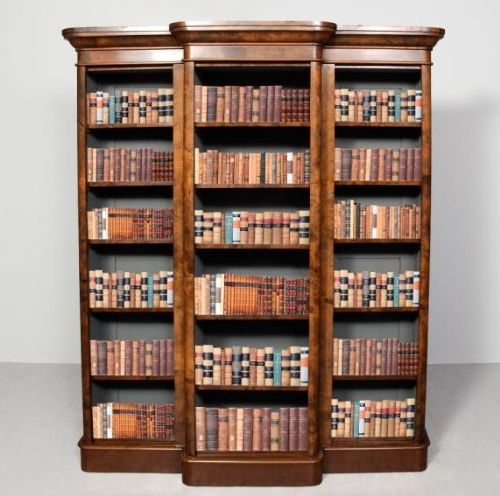
On this page, you are most likely to meet pieces from the Victorian and Edwardian eras constructed in mahogany, walnut, and oak. These range from small open bookcases to large breakfront cabinets suited for domestic interiors.
How they were made
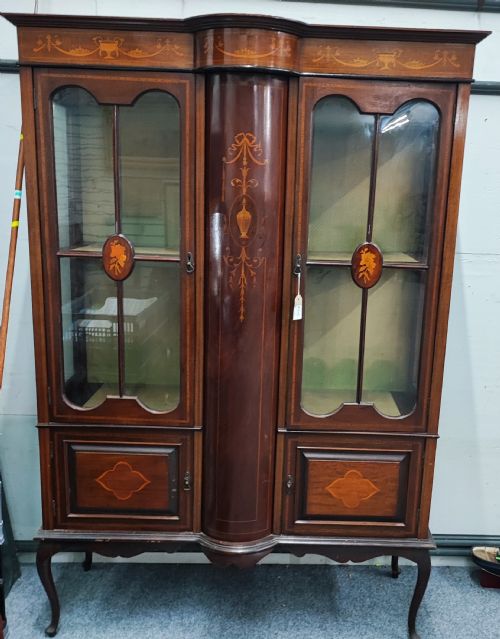
Cabinet makers utilised dense hardwoods such as mahogany, walnut, and oak to build the primary structures and shelving. These woods were often polished to highlight natural grain patterns, sometimes enhanced with burr walnut veneers or satinwood inlay.
Many examples incorporate glazed doors with wooden framing, brass fittings, and carved detailing. Construction techniques varied from traditional joinery in domestic cupboards to specialised stacking mechanisms in barrister bookcases.
What varies in quality
Quality rests in the selection of timber and the sophistication of the cabinet work, from plain pine and stained softwood to highly figured burr walnut and Gonçalo Alves. Better examples display careful proportion, balanced grain matching, and well-executed marquetry or carving.
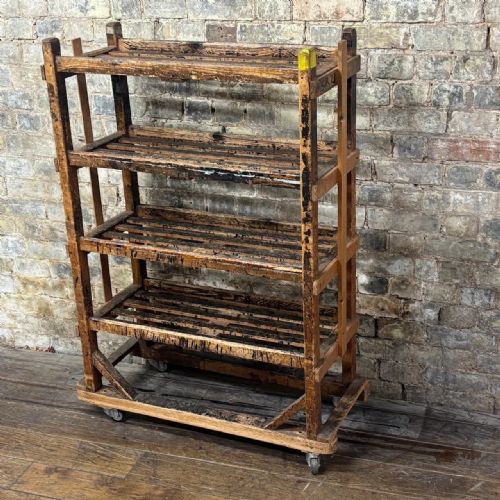
The degree of original craftsmanship defines the standing of each piece, distinguishing utilitarian shop fittings and industrial trolleys from refined country house breakfront cabinets.
The Brown Timber Bookcase Glossary
- Breakfront
- A piece of furniture where the central section projects forward from the flanking sides. This layout adds architectural depth to large bookcases.
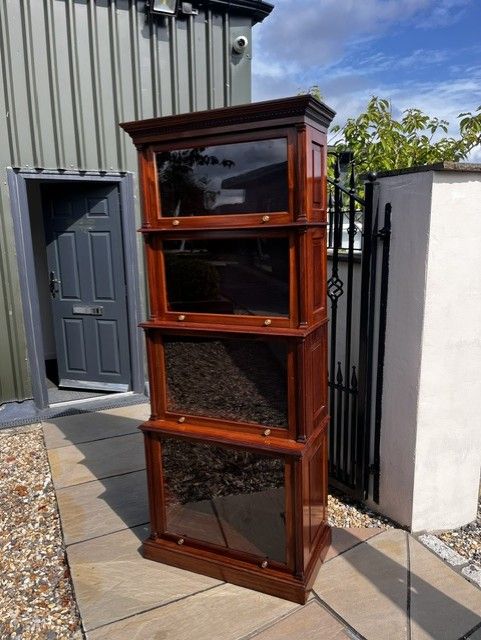
- Barrister bookcase
- A modular bookcase featuring glass-fronted tiers that lift and slide inward on pivot hinges. They were designed to protect law books while allowing easy access.
- Whatnot
- A set of open shelves supported by slender pillars, used for displaying ornaments and small books. They appear in corner and freestanding formats.
- Gonçalo Alves
- A dense exotic hardwood known for its contrasting dark brown and golden figuring. It yields a striking appearance on nineteenth-century cabinet work.
- Waterfall bookcase
- A set of open shelves that step back progressively from bottom to top, following a sloping vertical profile.
Brown Timber Bookcase: Frequently Asked Questions
How do I date a brown timber bookcase?
Dating relies on identifying period characteristics, construction methods, and timber choices typical of nineteenth and early twentieth-century workshops. Stylistic cues such as Edwardian inlay or Victorian breakfront proportions help narrow the decade of manufacture.
Examining the backboards, fixings, and secondary woods provides further clues to confirm whether a piece belongs to the Victorian era or later revival periods.
What is the difference between an open bookcase and a glazed cabinet?
An open bookcase provides direct, unhindered access to shelves, making it practical for daily reading collections and frequently used volumes. Glazed cabinets feature glass doors that protect books and display objects from dust.
Enclosed versions often incorporate locking mechanisms and decorative astragals, serving both functional storage and formal display roles in traditional rooms.
Are stacking barrister bookcases suitable for modern homes?
Stacking barrister bookcases offer modular flexibility, allowing sections to be arranged according to available wall space and ceiling height. Their glass fronts keep modern editions and delicate volumes protected from household dust.
These pieces bring an industrial or traditional aesthetic to studies and living areas while remaining straightforward to dismantle and transport.
Which woods are most common in these bookcases?
Mahogany, walnut, and oak appear frequently across nineteenth and early twentieth-century brown timber bookcases. Cabinet makers also employed specialty timbers like burr walnut, rosewood, and exotic Gonçalo Alves for higher-status items.
More utilitarian pieces and shop fittings were constructed using pine, sometimes stained to mimic denser hardwoods.