

Brown Teak Furniture
Brown teak furniture brings heavy colonial utility and intricate regional carving into domestic spaces through robust campaign chests and detailed occasional tables.
Brown Teak Furniture
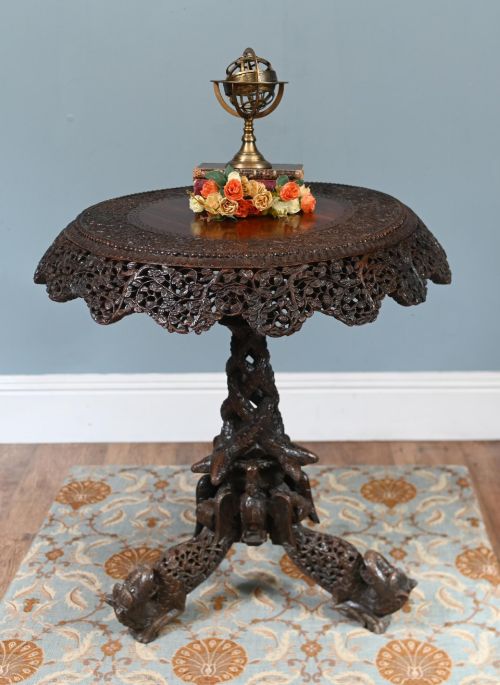
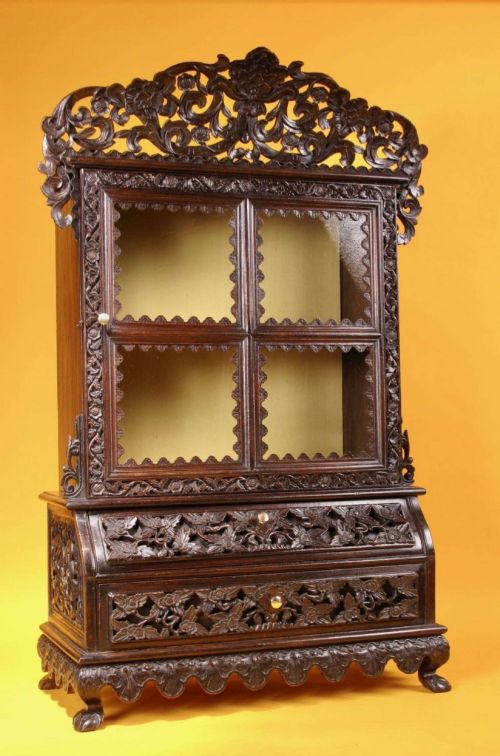
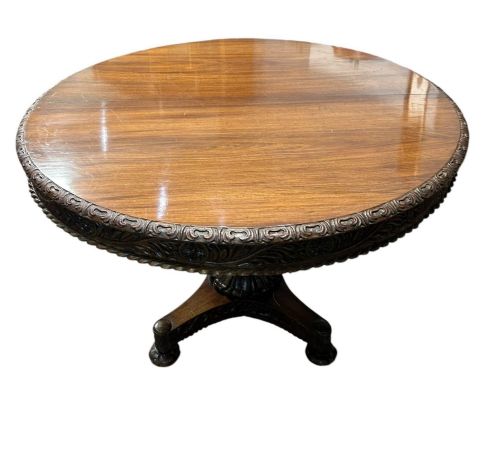
When buyers search for brown teak furniture, they encounter dense tropical timber shaped by British colonial expansion and indigenous craftsmanship. The selection relies heavily on campaign chests designed for travel and intricately carved tables originating from India and Burma.
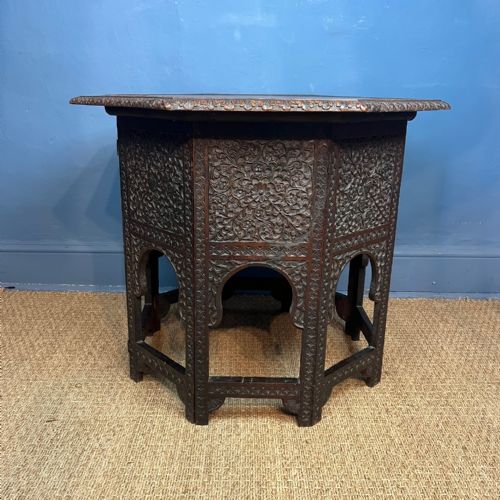
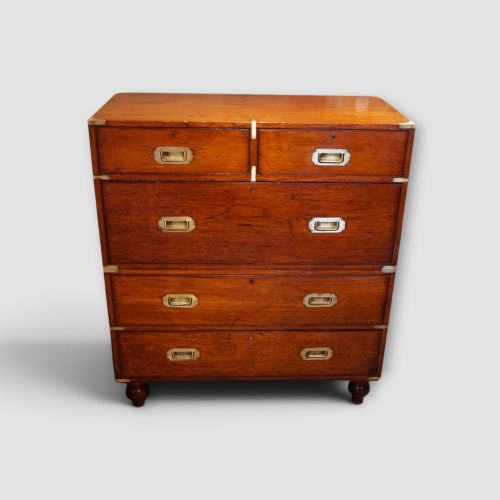
Most pieces date from the nineteenth century, ranging from utilitarian military furniture with brass fittings to decorative occasional tables showcasing deep floral relief. These items reflect both the practical demands of overseas service and the rich decorative traditions of the subcontinent.
How they were made
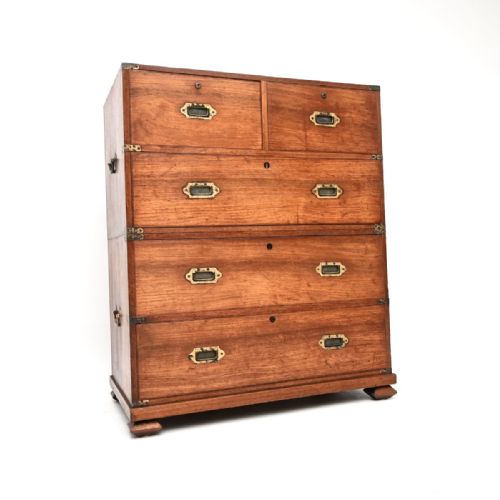
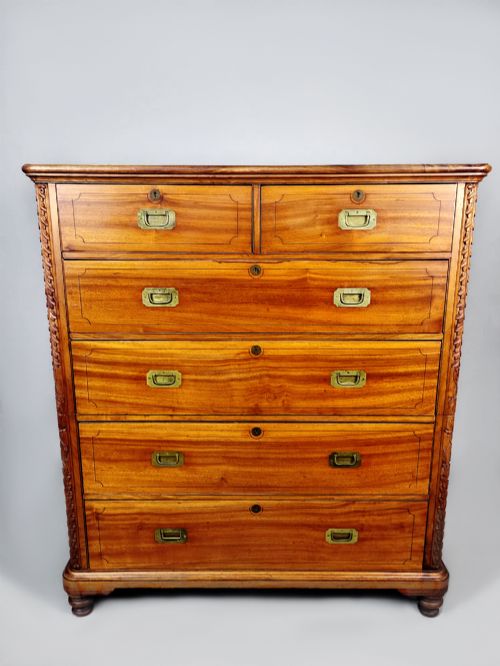
Makers utilised solid teak for its exceptional durability and resistance to tropical humidity, often pairing the dense timber with contrasting materials like bone, brass, and rosewood. Campaign pieces incorporate brass bound corners and recessed handles designed to withstand frequent transport.
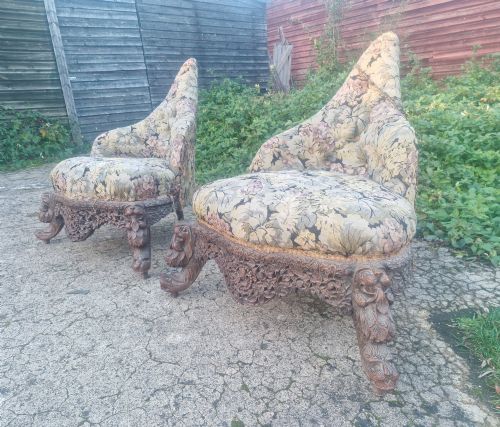
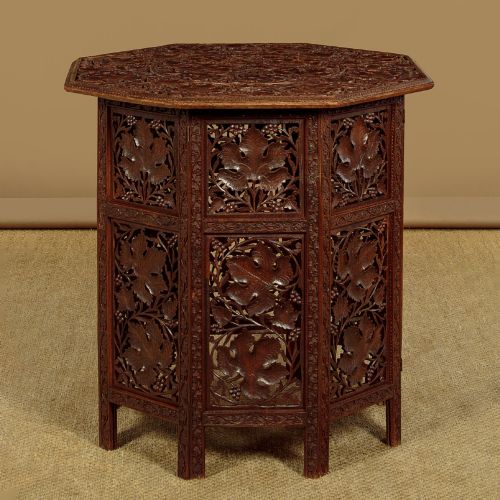
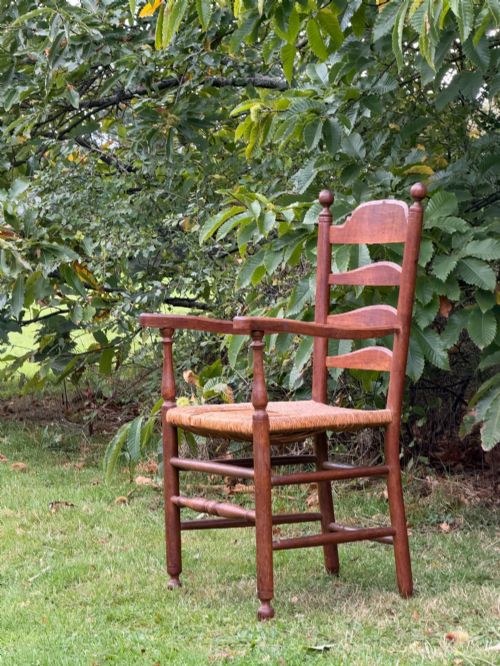
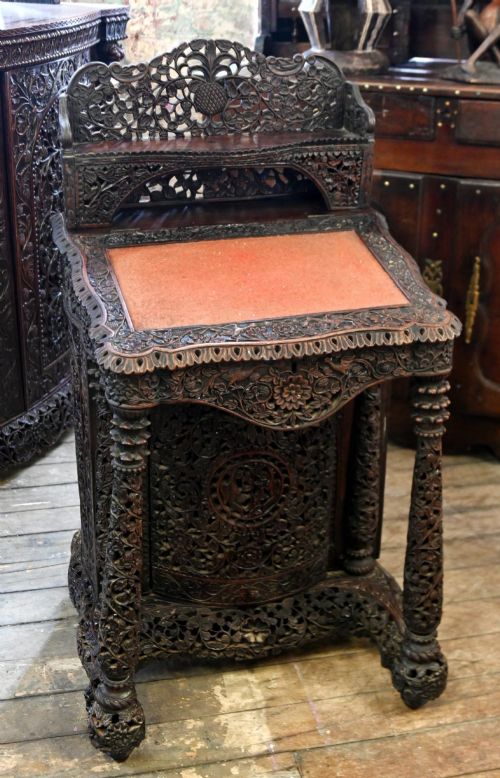
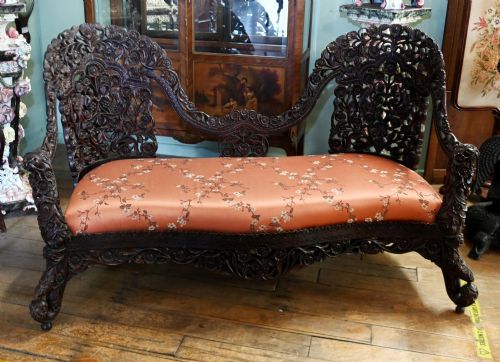
Decorative tables and armchairs display meticulous hand carving in hardwood, sometimes featuring intricate pierced work or delicate inlay. Iron and leather appear selectively to reinforce structural elements or provide writing surfaces on desks.
Brown Teak Furniture Retail Price Guide 2026
Typical asking prices for brown teak furniture among the pieces listed under this phrase on Sellingantiques today, from the lower quarter to the upper quarter. They describe what is for sale here now, not the wider market.
Several small occasional tables incorporate secret folding stands so officers could pack them flat alongside their campaign chests.
What varies in quality
Quality rests on the crispness of the hand carving and the integrity of the timber construction. Superior carved tables retain deep, sharp relief without splintering, whilst campaign chests depend on the precise fitting of flush brass hardware and original drawer linings.
The weight of the timber and the complexity of inlaid bone or contrasting wood sections distinguish finer items from simpler utilitarian outputs. Original structural stability and minimal replacement of brass or wooden components dictate the standing of each piece.
Army And Navy Stores·Heals
The Brown Teak Furniture Glossary
- Campaign chest
- A modular chest of drawers built in two or more stacking sections for easy transport by military officers. These chests typically incorporate recessed brass handles and reinforced corners.
- Anglo-Indian
- A descriptive term for furniture made in India during the British Raj, combining British forms with traditional local carving and decorative motifs. This style frequently utilises dense teak and exotic hardwoods.
- Hoshiarpur
- A style of intricate woodwork originating from Punjab, characterised by dense carving and detailed inlay of bone or light woods. Items from this tradition often take octagonal or occasional table forms.
- Plantation chair
- A wide seating form featuring extended, adjustable arms designed for lounging in colonial climates. These chairs often employ solid teak frames to withstand humid environments.
- Tripod table
- A small occasional table supported by three legs, frequently utilised for tea or display purposes. Many examples in this category feature carved circular or shaped tops.
Brown Teak Furniture: Frequently Asked Questions
What is a campaign chest?
A campaign chest is a modular set of drawers built to be easily dismantled and transported during military movements. They divide into separate stacking sections fitted with brass corners and flush handles.
These sturdy units served officers in the field before finding a permanent place in domestic interiors. Their practical design offers substantial storage whilst maintaining clean structural lines.
Where does Anglo-Indian furniture come from?
Anglo-Indian furniture originates from workshops operating in India during the period of British rule. Local artisans combined European furniture forms with traditional indigenous carving techniques.
These pieces utilise regional timbers like teak and rosewood. The resulting items blend functional British utility with elaborate botanical and geometric relief work.
How do I care for teak furniture?
Teak is a naturally oily and resilient timber that requires minimal maintenance to remain in good condition. Keeping pieces away from direct heat sources prevents the wood from drying out.
Occasional dusting with a soft cloth preserves the surface without the need for heavy chemical polishes. Natural wax can be applied sparingly to maintain the sheen of the hardwood.
How do I identify Hoshiarpur tables?
Hoshiarpur tables are identified by their dense all-over carving and intricate geometric inlay work. They frequently take octagonal forms with pierced folding bases.
Artisans in the Punjab region used bone and lighter woods to create contrasting patterns across the dark teak surface. This distinctive decorative style became popular in British homes during the late nineteenth century.