


Brown Table Clock
These brown table clocks combine practical timekeeping with striking cabinet work, offering a tangible link to centuries of domestic routine.
Brown Table Clock
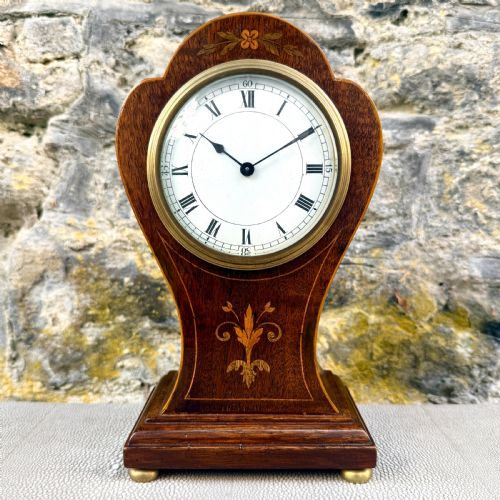
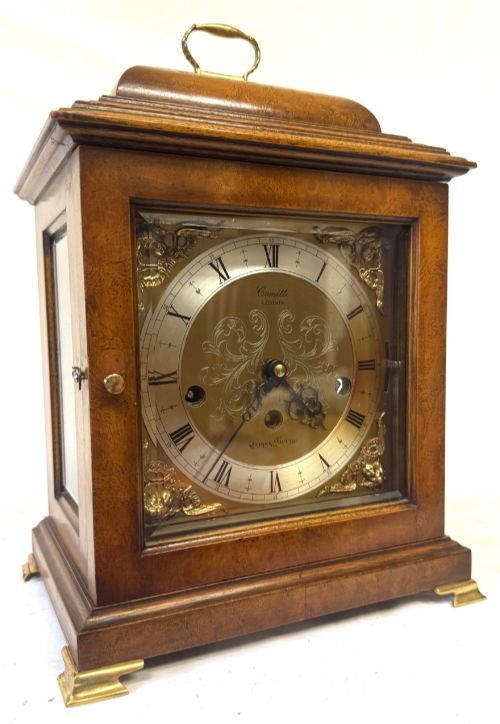
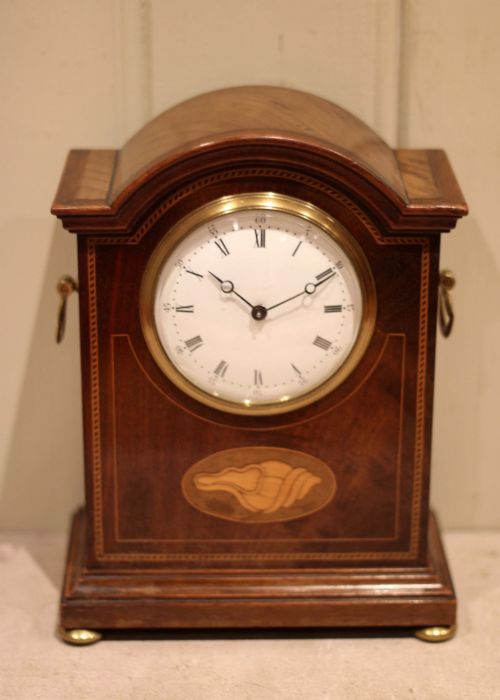
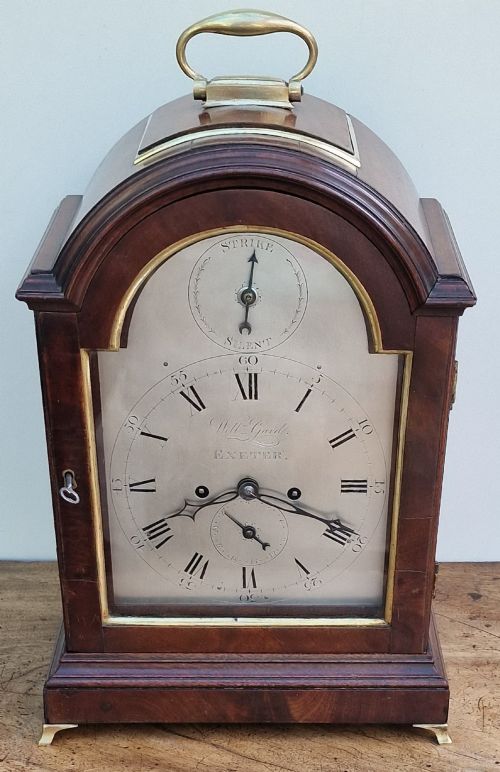
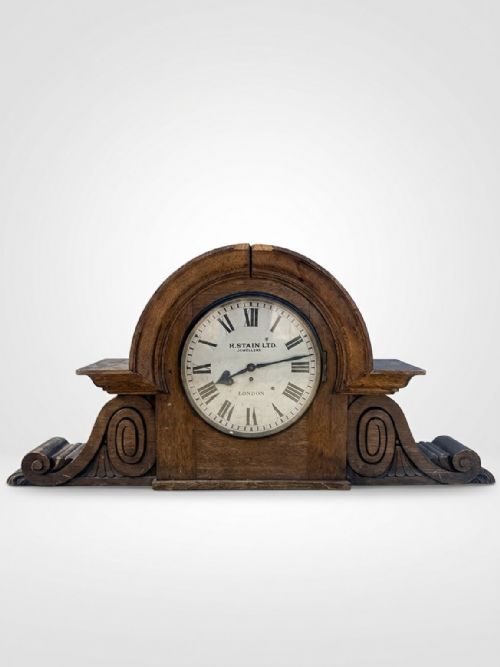
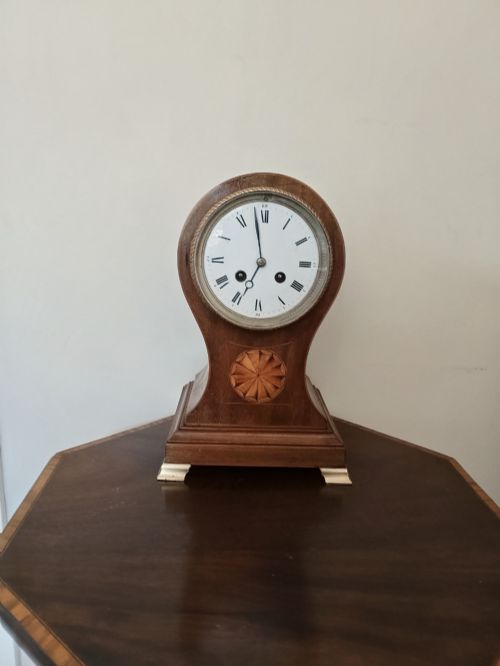
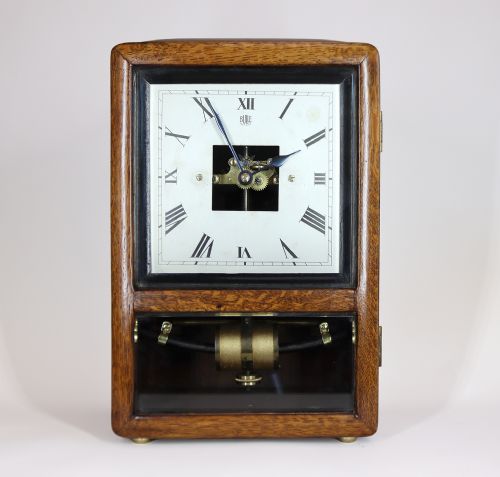
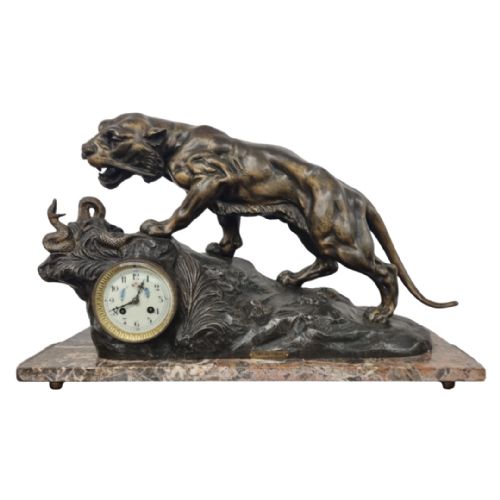
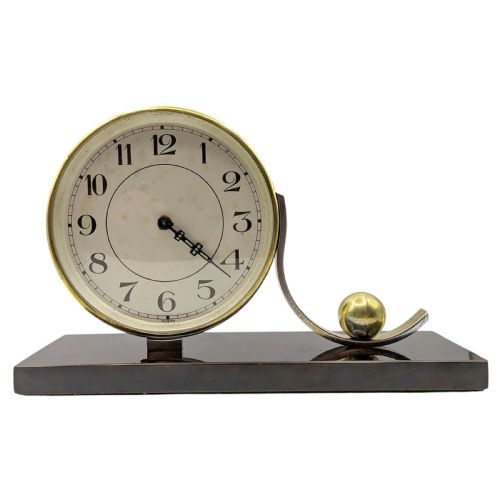
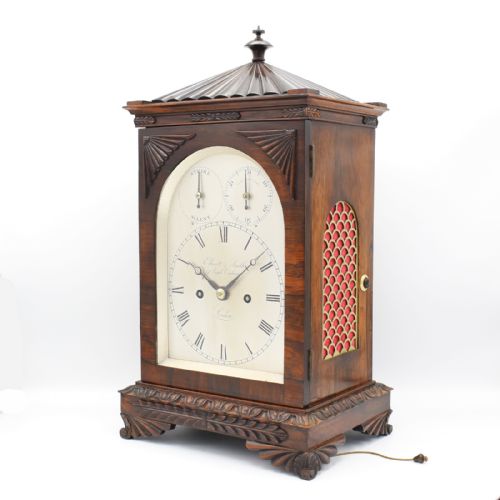
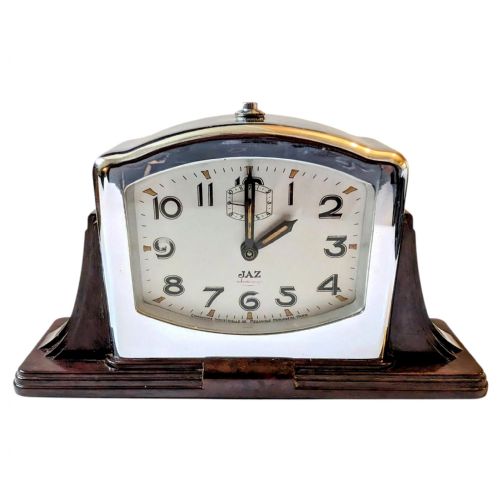
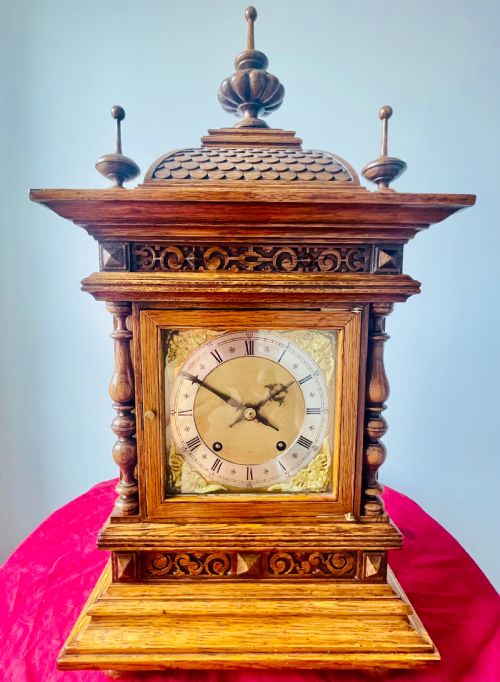
A brown table clock sits primarily on mantels, desks, and brackets, serving both as an architectural ornament and a timepiece. When exploring a brown table clock, expect to encounter wood-cased forms ranging from compact Edwardian mahogany timepieces to larger Victorian and Georgian bracket clocks.
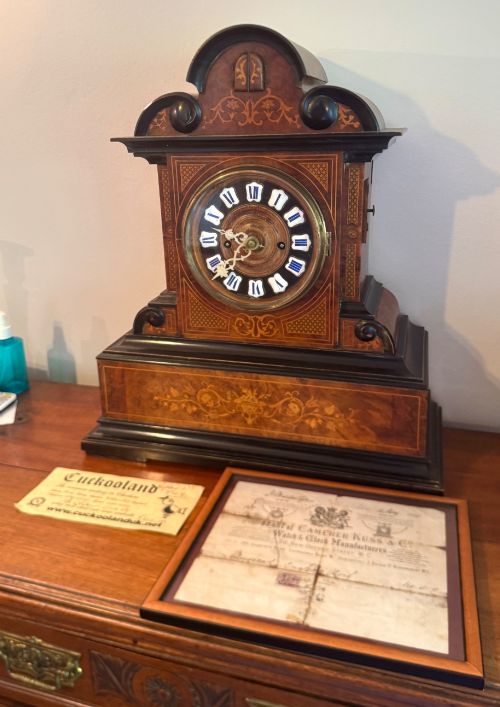
The selection draws heavily from the nineteenth and twentieth centuries, encompassing Edwardian inlaid mahogany models alongside Art Deco walnut designs. Regional variations appear too, including French balloon cases and pieces bearing the signatures of London and provincial makers.
Materials and construction
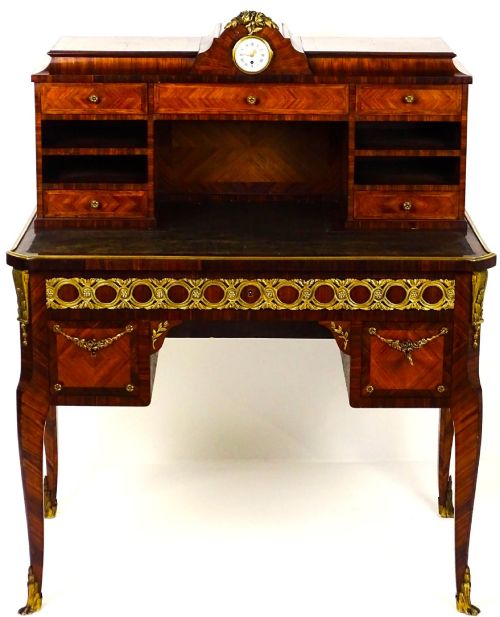
Cabinet makers utilised dense timbers such as mahogany, walnut, and oak, frequently enhancing plain surfaces with intricate marquetry, stringing, or contrasting veneers like kingwood and ebony. Metal components including brass dials, ormolu mounts, and chrome accents provide structural contrast and functional detail.
Movements span simple timepieces to complex mechanisms featuring striking trains, fusee drives, and specialised escapements housed securely within the timber housings.
An unexpected military presence arrives via the Royal Air Force officers' mess clocks, bringing a disciplined utility to the wooden table clock selection.
Assessing quality
The distinction between ordinary and exceptional examples rests in the precision of the cabinet work and the sophistication of the internal movement. Superior pieces exhibit crisp marquetry, harmonious proportions, and robust mechanical engineering by recognised horologists.
Lesser items rely on mass-produced veneer work and standard movements without specialised striking capabilities or fine dial engraving.
H.A.C.·Comitti Of London·Paul Sormani·William Gard·R Varnier·Mappin & Webb·Jaz·Haller·Thomas Jackson·Bush of London·L. Vick·Webster Cornhill London·Thomas Moss·Turner of London·S Simpson·William Comyns
The Brown Table Clock Glossary
- Bracket clock
- A portable clock designed to sit on a bracket or table, typically featuring a handle on top for moving between rooms.
- Fusee
- A conical pulley used in spring-driven clocks to maintain even power delivery as the mainspring unwinds.
- Timepiece
- A clock that tells the time without any striking or chiming mechanism.
- Mantel clock
- A clock designed specifically to stand on the shelf above a fireplace.
- Marquetry
- Decorative inlay work using various woods to create pictorial or geometric patterns on the clock case.
Brown Table Clock: Frequently Asked Questions
Where should I place a brown table clock?
These clocks suit flat surfaces in living spaces, studies, or hallways where their timber cases complement surrounding furniture.
Ensure the location protects the mechanism from direct sunlight, excessive moisture, and heavy vibrations that might disturb the pendulum or balance wheel.
What is the difference between a timepiece and a striking clock?
A timepiece simply indicates the hours and minutes without producing audible alerts.
Striking clocks incorporate additional gear trains to sound the hours or quarters using bells, gongs, or chimes.
How do I identify the period of a wooden clock case?
Examine the timber choice, decorative motifs, and overall silhouette against known stylistic eras such as Georgian, Victorian, or Art Deco.
Inlay techniques and dial signatures often provide definitive clues to the decade of manufacture.