


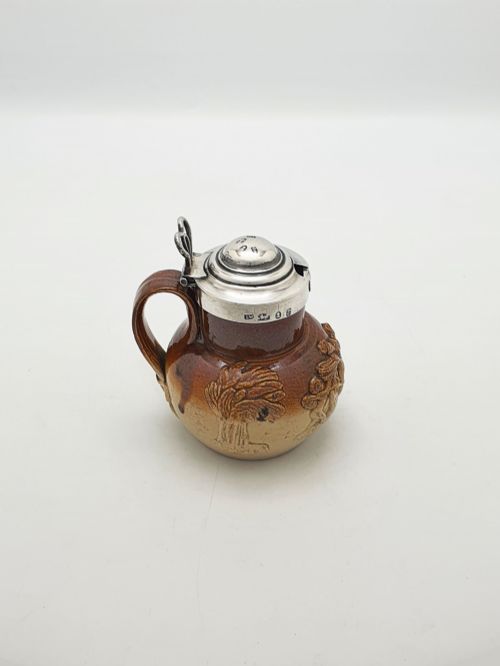


Brown Stoneware Pot
These brown stoneware pot selections are utilitarian vessels and decorative planters prized for their robust materiality and enduring historic charm.
Brown Stoneware Pot
When searching for a brown stoneware pot, buyers encounter a diverse selection of practical domestic vessels and garden containers spanning several centuries. The range encompasses utilitarian kitchen storage jars, inkwells, apothecary jars, and robust cooking dishes alongside ornamental jardinieres and planters.
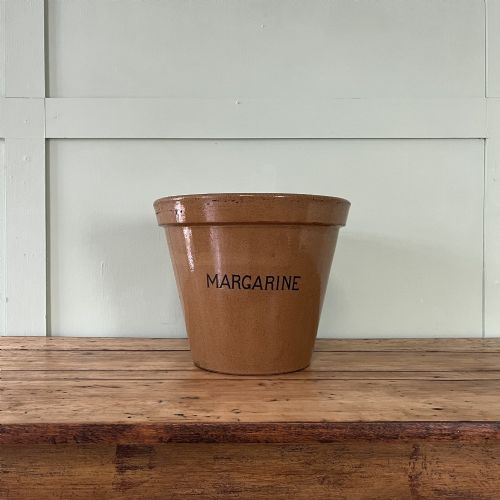
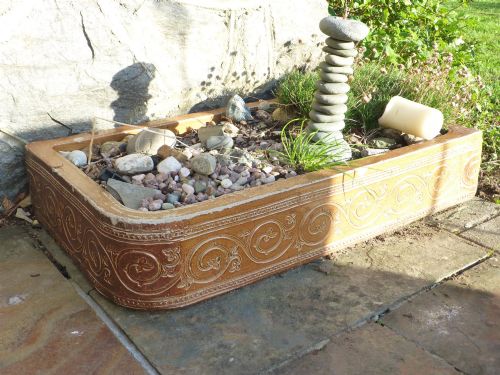
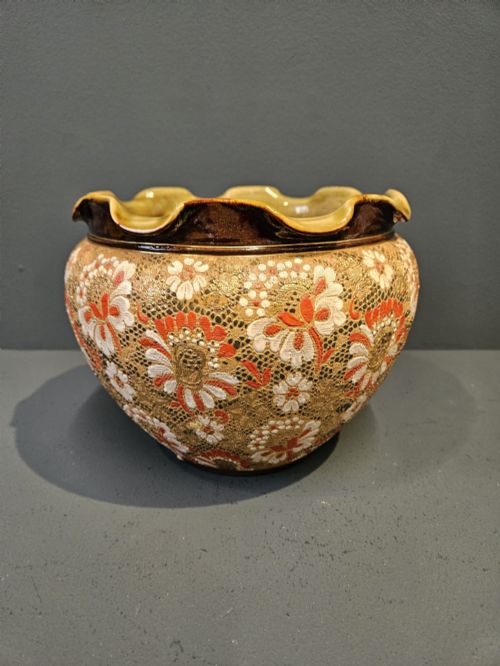
The pieces present on this page originate from periods such as the Georgian era, the nineteenth century, and early twentieth century manifestations including Victorian and Edwardian examples. Forms vary from simple salt-glazed troughs and margarine bowls to elaborate French window planters and decorated jardinieres.
Makers and origins include traditional British potteries alongside French workshops, reflecting both domestic utility and decorative garden design. Buyers are most likely to meet utilitarian storage crocks, garden troughs, and decorative jardinieres shaped from dense, vitrified clay.
Materials and production
The construction relies primarily on dense stoneware and earthenware clays that undergo high-temperature firing to achieve vitrification. This intense heat renders the body impermeable to liquids, making the material naturally suited for food storage, apothecary contents, and damp garden environments.
Many surfaces display salt glazing, a traditional technique where salt is introduced into the kiln during firing to produce a distinctive textured finish. Additional decorative and protective treatments include applied coloured glazes and terracotta elements, alongside functional additions like sterling silver collars.
Brown Stoneware Pot Retail Price Guide 2026
Typical asking prices for brown stoneware pot among the pieces listed under this phrase on Sellingantiques today, from the lower quarter to the upper quarter. They describe what is for sale here now, not the wider market.
A pottery once turned humble brown clay into a remarkably convincing rugby ball inkwell.
Assessing quality
Quality in these pieces is dictated by the crispness of form, the consistency of the glaze, and the sophistication of any decorative modelling. Items produced by established potteries often display superior control over the clay body and more refined proportions.
Doulton Lambeth·Doulton Burslem·Royal Doulton·Guichard Carriès
The Brown Stoneware Pot Glossary
- Salt-Glazed Stoneware
- A ceramic ware finished with a glossy, slightly textured surface produced by throwing common salt into the kiln during the high-temperature firing process. This method creates an impervious orange-peel texture unique to historic utilitarian pottery.
- Jardiniere
- An ornamental ceramic pot designed to hold a live plant or flower arrangement, often displayed on pedestals or tabletops in interior spaces. These vessels frequently feature elaborate surface decoration or moulded relief patterns.
- Apothecary Jar
- A vessel historically utilised by chemists and pharmacists for storing medicinal substances, herbs, and dried goods. They are typically marked by straightforward, cylindrical forms suited to pharmacy shelves.
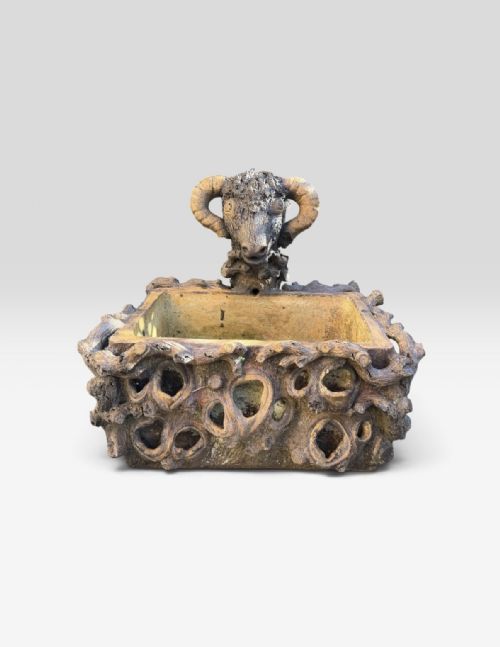
- Faux Bois
- A decorative technique mimicking the appearance of natural wood grain, often applied to garden planters and troughs made from stoneware or concrete. This style gained particular popularity during the nineteenth century for rustic garden ornaments.
Brown Stoneware Pot: Frequently Asked Questions
What were brown stoneware pots used for historically?
These vessels served a multitude of domestic, commercial, and horticultural purposes ranging from food and dry goods storage to holding liquids like walnut oil and soup.
Larger forms functioned as garden planters, jardinieres, and log bins, while smaller variations acted as inkwells, mustard pots, and apothecary containers.
How do I care for an antique stoneware pot?
Cleaning requires only gentle washing with warm water and a soft cloth to preserve the historic glaze and surface patina.
When utilised for plants indoors, use a protective liner to prevent moisture from interacting with porous unglazed areas on the base.
Can these garden planters stay outside in winter?
Stoneware is naturally dense and fired at high temperatures, offering good resistance to frost and weathering in typical garden conditions.
However, severe freezing temperatures can affect damp vessels, so storing delicate troughs and jardinieres under cover during winter months remains prudent.
How can I tell a Georgian pot from a Victorian one?
Georgian pieces often display simpler, utilitarian forms with heavier salt-glazed finishes and sparse ornamentation geared strictly toward domestic utility.
Victorian and later examples frequently introduce more decorative flourishes, artistic branding, and refined moulding associated with specialised potteries and studio workshops.