

Brown Seascape
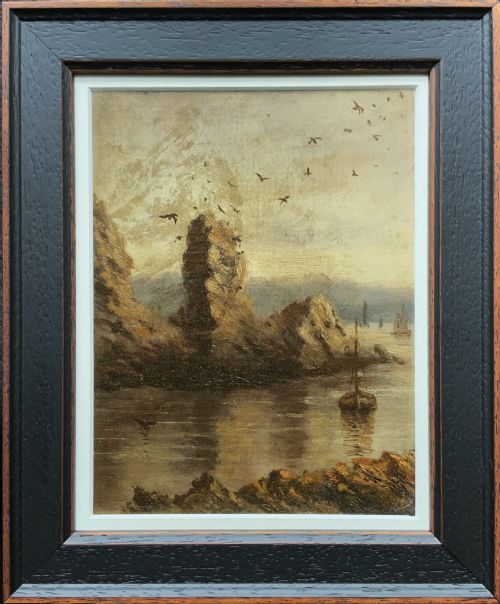
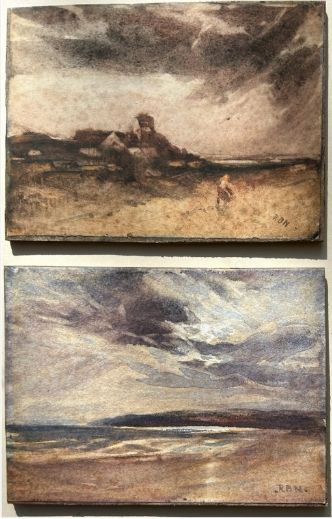
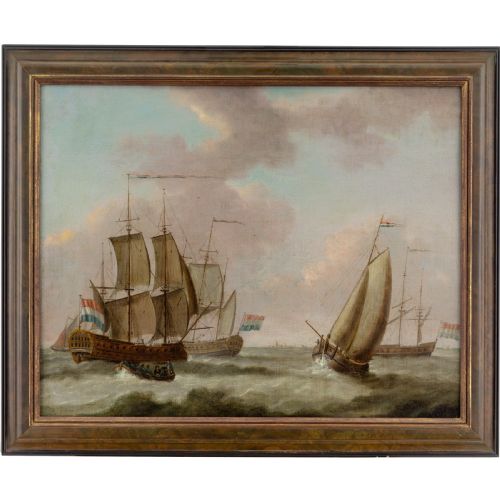
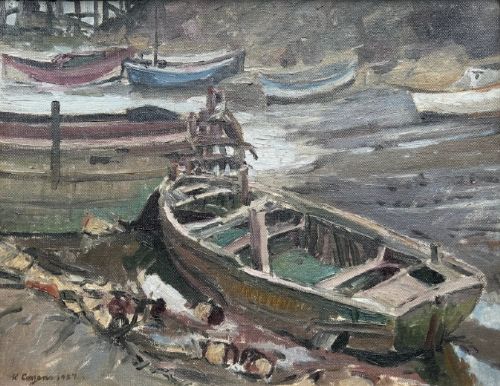
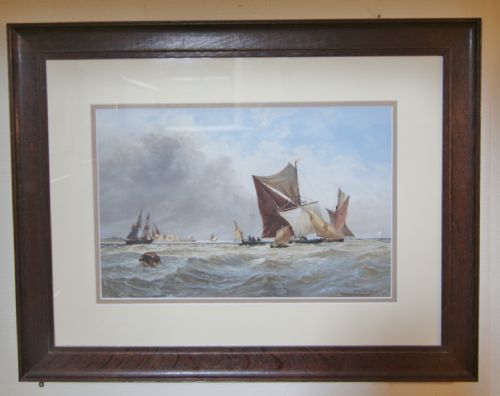
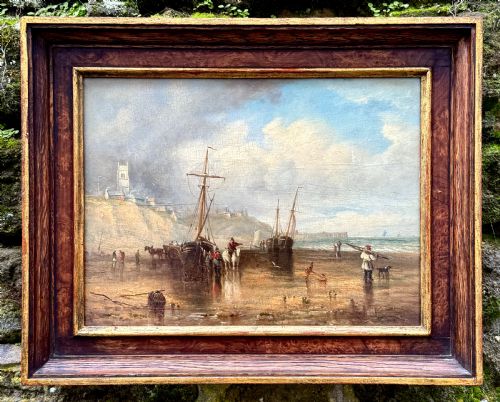
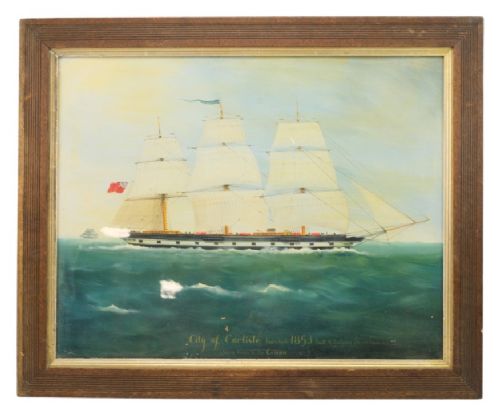
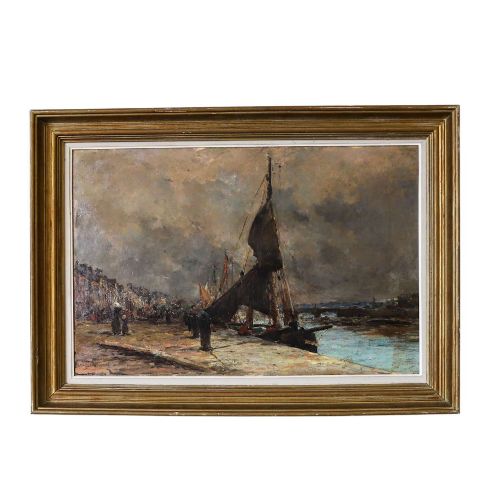
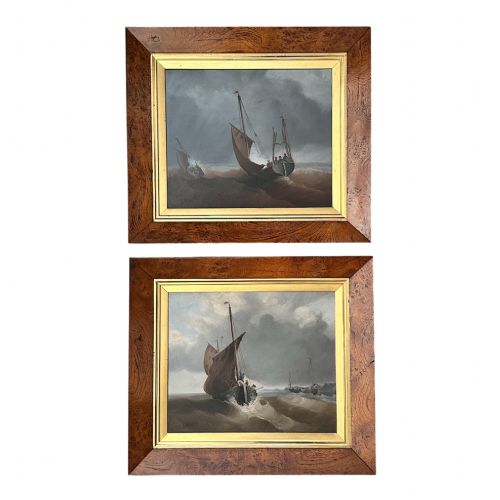
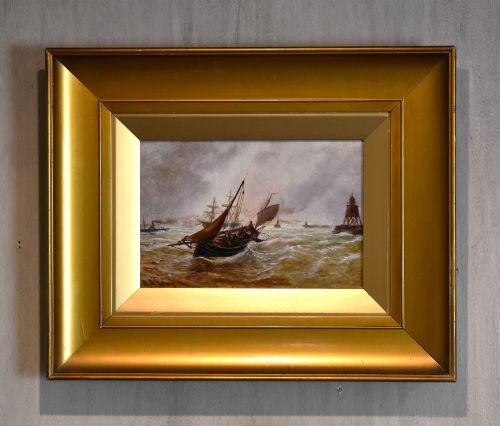
A brown seascape captures the maritime world through muted earth tones, depicting historic vessels and dramatic coastal shores.
Brown Seascape
When searching for a brown seascape, collectors encounter works executed across multiple periods, predominantly originating from the eighteenth, nineteenth, and early twentieth centuries. These pieces encompass oil paintings on canvas and board alongside delicate watercolour paintings housed in period frames.
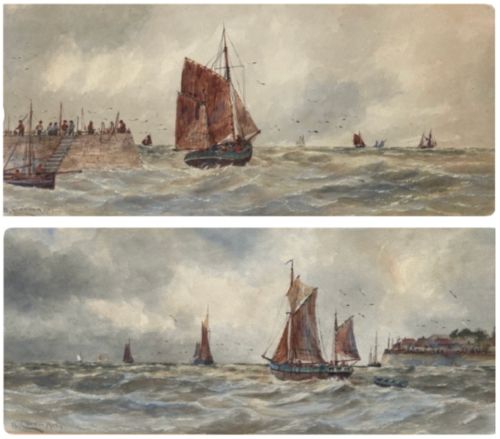
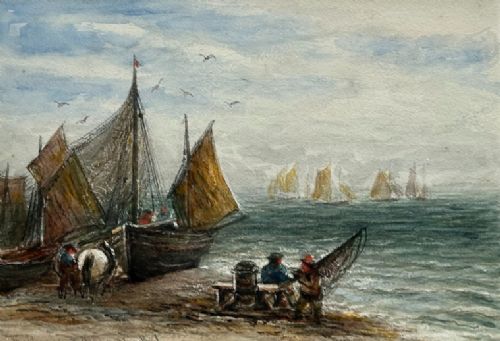
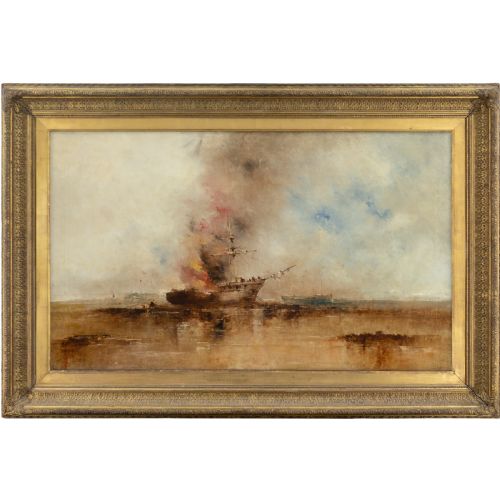
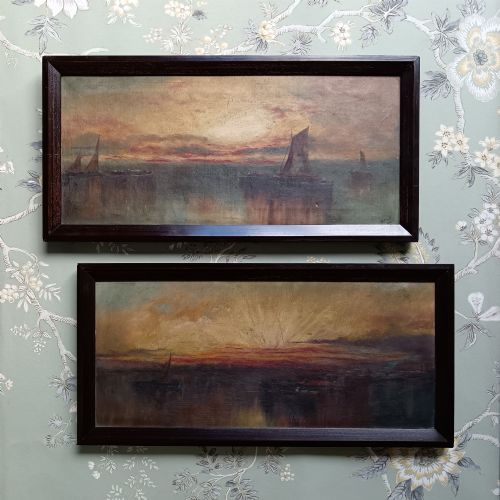
The most common items on this page are nineteenth-century marine oil paintings and coastal watercolours depicting British and Dutch shipping, harbour scenes, and fishing vessels. Artists recorded domestic ports, stormy waters, and quiet estuaries using natural earth palettes dominated by umber, ochre, and sepia tones.
Subjects range from bustling commercial harbours like the River Tyne and Medway Estuary to solitary ships navigating rolling seas. Buyers find both intimate sketches and large framed artworks suitable for traditional interiors.
Materials and technique
Makers utilised traditional oil paint on stretched canvas or wooden panel, layering pigments to achieve deep maritime tones and translucent water effects. Watercolours were applied to heavy paper, often capturing light through thin washes alongside opaque bodycolour highlights.
Works are frequently presented within original or period-appropriate gilt frames that complement the subdued palette of the paintings. The integration of paper, wood, glass, and gilt represents the standard framing conventions of the Victorian and Edwardian eras.
Brown Seascape Retail Price Guide 2026
Typical asking prices for brown seascape among the pieces listed under this phrase on Sellingantiques today, from the lower quarter to the upper quarter. They describe what is for sale here now, not the wider market.
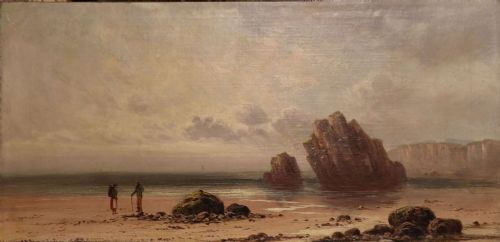
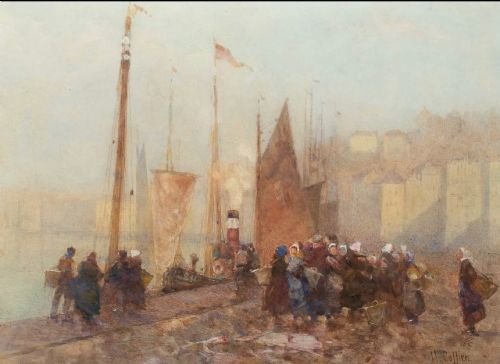
Several artists captured the gritty reality of coastal life by painting seaweed gatherers labouring on wet shores under heavy maritime skies.
Factors determining quality
The distinction between average and exceptional works lies in the handling of atmospheric light, fluid brushwork, and the accurate depiction of maritime architecture and rigging. Superior examples demonstrate a confident command of perspective, capturing the weight of rolling waves and the motion of wind-driven vessels.
Provenance and documentation also separate standard decorative pictures from collector pieces. Works bearing clear signatures from recognised Victorian or Dutch marine artists, or retaining historical exhibition labels, hold greater artistic and historical significance.
Robert Buchan Nisbet·Kenneth Cozens·James Orrock·William Cannon·William McAlpine·Thomas Creswick·TB Hardy·John Moore of Ipswich·Bernard Benedict Hemy·John Moxon·Richard Harry Carter·Gyrth Russell·Thomas Bush Hardy·Sir Thomas Newenham Dean·Edward Henry Eugene Fletcher·T.S. Wallis·Gustave De Bréanski·Owen Bowen·George Henry Knight·George Stanfield Walters·John Callow·Julian Drummond
The Brown Seascape Glossary
- Watercolour
- A painting method where fine pigment is suspended in water-based solution, applied to paper to create translucent washes of colour.
- Oil on Canvas
- A technique utilising pigments bound in drying oil applied to a woven fabric support stretched across a wooden frame.
- Gilt Frame
- A wooden picture surround coated with a thin layer of gold leaf or metallic gilt, typical of nineteenth-century presentation standards.
- Marine Art
- Artistic representation of ships, maritime scenes, coastal views, and naval engagements.
- Estuary
- The tidal mouth of a large river where the tide meets the current, frequently featured as a subject in coastal paintings.
Brown Seascape: Frequently Asked Questions
What is a brown seascape?
A brown seascape is an antique painting or watercolour focusing on maritime subjects rendered predominantly in warm earth tones, browns, and ambers.
These works typically date from the eighteenth to the early twentieth century and depict ships, harbours, and coastal weather.
How do I care for antique watercolours?
Antique watercolours require protection from direct sunlight to prevent the paper from yellowing and the pigments from fading over time.
Display them in rooms with stable humidity and ensure they are glazed with UV-filtering glass where possible.
How do I identify a Victorian oil painting?
Victorian oil paintings often feature specific material markers such as nineteenth-century canvas stamps, hand-wedged wooden stretchers, and traditional lead-based pigment compositions.
Stylistic conventions of the period also include dramatic realism, romanticized maritime shipping, and characteristic nineteenth-century artist signatures.
Where should I hang a marine painting?
Marine paintings suit traditional living spaces, libraries, or studies where their rich earth tones harmonize with classic interior woodwork and heritage wall colours.
Keep them away from direct heat sources such as fireplaces to protect the wooden stretchers and paint layers.