





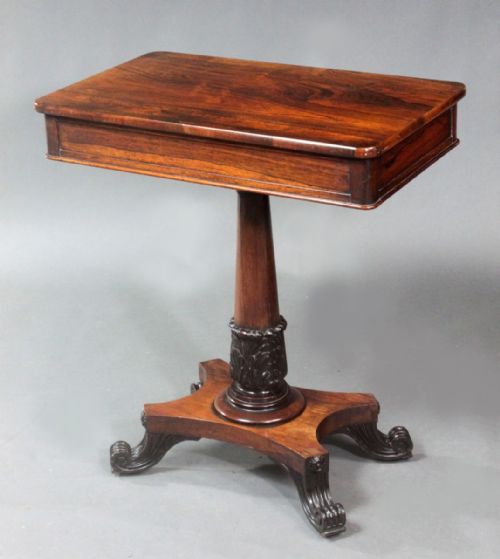
Brown Rosewood Games Table
A brown rosewood games table brings rich grain and clever folding surfaces into a room, serving as a dual-purpose piece for cards and tea.
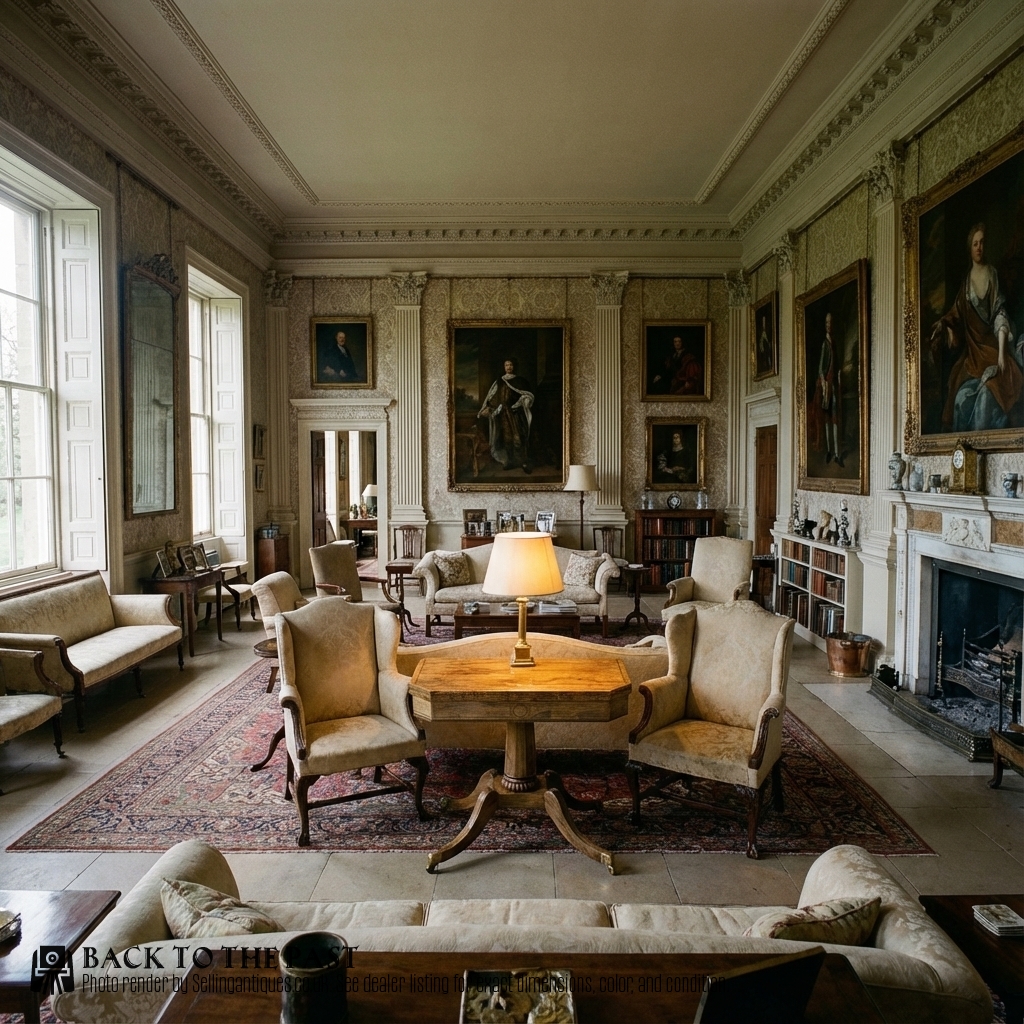
Brown Rosewood Games Table
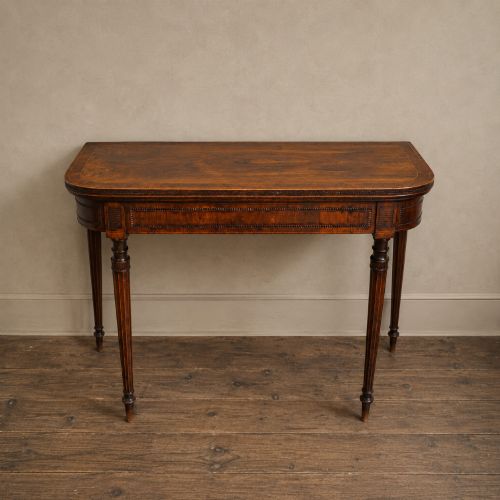
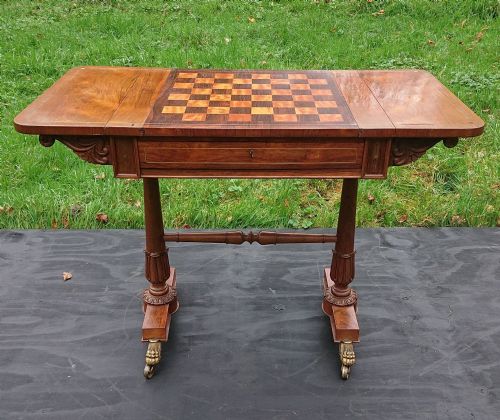
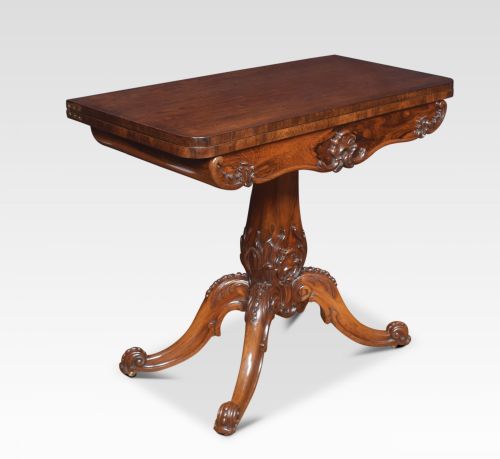
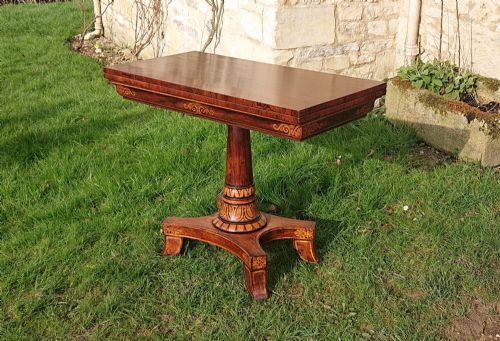
A brown rosewood games table combines dense, deeply figured timber with folding or swivel tops designed for social evenings. These versatile items appear across Regency, William IV, and Victorian periods, often taking the form of card tables or multi-use gaming surfaces.
Most examples met on this page date from the nineteenth century, ranging from crisp Regency designs with brass inlay to serpentine Victorian models. They shift easily from a compact console against a wall to a wide playing surface lined with baize.
Alongside standard card tables, the selection includes specialised chess tables with specimen marble or removable boards, and occasional pieces linked to prominent cabinet-makers. The brown rosewood used provides a dark, lustrous backdrop to varied crossbanding in lighter woods.
How they were made
Cabinet-makers relied on solid timbers and fine veneers of rosewood, laying choice cuts over secondary woods like mahogany or pine. This technique allowed workshops to display striking grain patterns across broad table tops while keeping the structural carcass stable.
Decoration relied on precision inlay, brass stringing, and contrasting crossbanding in boxwood, satinwood, or burr yew. Ormolu mounts and turned pedestals completed the construction, uniting structural joinery with refined decorative surfaces.
Some tables hide compartments beneath their rotating tops, designed long ago to store elusive ivory counters and stray playing cards.
What varies in quality
The standard of a brown rosewood games table rests on the depth of the timber's grain and the crispness of its secondary veneers. Superior pieces display seamless crossbanding and precise brass inlay that remains flush with the surrounding wood.
Mechanism integrity dictates daily utility, separating robust folding hinges and smooth swivel pivots from loose or binding joints. The sophistication of the base, whether a carved pillar, sabre legs, or a quadruple pedestal, marks the distinction between standard production and top-tier workshop output.
Maple & Co.·William Trotter·Gillows·George Bullock
The Brown Rosewood Games Table Glossary
- Crossbanding
- A narrow band of veneer applied to the border of a table top, run at right angles to the main grain to create a framed effect. This technique highlights the skill of the cabinet-maker and adds visual contrast.
- Swivel top
- A table top design where the upper leaf pivots on the undercarriage to reveal a concealed compartment for cards and counters. It locks securely into position when closed.
- Baize
- A coarse woollen fabric traditionally used to line the playing surface of card tables. It provides a soft, tactile mat that prevents counters from slipping during play.
- Ormolu
- Gilded bronze used for decorative mounts, escutcheons, and feet on finer nineteenth-century furniture. It brings a bright metallic accent to the dark rosewood body.
Brown Rosewood Games Table: Frequently Asked Questions
What is a brown rosewood games table used for?
These tables served as dual-purpose furniture for nineteenth-century parlours, functioning as slim console or tea tables by day and opening up for card games or chess in the evening.
The clever folding and pivoting mechanisms allowed households to save space while keeping gaming equipment readily accessible for social gatherings.
How do I tell a Regency games table from a Victorian one?
Regency examples often feature cleaner classical lines, brass stringing, and sabre legs, reflecting the early nineteenth-century taste for neoclassical design.
Victorian pieces tend to be heavier, sometimes incorporating serpentine fronts, bolder carving, and richer inlaid details that lean towards ornate revival styles.
Can I use a folding card table every day?
Yes, many of these pieces are structurally robust and built to withstand regular opening and closing, provided the hinge mechanisms are treated with care.
Place them away from direct heat sources and strong sunlight to protect the rosewood veneer and the internal wooden carcass from warping.
What woods are used alongside rosewood?
Makers frequently paired rosewood with contrasting timbers like mahogany, satinwood, boxwood, and burr yew for crossbanding and stringing details.
Secondary woods such as pine or oak were often utilised for internal drawer linings and hidden framing structures beneath the veneers.