

Brown Reading Chair
A brown reading chair offers a supportive seat for long hours with a book, combining sturdy timber frames with comfortable upholstery.
Brown Reading Chair
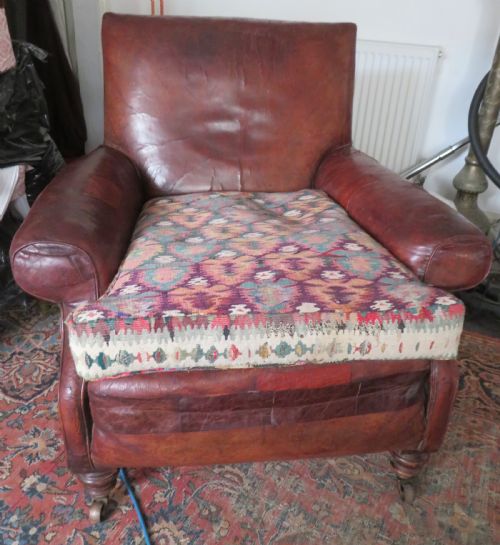
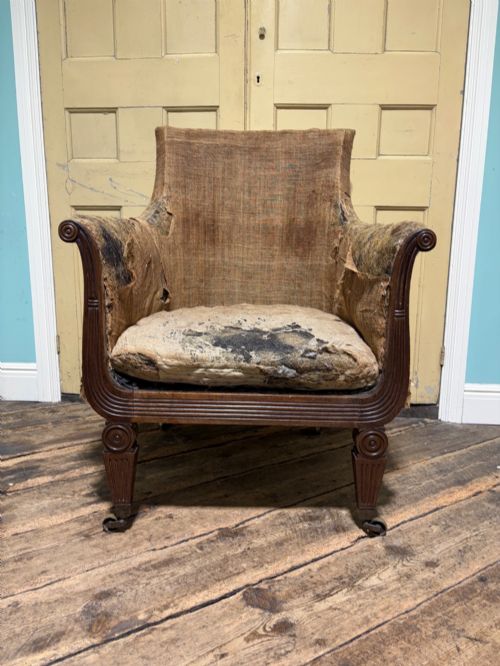
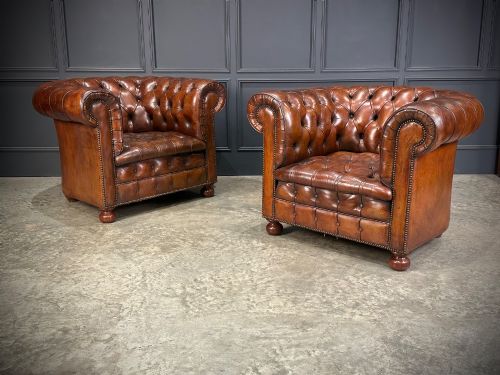
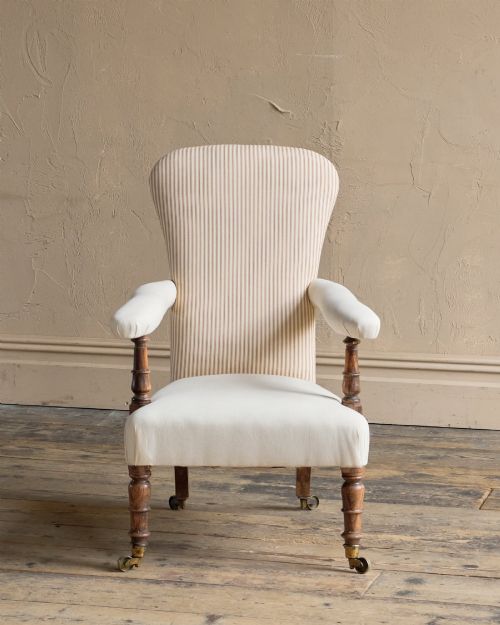
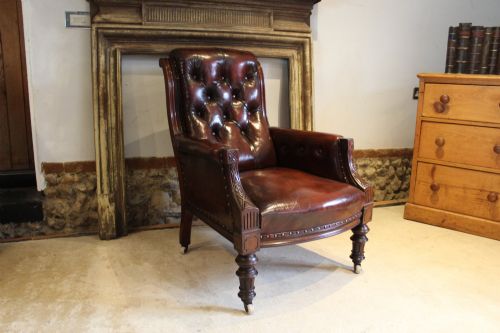
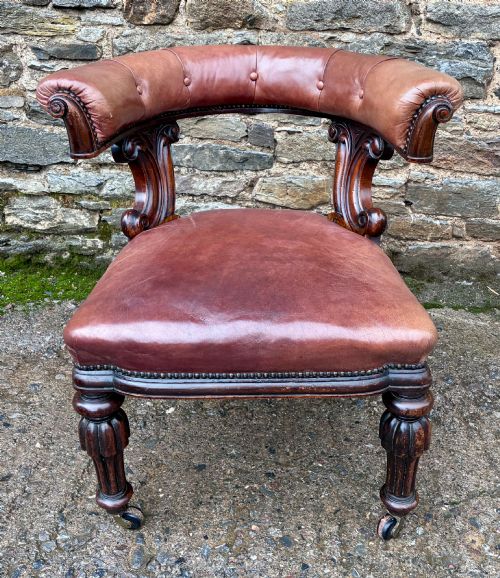
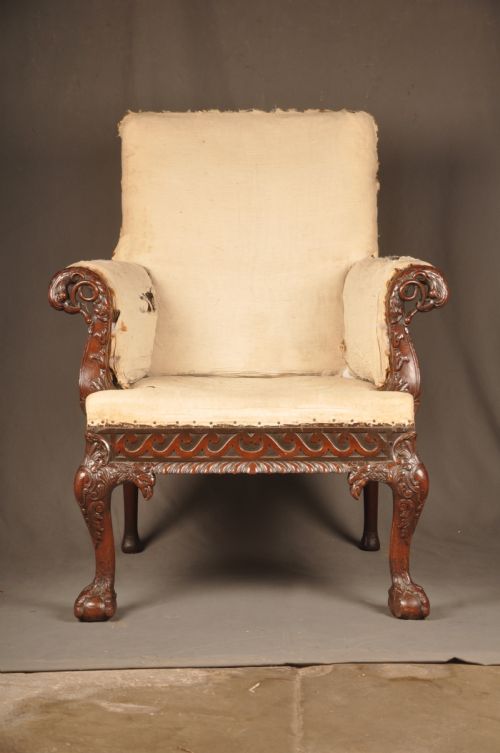
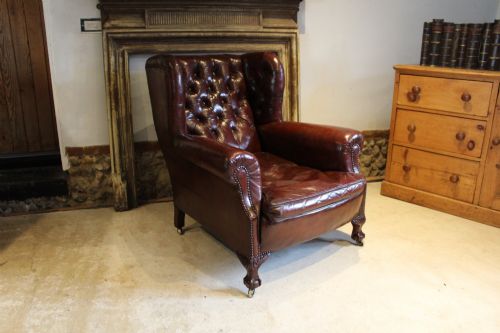
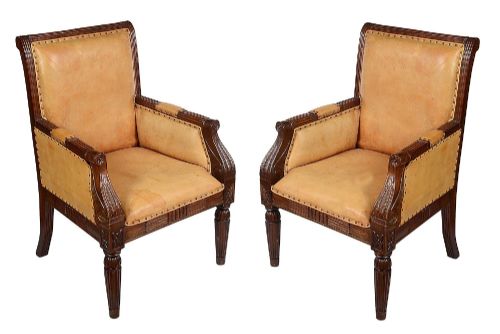
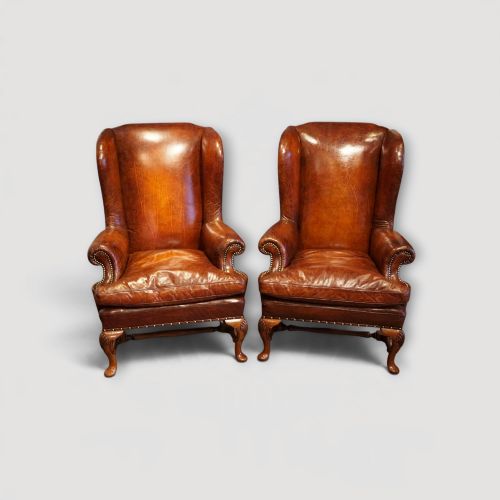
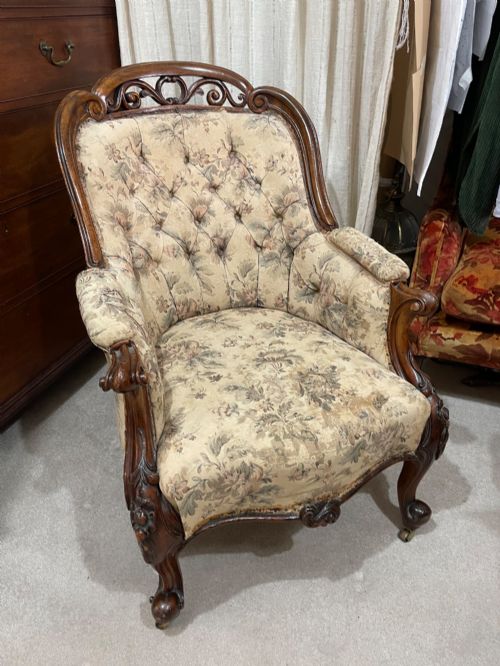
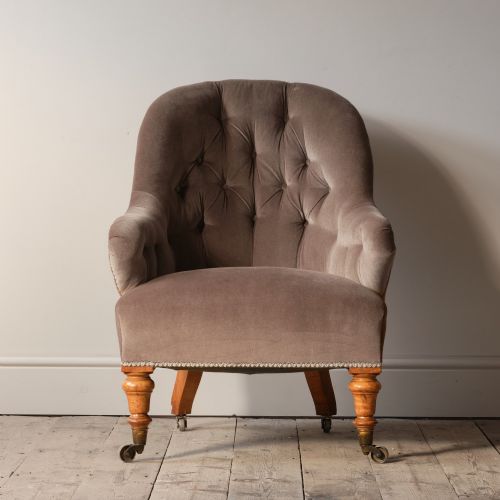
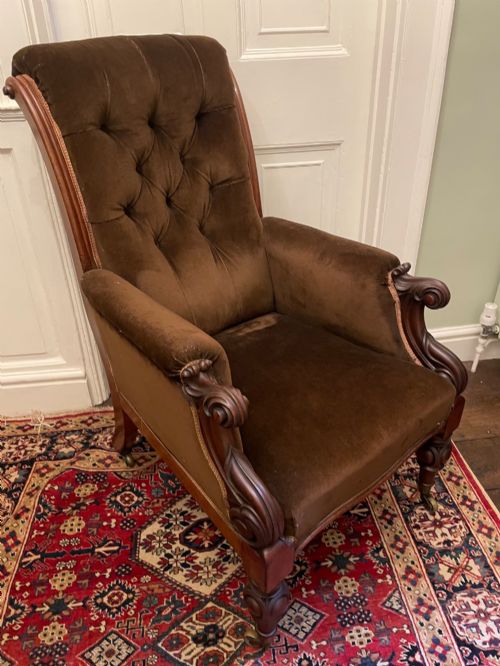
A brown reading chair is typically encountered here as a library armchair, club chair, or tub chair designed for private studies and drawing rooms. These seats span periods from the Georgian era through the Victorian and Edwardian decades into the Art Deco period. The versions most commonly met on this page feature robust mahogany or walnut frames paired with leather or fabric upholstery.
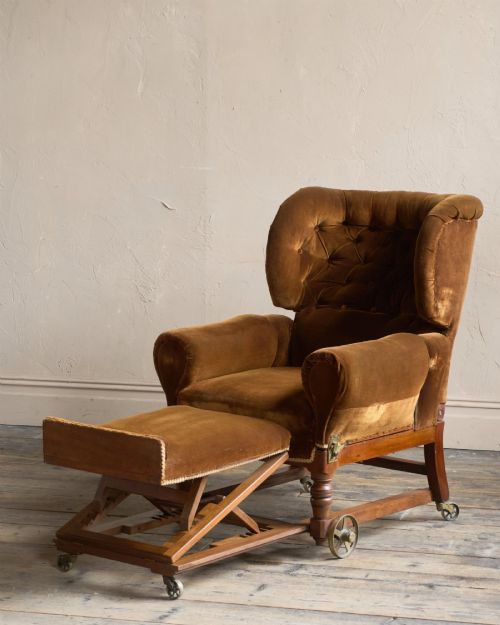
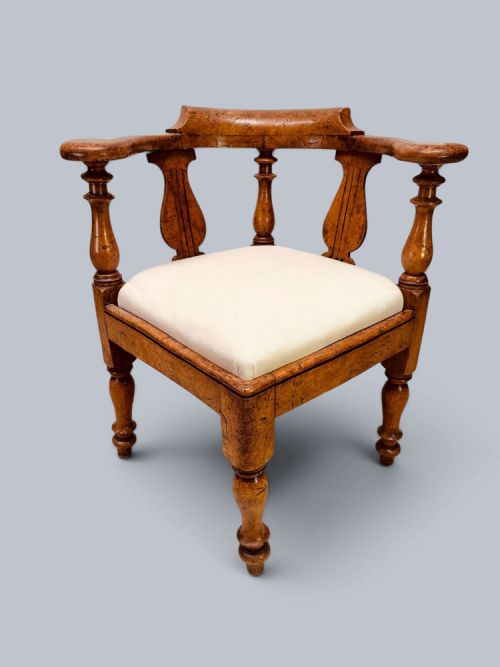
Makers and manufacturers constructed these armchairs in various configurations, including wingbacks, recliners, and open arm styles. Many examples incorporate traditional design traits such as button tufting, caning, and spindle backs. Buyers searching for a brown reading chair encounter sturdy proportions intended for daily domestic use.
How they were made
The structural framework relies heavily on dense hardwoods such as mahogany and walnut, frequently shaped with turned legs, reeded details, or carved elements. Woodworkers joined these components using traditional cabinet-making joints to ensure stability under regular seating loads.
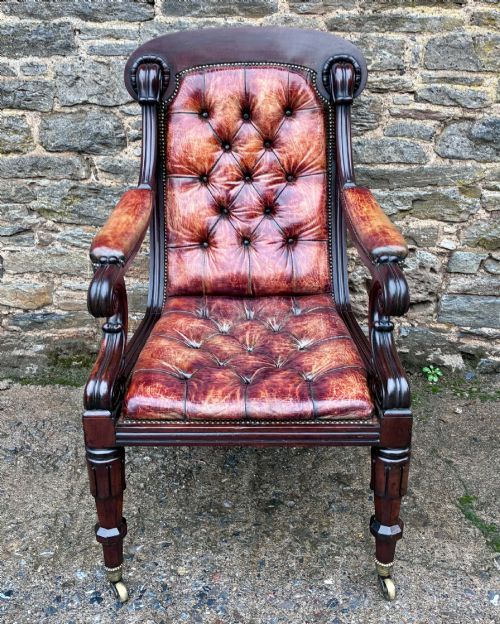
Upholstery methods combine supportive internal webbing with durable leather, velvet, or woven fabric coverings. Brass tacks and button upholstery frequently secure the materials to the timber frames, while cane panels appear on select tub and bergere models.
Brown Reading Chair Retail Price Guide 2026
Typical asking prices for brown reading chair among the pieces listed under this phrase on Sellingantiques today, from the lower quarter to the upper quarter. They describe what is for sale here now, not the wider market.
Some Victorian library chairs include subtle reclining mechanisms so readers could doze off after finishing their book.
What varies in quality
The distinction between standard examples and superior pieces rests upon the selection of timber and the precision of the joinery. Finer chairs display carefully chosen wood grains and detailed hand carving, such as blind fretwork on mahogany frames, rather than plain structural timber.
Upholstery execution also defines quality, visible in the even distribution of button tufting and the suppleness of the hand-dyed leather or fabric. Superior chairs retain their original structural rigidity and supportive padding without excessive sagging in the seat base.
The Brown Reading Chair Glossary
- Bergere
- An enclosed upholstered armchair with wooden framing and woven cane sides or back panels. This French-inspired form appeared frequently in nineteenth-century drawing rooms.
- Tub chair
- A comfortable armchair featuring a continuous curved back and armrest structure resembling the shape of a tub. These compact seats often stand on turned wooden legs.
- Wingback
- An armchair with high backrests and projecting side panels designed to shield the sitter from drafts. Leather examples are commonly associated with traditional libraries.
- Library armchair
- A sturdy seat designed for reading rooms, typically constructed from mahogany or walnut with leather upholstery. Many incorporate generous armrests and deep seating.
- Caning
- A woven pattern utilising split rattan cane to form light panels on chair backs and sides. This technique lightens the visual weight of heavy timber frames.
Brown Reading Chair: Frequently Asked Questions
What is a brown reading chair?
A brown reading chair is a comfortable upholstered armchair designed for studies and libraries, typically constructed from mahogany or walnut.
These seats include library armchairs, club chairs, and wingbacks upholstered in leather, fabric, or velvet.
How do I identify a Victorian reading chair?
Victorian examples often feature dark mahogany frames, button upholstery, and turned wooden legs.
They span the nineteenth century and typically display heavier proportions and deeper seats than earlier Georgian pieces.
Where should I place a library armchair?
These armchairs suit studies, living rooms, and bedroom reading corners alongside appropriate side tables and floor lamps.
Their robust timber frames and durable leather or fabric surfaces withstand daily domestic use.
What materials were used for these chairs?
The primary framework materials are mahogany and walnut, supplemented by brass details and cane panels.
Upholstery consists of leather, velvet, and woven fabric stretched over supportive internal padding.