






Brown Pottery Jar
These brown pottery jar examples bring honest, tactile weight to a room through centuries of utilitarian craft.
Brown Pottery Jar
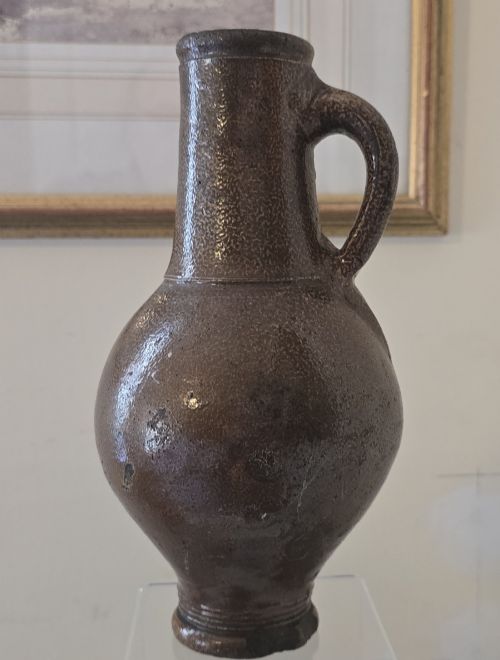
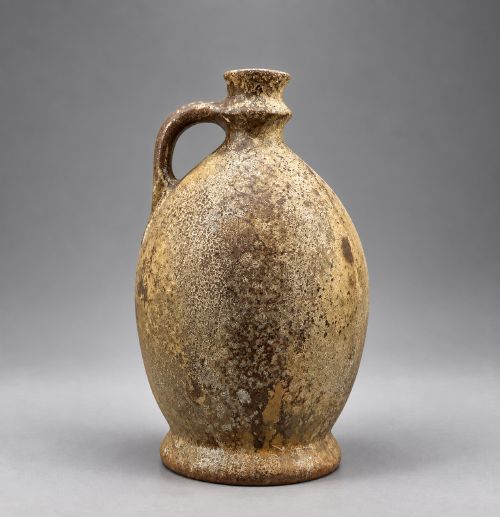
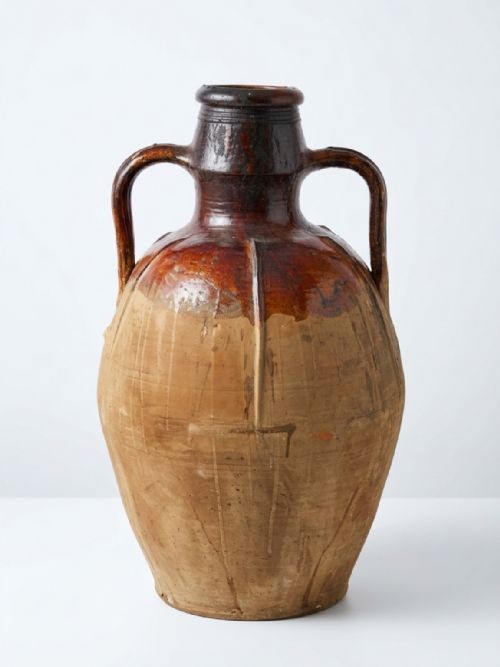
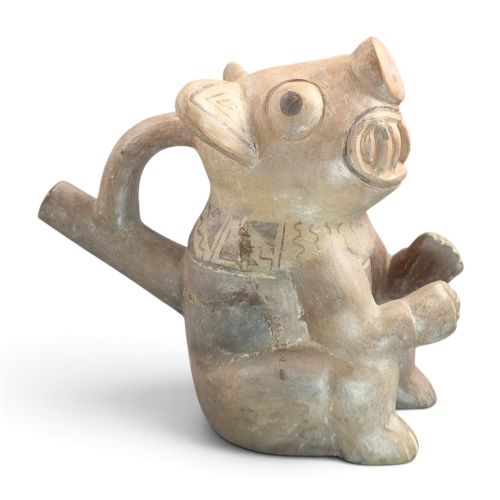
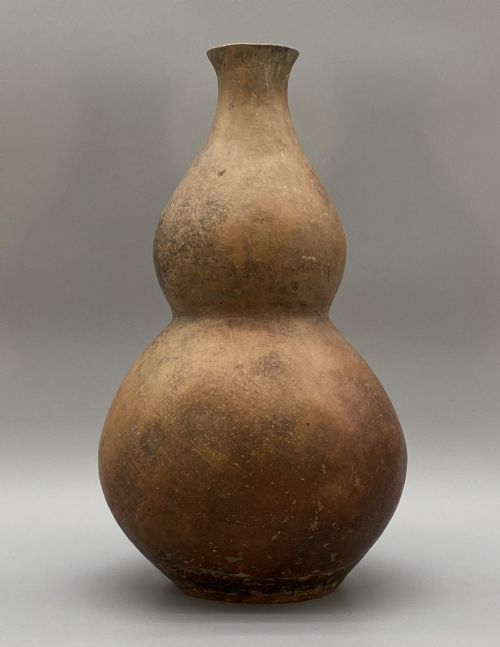
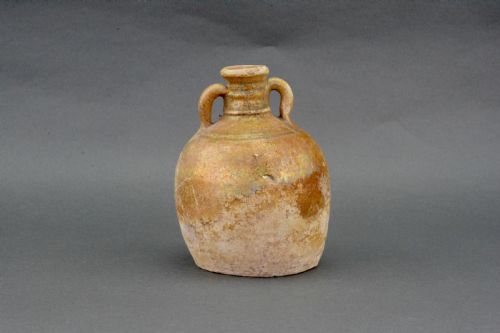
A brown pottery jar serves as a durable vessel for storing liquids or provisions, shaped by utilitarian needs across various historical eras. Buyers seeking a brown pottery jar encounter diverse forms, ranging from French country vinegar barrels and walnut oil jugs to large Italian terracotta wine vessels and salt-glazed flagons.
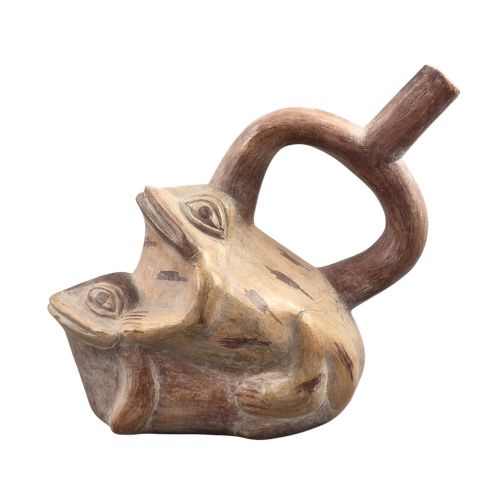
The pieces span a wide chronology, reaching from ancient pre-Columbian and Roman periods through the seventeenth, eighteenth, and nineteenth centuries. These utilitarian vessels emerge from domestic and regional traditions, functioning originally as practical containers before finding new life as decorative display items.
Materials and construction
Makers shaped these vessels from local clay, terracotta, earthenware, and stoneware, relying on manual turning and primitive forming techniques. The raw earth provides the foundational body, visible beneath varied surface treatments and mineral patinas accumulated through long use.
Many containers receive protective finishes such as salt glaze or smooth ceramic coatings to ensure impermeability for storing liquids like oil and wine. Firing in traditional kilns imparts the characteristic earthy brown tones, ranging from pale terracotta warmth to deep salt-glazed hues.
Brown Pottery Jar Retail Price Guide 2026
Typical asking prices for brown pottery jar among the pieces listed under this phrase on Sellingantiques today, from the lower quarter to the upper quarter. They describe what is for sale here now, not the wider market.
Listings feature items spanning from pre-Columbian and Roman antiquity through the nineteenth century, utilising terracotta, stoneware, and salt glaze.
Assessing quality and character
Quality rests in the integrity of the form, the depth of the natural patina, and the harmony between the vessel's utilitarian origins and its surviving condition. Superior examples display honest signs of age and handling, such as surface wear and mineral deposits, without compromising the structural silhouette.
The weight of the clay, the consistency of the glaze application, and the clarity of regional potting traits separate ordinary containers from exceptional specimens. A well-balanced profile and undisturbed surface history elevate a simple storage vessel into a compelling historical artefact.
John Dwight Fulham Pottery·C & A Painter
The Brown Pottery Jar Glossary
- Terracotta
- A porous, unglazed or slip-glazed fired earthenware of a brownish-red colour. It forms the body of many ancient and Mediterranean vessels.
- Salt Glaze
- A glossy, slightly textured finish achieved by throwing common salt into the kiln during high-temperature firing. This creates a characteristic orange-peel texture on stoneware bodies.
- Stoneware
- A dense, hard ceramic fired at high temperatures until vitrified. It remains completely impermeable to liquids even without a glaze.
- Amphora
- A two-handled ancient jar with a narrow neck used for storing and transporting oil or wine. Surviving examples often feature pointed bases designed to stand upright in sand.
Brown Pottery Jar: Frequently Asked Questions
What were these jars used for originally?
These vessels served practical domestic and commercial functions, primarily storing liquids such as wine, vinegar, walnut oil, and turtle soup. Households and merchants relied on their sturdy walls to protect contents from spoilage.
Over time, many of these utilitarian containers transitioned from active pantries into decorative rustic accents, valued for their historical resonance and organic forms.
How do I care for an antique jar?
Keep these pieces in stable indoor environments away from excessive moisture and direct, harsh sunlight to protect the fragile clay and historic glaze surfaces. Dust gently with a dry, soft cloth.
Avoid using harsh chemical cleaners or submerging porous terracotta and earthenware in water, as this can damage the historic patina and weaken the ancient body.
How can I tell the age of a jar?
Dating relies on examining the clay body, potting technique, glaze characteristics, and any regional stylistic markers consistent with known historical periods. Subtle tool marks and firing imperfections often point to older manufacture.
Comparing the vessel's form and material against documented examples from specific eras helps narrow down the century of production.
Are these jars waterproof?
Stoneware and salt-glazed vessels generally hold liquids well due to their vitrified, non-porous bodies and protective surface treatments. They remain functional for holding fresh cut flowers.
Porous terracotta and older earthenware items may seep moisture over time, so placing a discreet glass liner inside protects surfaces when displaying them with water.