



Brown Pine Cabinet
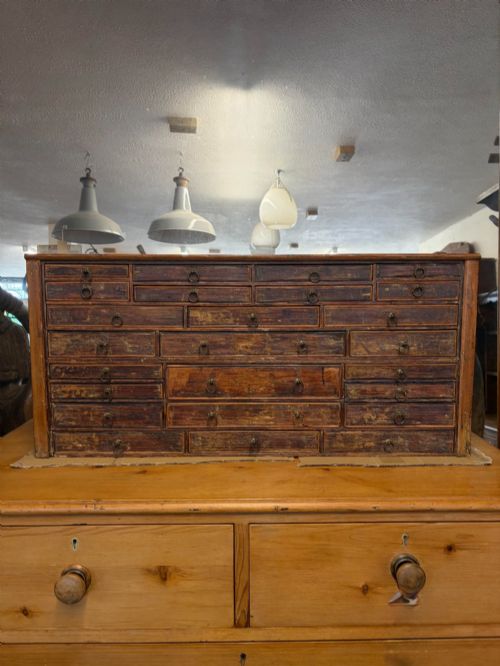
A brown pine cabinet offers sturdy rural utility, bringing warm timber tones and practical storage to modern interiors.
Brown Pine Cabinet
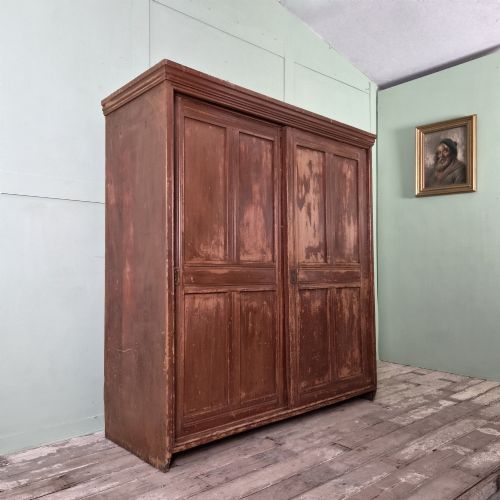
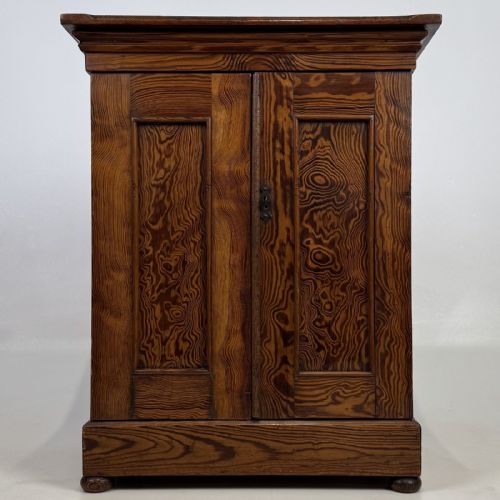
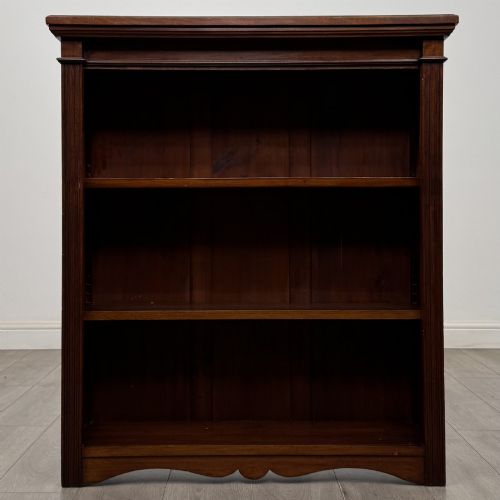
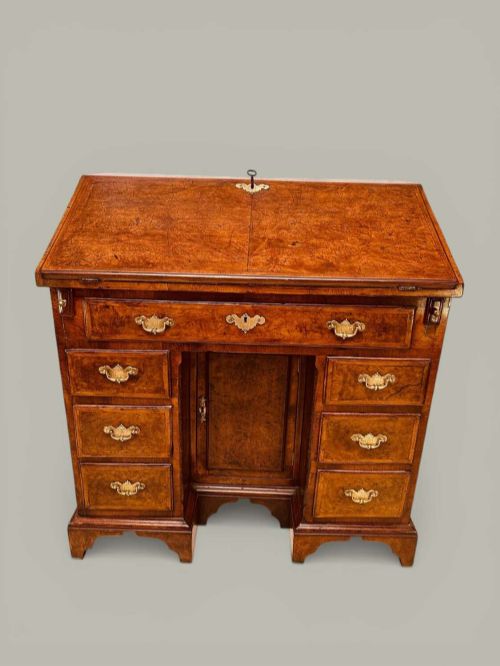
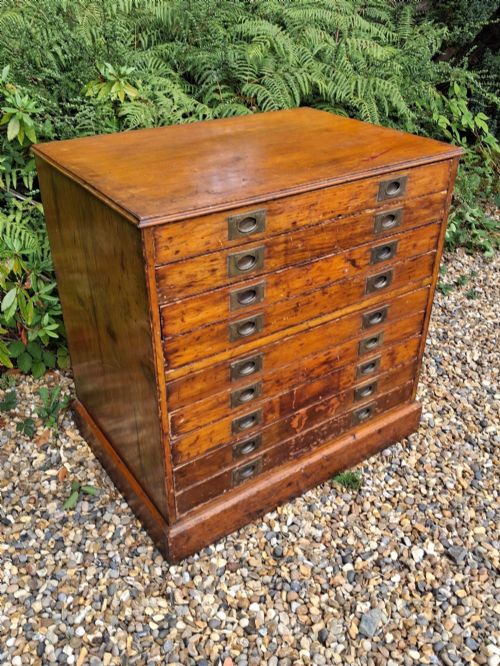
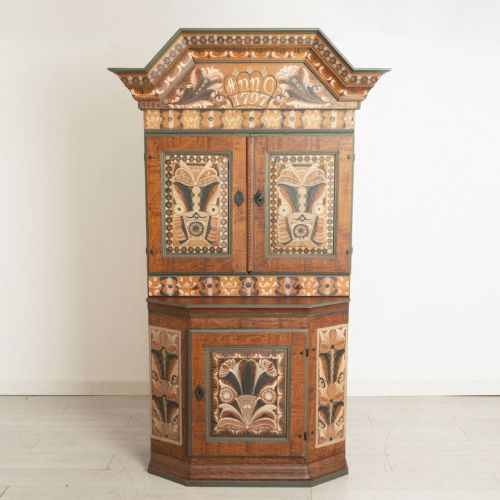
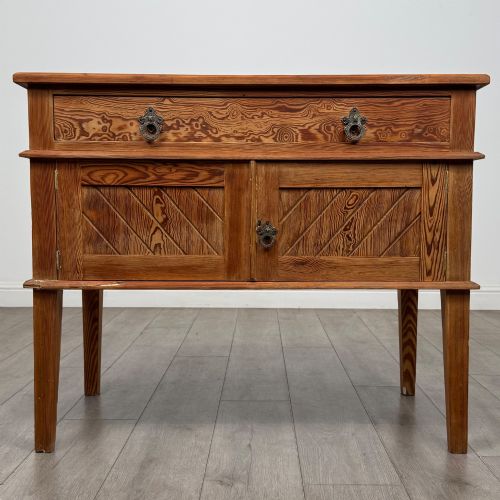
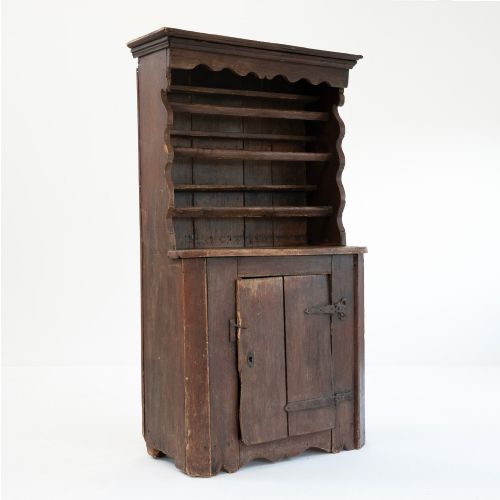
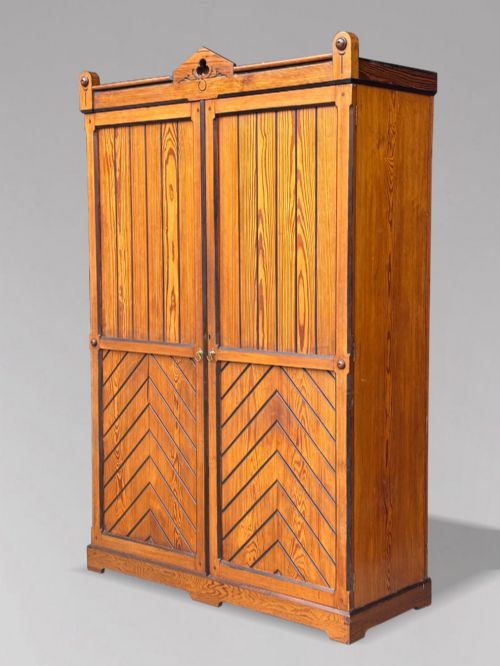
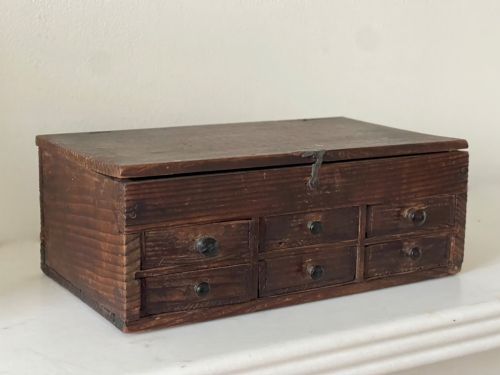
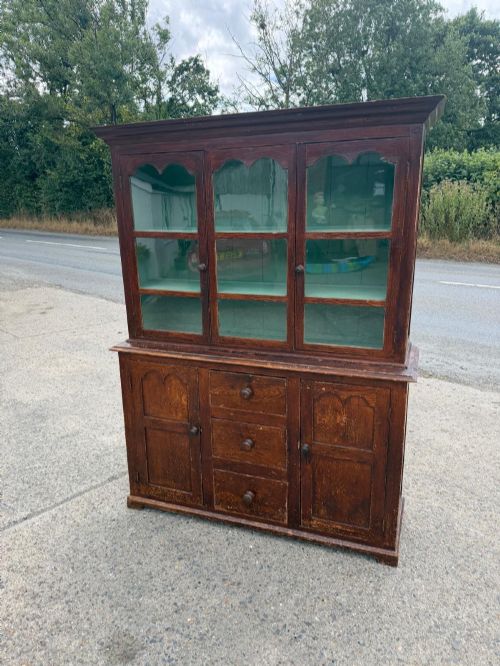
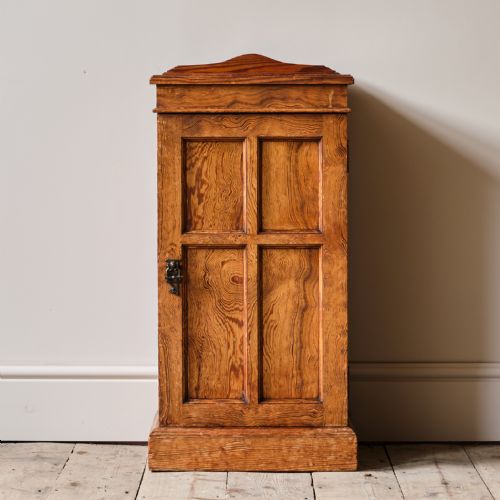
A brown pine cabinet encompasses a wide range of vernacular storage furniture, from kitchen dressers and corner cupboards to housekeepers' cupboards and multi-drawer filing units. When searching for a brown pine cabinet, buyers encounter pieces spanning the eighteenth, nineteenth, and early twentieth centuries, reflecting diverse regional traditions across Britain, Scandinavia, France, and Italy.
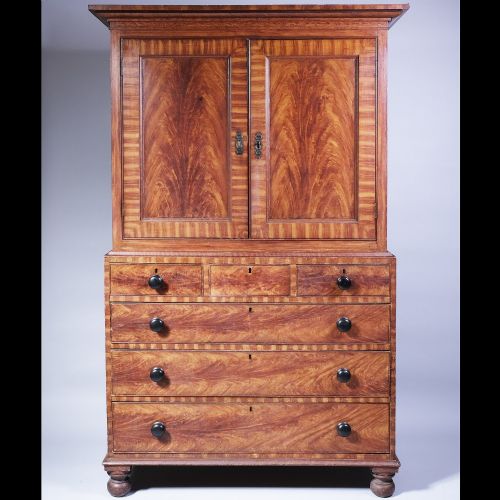
Originating primarily from domestic or institutional environments, these cabinets display various surface treatments including natural wood finishes, simulated paint effects, and original decorative pigments. The construction adapts to the requirements of the period, utilising deal and pitch pine alongside secondary timbers.
Evaluating quality and authenticity
Quality in these cabinets rests upon the survival of original paint surfaces, authentic period hardware, and uncompromised structural integrity. Pieces retaining their original scumble glaze or folk art pigments command greater interest than those stripped down to bare timber.
The refinement of the joinery and the intended original function distinguish simple domestic utility pieces from specialised collectors' cabinets or school cupboards. Proportion, timber selection, and regional decorative details further separate standard workshop production from finer country craftsmanship.
Brown Pine Cabinet Retail Price Guide 2026
Typical asking prices for brown pine cabinet among the pieces listed under this phrase on Sellingantiques today, from the lower quarter to the upper quarter. They describe what is for sale here now, not the wider market.
Listings feature periods spanning from the eighteenth century through the 1930s, incorporating pine, pitch pine, oak, and applied paint finishes.
D Napier And Sons
The Brown Pine Cabinet Glossary
- Scumble paint
- A decorative surface technique where a translucent glaze is manipulated over a lighter base coat to simulate finer timber grain or create mottled textures. This finish appears frequently on nineteenth-century vernacular furniture.
- Pitch pine
- A durable softwood characterised by a high resin content and prominent growth rings, often utilised for structural resilience in Victorian and later furniture. It provides a distinct reddish-brown tone when polished.
- Deal
- A historical trade term for softwood timber, specifically fir or pine, commonly employed in carcase construction and secondary framing for drawers and backboards throughout the eighteenth and nineteenth centuries.
- Pot cupboard
- A small bedside or freestanding cabinet originally designed to house a chamber pot, typically featuring a single door and enclosed top surface. These utilitarian forms often survive in pine or painted finishes.
- Marriage cupboard
- A celebratory painted cabinet commissioned or gifted for a wedding, frequently bearing dates, initials, or symbolic polychrome motifs. These pieces are particularly prominent in Scandinavian and Italian rural traditions.
Brown Pine Cabinet: Frequently Asked Questions
How do I date a pine cabinet?
Dating relies on examining construction methods, nail types, hinge styles, and timber characteristics. Eighteenth-century examples often display hand-sawn boards and simpler joinery, whereas nineteenth-century pieces may show standardised machine milling.
Surface finishes and hardware provide further clues. Original paint, backboard construction, and secondary woods help narrow the period of manufacture alongside any visible workshop stamps.
What is scumble painted pine?
Scumble painting involves applying a translucent tinted glaze over a paler painted base and working it with tools to create decorative patterns or faux wood grain. This technique was popular in the nineteenth century to elevate ordinary pine.
Cabinets with surviving original scumble finishes offer a glimpse into period decorative tastes. The technique protects the underlying timber while adding rich texture to domestic storage.
How were these cabinets originally used?
These pieces served diverse utilitarian roles in domestic, rural, and institutional settings. Housekeepers used large cupboards for linens, while kitchen dressers displayed crockery and stored dry goods.
Specialised pieces like spice boxes, apothecary chests, and filing shelves fulfilled specific organizational needs in homes, offices, and schools. Their robust construction suited demanding daily environments.
Should I keep the original paint?
Preserving original paint surfaces maintains historical integrity and visual character. Folk art motifs, polychrome decoration, and early simulated finishes are central to the identity of vernacular furniture.
Stripping painted pine removes the patina accumulated over decades of use. Maintaining the existing surface preserves evidence of the cabinet's working life.
Where did country pine furniture originate?
Country pine furniture emerged from regional workshops across Britain, Scandinavia, France, and Italy. Local craftsmen utilised readily available softwood timbers to supply domestic storage for rural households.
Distinct regional styles developed, from Swedish folk art cupboards to Irish dressers and English kitchen cabinets. Each area adapted construction methods to local domestic requirements.