

Brown Oval Centre Table
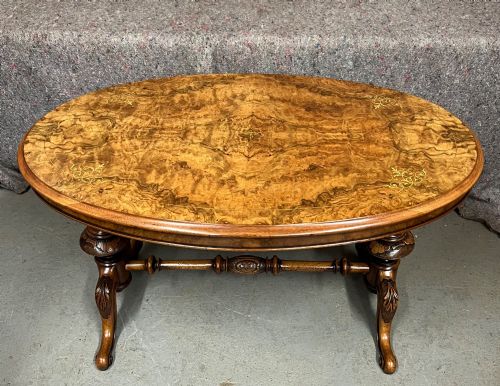
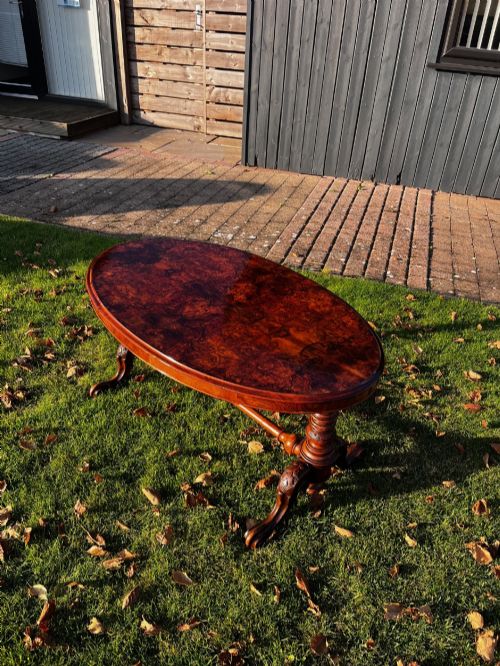
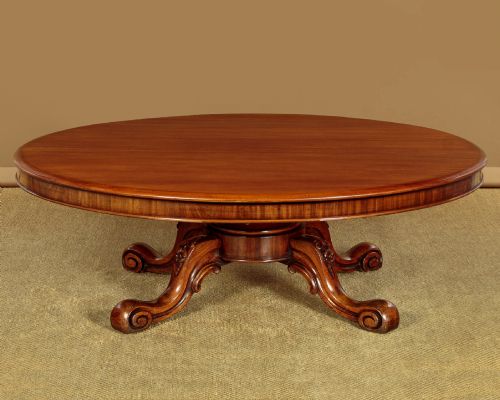
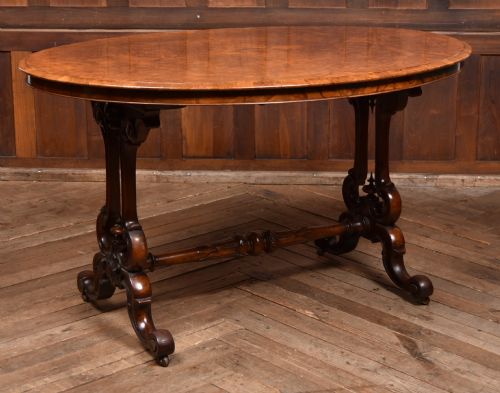
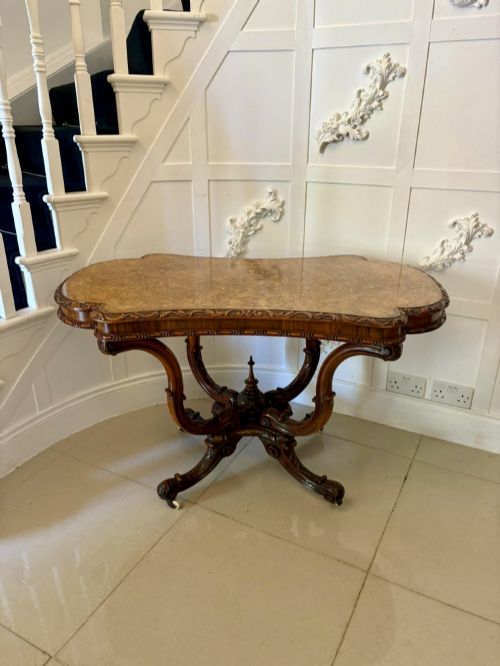
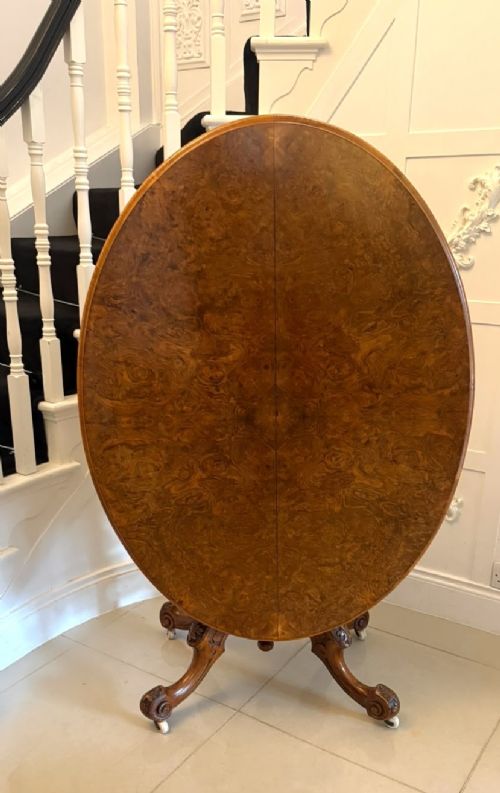
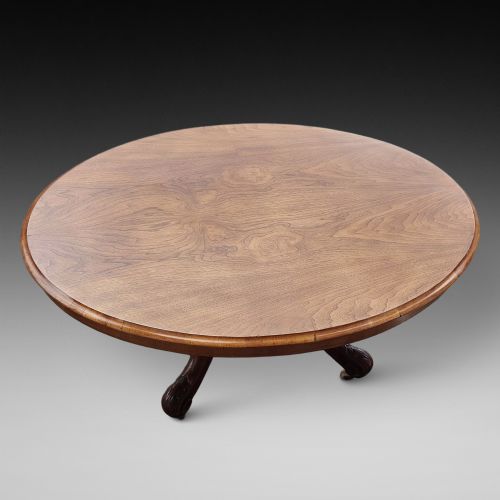
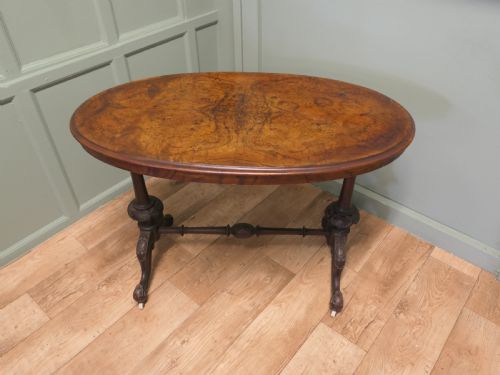
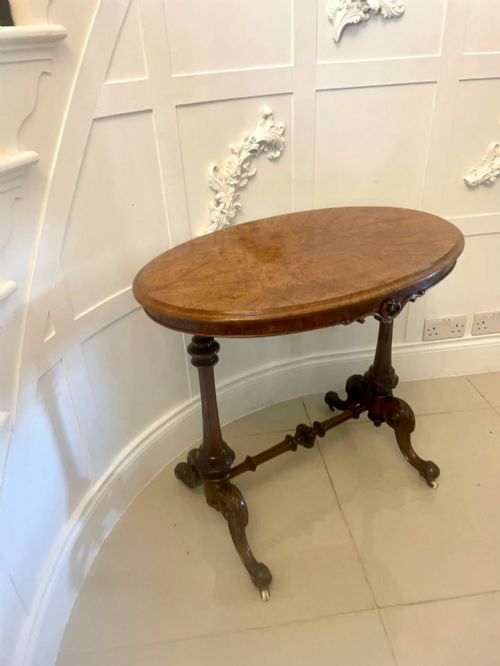
A brown oval centre table provides a practical surface and grounds a room with figured timber, largely appearing here as Victorian burr walnut.
Brown Oval Centre Table
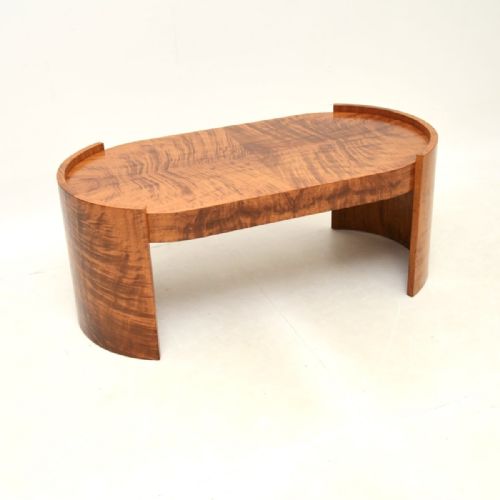
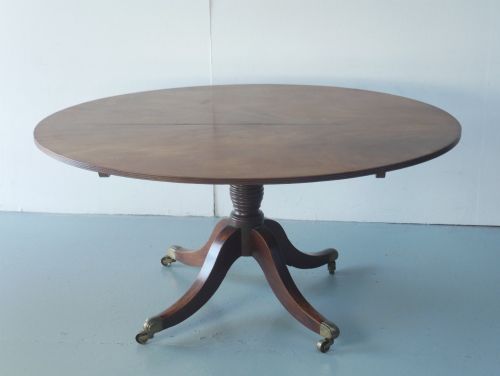
A brown oval centre table is a freestanding piece designed to sit in the middle of a room, distinguished by its curved top and rich wooden tones. When searching for a brown oval centre table, buyers encounter numerous Victorian examples alongside Edwardian and earlier revival pieces.
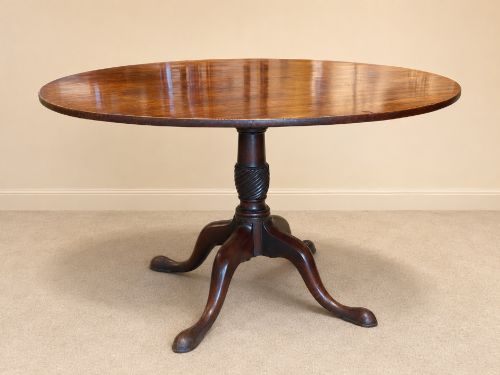
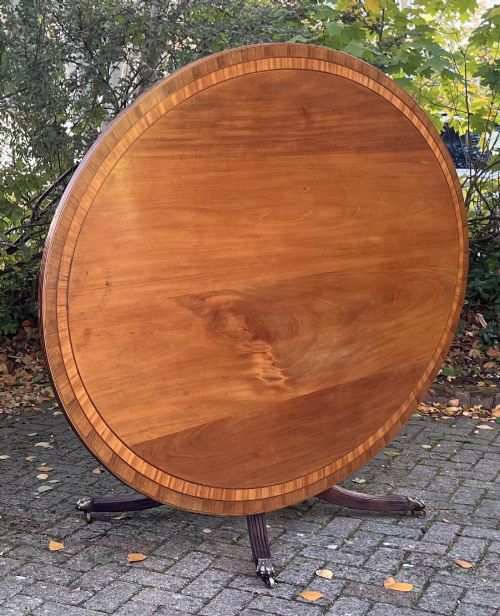
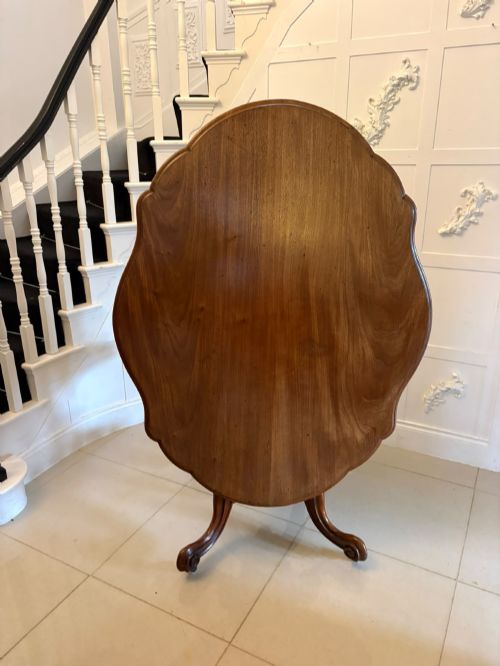
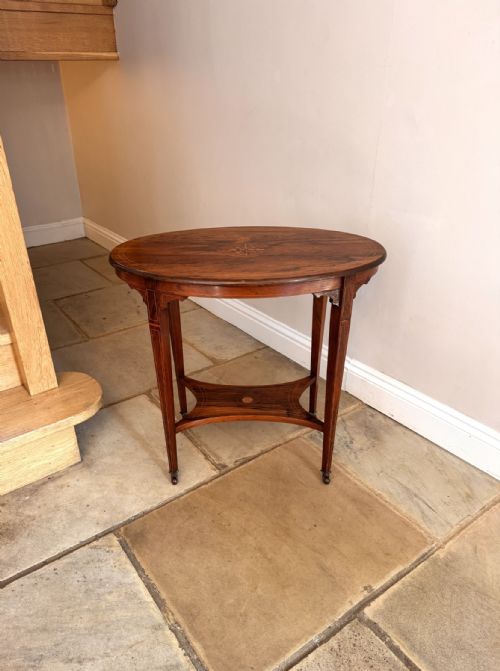
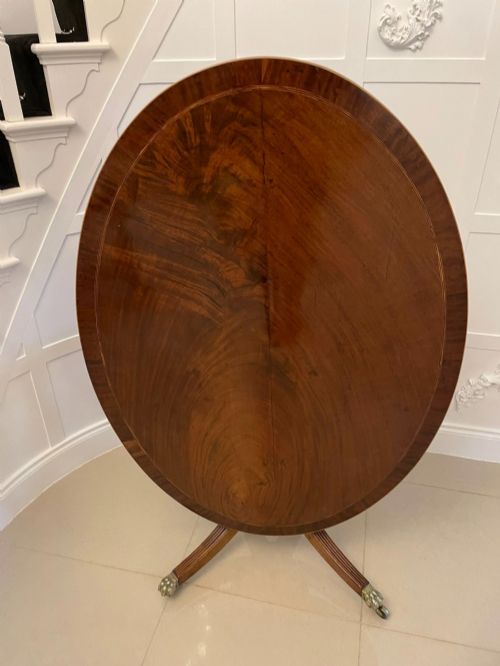
The form appears in several functional variations across the listings, ranging from large dining and breakfast tables with tilt-top mechanisms to smaller lamp, loo, and occasional tables. Walnut and mahogany dominate these forms, frequently displaying distinct grain patterns or inlaid borders.
Materials and construction methods
Cabinetmakers utilised solid timbers and decorative veneers, applying burr walnut and figured mahogany over stable secondary woods to achieve rich surface patterns. Inlaid details incorporate boxwood and various contrasting woods, often forming delicate marquetry motifs around the perimeter of the top.
Structural support relies on hand-carved pedestals, pillar columns, and multi-legged bases such as quadrapods, frequently fitted with brass hardware. Tilt-top mechanisms employ secure wooden catches and heavy pivoting blocks to allow the large oval surfaces to store flat when needed.
Brown Oval Centre Table Retail Price Guide 2026
Typical asking prices for brown oval centre table among the pieces listed under this phrase on Sellingantiques today, from the lower quarter to the upper quarter. They describe what is for sale here now, not the wider market.
Some tables feature built-in chess boards on the top, ready for a mid-Victorian match.
Assessing quality in construction and finish
Quality rests in the selection of the timber, where dense burr walnut grain and crisp crossbanding elevate a piece far above plain stock. The depth and sharpness of the hand-carving on the base distinguish master craftsmanship from simpler production work.
Engineering integrity dictates daily utility, particularly in the fit of the tilt-top mechanism and the stability of the central pillar. Superior examples maintain tight joints and smooth operation without wobble in the quadrapod feet.
Holland and Sons Of London
The Brown Oval Centre Table Glossary
- Burr walnut
- A highly figured wood grain obtained from the wart-like growths on walnut trees, prized for its swirling patterns.
- Tilt-top
- A hinged table top that can be pivoted vertically to save space when the piece is not in use.
- Crossbanding
- A strip of veneer applied to the border of a table top with the grain running perpendicular to the centre.
- Quadrapod
- A four-legged pedestal base designed to support heavy dining and breakfast tables.
- Loo table
- A large Victorian round or oval table originally intended for the card game loo.
Brown Oval Centre Table: Frequently Asked Questions
How do I use a brown oval centre table?
These pieces stand in the middle of a room to hold lamps, books, or decorative items while serving as a visual anchor. Larger versions function effectively as dining or breakfast tables.
Tilt-top models offer the flexibility to clear floor space by standing upright against a wall when not in daily use.
What wood types are most common?
Walnut and burr walnut dominate the selection, bringing dark brown tones and complex swirling grain patterns to the surface. Mahogany also appears frequently, offering a smooth, deep reddish-brown finish.
Inlay work frequently incorporates boxwood to create contrasting geometric or floral borders.
How do I date a Victorian table?
Dating relies on combining the timber choice, decorative styles, and mechanical construction methods evident in the piece. Mid-nineteenth-century examples often feature heavy burr walnut veneers and elaborate hand-carved quadrapod pedestals.
Later Victorian and Edwardian pieces tend toward lighter frames and more restrained marquetry inlay.
Are these tables suitable for modern dining?
Many larger examples function well for meals, particularly breakfast tables and six-seater tilt-top designs built for regular use. Their sturdy pedestals provide adequate legroom around the perimeter.
Checking the height and clearance of the specific pedestal ensures comfortable seating with standard chairs.