


Brown Ochre Oil Painting
A brown ochre oil painting brings earthy, muted tones and rich textures to a wall, capturing landscapes, portraits, and townscapes across multiple centuries.
Brown Ochre Oil Painting
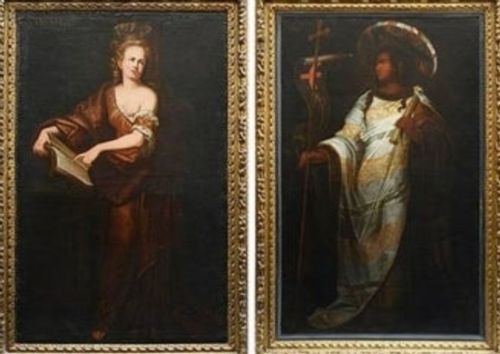
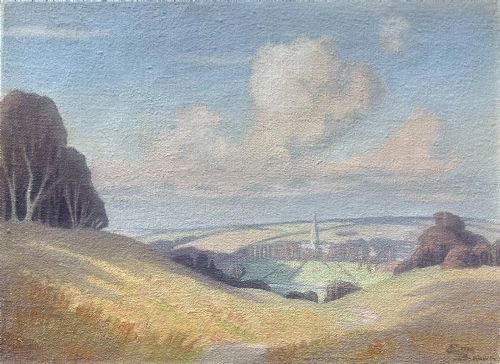
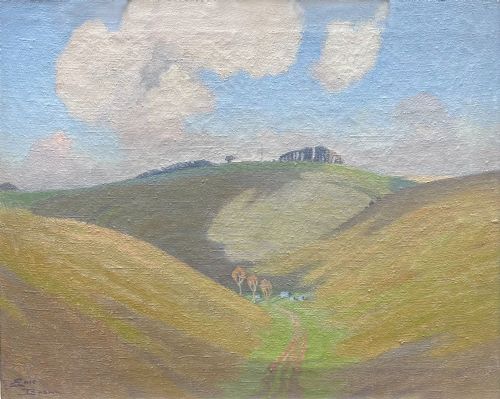
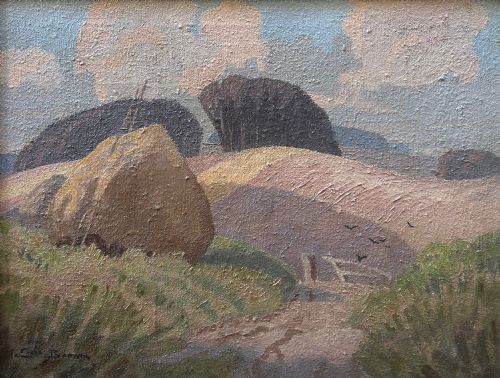
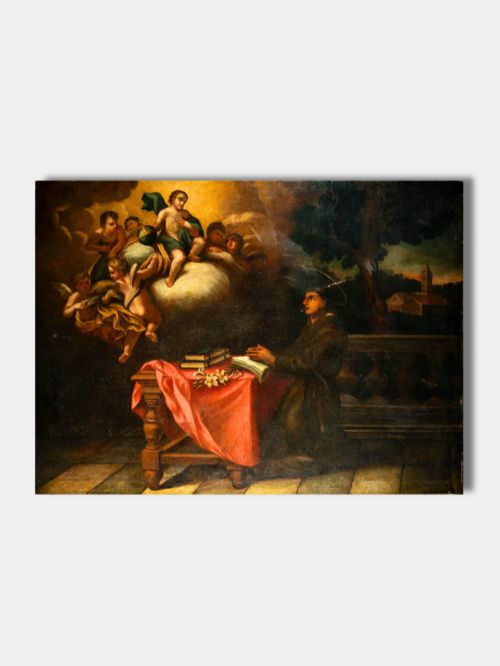
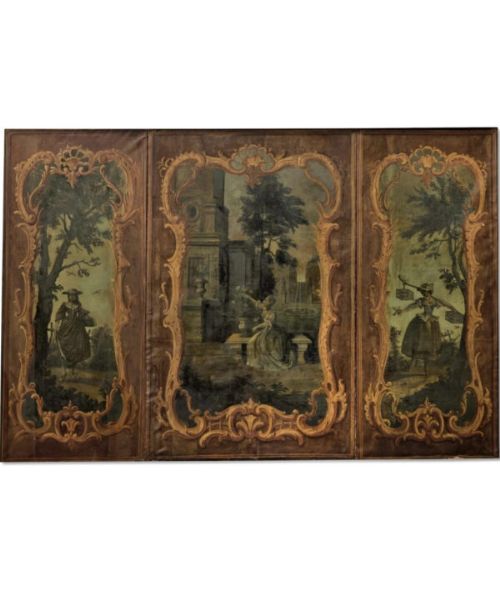
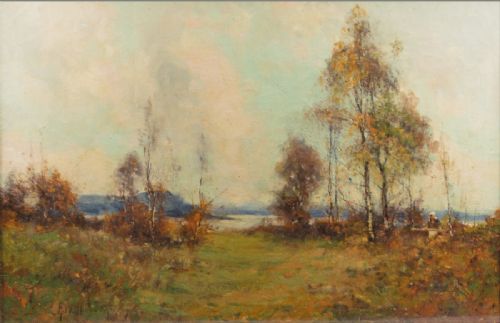
A brown ochre oil painting spans subjects from 18th-century classical scenes and 19th-century coastal views to 20th-century British modernism and mid-century works. Buyers encounter depictions of hills, harbours, cathedrals, and pastoral fields executed with rich, warm palettes.
The selections on this page include both canvas and board supports, with framing ranging from grand historical pieces to compact modernist compositions. Each work records a distinct era of artistic vision, from French post-impressionist plein air studies to industrial factory scenes.
What varies in quality
Quality rests in the confidence of the brushwork and the expressive handling of the pigment across the canvas or board. Masterly tonal transitions and assured compositions elevate a piece far above standard decorative output.
The coherence of the palette and the preservation of the original surface texture dictate the visual strength of the painting. Superior works demonstrate an assured balance between the subject matter and the rich ochre tonality.
Canals, soup tureens, lions, and cathedral spires all share wall space here.
Alexander Wellwood Rattray·Ron Folland·James William Booth·Arthur Winter Shaw·Hans Temple·Frederick William Jackson·Ernest Higgins Rigg·William Greaves·Ludwig Hermann·Donald McIntyre
The Brown Ochre Oil Painting Glossary
- Oil paint
- A slow-drying paint made by combining pigment particles with a drying oil, most commonly linseed oil. This medium allows for rich blending and deep surface textures.
- Canvas
- A heavy woven fabric, usually linen or cotton, stretched tightly over a wooden frame to serve as a durable painting surface.
- Board
- A rigid flat panel, often wood or compressed fibre, utilised as an alternative support to stretched canvas for oil paintings.
- Plein air
- The practice of painting outdoors to capture the direct effects of light and atmosphere upon the landscape in real time.
- Post-impressionism
- An art movement developing roughly from the late nineteenth century that rejected naturalistic depiction in favour of expressive forms and colour.
Brown Ochre Oil Painting: Frequently Asked Questions
What periods do these paintings cover?
The listings span from the eighteenth century through the nineteenth century and into various decades of the twentieth century.
This broad chronological range includes Georgian, Victorian, and mid-century modernist aesthetic movements.
Are these paintings created on canvas?
Many examples utilise canvas supports, whilst others are executed directly onto wooden panels or rigid boards.
Both canvas and board formats appear frequently across the different historical periods represented.
How should I clean my oil painting?
Dust surfaces gently with a soft, dry brush and avoid applying liquid cleaners directly to the pigment or canvas.
Professional conservators should handle any deep cleaning or removal of accumulated grime to protect the fragile paint layers.
What subjects appear in these works?
Common subjects include Scottish highland landscapes, coastal scenes, rural hay fields, architectural townscapes, and figurative portraits.
Artists across different decades interpreted these traditional themes using distinct regional and stylistic approaches.