



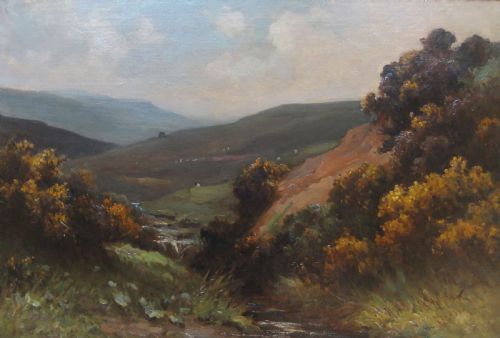


Vintage Plein Air Landscape
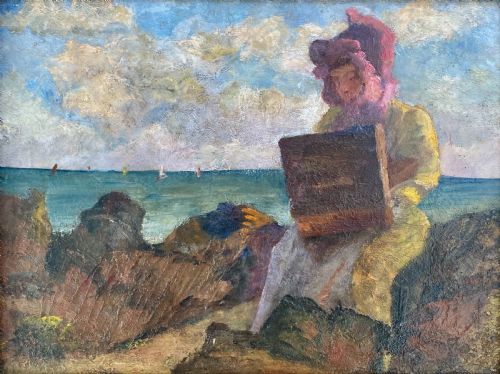
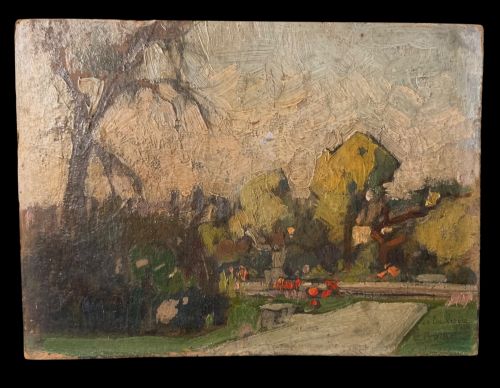
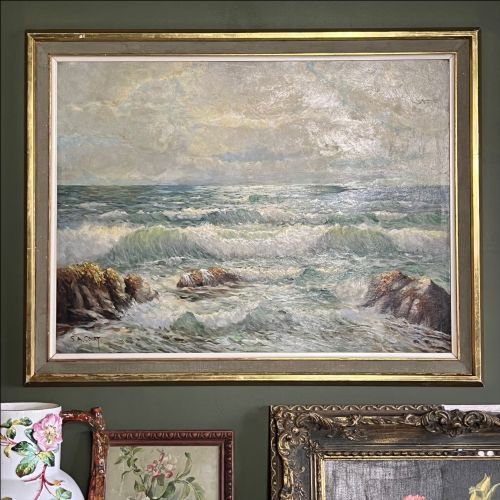
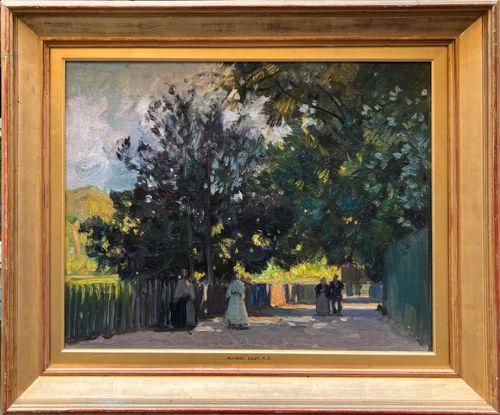
These vintage plein air landscape paintings capture light and atmosphere outdoors, offering buyers a direct window into early twentieth-century rural and coastal scenes.
Vintage Plein Air Landscape
A vintage plein air landscape brings the immediacy of outdoor painting into the home, capturing natural light and shifting weather directly onto the surface. When searching for a vintage plein air landscape, buyers encounter works executed outdoors across the late Victorian era up to the mid-twentieth century.
The selections span British Impressionism, French Impressionism, and California Impressionism, offering river paths, coastal views, and moorland streams. Most examples on this page appear as oil on canvas, oil on board, or oil on panel housed in gilt wood frames.
Subjects range from British coastal Cornwall and Yorkshire streams to French chateaux on the Loire and Californian cityscapes. These pieces record specific locations painted on the spot, preserving the spontaneous brushwork characteristic of the movement.
Materials and construction methods
Artists painted these works using oil paint applied to prepared canvas, wooden boards, or wooden panels. The rapid application suited the outdoor working method, where painters needed to capture transient effects of light before conditions shifted.
Many works retain their original gilt wood frames, which complement the luminous qualities of the oil pigments. The combination of oil on board or canvas set within moulded gilt frames defines the physical structure of these surviving outdoor studies.
Vintage Plein Air Landscape Retail Price Guide 2026
Typical asking prices for vintage plein air landscape among the pieces listed under this phrase on Sellingantiques today, from the lower quarter to the upper quarter. They describe what is for sale here now, not the wider market.
The inventory records regional movements including British, French, and California Impressionism across various landscape forms.
Distinctions in quality and execution
Quality rests upon the handling of light and the confidence of the brushwork in capturing the open air. Superior pieces demonstrate a sure command of tone and colour harmony that conveys atmosphere without overworking the surface.
The integration of the frame with the painting also influences the overall presentation, as period gilt wood settings enhance the visual depth of the landscape. Condition of the paint layer, freedom from heavy retouches, and clarity of the artist touch further distinguish finer examples.
Sidney A Court·Sir Alfred East·Ernest Higgins Rigg·Edmond Defonte·Fred Stead·Pierre Peltier·Kershaw Schofield·Kenneth Washburn
The Vintage Plein Air Landscape Glossary
- Plein air
- Painting outdoors to capture direct natural light and atmosphere. This method requires rapid execution to finish the work before conditions change.
- Impressionism
- A style focusing on accurate depiction of light in its changing qualities. Artists often used visible brushstrokes and unblended pigments.
- Gilt wood
- Wood covered with a thin layer of gold leaf or gold paint. Frames utilising this finish are common on nineteenth and twentieth-century paintings.
- Oil on board
- Pigment mixed with drying oil applied to a rigid wooden or paperboard support. This medium provided a stable surface for portable outdoor painting.
Vintage Plein Air Landscape: Frequently Asked Questions
What is a plein air landscape?
A plein air landscape is a painting created outdoors rather than in a studio, allowing the artist to observe natural light directly.
This method produces works characterised by visible brushwork and a strong sense of immediate atmosphere.
How should I hang these paintings?
These works suit domestic spaces with good ambient light that can complement the luminous tones of the oil pigments.
Keep them away from direct sunlight and damp conditions to protect both the canvas and the gilt wood frame.
How do I identify the period?
Periods are often indicated by the framing style, the type of board or canvas support, and the specific handling of Impressionist techniques.
Signatures, dates inscribed on the reverse, and artist records also help establish the date of execution.
Are original frames important?
Original gilt wood frames provide historical context and complement the aesthetic balance of the composition.
Many collectors value pieces that retain their period settings, though framing choices can vary across different regional schools.