




Brown Oak Spice Box
A brown oak spice box offers a wonderful slice of domestic history, storing aromatic treasures inside rich, figured timber.
Brown Oak Spice Box
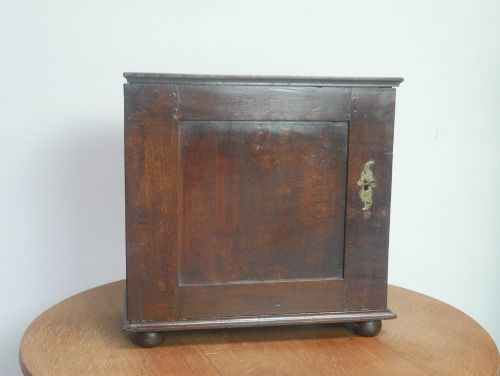
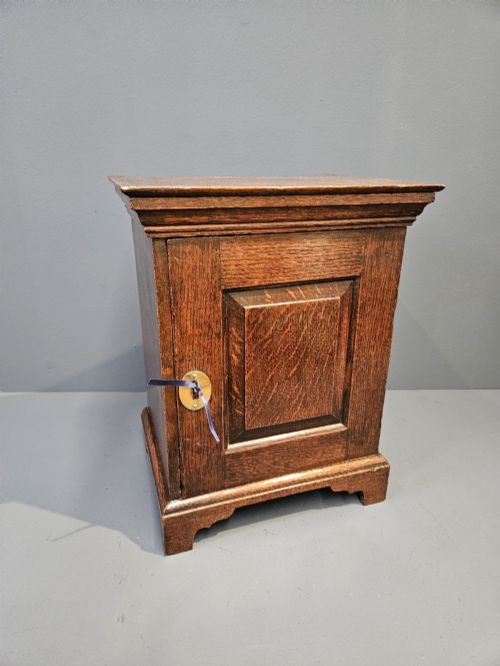
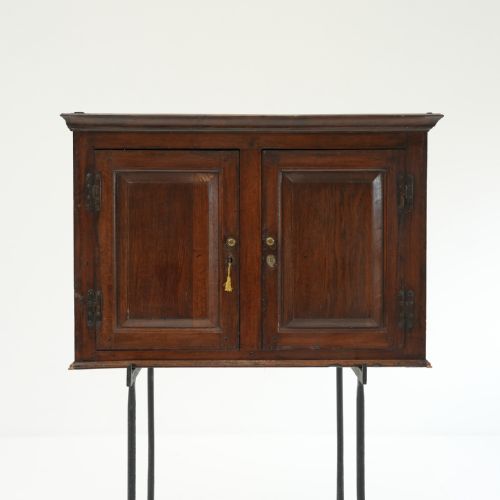
A brown oak spice box typically takes the form of a small wall-hanging or tabletop cupboard designed to keep precious kitchen seasonings safe from damp air. Most examples seen span the Georgian and Victorian eras, often showing regional craftsmanship such as Welsh vernacular styles or sturdy country builds.
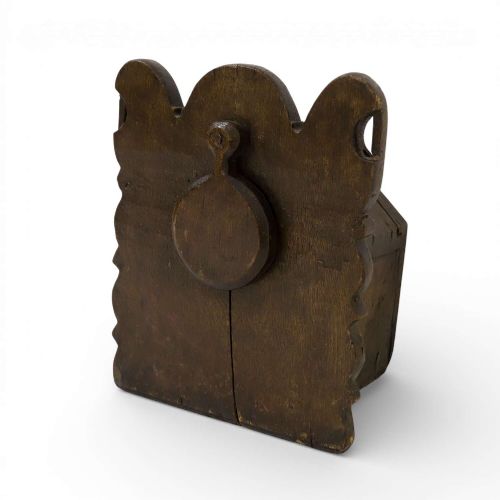
The primary form involves a hinged door opening to reveal a nest of small interior drawers or compartments. Alongside dedicated cupboards, the selection includes related wall-hanging salt boxes and miniature cabinets sharing the same domestic utility.
These pieces connect modern rooms directly to centuries past through their honest construction and utilitarian purpose. Collectors prize them for both their timber figuring and their remarkably compact proportions.
Materials and construction methods
Makers utilised solid timber, primarily oak for the main carcasses and doors, occasionally combining secondary woods like pine for internal partitions or backboards. The surfaces display deep natural grain patterns enhanced by age rather than heavy stains.
Hardware played a crucial role in daily function, featuring brass hinges and keyplates alongside hand-forged wrought iron latches and strap hinges. Joinery relied on traditional pegged mortise and tenon methods to withstand regular kitchen use.
Some resilient salt boxes bear accidental traces of old red paint, reminding us that country folk loved bright colour long before modern minimalism.
Assessing quality and character
Quality rests heavily upon the figuring of the timber and the preservation of original hardware. Finer pieces retain their authentic surface patination and internal drawer arrangements without extensive timber replacement.
Proportion and carved detail separate standard utility items from more ambitious country workshop commissions. Strong architectural mouldings and undisturbed period brasses elevate a piece significantly.
The Brown Oak Spice Box Glossary
- Brown oak
- A natural variant of common oak coloured by a fungal process that deepens the timber to a rich, dark bronze hue. This distinctive tone makes the wood especially sought after for small decorative furniture.
- Vernacular
- Everyday objects made by local craftsmen for regional use rather than high-end metropolitan workshops. These items often feature honest local quirks and traditional building methods.
- Salt box
- A wall-mounted container historically used to keep kitchen salt dry and accessible. They share a similar era and domestic context with spice cupboards.
- Treen
- Small handmade wooden household objects created before the advent of mass manufacturing. Items range from domestic utensils to small decorative vessels.
Brown Oak Spice Box: Frequently Asked Questions
What were spice boxes used for?
These small containers held valuable imported spices like nutmeg, cinnamon, and cloves securely in early kitchens. Their locked doors kept expensive flavourings safe from domestic staff and household pests.
Over time, families also utilised them for storing important documents, medicines, or sewing gear as tastes in cooking shifted.
How do I hang a spice box?
Most period spice cupboards feature original hanging brackets or pre-drilled holes in their backboards for wall mounting. It is essential to use appropriate fixings that match the weight of the solid oak.
Alternatively, many smaller variations sit comfortably on kitchen worktops, dressers, or side tables without requiring wall installation.
Are these cupboards actually made of oak?
Yes, the primary exterior structures and doors consist of solid oak, often showing wonderful figuring and age patination. Some examples incorporate secondary timbers like pine in hidden areas such as back panels or drawer bottoms.
This mixed construction was entirely standard for country furniture makers seeking to balance durability with internal weight.
How do I date an antique spice box?
Dating relies on examining construction techniques, timber characteristics, and style markers like fielded panels or hardware types. Eighteenth-century examples frequently display hand-cut peg joints and wrought iron hinges.
Later Victorian or revival pieces often introduce machine-sawn elements and different internal configurations that reflect changing manufacturing methods.