


Oak Apothecary Cabinet
An oak apothecary cabinet brings compact timber storage and period character into a modern room, offering compartments once used for herbs, remedies or medical supplies.
Oak Apothecary Cabinet
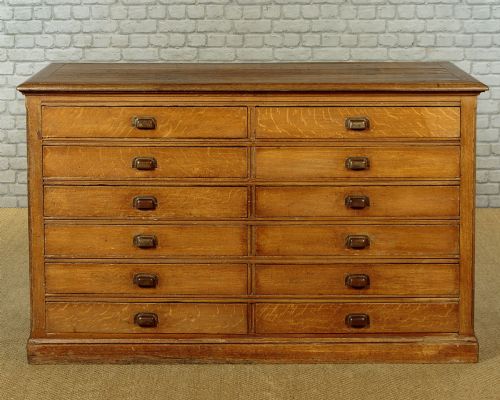
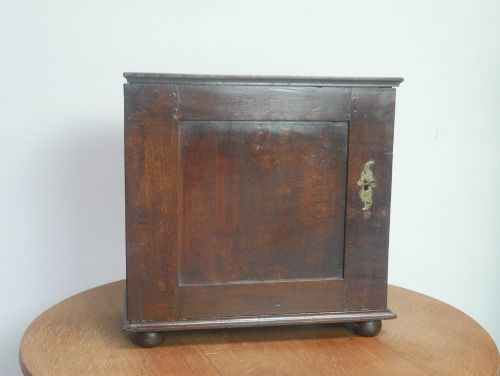
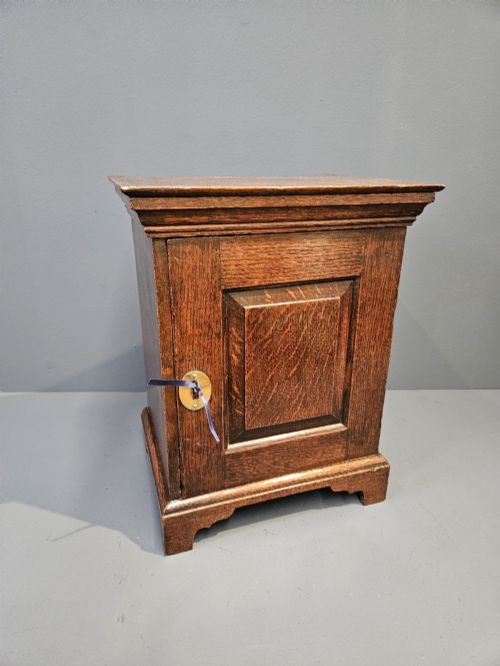
When you search for an oak apothecary cabinet, you are looking at practical storage pieces that range from small wall-hanging spice cupboards to banks of drawers and medical chests. The pieces seen here span the Georgian and Victorian periods up through the 1920s and 1930s, reflecting centuries of utilitarian craftsmanship.
You are most likely to meet wall-hanging spice cupboards, small collectors cabinets, and medical chests in this category. These forms serve functional purposes while displaying the rich grain of oak alongside brass fittings and pine secondary woods.
How they were made
Makers built these cabinets using solid oak for visible surfaces, often pairing it with pine for internal framing and drawer backs. Structural integrity relied on traditional joinery techniques suitable for daily use in households, shops, and surgeries.
Metal hardware such as brass handles, hinges, and steel or iron locks provided security for the contents while adding functional contrast to the timber. Glass panels also appeared on display doors and medical fronts where visibility was necessary.
Seven small medical carrying chests wait quietly to be filled with remedies once more.
What varies in quality
The standard of timber selection and cabinetmaking distinguishes pieces across the range, with finer examples showing tighter grain matching and more considered proportions. Hardware quality also plays a role, as original brass pulls and working locks elevate the integrity of a piece.
Originality of surface finish and the retention of period internal components, such as small drawers or spice shelves, separate standard utilitarian items from more complete collector examples.
The Oak Apothecary Cabinet Glossary
- Spice cupboard
- A small wall-mounted or tabletop cabinet traditionally used for storing culinary spices and herbs in domestic kitchens. These often feature small internal drawers or shelving.
- Collectors cabinet
- A specialised storage piece designed to hold and display natural history specimens, coins, or small objects. They typically contain multiple shallow drawers.
- Bank of drawers
- A multi-drawer storage unit built for organising large quantities of small items in trades, medical practices, or domestic settings. They prioritize utilitarian capacity.
- Wall hanging cupboard
- A compact cabinet constructed with flush rear panels or hanging brackets to mount directly onto a wall. This format saved floor space in smaller rooms.
- Secondary wood
- A timber used in hidden areas of a piece, such as drawer linings or backboards, which differs from the primary display wood. Pine frequently served this purpose alongside oak.
Oak Apothecary Cabinet: Frequently Asked Questions
How were oak apothecary cabinets used?
These cabinets stored medical remedies, dried herbs, spices, and small valuable items in domestic households, shops, and surgeries.
Their compartmentalized layouts kept contents organised and protected behind lockable doors.
How do I date an oak cabinet?
Dating relies on construction methods, timber choices, hardware styles, and overall design characteristics.
Earlier pieces from the seventeen-hundreds feature hand-cut joinery and simpler forged iron or brass fittings, whereas nineteen-twenties models show industrial influences.
Where should I place a wall hanging spice box?
These compact units suit kitchens, hallways, or studies where wall space allows them to function as practical storage.
Ensure the wall structure can support the weight of the solid oak timber before hanging.
Are pine and oak mixed in these cabinets?
Many period pieces utilise oak for the primary exterior surfaces and frame, while using pine for internal elements like drawer bases and backboards.
This combination was standard practice among cabinetmakers to manage weight and material costs.