
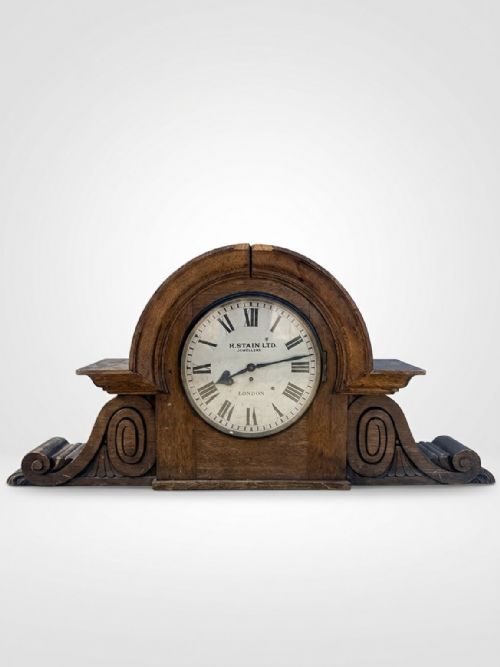
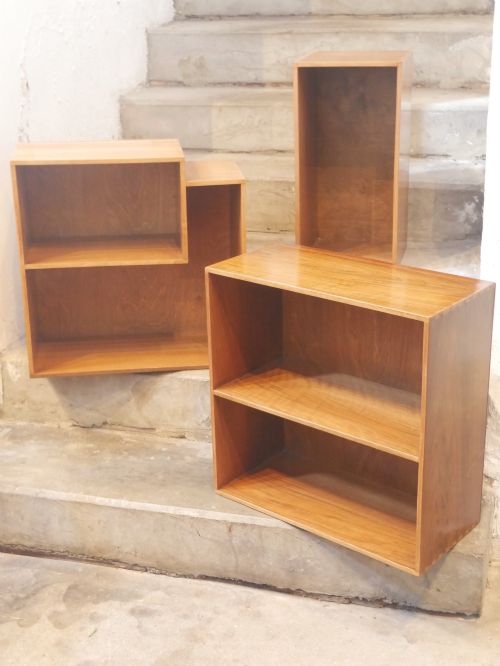
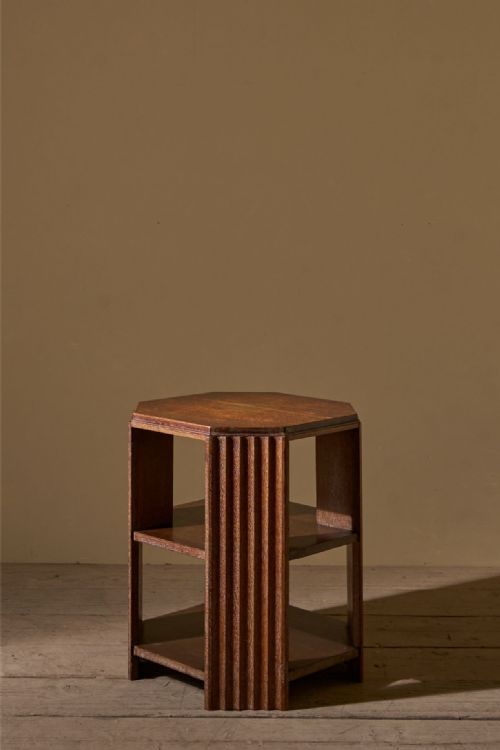
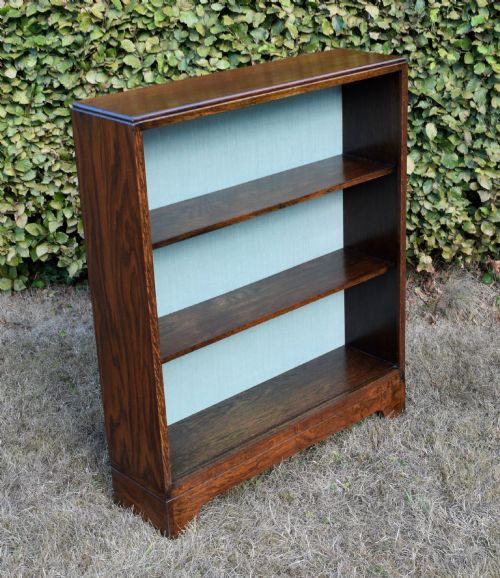
Brown Oak Shelves
Brown oak shelves bring a rich, deep timber tone and enduring utility to any room.
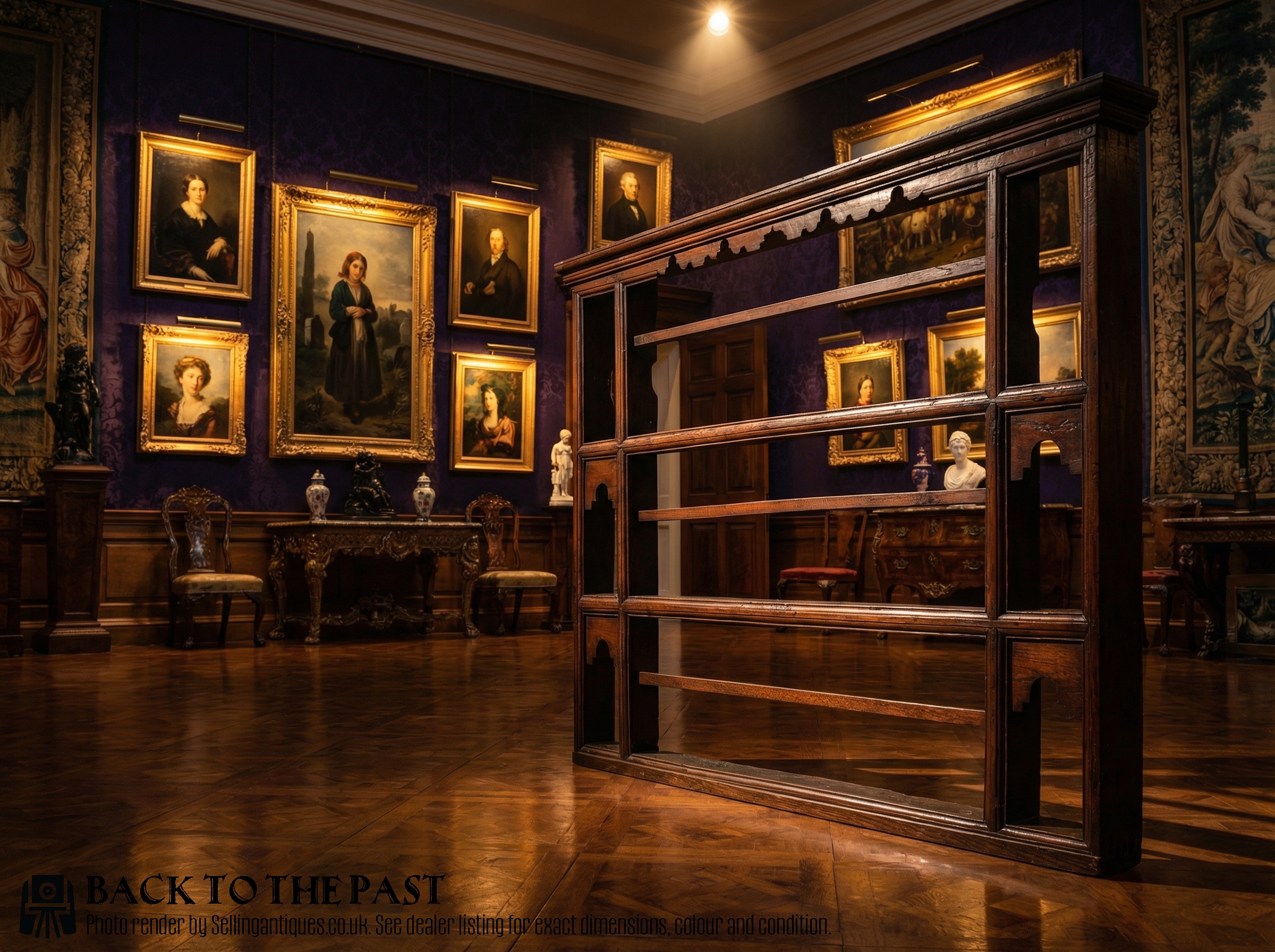
What these brown oak shelves are
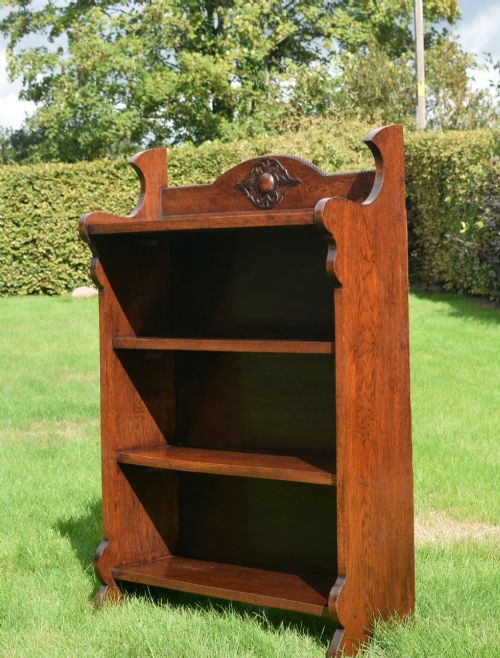
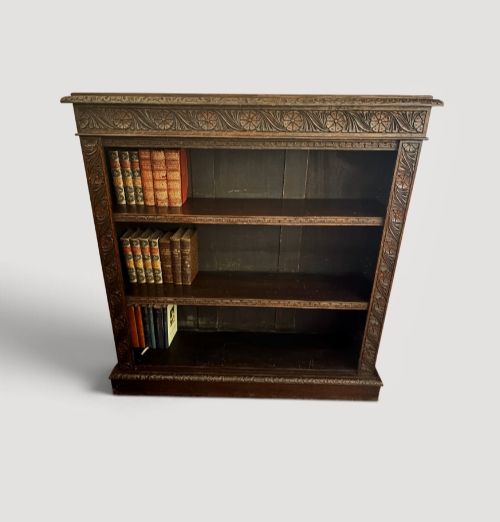
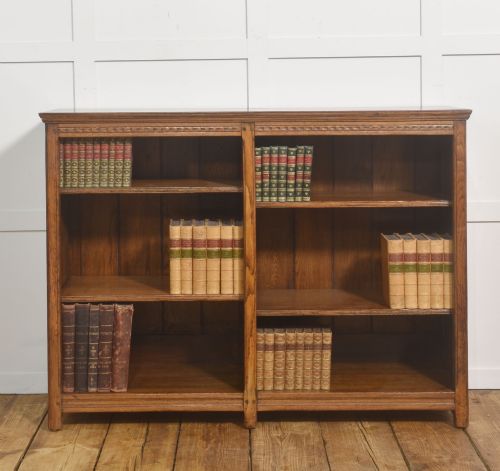
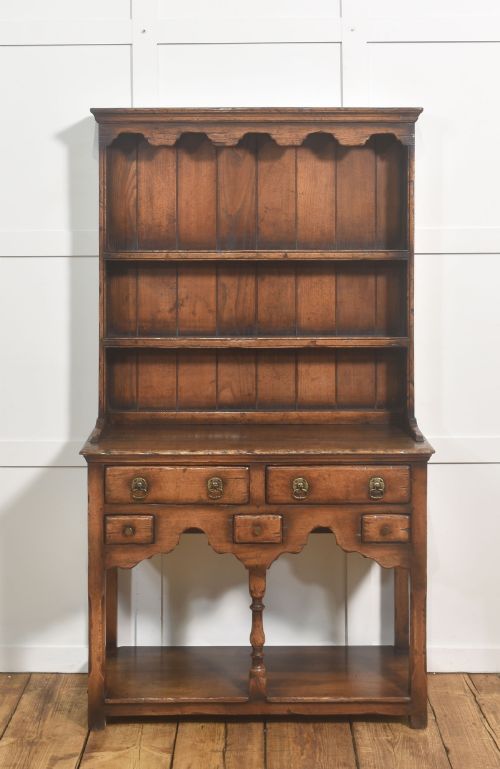
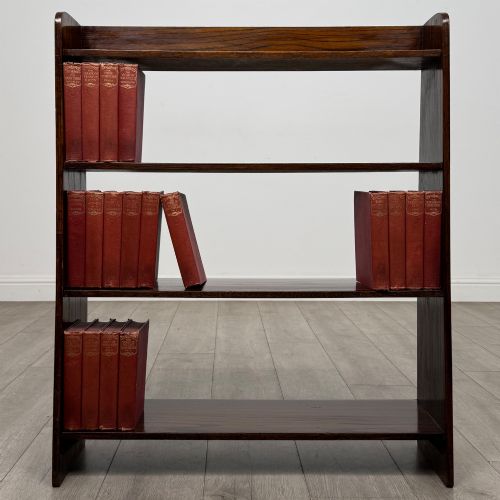
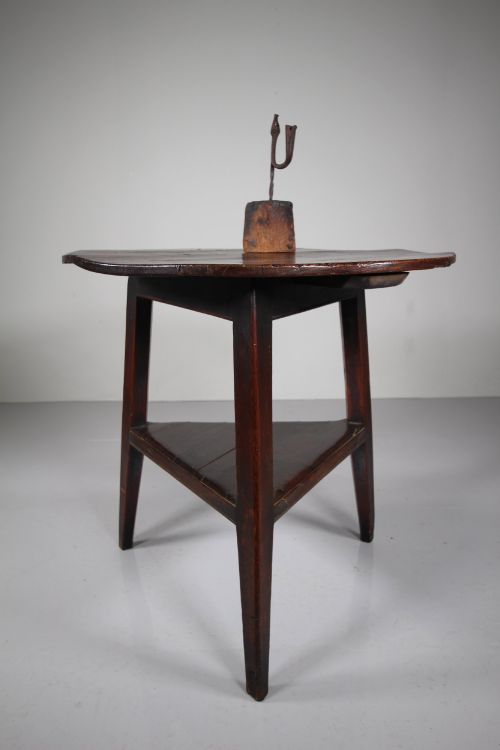
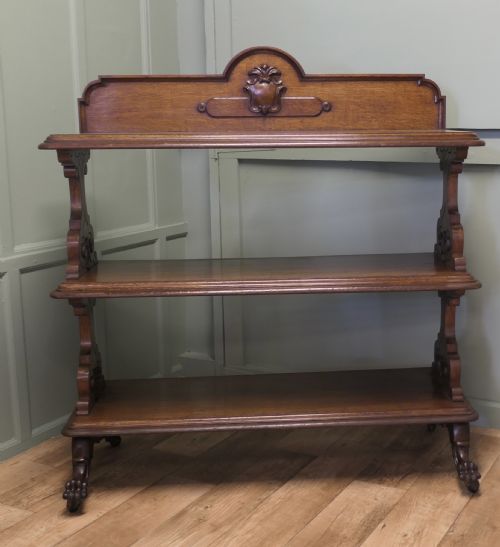
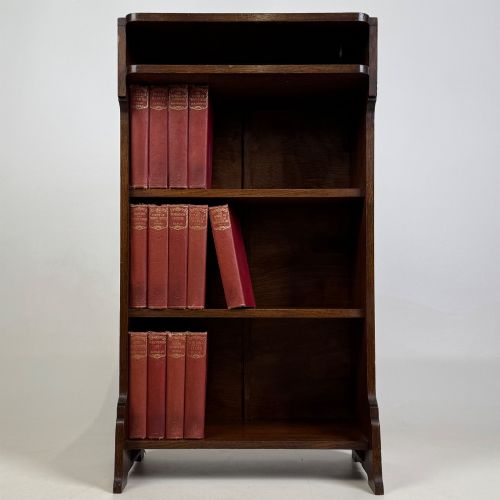
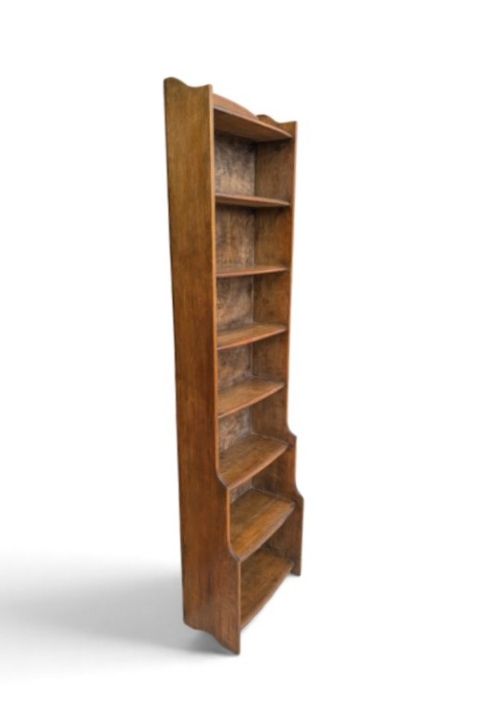
When searching for brown oak shelves, collectors encounter pieces ranging from Georgian wall racks and plate racks to Victorian and Edwardian open bookcases. These domestic furnishings serve primarily for the display and storage of books and tableware across various period interiors.
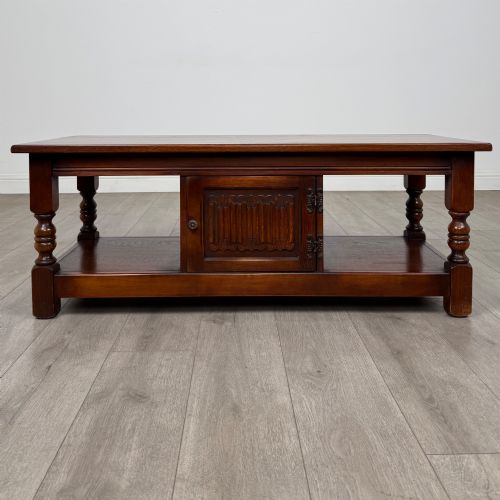
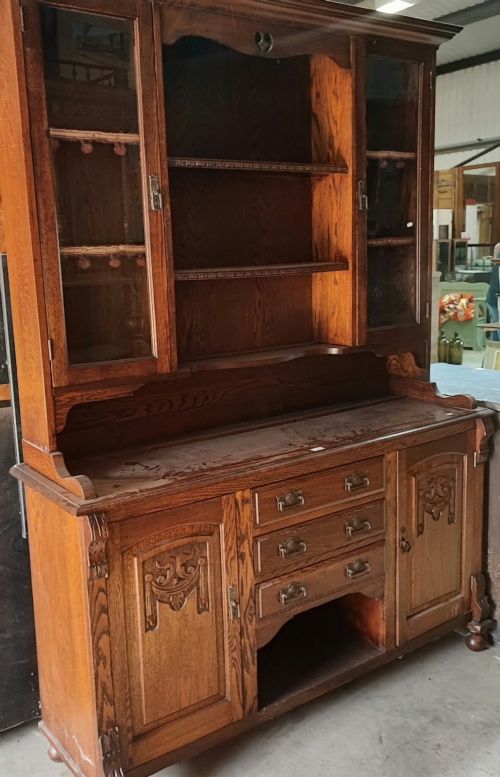
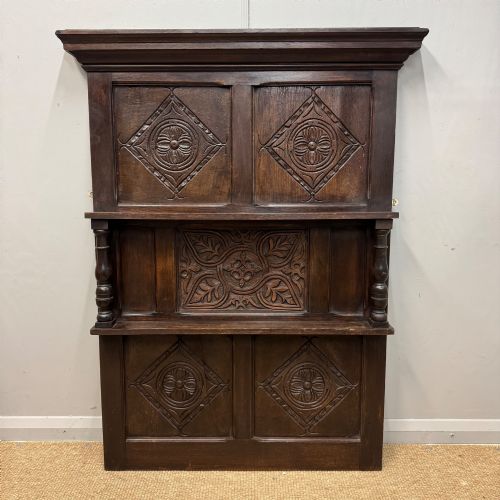
Originating across the eighteenth, nineteenth, and early twentieth centuries, these brown oak shelves demonstrate practical domestic design. Pieces vary from simple standing bookshelves to refined cabinets incorporating lower cupboards.
How they were made
Makers constructed these items predominantly from solid oak, chosen for its durability and distinct grain pattern. Cabinet makers joined structural elements using traditional woodworking joints appropriate to each period.
Metal fittings such as brass and iron appear on selected pieces for hinges, handles, or structural reinforcement. These secondary materials complement the warm tones of the timber framework.
Retail Price Guide 2026
Typical UK retail prices for brown oak shelves, calculated from the Sellingantiques database of over a million retail prices indexed since 2003. This retail price guide relies exclusively on Sellingantiques data; no external sources or auction records are used, so the figures do not describe the wider market.
Early plate racks occasionally retain the subtle indentations left by centuries of Staffordshire ceramics resting against the timber.
What varies in quality
Quality in these brown oak shelves rests upon the selection of timber and the finesse of the joinery. Superior examples display carefully matched grain patterns across visible surfaces and tight, precise joints that endure without modern adhesives.
The proportions and architectural detailing distinguish finer cabinet work from utilitarian pieces. Well-executed mouldings, panel work, and original hardware elevate a piece within its historical period.
The Brown Oak Shelves Glossary
- Open bookcase
- A standing furniture piece with horizontal shelves and no front doors, designed for accessible book storage. This form allows the timber grain and book spines to remain visible.
- Plate rack
- A wall-mounted or hanging fixture featuring slatted grooves and retaining rails specifically designed to display plates upright. These functional pieces originated in vernacular kitchens and dining rooms.
- Wall shelves
- Shelving units designed to be secured directly to a wall, saving floor space while providing display capacity. They often incorporate decorative brackets or backboards.
- Standing bookshelves
- Freestanding vertical furniture designed specifically to hold volumes off the floor. They range from low units to tall architectural bookcases.
Frequently Asked Questions
How do I care for antique oak shelves?
Keep wooden shelves away from direct heat sources and strong sunlight to prevent the timber from drying out or splitting. Apply traditional beeswax periodically to nourish the surface and maintain the natural lustre of the oak.
Dust the shelves regularly with a soft, dry cloth rather than using silicone-based sprays. Proper humidity control in the room prevents the wood from expanding or contracting excessively.
Were these shelves made for books?
Many of these pieces were indeed constructed as open bookcases to house personal libraries in domestic settings. Other variations, such as wall racks and plate racks, served kitchens and dining areas for storing ceramics.
Owners adapted these sturdy wooden structures over generations according to household needs. Their robust construction easily accommodates both heavy volumes and decorative ornaments.
How can I tell the period of oak furniture?
Examining the construction methods, tool marks, and hardware provides clear clues to the age of a piece. Georgian and Victorian cabinet makers employed distinct joinery techniques that evolved over the centuries.
The colour and patina of the oak deepen naturally through decades of exposure to light and air. Comparing the timber characteristics with documented period examples helps confirm the date.