
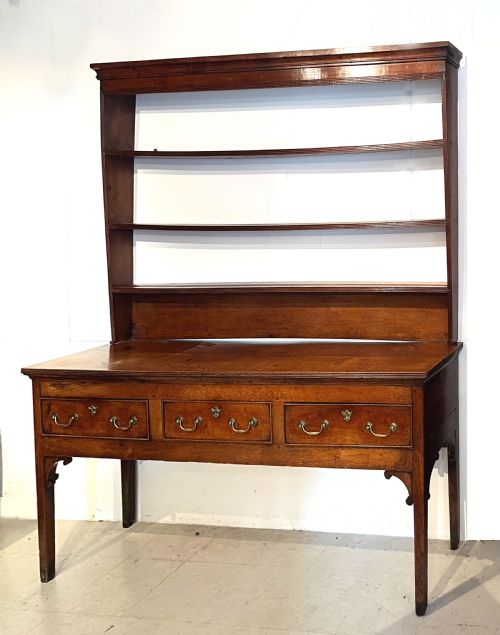


Brown Oak Hutch Cabinet
These brown oak hutch cabinet pieces offer robust storage and timeless display space, originating from eras spanning the seventeenth to the twentieth century.

Brown Oak Hutch Cabinet
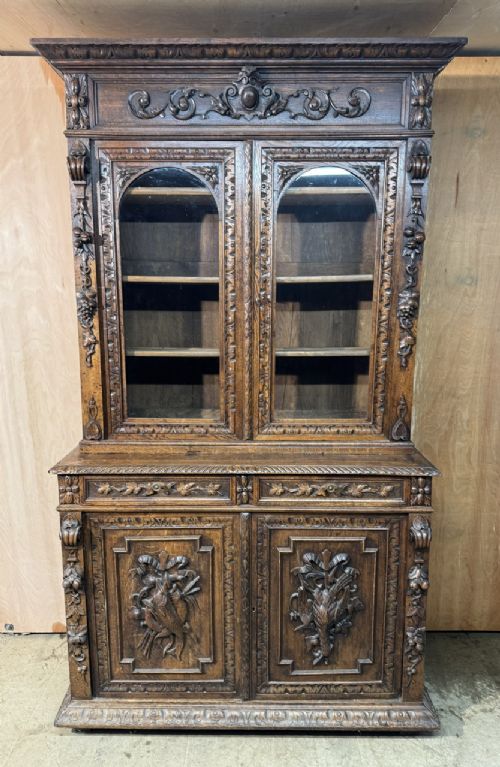
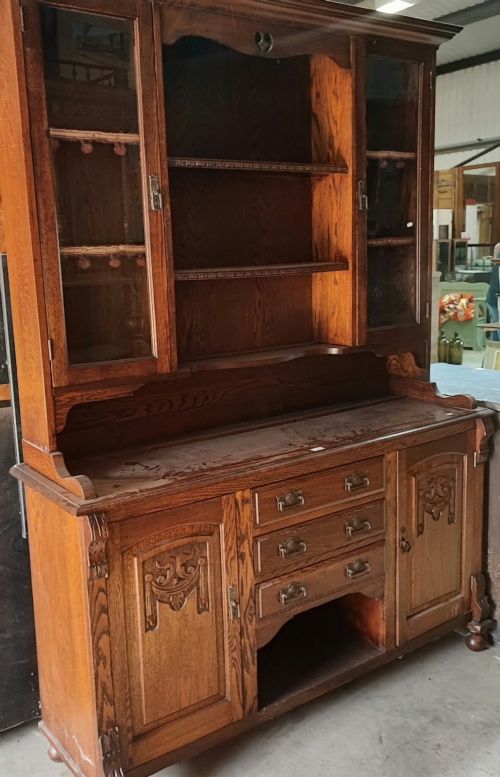
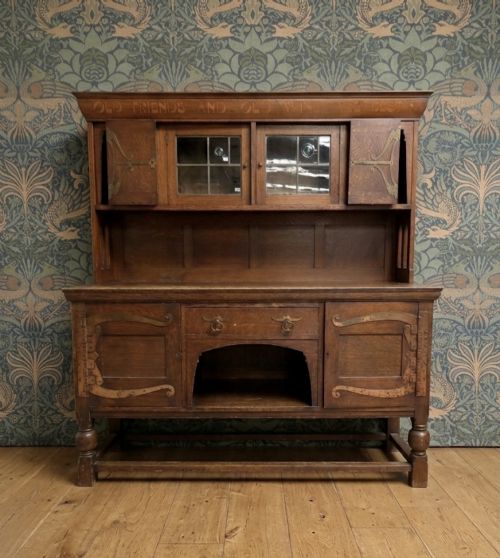
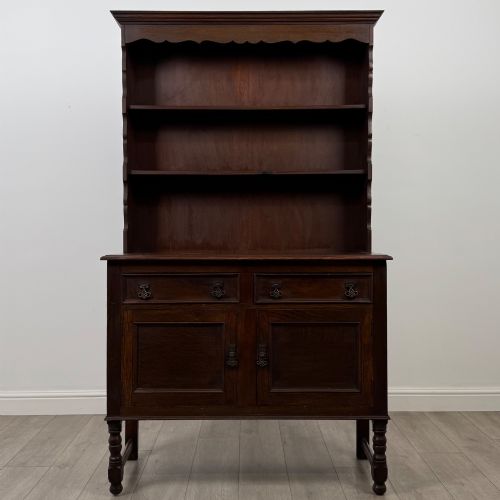
A brown oak hutch cabinet serves primarily as a combination of storage cupboard and open display shelving, often referred to in the evidence as dressers, sideboards, or Welsh dressers. Buyers seeking this form encounter examples ranging from vernacular eighteenth-century country pieces to elaborate nineteenth-century revival designs.
The objects listed display regional and period variations, including Georgian country cottage furniture, Victorian glazed units, and Arts and Crafts creations. Many incorporate plate racks above, designed to showcase ceramic collections alongside enclosed lower cabinets and drawers.
Origins span British and continental workshops, encompassing styles such as Jacobean Revival, French Renaissance Revival, and English Country. These pieces adapt readily to modern interiors while retaining their historic utility and distinct timber patination.
Materials and construction methods
Construction relies heavily on oak timber, frequently accented with brass hardware, iron fittings, and glass door panels for display sections. Secondary woods such as pine appear in concealed structural areas.
Surface decoration incorporates traditional techniques including hand carving, leaded glass assembly, and occasional marquetry inlay. Joinery methods reflect the period of origin, from early pegged mortise and tenon joints to later industrial production techniques.
Early Welsh dressers often accommodated domestic life so thoroughly that their lower cupboards doubled as holding areas for small livestock.
Distinguishing quality and craftsmanship
Quality separates pieces through the selection of timber grain, particularly figured or tiger oak, and the precision of hand-carved detailing. Superior examples demonstrate integrated design between upper plate racks and lower storage compartments.
The integrity of original hardware, glass panes, and surface patination heavily influences the standing of an individual piece. Workshops associated with known designers or specific regional traditions command distinct recognition for their execution.
Ambrose Heal for Heal and Son·Shapland and Petter
The Brown Oak Hutch Cabinet Glossary
- Welsh dresser
- A traditional kitchen or dining room furnishing featuring base cupboards or drawers surmounted by open plate shelves. These units served practical domestic storage needs for centuries.
- Plate rack
- The upper open-shelved superstructure of a dresser designed specifically for displaying ceramic plates and platters. It forms an integral visual component of many hutch cabinets.
- Tiger oak
- Oak timber exhibiting prominent medullary ray figuring that resembles the stripes of a tiger. This desirable grain pattern appears frequently in higher-grade nineteenth-century furniture.
- Breakfront
- A piece of furniture whose central section projects forward from the flanking sections. This architectural arrangement adds depth and visual interest to cabinet facades.
- Marquetry inlay
- Decorative patterns formed by fitting contrasting pieces of wood veneer into a prepared surface. It provides intricate ornamentation on select revival and continental pieces.
Brown Oak Hutch Cabinet: Frequently Asked Questions
What is a brown oak hutch cabinet used for?
These pieces function primarily as dual-purpose furniture items, combining closed storage space for tableware or linens with open shelving on top for display.
Historically, households utilised them in kitchens and dining rooms to keep everyday necessities accessible while exhibiting decorative ceramics.
How do I care for antique oak furniture?
Maintain the wood by applying quality beeswax periodically and buffing gently to preserve the natural lustre of the patination.
Keep pieces away from direct heat sources and strong sunlight to prevent the timber from drying out or splitting.
How can I tell the period of a dresser?
Examine the construction methods, hardware types, and overall stylistic motifs to determine the likely era of manufacture. Tool marks, joint styles, and secondary woods often provide clear indicators of eighteenth-century or nineteenth-century origin.
Revival pieces frequently blend older stylistic elements with later manufacturing techniques, which helps separate genuine period items from subsequent interpretations.
Will these cabinets fit in modern homes?
The versatile forms and warm timber tones allow these cabinets to integrate smoothly into contemporary living spaces, dining rooms, or kitchens.
Measure available wall space and ceiling height carefully before purchase, as older units often possess substantial proportions and height.