
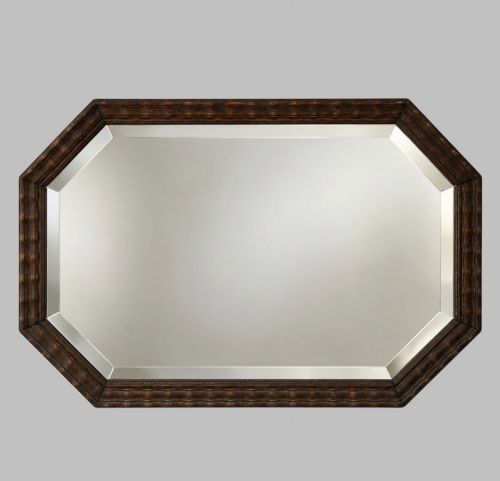

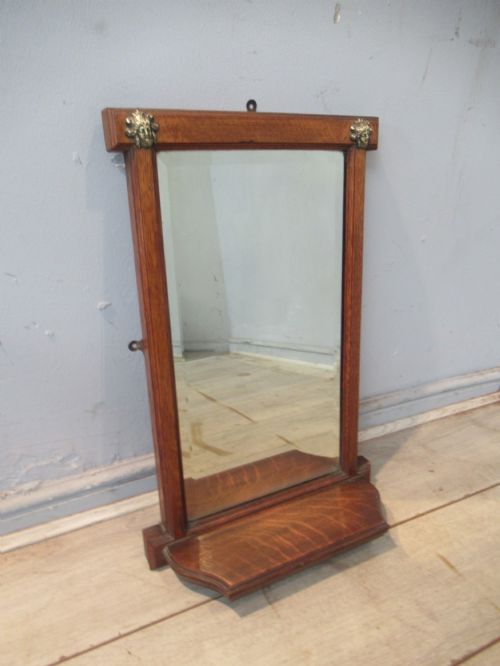
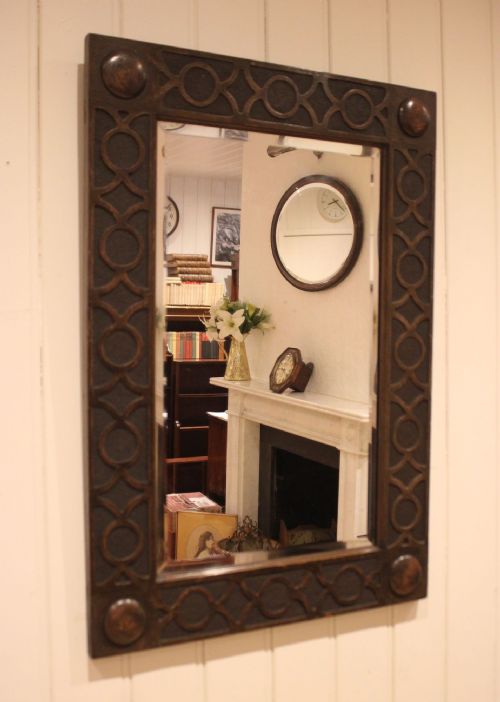


Brown Oak Hanging Mirror
A brown oak hanging mirror brings warmth and character to a room through rich timber grain and practical wall-hung design.
Brown Oak Hanging Mirror
A brown oak hanging mirror is a wall-mounted glass panel set within a wooden frame, spanning periods from the eighteenth century to the art deco era. These pieces frequently appear in Edwardian, Victorian, and nineteenth-century forms, serving functional roles in hallways, cloakrooms, and bathrooms.
The selection ranges from simple plain frames to elaborate carved examples incorporating shelves, side columns, or horseshoe motifs. Wall cabinets and shaving mirrors with integrated key hooks also feature across the inventory.
Origin and regional style vary, with French carved oak models and Dutch wall mirrors appearing alongside British Edwardian and Victorian pieces. Buyers encounter both rectangular and oval shapes, often fitted with bevelled glass.
Assessing Quality and Craftsmanship
Quality in a brown oak hanging mirror rests upon the depth of the timber grain, the crispness of the hand-carving, and the integration of functional elements like shelves and small cabinets. Superior examples display thoughtful proportions and harmonious stylistic revivals rather than mechanical repetition.
The condition of the mirrored glass and the integrity of the original joints distinguish finer pieces from simpler utilitarian items. Original brass hardware and well-preserved carved decoration elevate the standing of an individual wall mirror.
Some Edwardian cloakroom mirrors doubled as key cabinets, keeping household organisation neatly hidden behind the glass.
Waring and Gillow
The Brown Oak Hanging Mirror Glossary
- Bevelled glass
- Glass with an edge ground and polished to an angle thinner than the rest of the plate. This technique creates a decorative prismatic border that catches the light.
- Egg and dart
- An ornamental moulding pattern consisting of alternating egg-shaped shapes and dart-like anchors. It appears frequently on classical and revivalist frames.
- Gothic Revival
- An architectural and decorative style drawing inspiration from medieval forms. Pieces display pointed arches, tracery, and heavy carved detail.
- Cloakroom mirror
- A practical wall-hung glass typically fitted with a small shelf or coat hooks. These items were designed for transitional spaces in the home.
Brown Oak Hanging Mirror: Frequently Asked Questions
Where should I hang a brown oak wall mirror?
These pieces suit entrance halls, cloakrooms, and bedrooms where their timber frames can complement other wooden furniture.
Many examples include integrated shelves or hooks, making them practical for holding keys or small daily items.
How do I date an oak mirror?
Dating relies on the style of the carving, the method of assembly, and the characteristics of the glass plate. Revival styles often point to nineteenth or early twentieth-century production.
Looking at the backboards and fixings provides further clues to the period of manufacture.
Are all these mirrors made of solid oak?
The primary frames utilise oak and carved oak, while secondary woods sometimes appear in backing boards or internal cabinet structures.
Brass and metal hardware frequently accompany the timber construction.
What is a horseshoe hall mirror?
A horseshoe hall mirror incorporates horseshoe motifs into the wooden or brass frame design, reflecting Victorian sporting and decorative tastes.
These pieces were typically hung near an entrance for final checks before leaving the house.